Key Takeaways
massive thighshad the strongest effect on thigh thickness. However, it tends to make the entire body curvier, not just the thighs. Isolating thigh thickness alone is difficult.very thick thighsandextremely thick thighsshowed little difference fromthick thighs. Adverb intensifiers (very/extremely) have limited impact.thunder thighswas surprisingly ineffective. Colloquial/slang expressions may not be well-represented in the model’s training data.- Body type descriptors (curvy, voluptuous, etc.) may be more effective than thigh-specific modifiers. This remains a topic for future testing.
Relation to Previous Article
In our previous thigh descriptor test, we compared thick thighs / toned thighs / plump thighs / slender thighs and concluded that “differences are small.”
This follow-up tests whether adverbs and stronger adjectives can push thickness further beyond thick thighs as a baseline.
Experiment Design
| Parameter | Value |
|---|---|
| Model | z-image-turbo (6B, photorealistic distilled) |
| Steps | 8 |
| CFG | 1.0 |
| Size | 1024x1024 |
| Seeds | 3 fixed (same as previous article) |
| Images per condition | 3 (3 seeds) |
| New generations | 4 conditions × 3 = 12 images |
Base Prompt (same as previous article)
Conditions
| Condition | THIGH_TYPE | Note |
|---|---|---|
| A00: Control | (none) | Referenced from previous article |
| A01: thick | thick thighs | Referenced from previous article |
| B01: very thick | very thick thighs | New |
| B02: extremely thick | extremely thick thighs | New |
| B03: massive | massive thighs | New |
| B04: thunder | thunder thighs | New |
A00 (control) and A01 (thick) use the same prompt and seeds as the previous article, so images are referenced rather than regenerated.
Results by Condition
B01: very thick thighs
| seed 1 | seed 2 | seed 3 |
|---|---|---|
 |  |  |
Observations: Seed 3 shows some added volume in the thighs and hip area. Seed 1 produced a multi-panel composition with a sheer skirt. No dramatic difference from the previous thick thighs condition. 1 out of 3 images showed a slightly fuller body type.
B02: extremely thick thighs
| seed 1 | seed 2 | seed 3 |
|---|---|---|
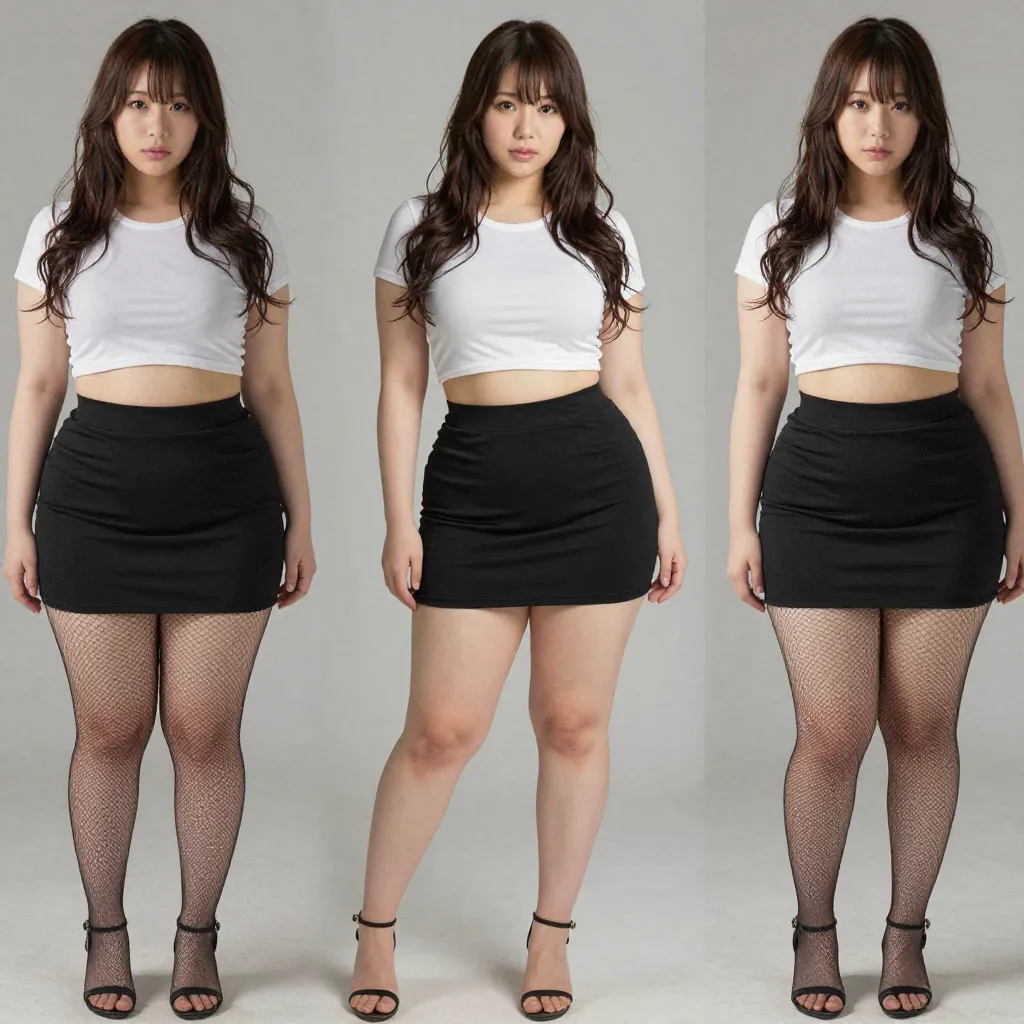 | 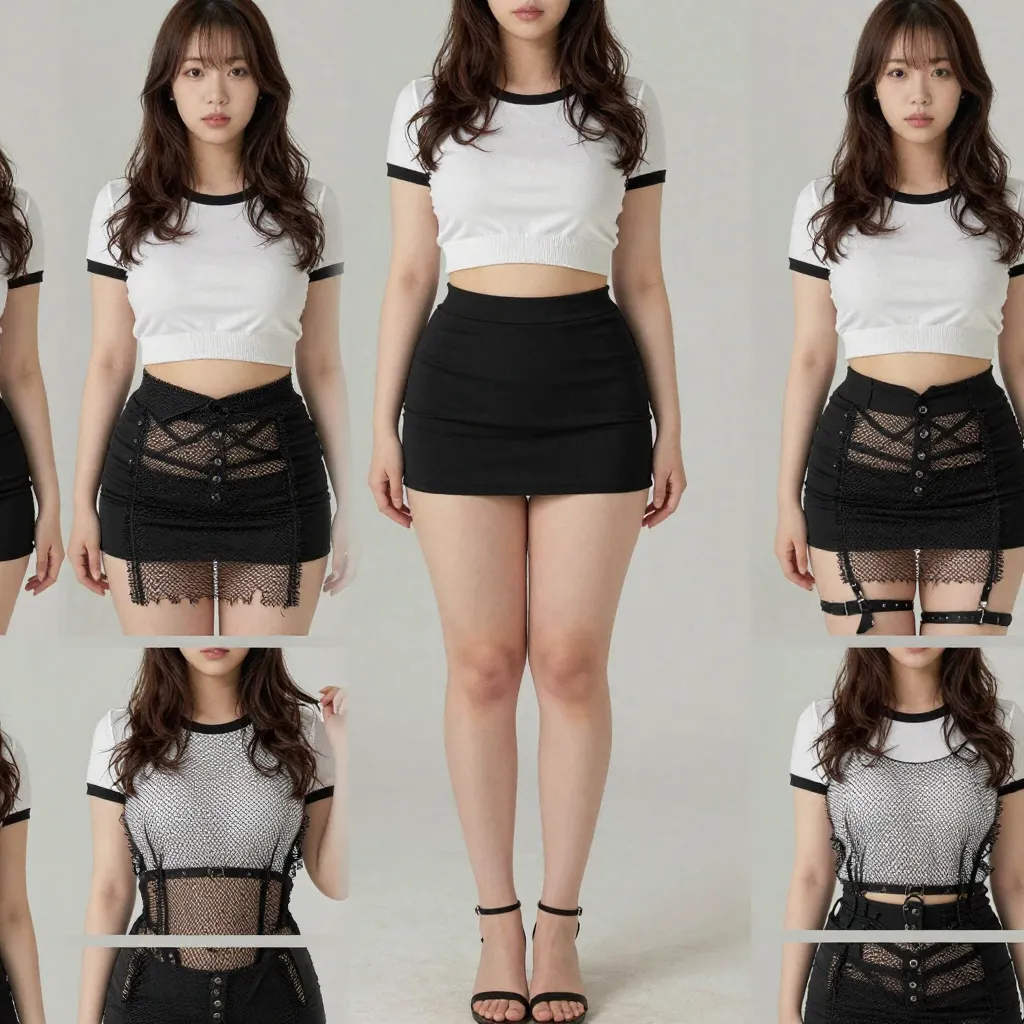 | 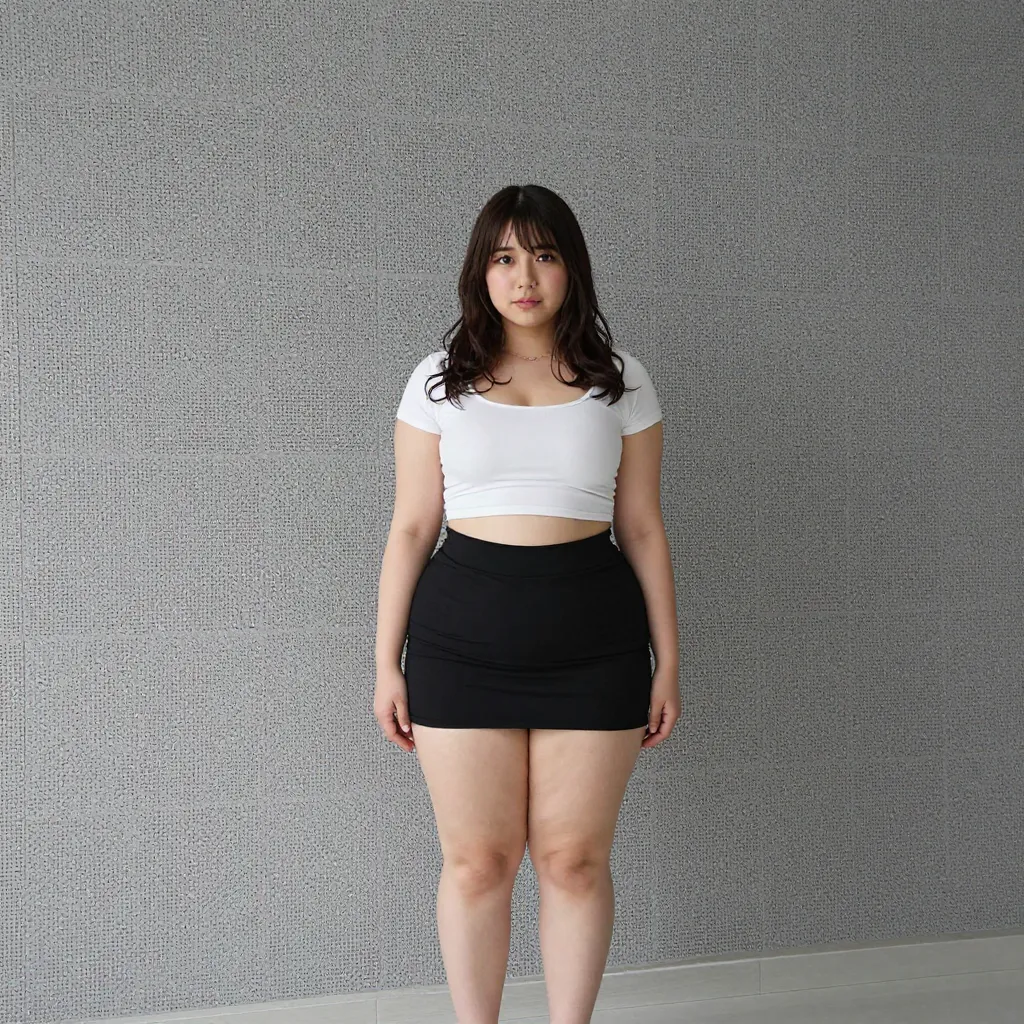 |
Observations: Similar trend to very thick. Seed 3 shows increased thigh volume with an overall fuller body type. Seed 1 produced a multi-panel composition with decorative skirt designs. No clear difference between very and extremely was observed.
B03: massive thighs
| seed 1 | seed 2 | seed 3 |
|---|---|---|
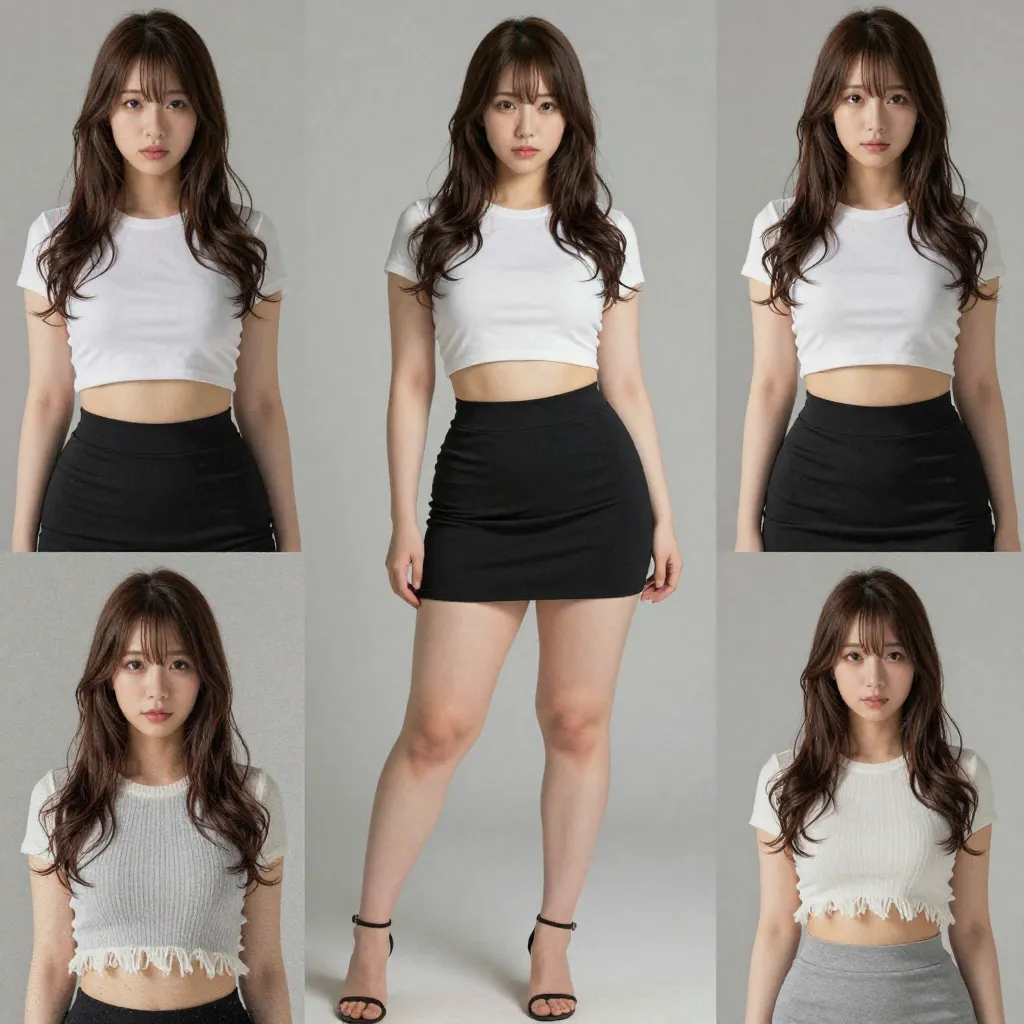 | 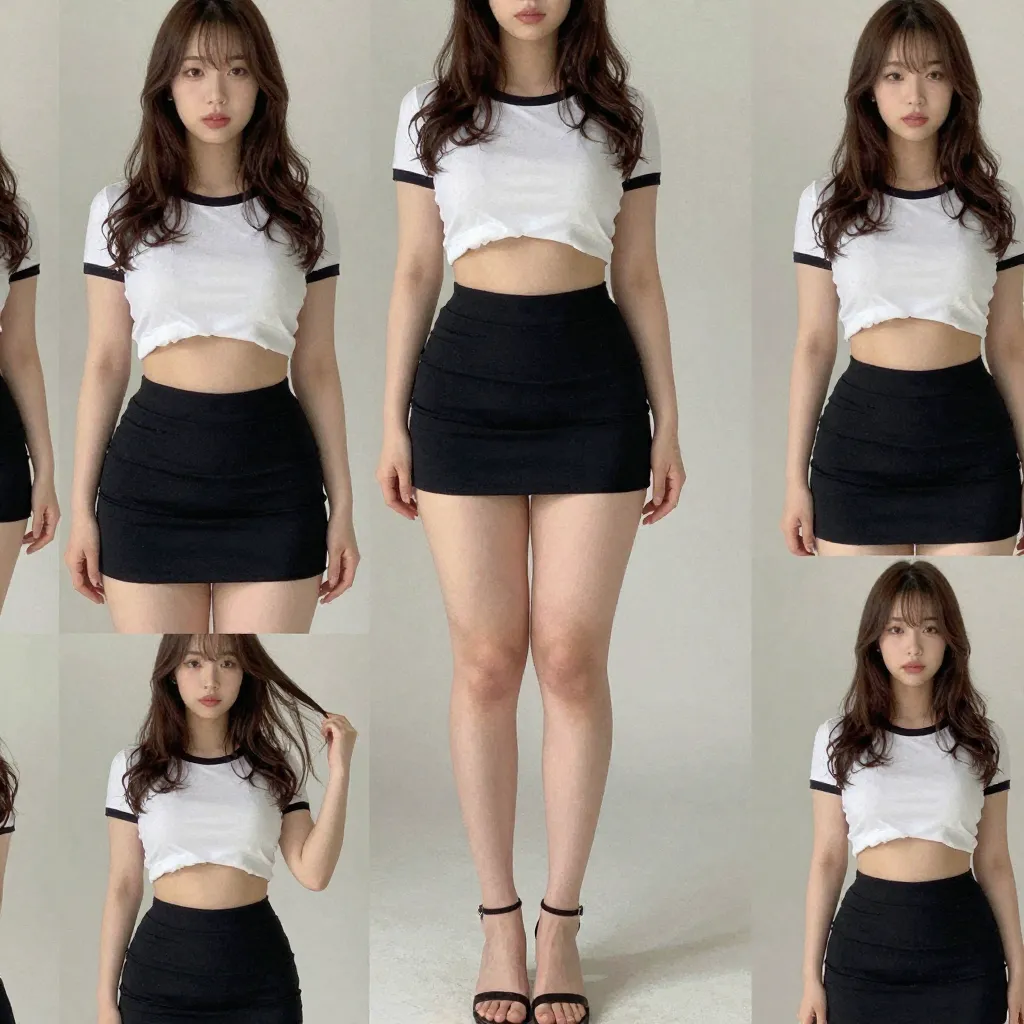 |  |
Observations: The most noticeable thickness change among all 4 conditions. Seed 3 shows clearly fuller thighs and hip area, with volume that seems to push against the skirt. Seed 1 also shows some fullness despite the multi-panel composition. However, the result is more “overall curvier body” than “specifically thicker thighs.” 2 out of 3 images showed increased thickness.
B04: thunder thighs
| seed 1 | seed 2 | seed 3 |
|---|---|---|
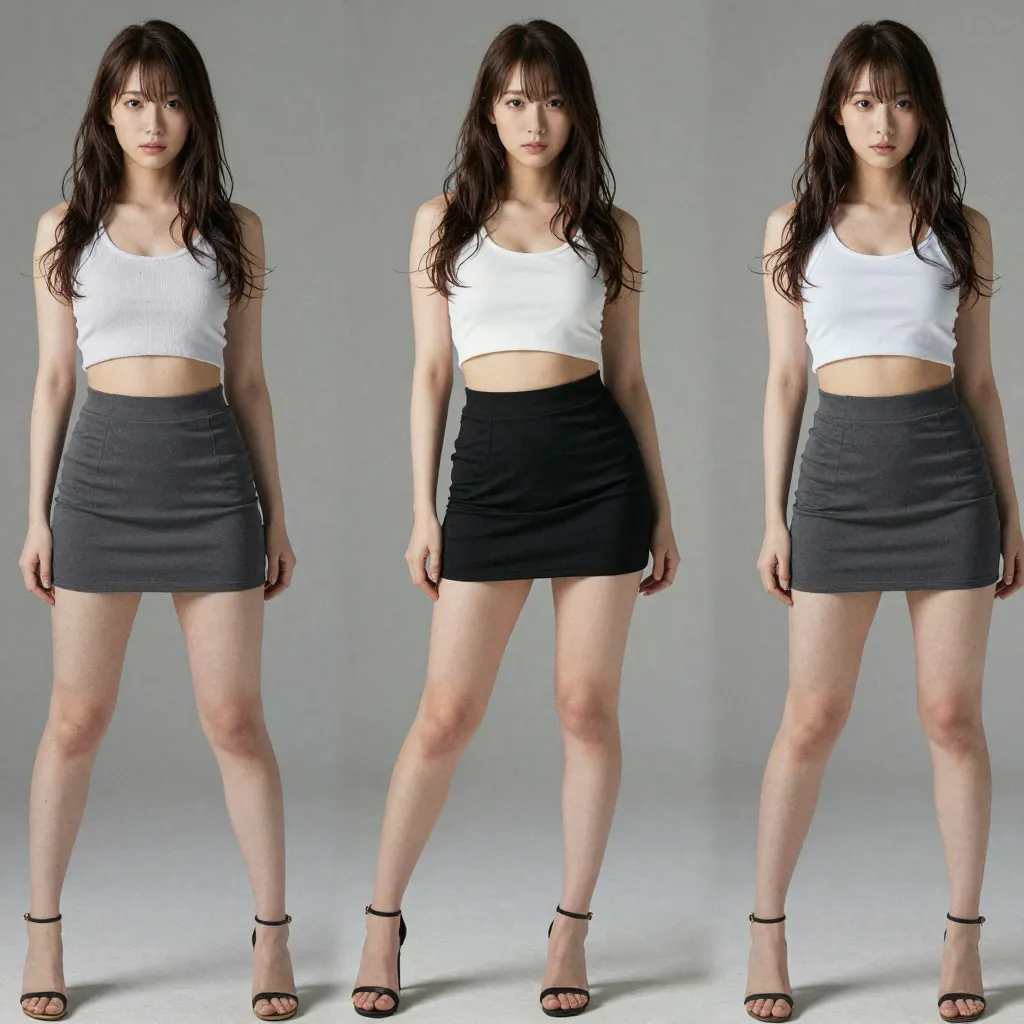 | 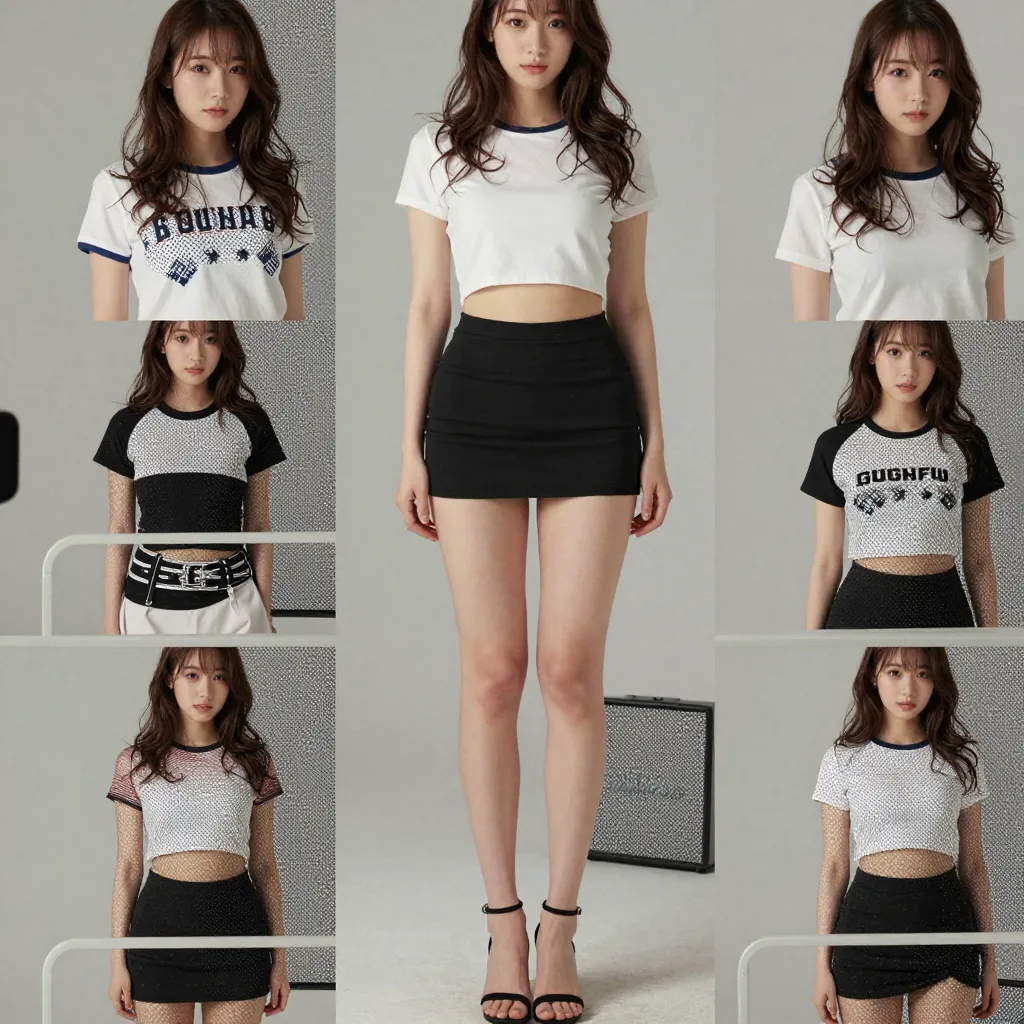 | 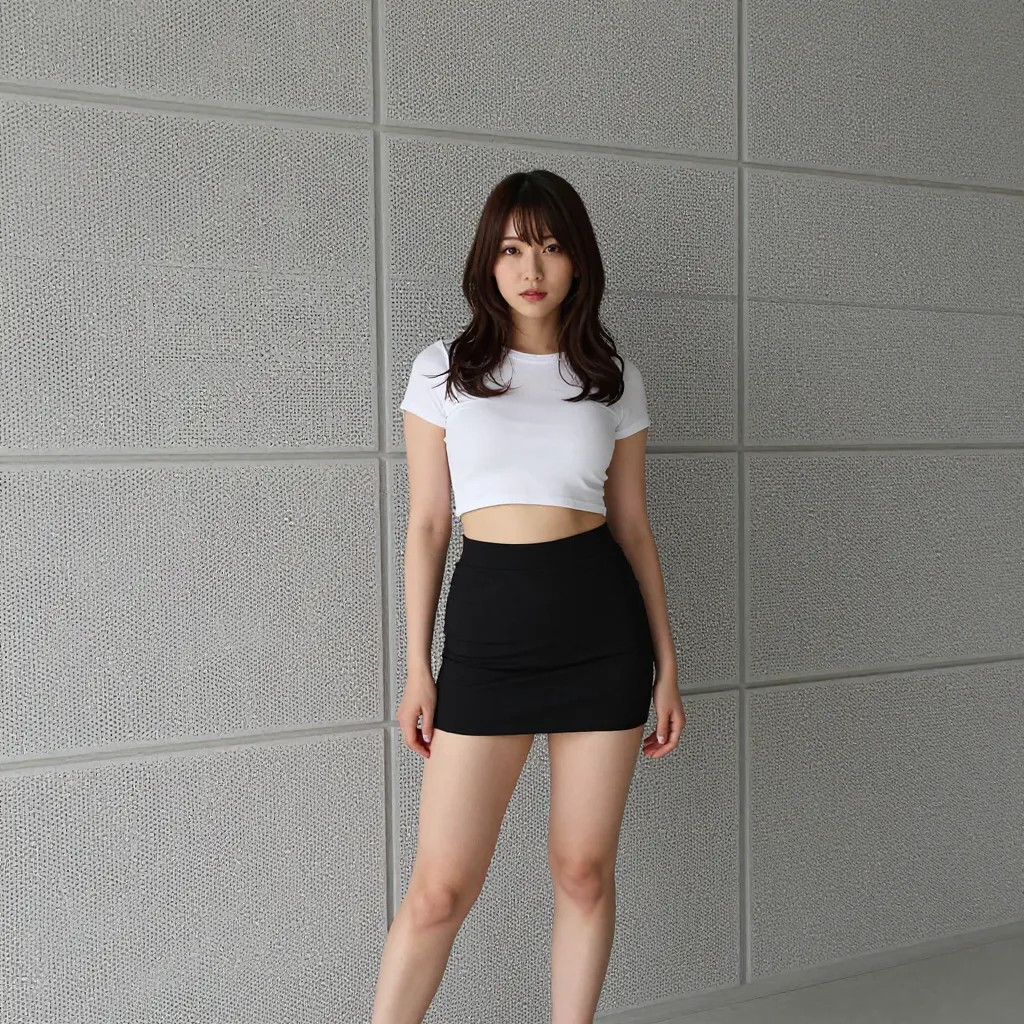 |
Observations: Surprising result. While “thunder thighs” is English slang for thick thighs, the generated images showed standard to slightly slim body types. All 3 seeds produced thigh thickness comparable to or less than the control (no modifier). The slang term appears to be poorly interpreted by the model.
Cross-Condition Comparison (seed 3)
Seed 3 consistently produced the most stable single full-body compositions, so we compare seed 3 across conditions.
| very thick | extremely thick | massive | thunder |
|---|---|---|---|
| | | |
Thickness ranking: massive > extremely thick ≒ very thick > thunder (≒ control)
Analysis
Adverb intensifiers have limited effect
Escalating from thick → very thick → extremely thick did not produce a gradual increase in thickness. Adverbs (very, extremely) contribute minimally to thigh thickness control in this model.
“massive” means “bigger,” not just “thicker”
massive had the strongest effect likely because it signals overall “size/volume” rather than specifically “thickness” of a body part. As a result, the entire body became curvier, not just the thighs. Pinpoint control of thigh thickness alone remains challenging.
Slang expressions are poorly handled
thunder thighs produced results comparable to the control, contributing nothing to thickness. Differences in training data frequency and contextual usage likely play a role. Using direct, common adjectives produces more reliable results.
The ceiling of thigh thickness control
Combining findings from the previous article (thick/plump/slender comparison) and this experiment, there is a clear ceiling to what thigh modifiers alone can achieve. Even massive doesn’t produce “dramatically thick thighs” — it indirectly increases thickness by changing overall body proportions.
Summary
| Modifier | Effect on thigh thickness | Side effects |
|---|---|---|
| thick thighs | Slight increase | None |
| very thick thighs | Similar to thick | None |
| extremely thick thighs | Similar to thick | None |
| massive thighs | Strongest increase | Entire body becomes curvier |
| thunder thighs | No effect | None |
For maximum thigh thickness, massive thighs is currently the best option, but you need to accept its impact on overall body proportions. Whether combining it with body type descriptors (curvy body, voluptuous figure, etc.) enables more precise control is a topic for future testing.

![[Experiment] Complete Body Type Prompt Guide | 24 Conditions, 72 Images from slim to bbw](/tips/body-type-control-test/d01_curvy_s1_0_0000_2053695854357871006.webp)
![[Verified] Image Generation Prompt Best Practices](/tips/prompt-best-practices/cover_0_0000_4517457392071889496.webp)