Conclusions First
- Infrared photography had the highest reproduction accuracy — foliage whitening, sky darkening, and desaturation characteristic of IR photography appeared consistently in all 3 images.
- Lens flare also showed light streaks or ghosting in 2 out of 3 images — high reproduction. However, streak position and shape vary by seed.
- High-speed photography depicted water splash and hair spread in all 3 images — functions as an addition of dynamic elements. However, it reads more as “subject getting splashed” than “frozen moment.”
- Double exposure reproduced as “semi-transparent overlapping figures” but became multiple copies of the same person rather than portrait-landscape blending — not the intended effect.
- Prism photography produced rainbow-colored light reflections projected on skin, but all 3 images showed the subject holding a prism/lens — depicting “person holding a prism” rather than “optical effects of shooting through a prism.”
- Bleach bypass significantly desaturated all 3 images (near-monochrome), but caused major side effects like silver hair color changes.
Experiment Design
| Parameter | Value |
|---|---|
| Model | z-image-turbo (6B, photorealistic distilled) |
| Steps | 8 |
| CFG | 1.0 |
| Size | 1024x1024 |
| Seeds | 3 fixed (consistent across all conditions) |
| Framing | upper body |
| Per condition | 3 images (3 seeds) |
| Total | 7 conditions = 21 images |
Base Prompt
Outdoor park on a sunny day was selected as it naturally suits many special techniques (IR foliage whitening, lens flare light sources, double exposure landscape overlay).
Evaluation Criteria
The following visual attributes were observed and recorded:
- Reproduction accuracy of technique’s visual characteristics: Whether visual effects specific to the specified photography technique appear
- Impact on subject quality: Whether there are side effects like face distortion or broken hands
- Reproduction stability: Number of seeds out of 3 where the technique’s characteristics were confirmed
Results by Condition
A00: Control (No Technique)
| seed 1 | seed 2 | seed 3 |
|---|---|---|
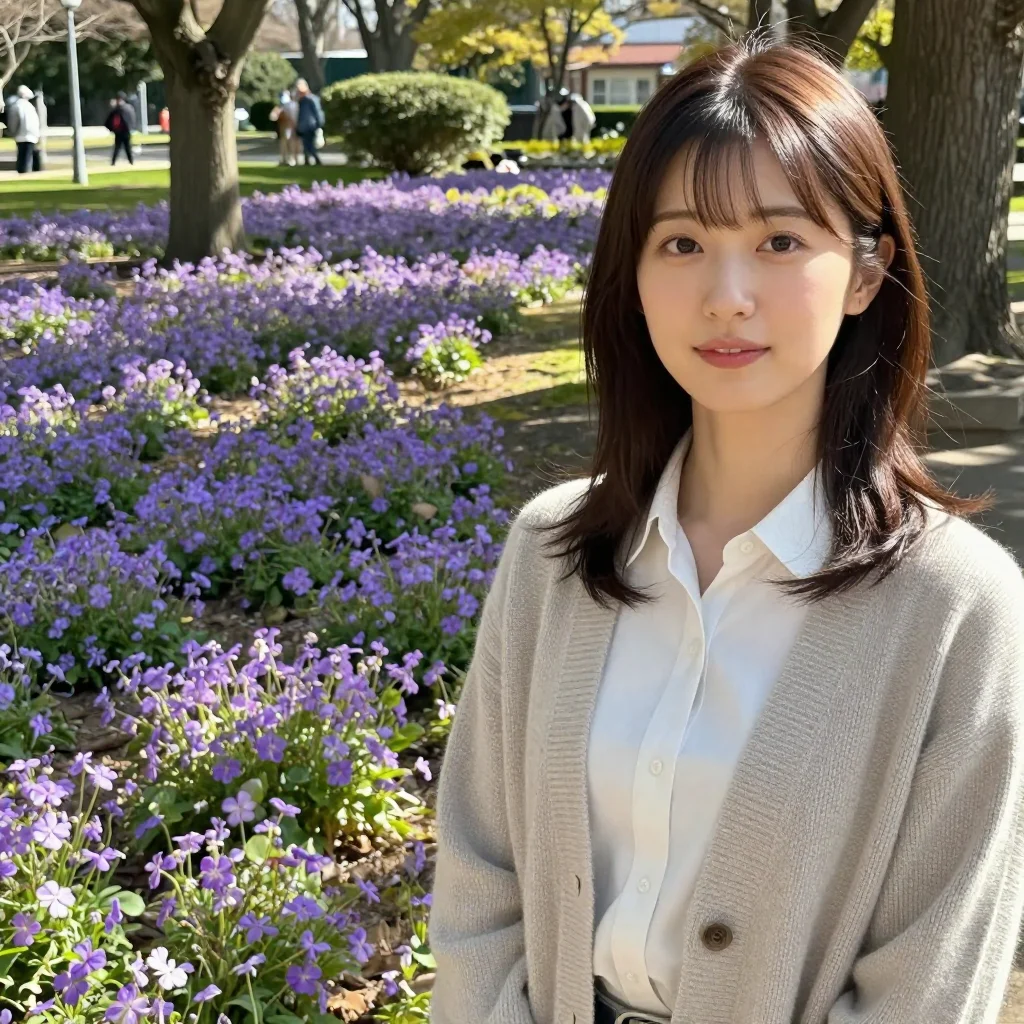 | 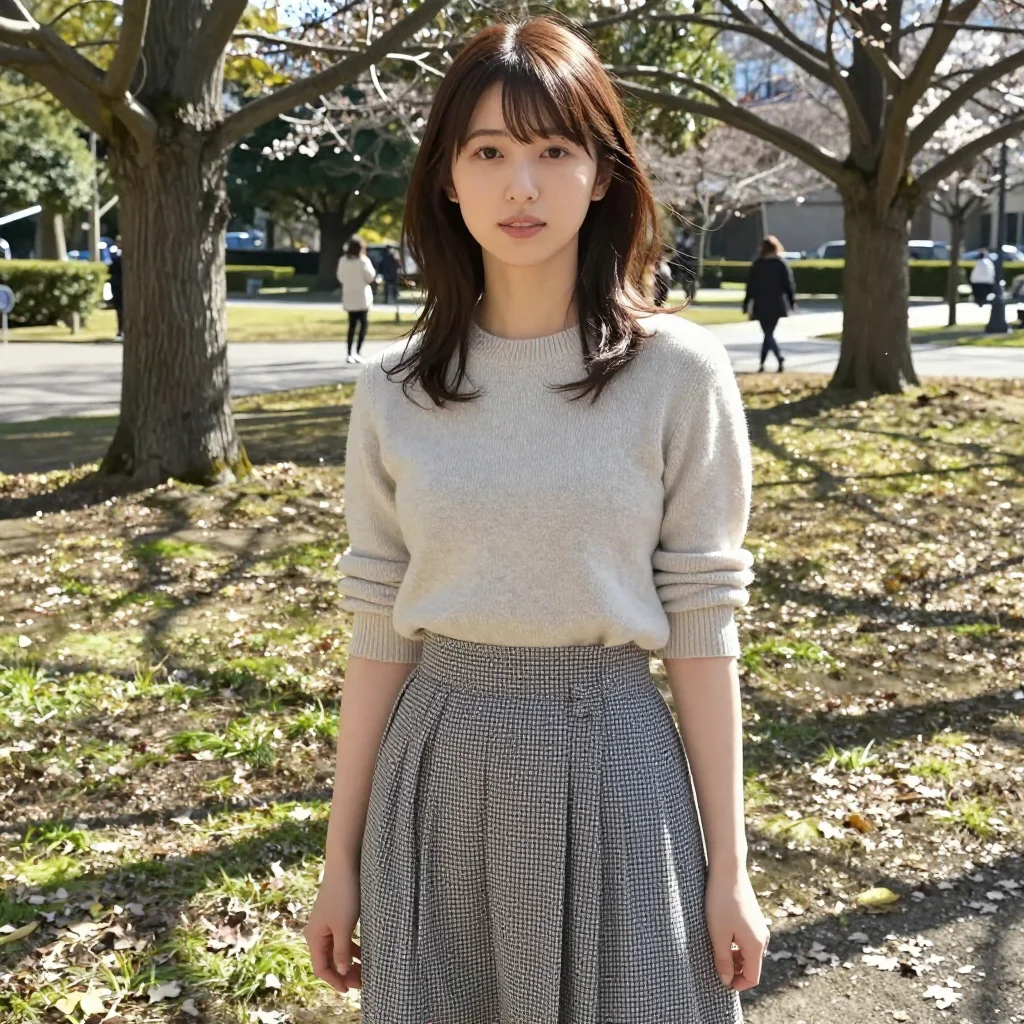 | 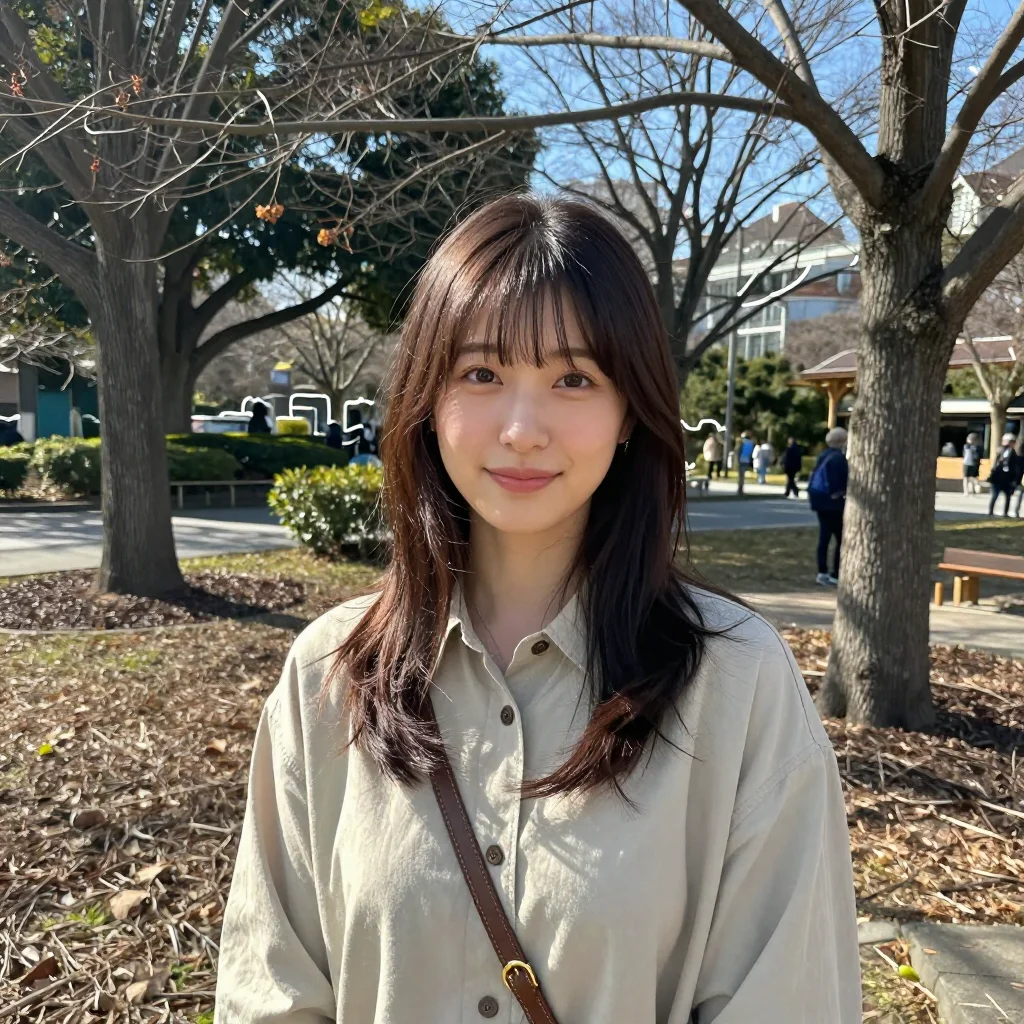 |
Observation: All 3 show natural light portraits in an outdoor park. Trees, grass, and walkways are depicted in the background. No distortion in subject’s face or hands. Natural color with no special effects.
A01: Double Exposure
| seed 1 | seed 2 | seed 3 |
|---|---|---|
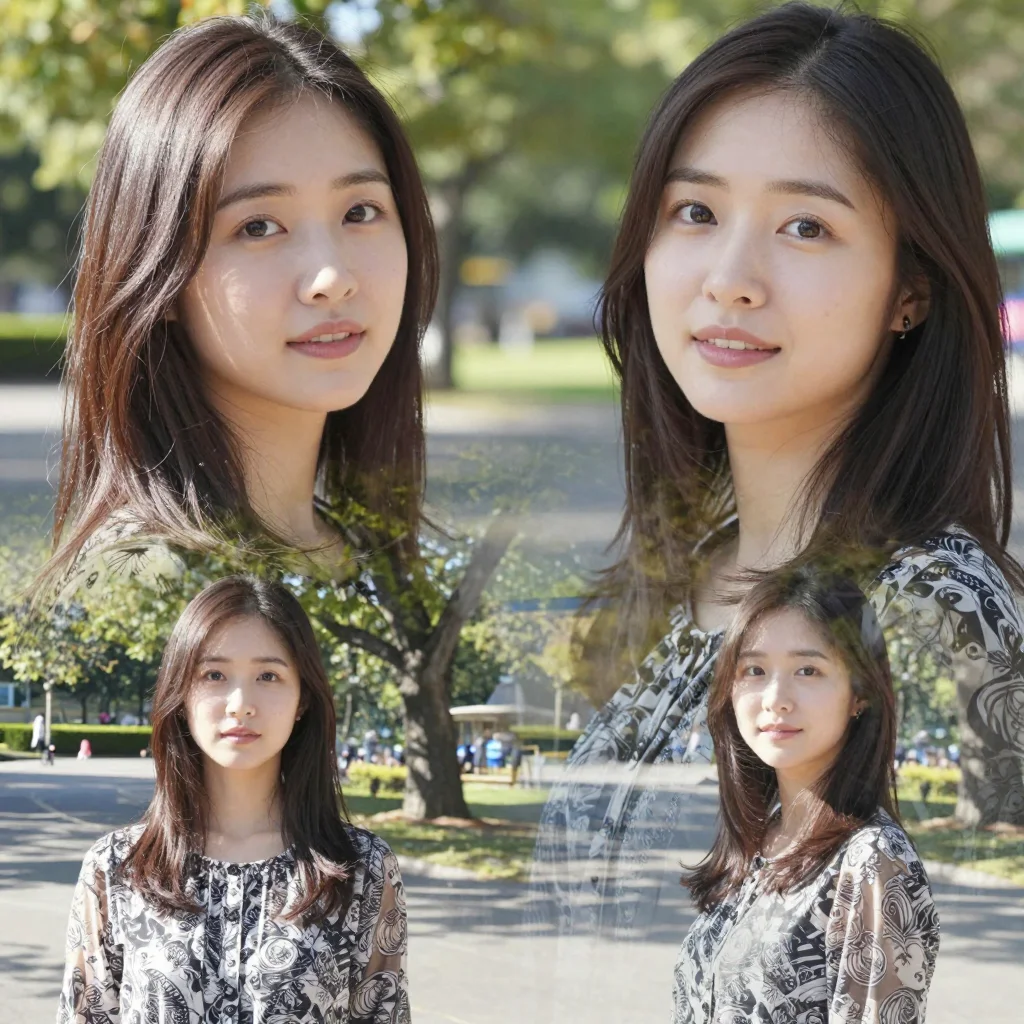 | 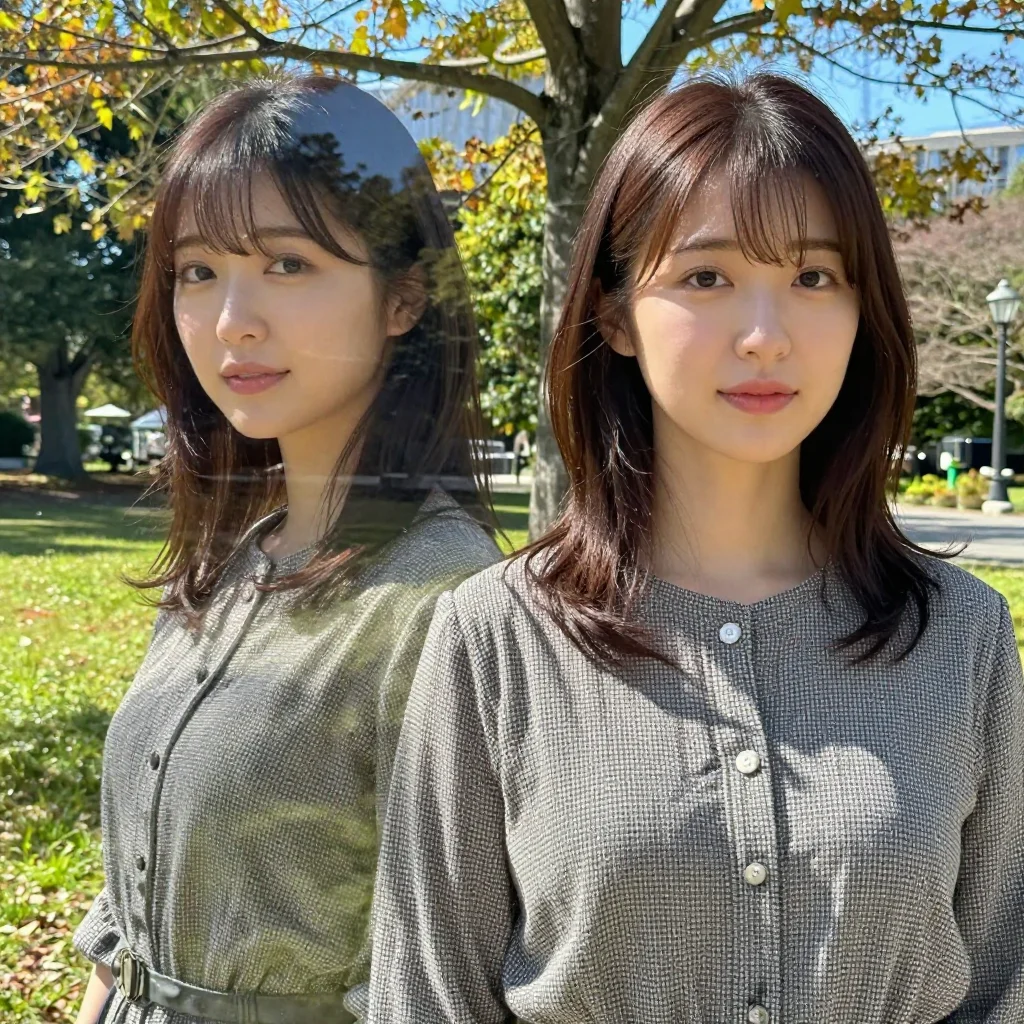 | 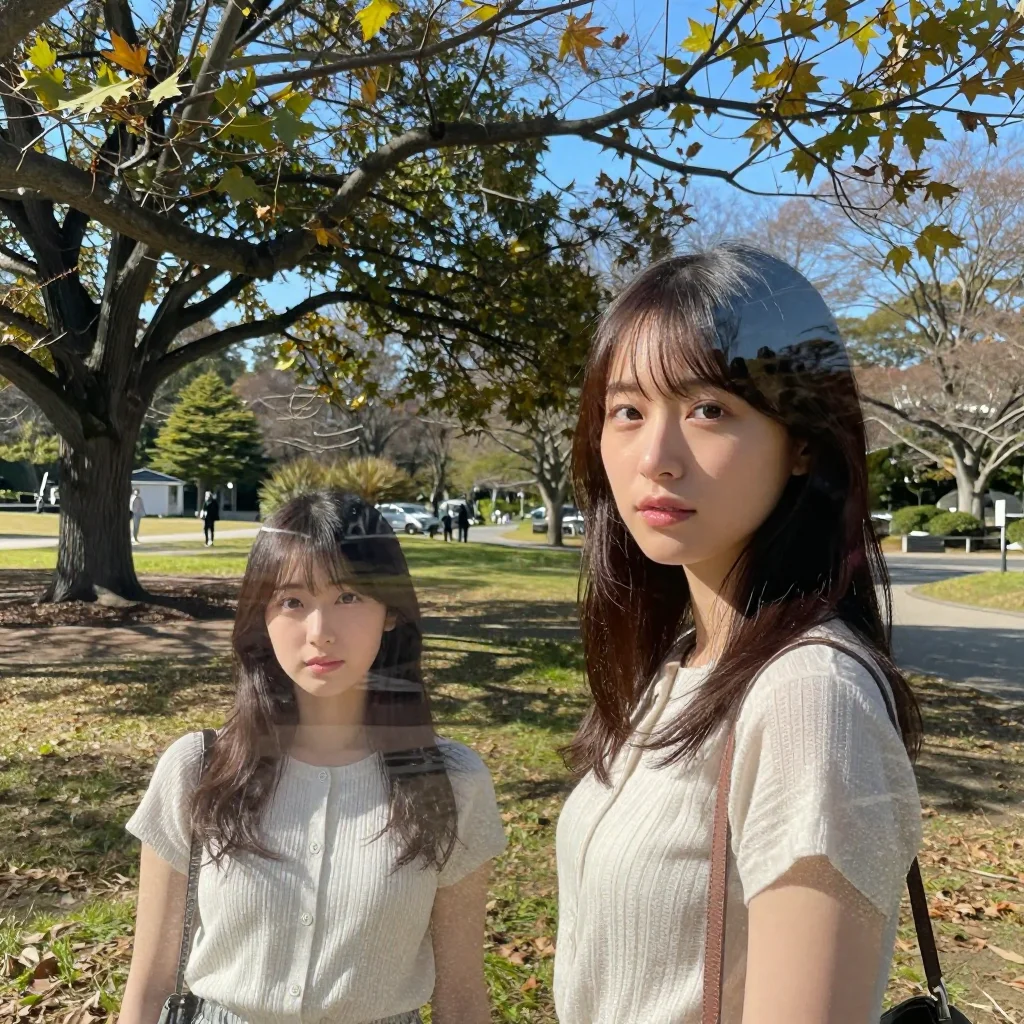 |
Observation: Semi-transparent overlapping figures appear in all 3 — the “overlap” element is reflected. However, seed 1 shows a collage-style layout of 4 faces, while seeds 2 and 3 show 2 copies of the same person standing side by side. Rather than the typical double exposure of “portrait blended with landscape,” the effect was interpreted as subject duplication. Subject face quality slightly degraded in seed 1.
A02: High-Speed Photography
| seed 1 | seed 2 | seed 3 |
|---|---|---|
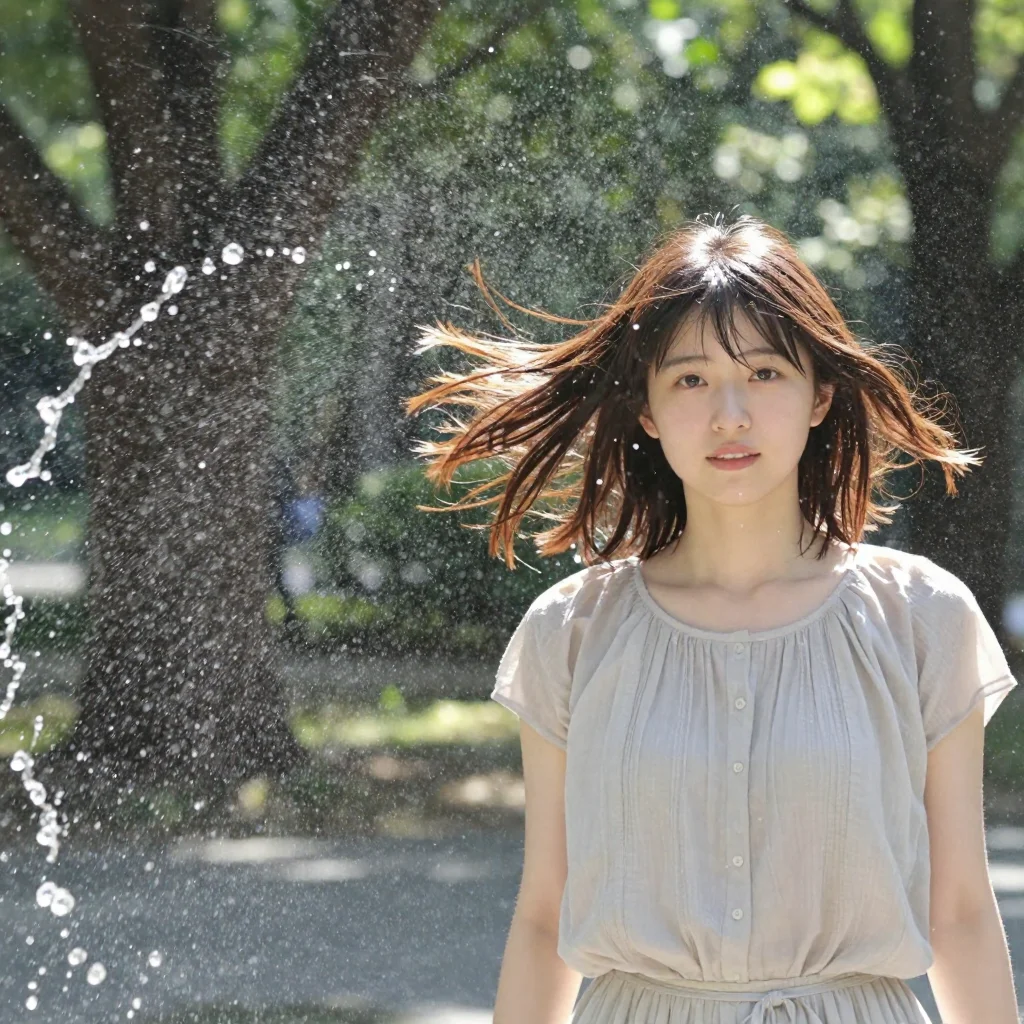 | 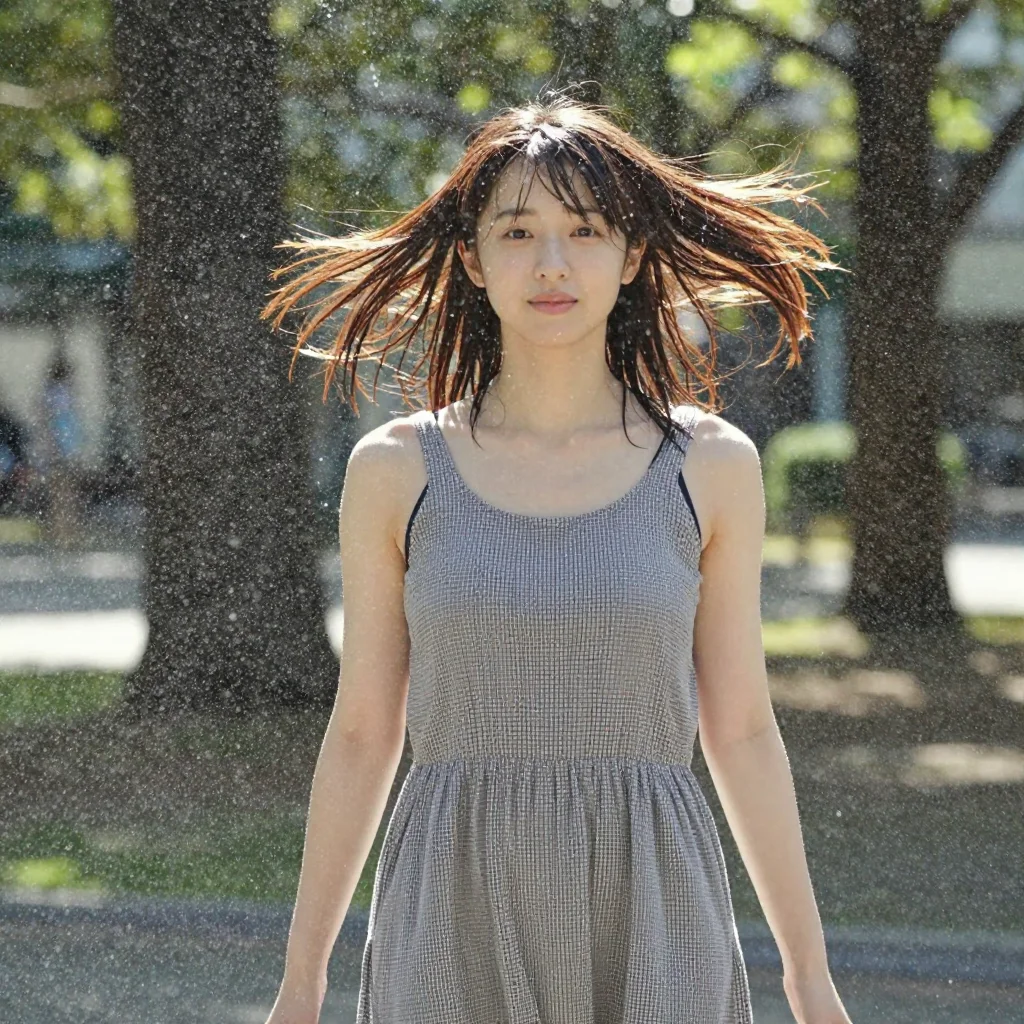 | 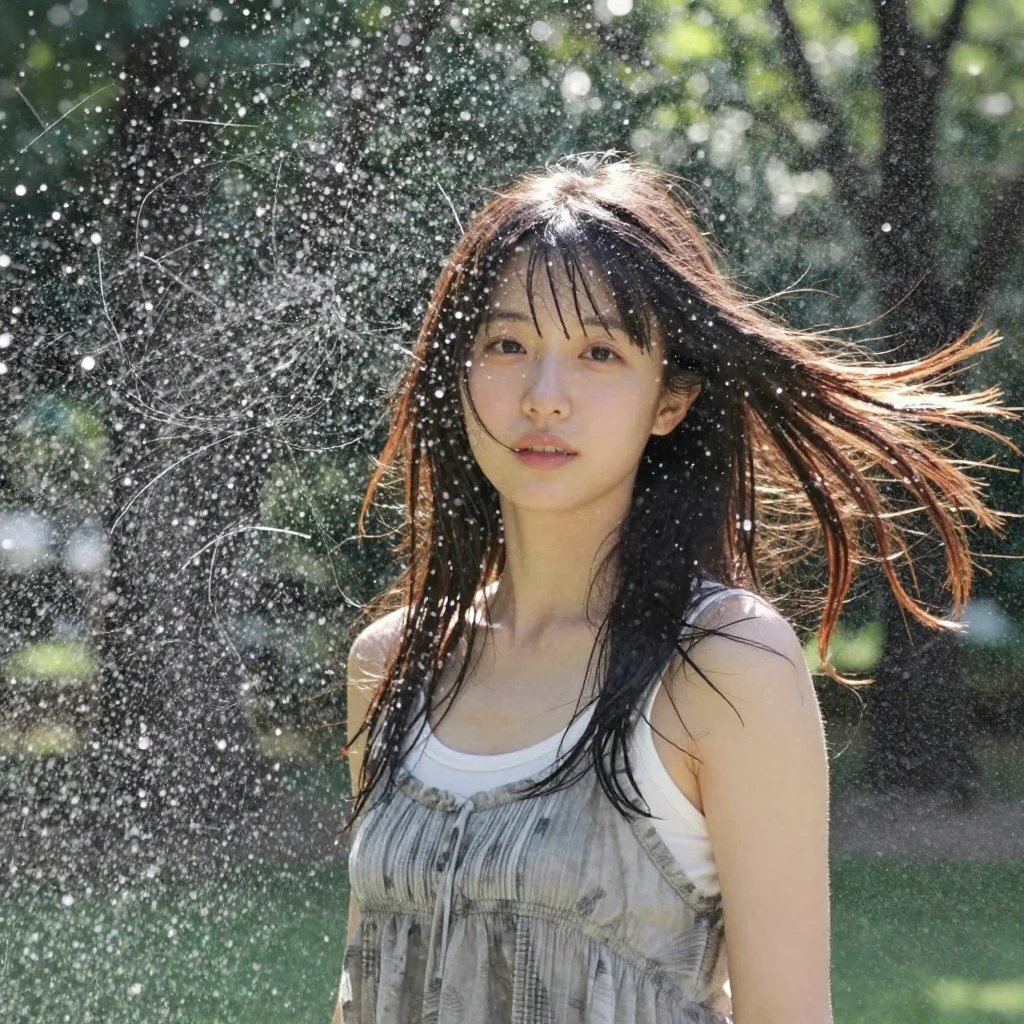 |
Observation: Water splash around the subject and spread hair depicted in all 3. Water droplets scatter in the air giving an impression of a captured moment. However, the sharpness of a “frozen moment” is closer to natural depiction of someone being splashed. Subject faces are rendered clearly in all 3. Clothing tends toward less coverage (camisole etc.) compared to control.
A03: Infrared Photography
| seed 1 | seed 2 | seed 3 |
|---|---|---|
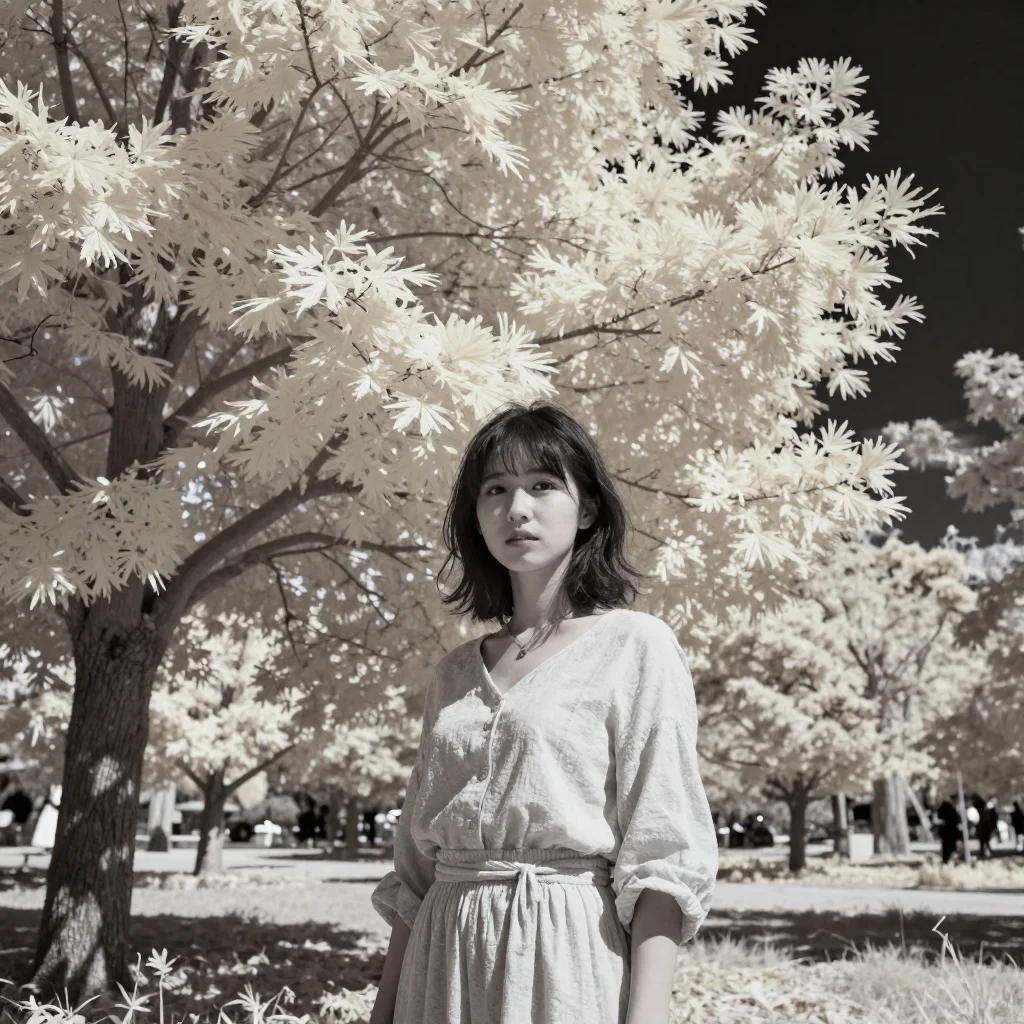 | 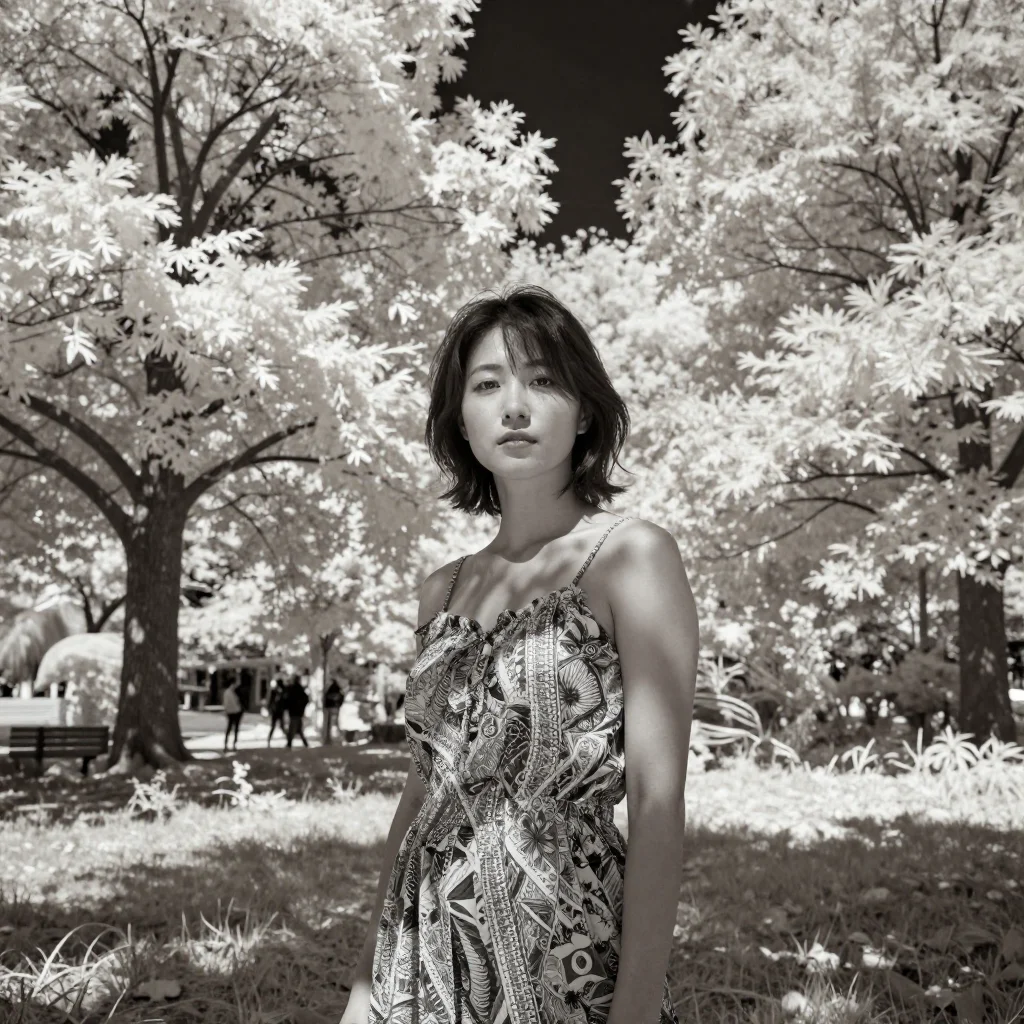 | 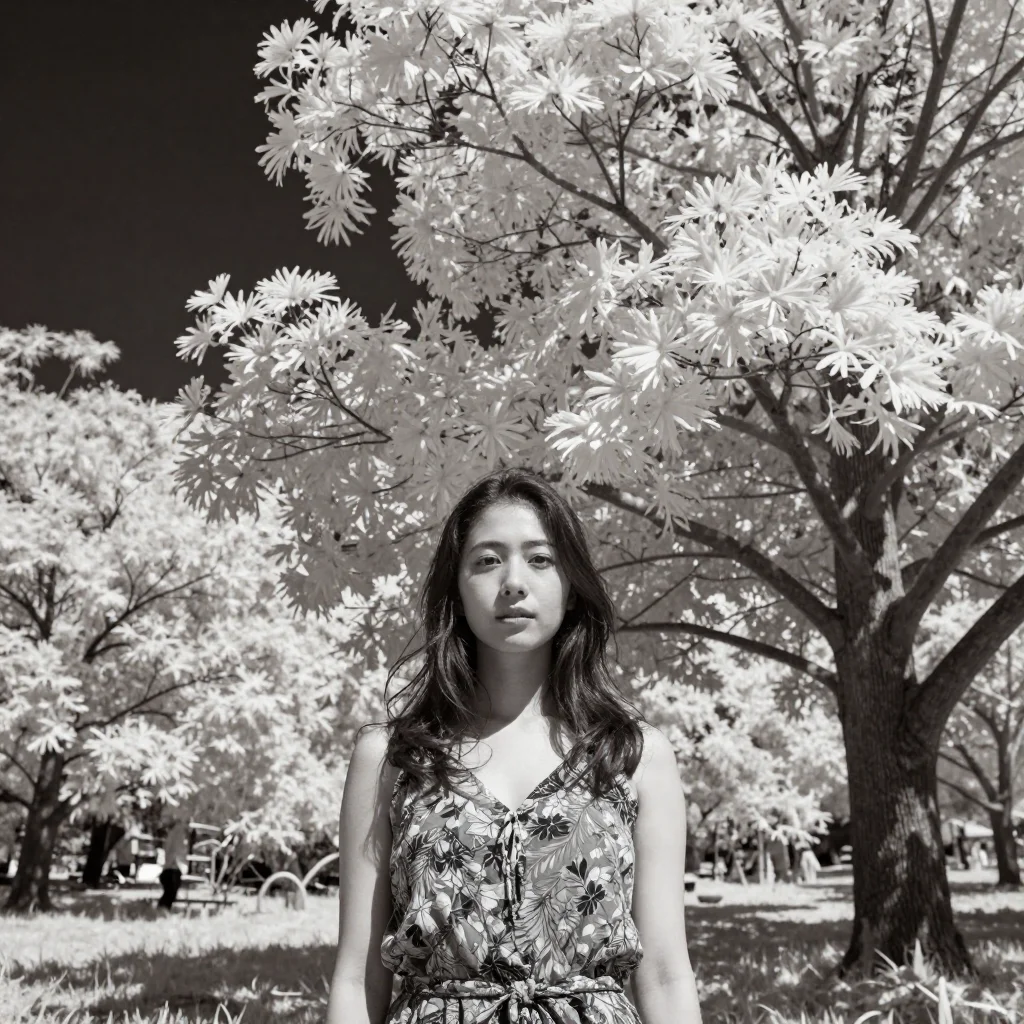 |
Observation: IR photography characteristics are clearly reproduced in all 3. Tree leaves glow white, sky darkens, and overall saturation drops to sepia-to-monochrome tones. This matches actual IR photography’s “Wood effect” (leaf whitening) and dark sky tonal inversion. Subject skin also tends to slightly blow out. Seeds 2 and 3 show slightly flatter facial details, but no major distortion.
A04: Lens Flare
| seed 1 | seed 2 | seed 3 |
|---|---|---|
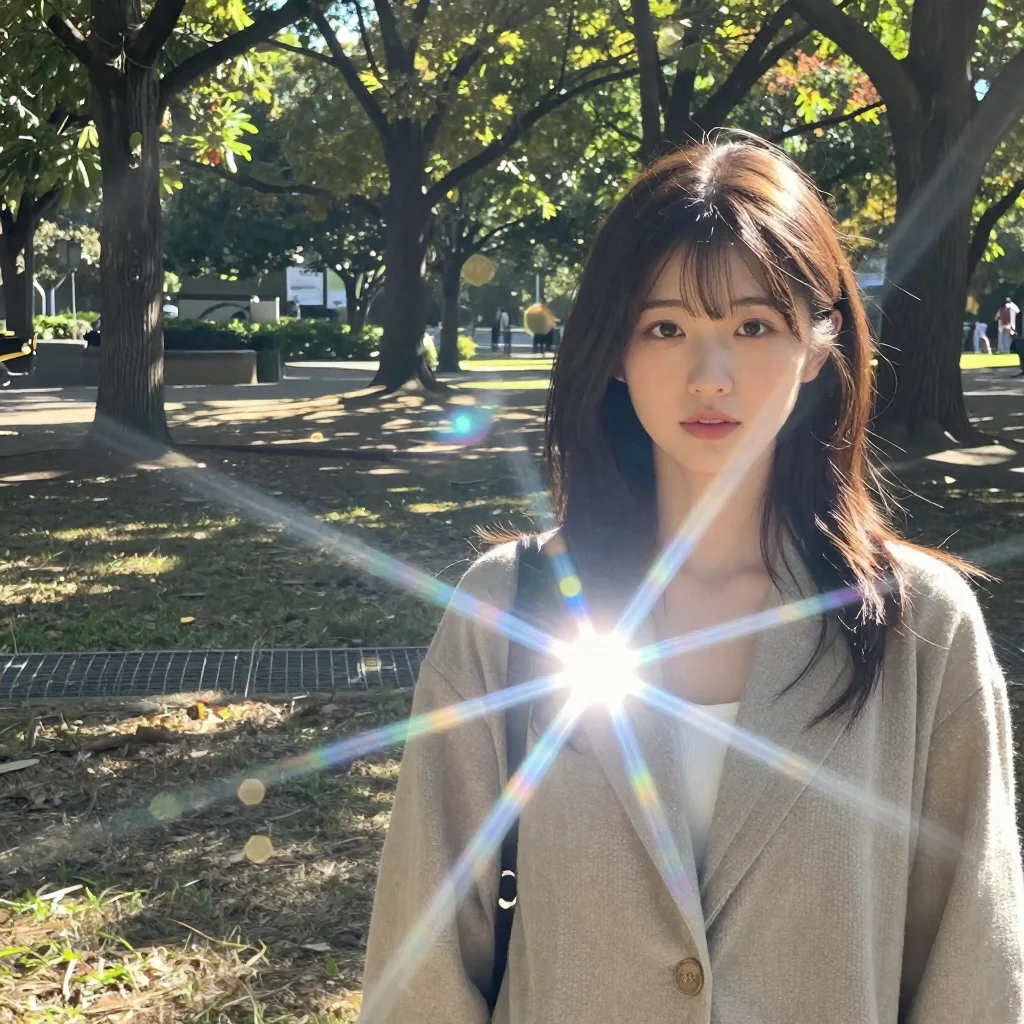 | 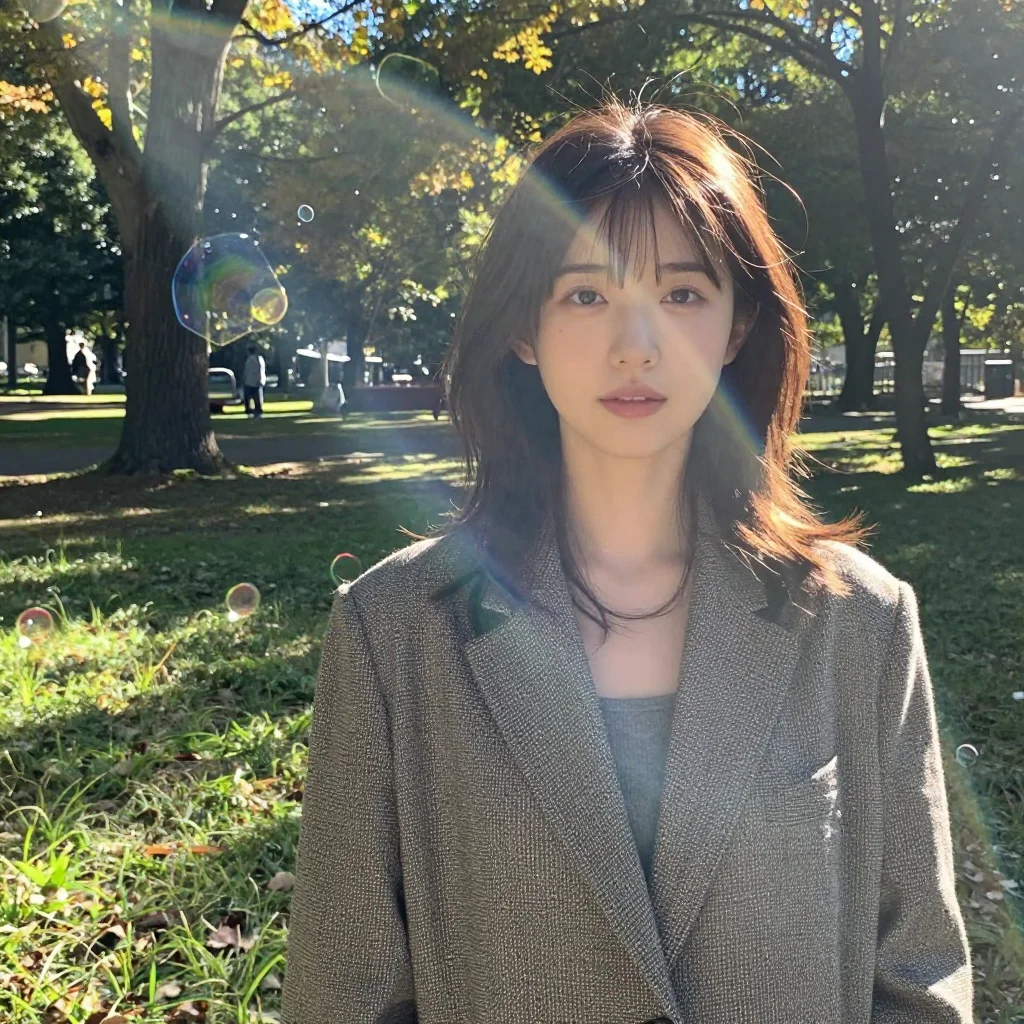 | 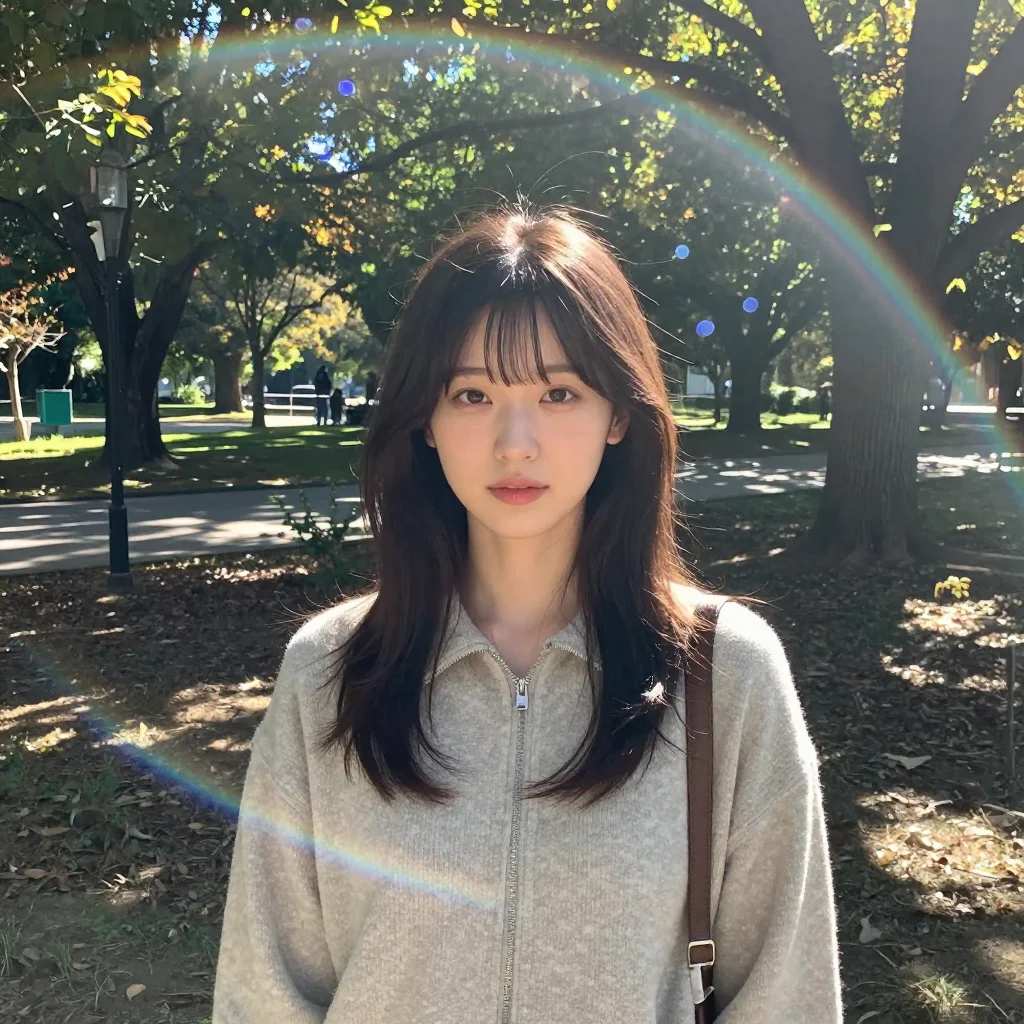 |
Observation: Seed 1 shows strong radial light streaks (starburst) and rainbow-colored ghosts clearly at the subject’s chest area. Seed 3 shows arc-shaped rainbow flare and several small blue circular ghosts above the subject’s head. Seed 2 has backlit halation but weak clear flare/ghost. Lens flare optical characteristics reproduced in 2 out of 3. Subject faces are clear in all 3.
A05: Prism Photography
| seed 1 | seed 2 | seed 3 |
|---|---|---|
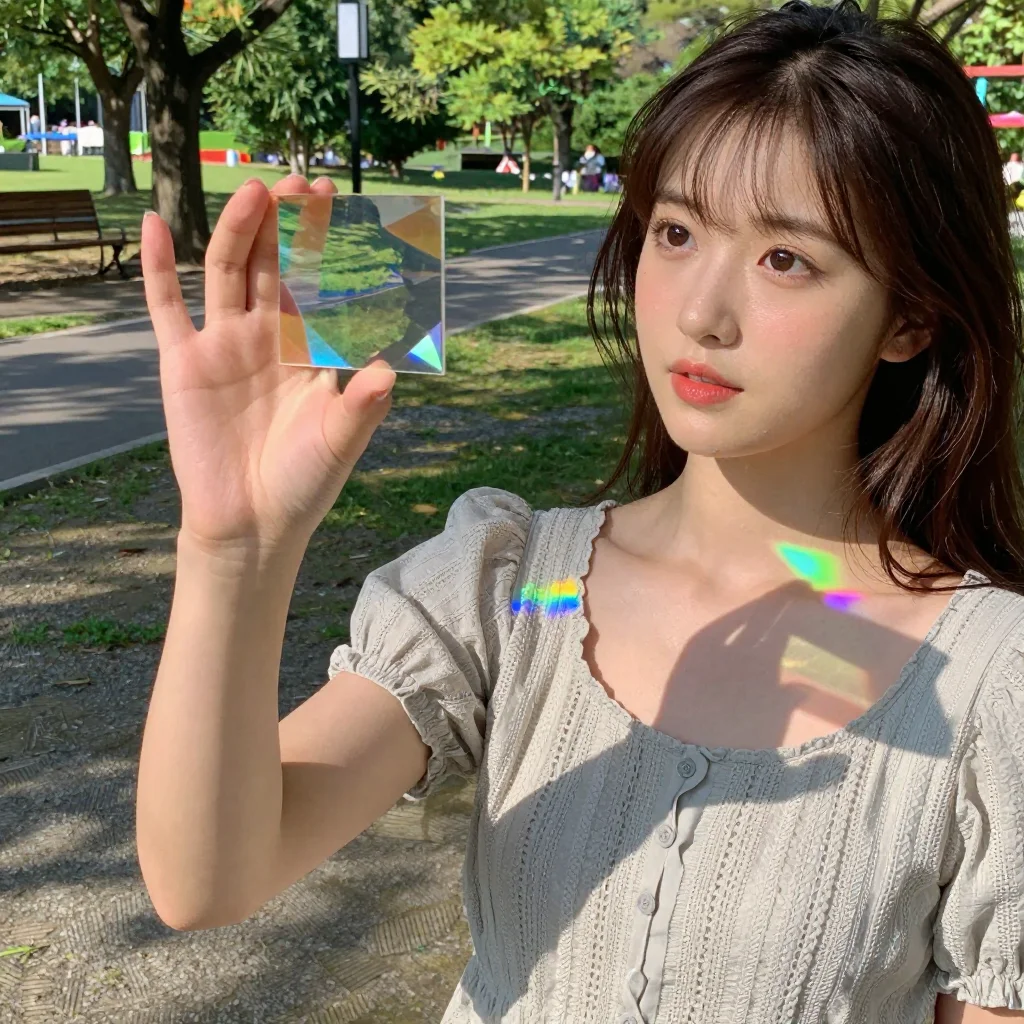 | 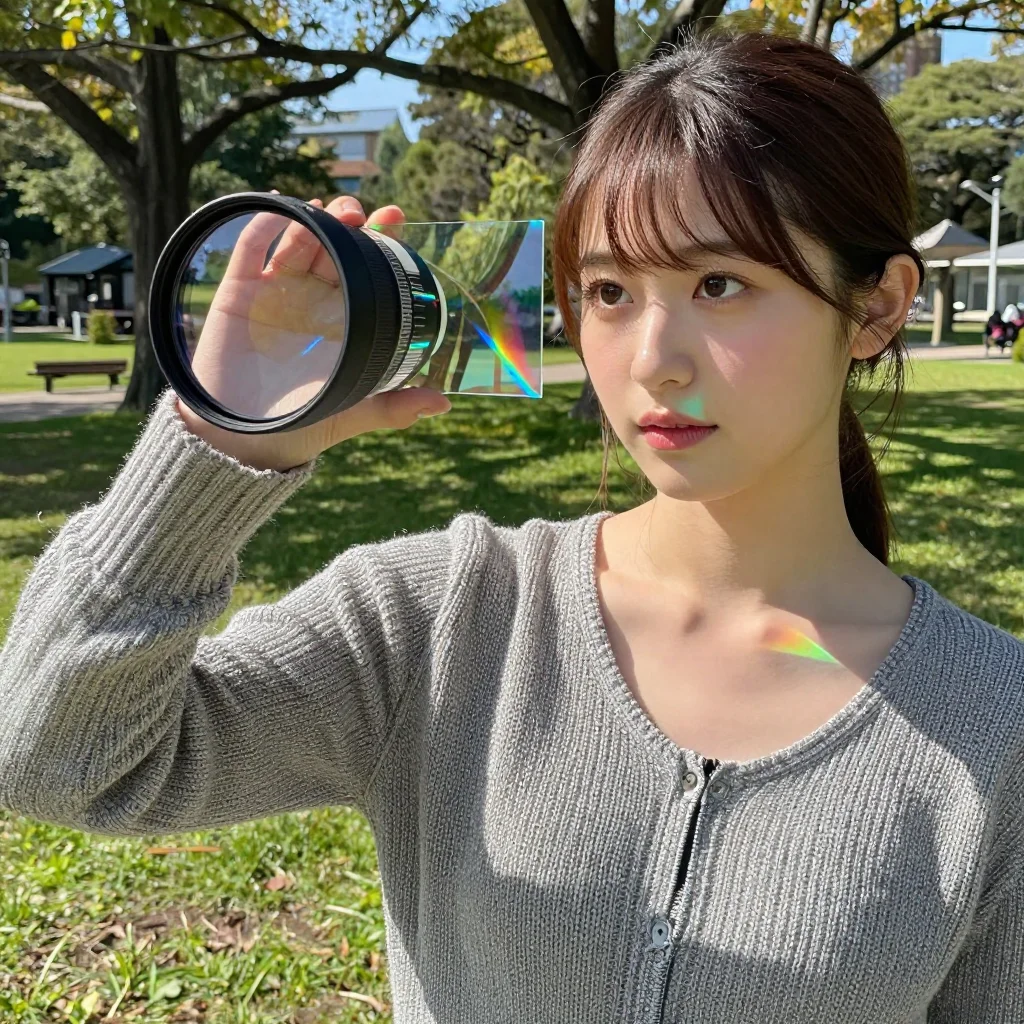 | 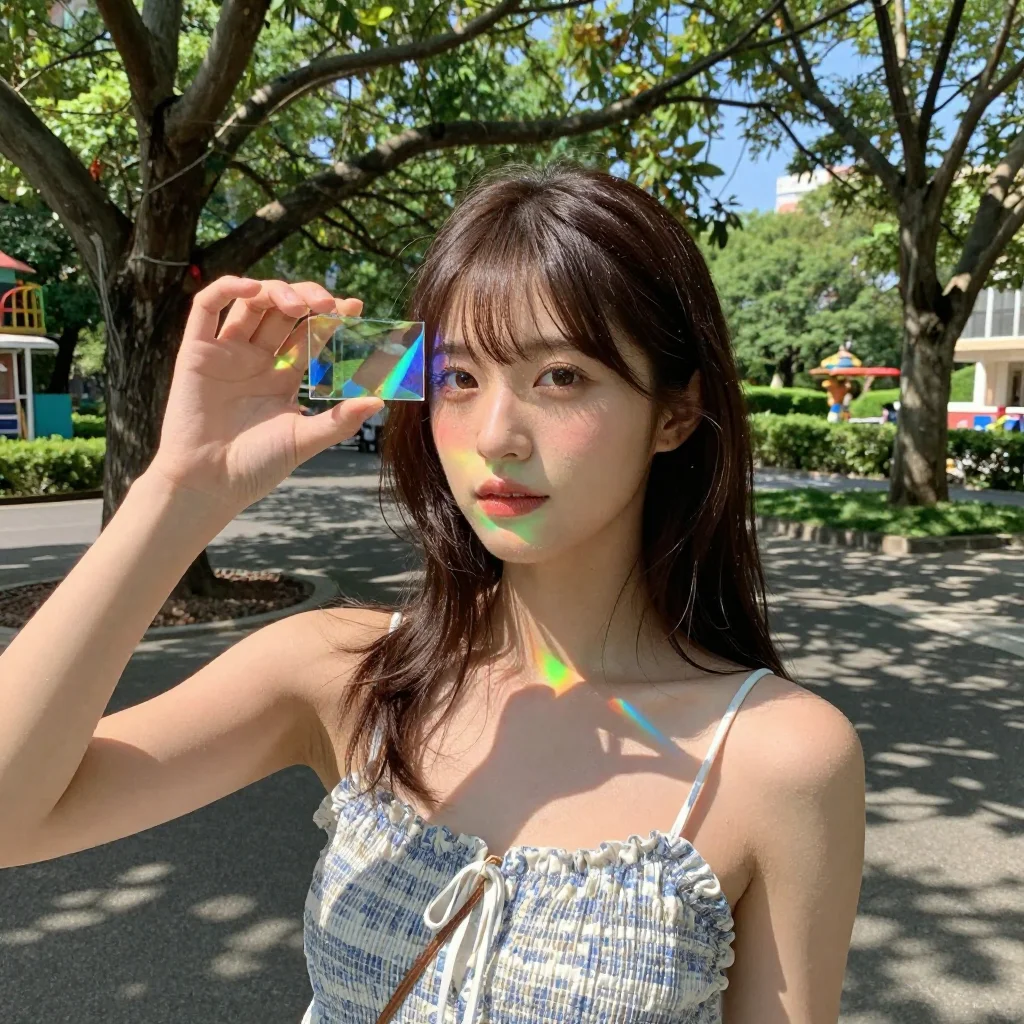 |
Observation: Rainbow-colored light reflections are projected on the subject’s skin and clothing in all 3. However, all 3 also show the subject holding a prism or lens — depicting “a person holding a prism” rather than “optical effects from placing a prism in front of the lens.” Seed 1 holds a glass square prism, seed 2 a cylindrical lens, seed 3 a triangular prism. No frame distortion or chromatic aberration resembling actual shooting effects was observed.
A06: Bleach Bypass
| seed 1 | seed 2 | seed 3 |
|---|---|---|
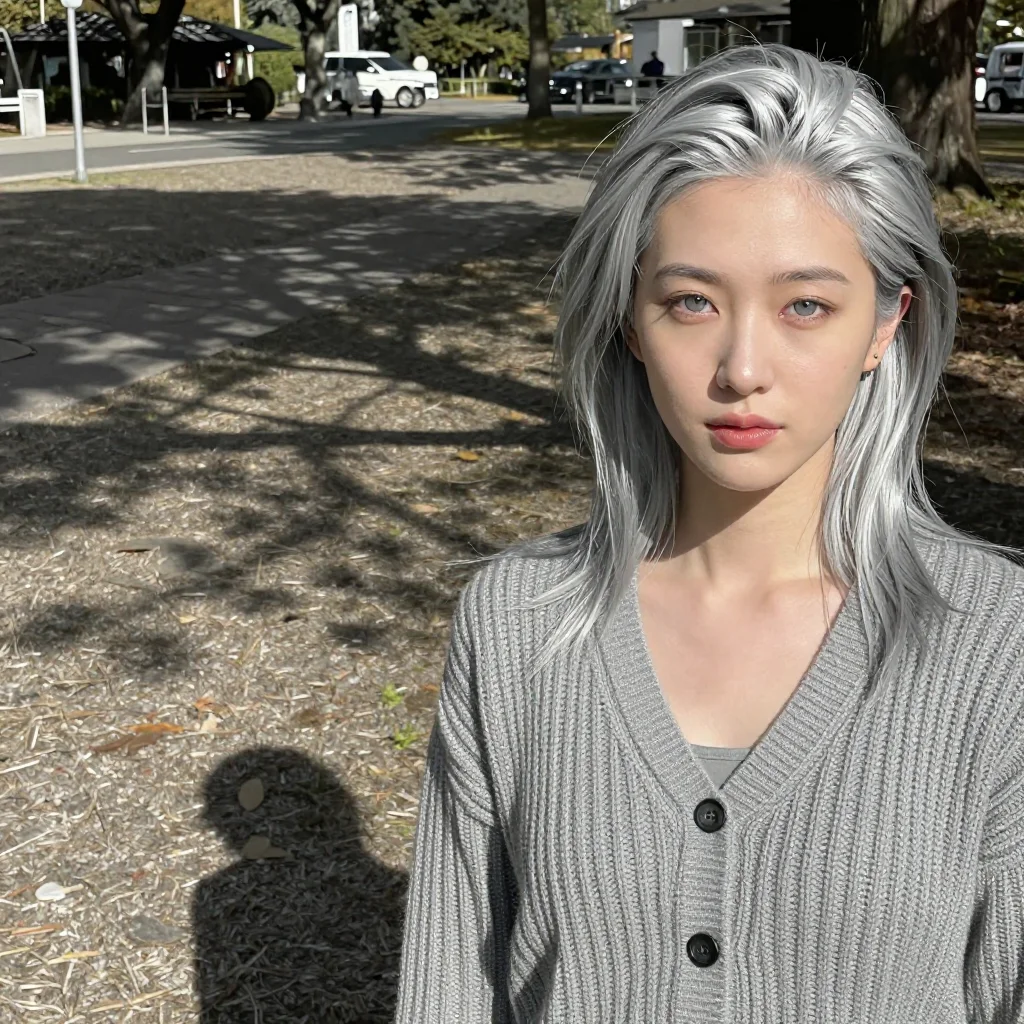 | 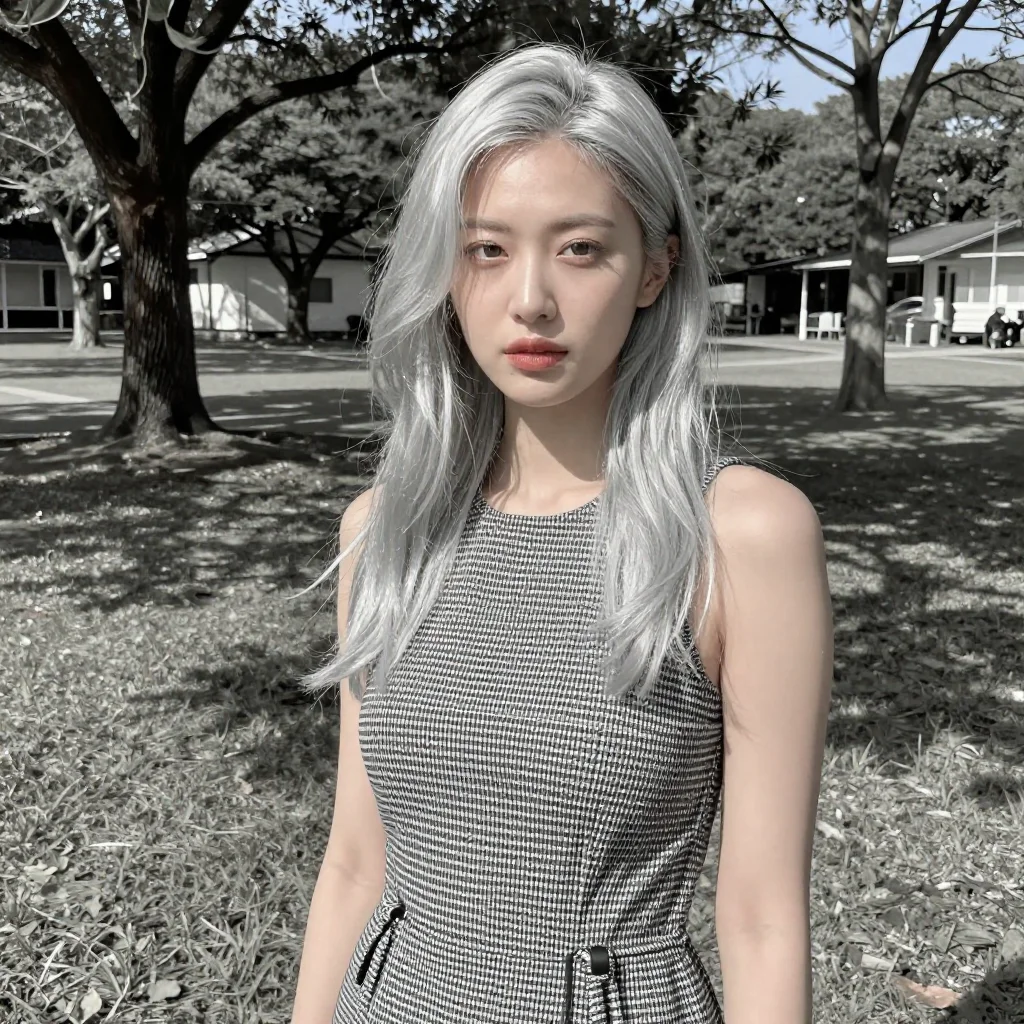 | 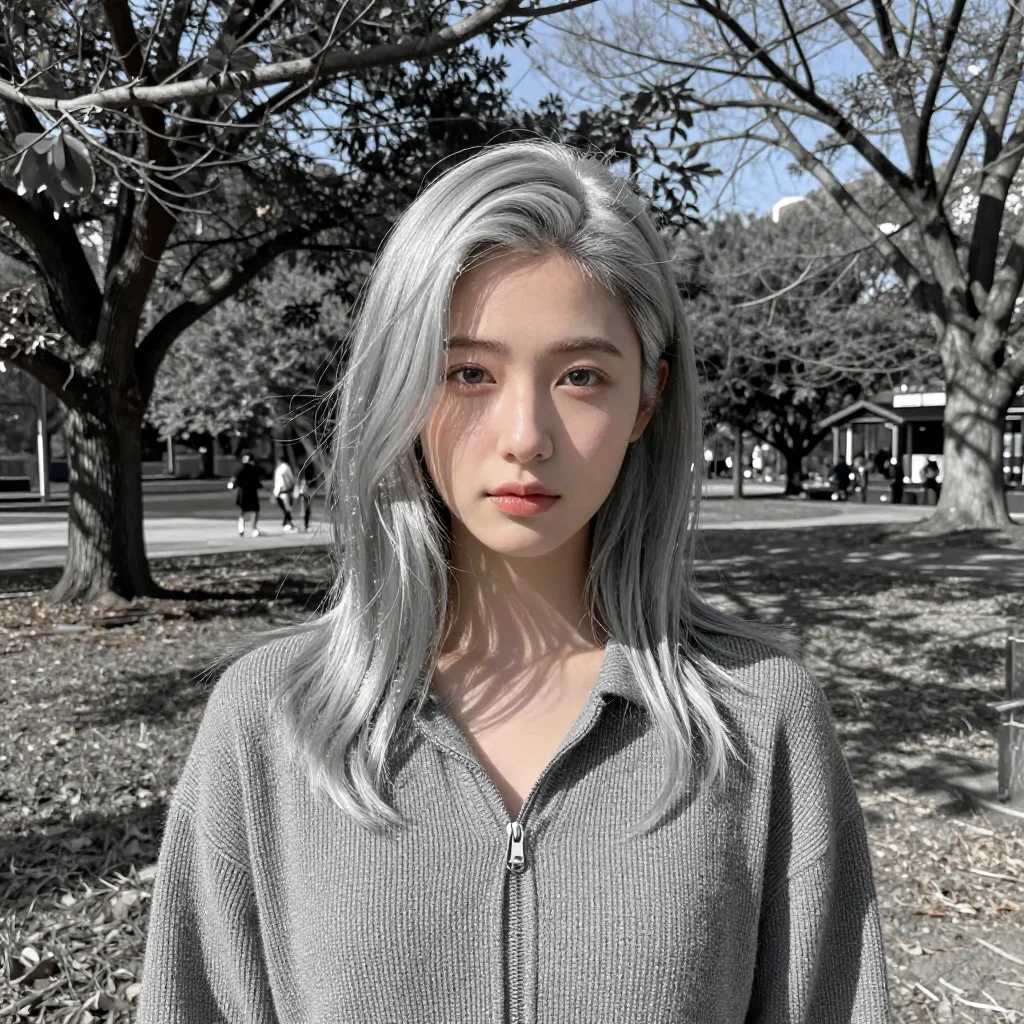 |
Observation: Saturation dramatically drops in all 3 — nearly monochrome. Contrast is higher than control with strong highlights and shadows. This matches bleach bypass’s “silver retention” characteristics of low saturation and high contrast. However, all 3 show the subject’s hair changing to silver/white — the “desaturated” specification affected the hair color itself. Subject facial features also differ from control, looking like a different person of East Asian appearance.
Summary
| Condition | Technique Accuracy | Subject Quality | Stability | Recommendation |
|---|---|---|---|---|
| A00: Control | Baseline | Baseline | 3/3 | Baseline |
| A01: Double exposure | Low (subject duplication) | Slightly degraded | 3/3 | × |
| A02: High-speed photography | Medium (water splash) | Good | 3/3 | △ |
| A03: Infrared photography | High (leaf whitening, dark sky) | Slightly flat | 3/3 | ◎ |
| A04: Lens flare | High (streaks, ghosts) | Good | 2/3 | ○ |
| A05: Prism photography | Low (becomes a prop) | Good | 0/3 * | × |
| A06: Bleach bypass | Medium (low sat, high contrast) | Hair color change | 3/3 | △ |
- Prism photography stability 0/3 note: Rainbow reflections do project onto skin, but reproduction as a shooting effect (frame distortion, chromatic aberration from placing a prism in front of the lens) was 0/3.
Recommended Prompts
The two techniques that stably produce the intended effects are infrared photography and lens flare.
Leaf whitening and sky darkening are stably reproduced in 3 out of 3. Works well with outdoor scenes rich in vegetation.
Light streaks and rainbow-colored ghosts are added in backlit scenes. The low impact on subject quality is also an advantage.
Double exposure and prism photography produce descriptions different from the intended effects and are currently not practical. Bleach bypass functions as color tone control, but the significant side effects on hair color and facial features require caution when subject identity consistency is important.
![[Experiment] Film Simulation and Shooting Style Comparison | 10 Conditions, 30 Images](/tips/film-simulation-comparison/b05_cinematic_s2_0_0000_4517457392071889496.webp)

