Conclusions First
upward gazewas the only effective condition for reproducing sanpaku eyes (where the iris sits high and white is visible below). In all 3 images, the iris moved upward and white sclera was visible beneath itsanpaku/sanpaku eyesare direct terms but had almost no effect in z-image-turbo. Iris position was nearly identical to the controlthree whitesinterpreted “three” as a quantity and caused a critical side effect — multiple faces generated in a grid layoutlower whitecaused the framing to shift downward, cutting the eyes out of framecold stare/dead eyes/intense stareaffect expression (neutral/emotionless) but did not change iris position
Experiment Design
| Parameter | Value |
|---|---|
| Model | z-image-turbo (6B, photorealistic distilled) |
| Steps | 8 |
| Sampler | euler |
| Scheduler | ddim_uniform |
| CFG | 1.0 |
| Size | 1024x1024 |
| Seeds | 3 fixed (consistent across all conditions) |
| Per condition | 3 images (3 seeds) |
| Total | 9 conditions = 27 images |
Base Prompt
upper body + frontal composition was used to allow clear observation of iris position.
A00: control (no keyword)
| seed 1 | seed 2 | seed 3 |
|---|---|---|
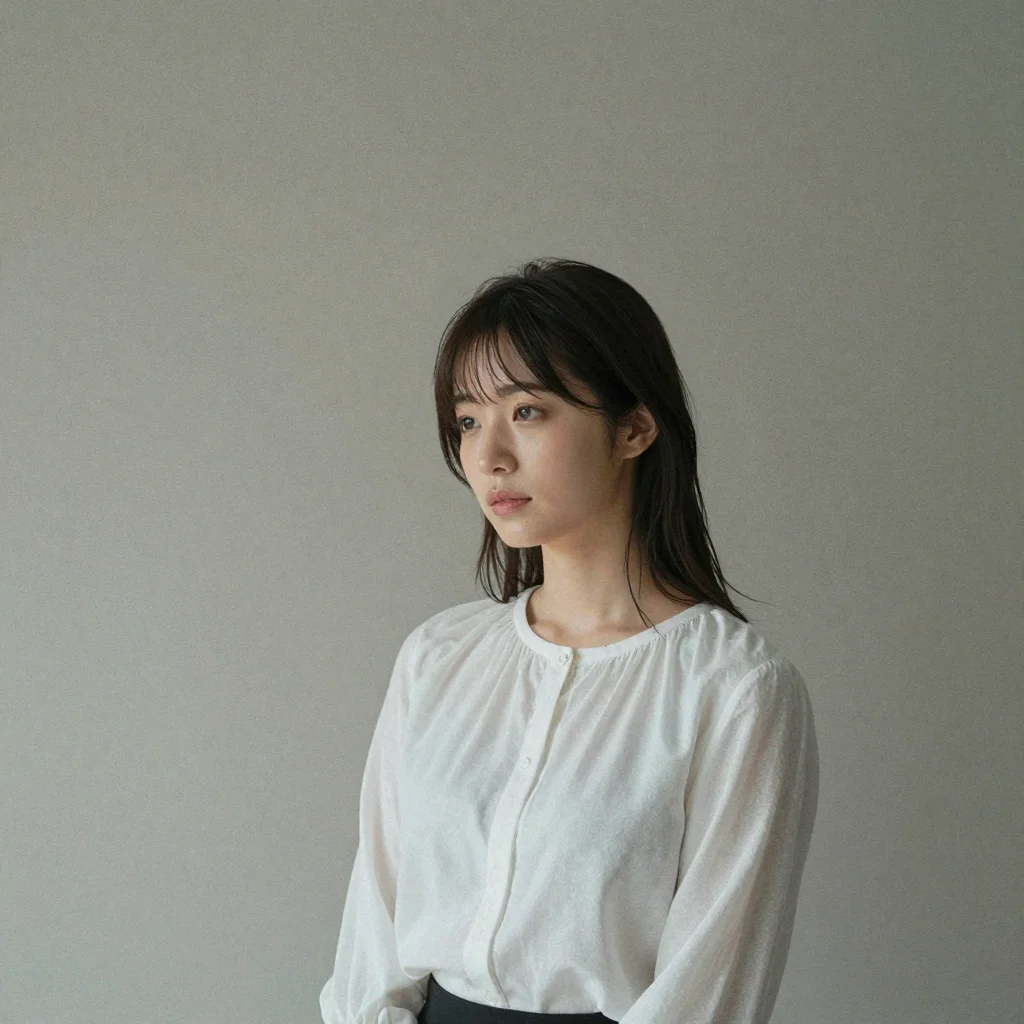 | 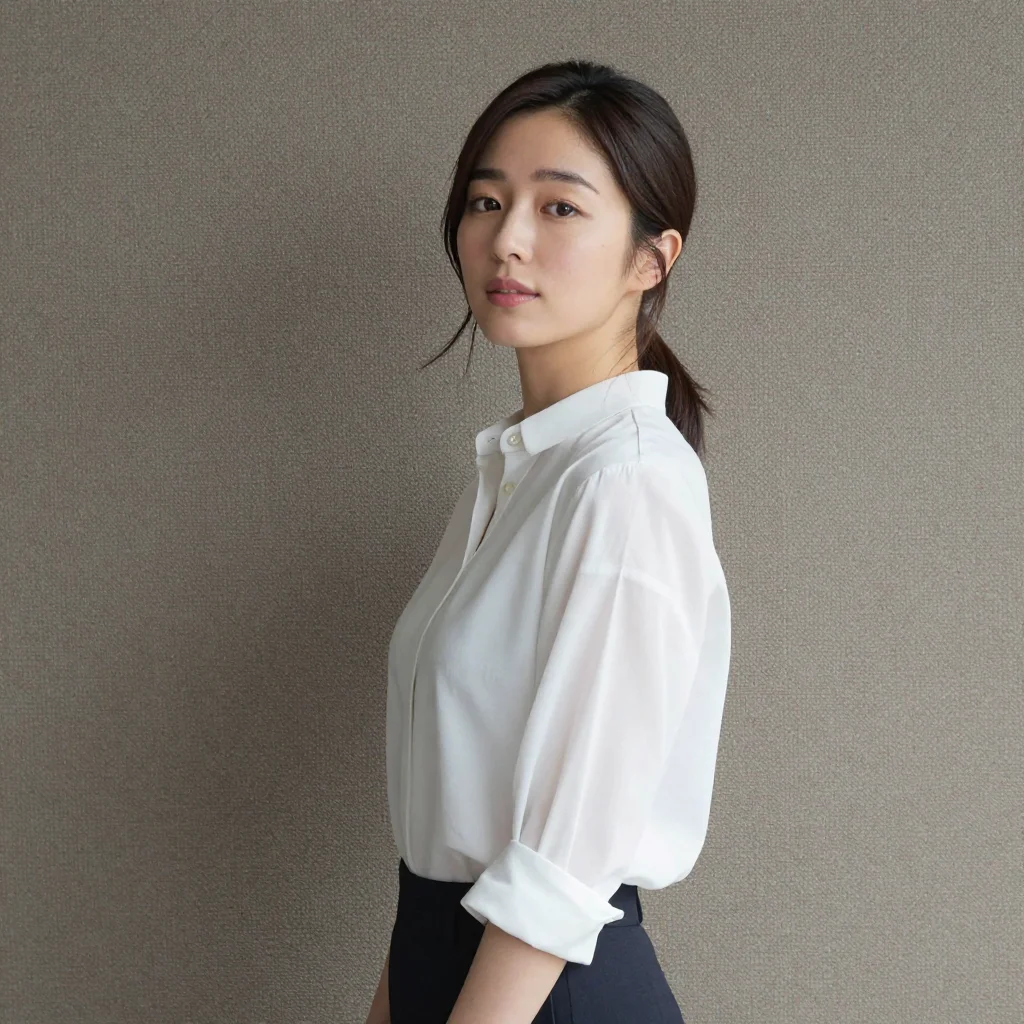 | 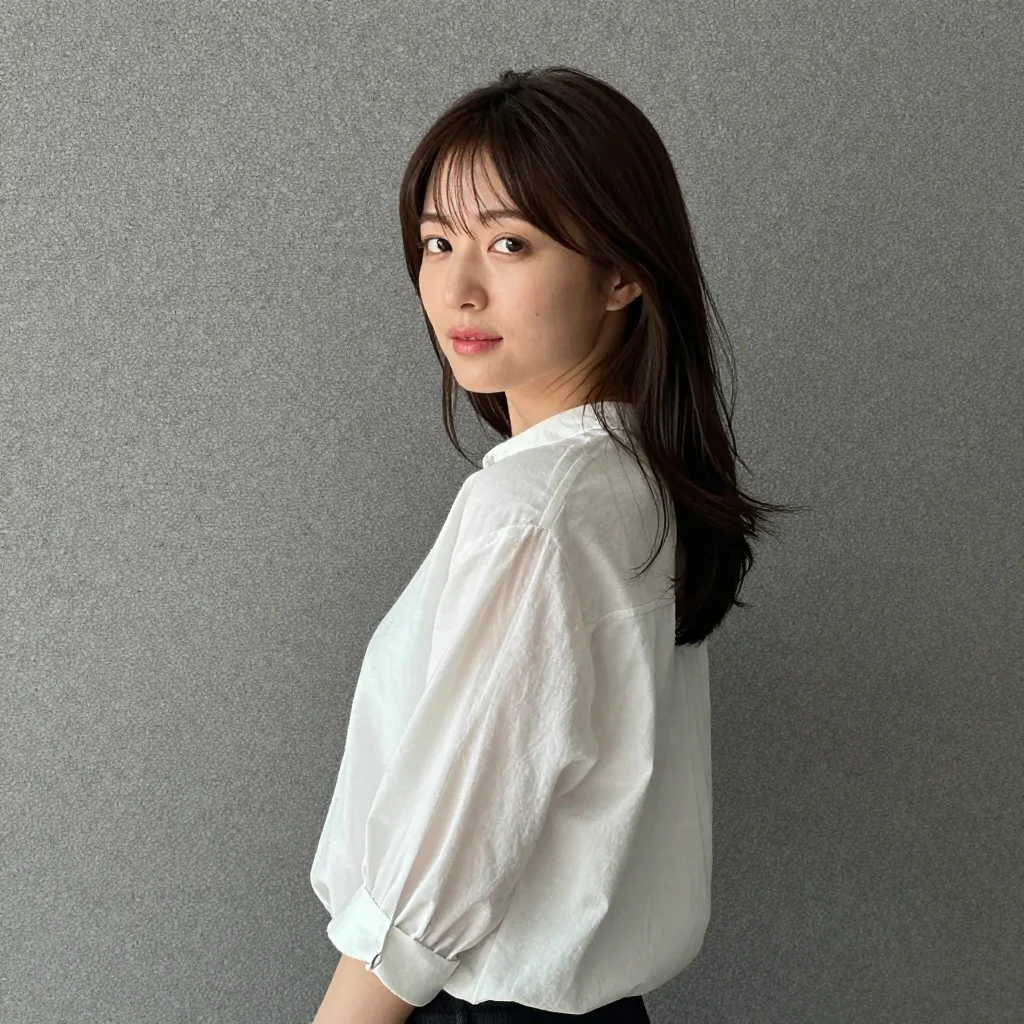 |
Observation: In all 3 images, the iris is positioned near the center of the eye — no white visible below. s1 is looking slightly to the right; s2 and s3 have the body angled sideways with the face turned toward camera. Expression is natural and calm.
A01: sanpaku
| seed 1 | seed 2 | seed 3 |
|---|---|---|
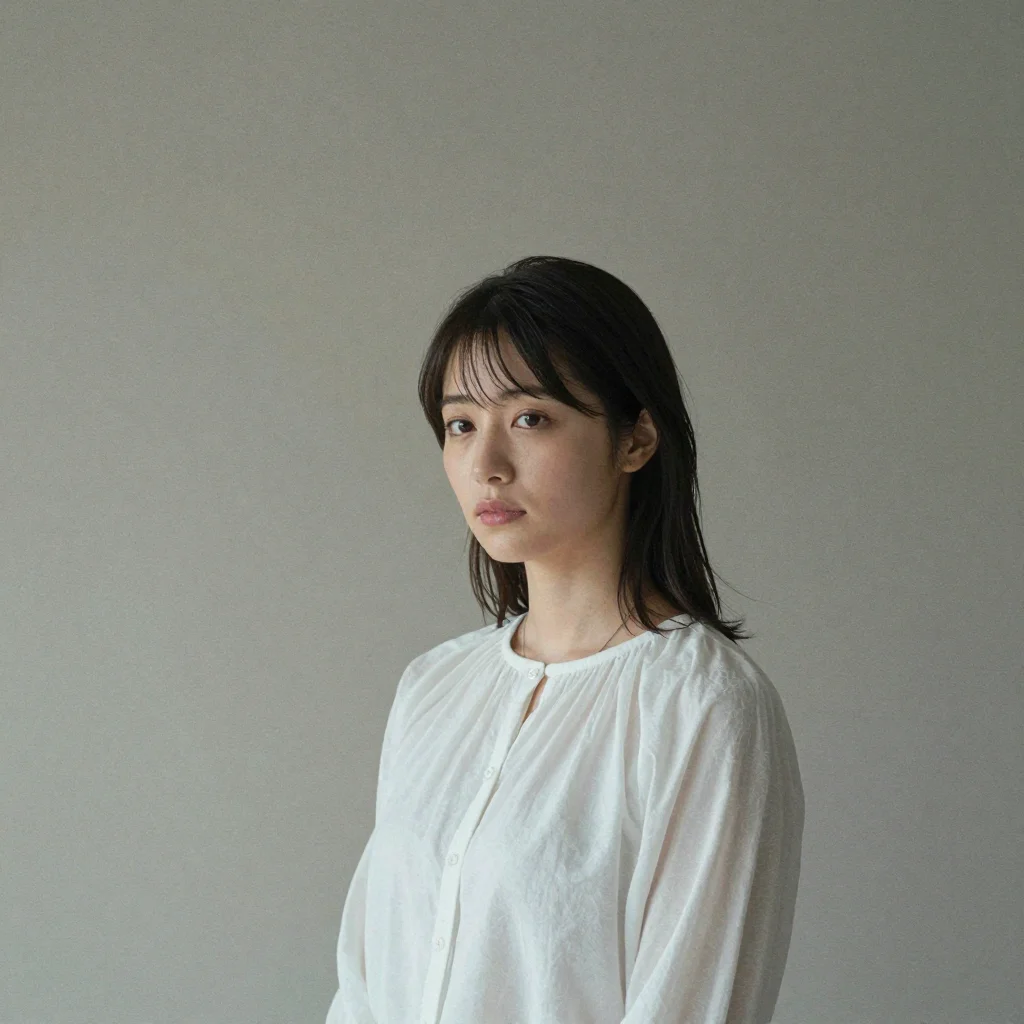 |  | 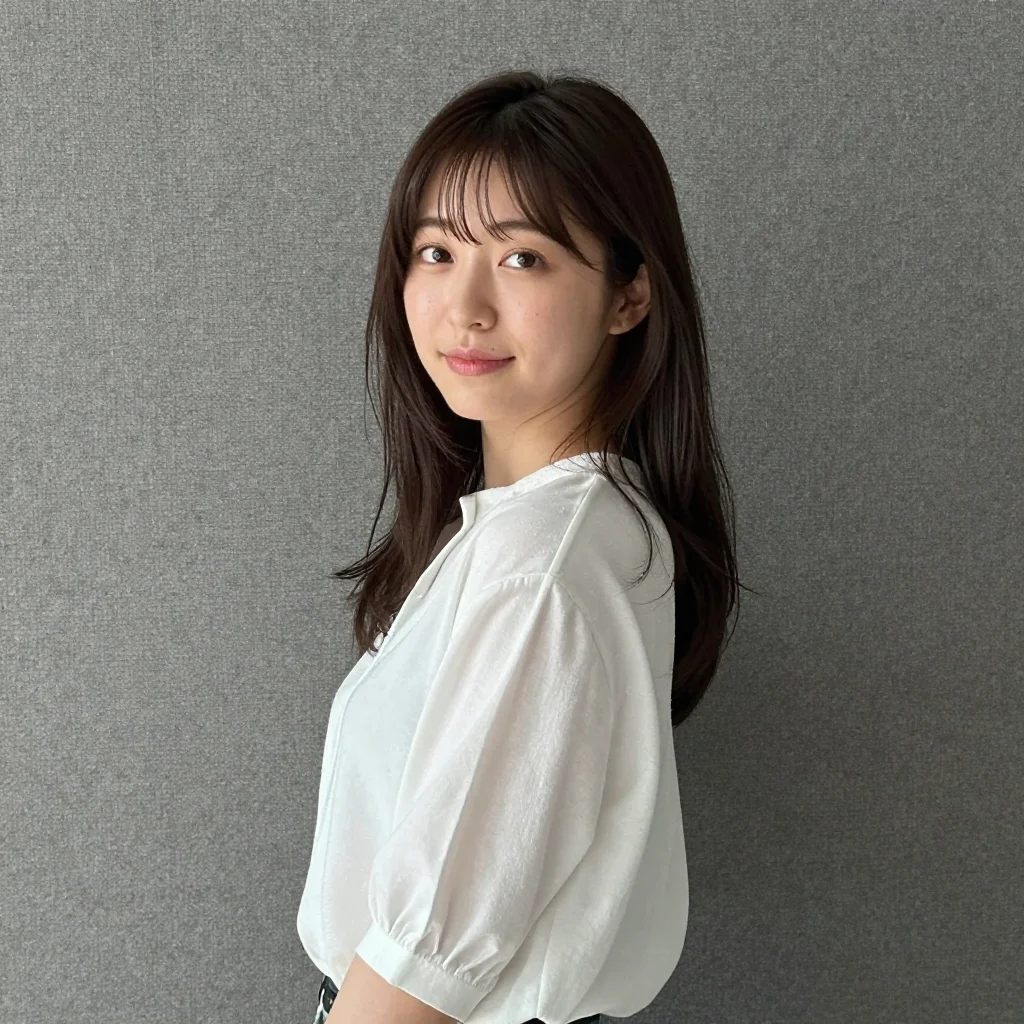 |
Observation: No clear change in iris position across all 3 images compared to control. s1 and s2 have nearly identical composition and expression to control, with iris centered. s3 shows a slight smile not seen in the control, but no white sclera below the iris. sanpaku alone does not appear to communicate the concept of sanpaku eyes to z-image-turbo.
A02: sanpaku eyes
| seed 1 | seed 2 | seed 3 |
|---|---|---|
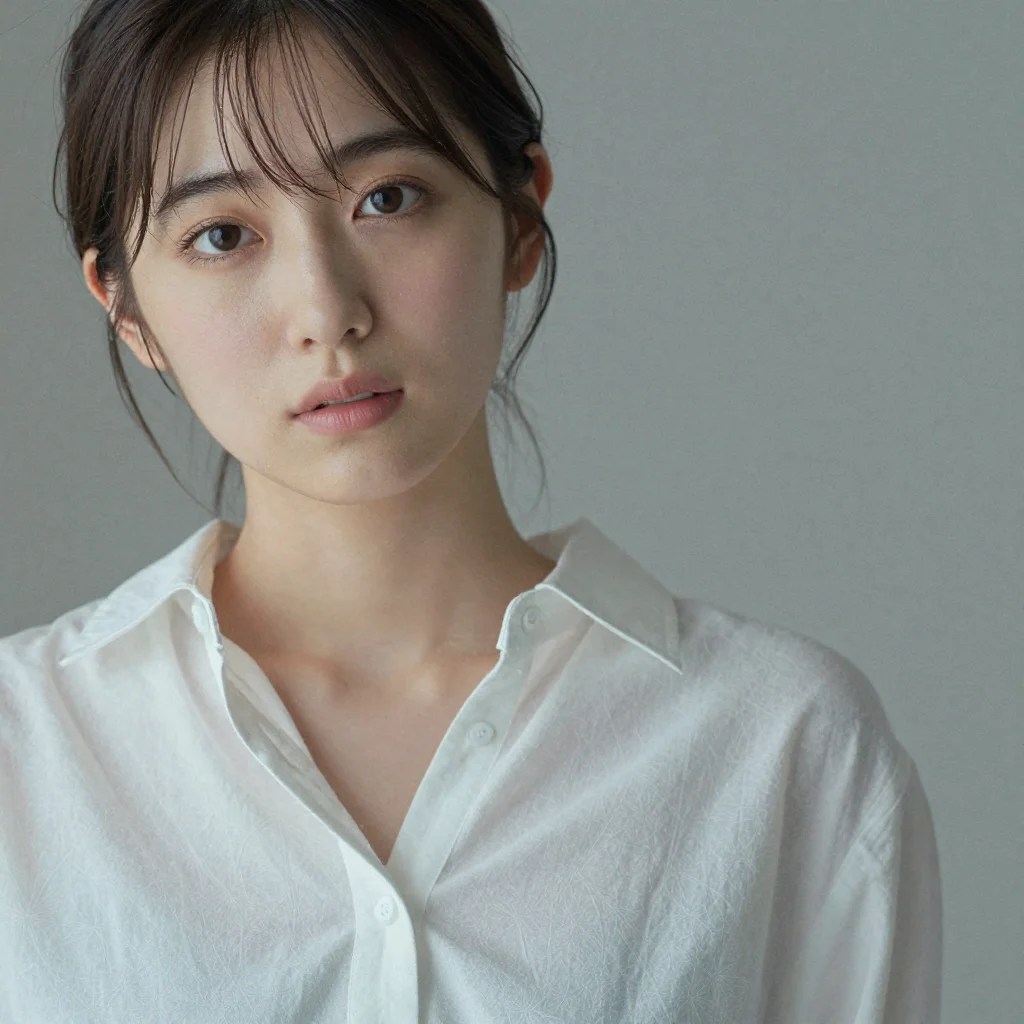 | 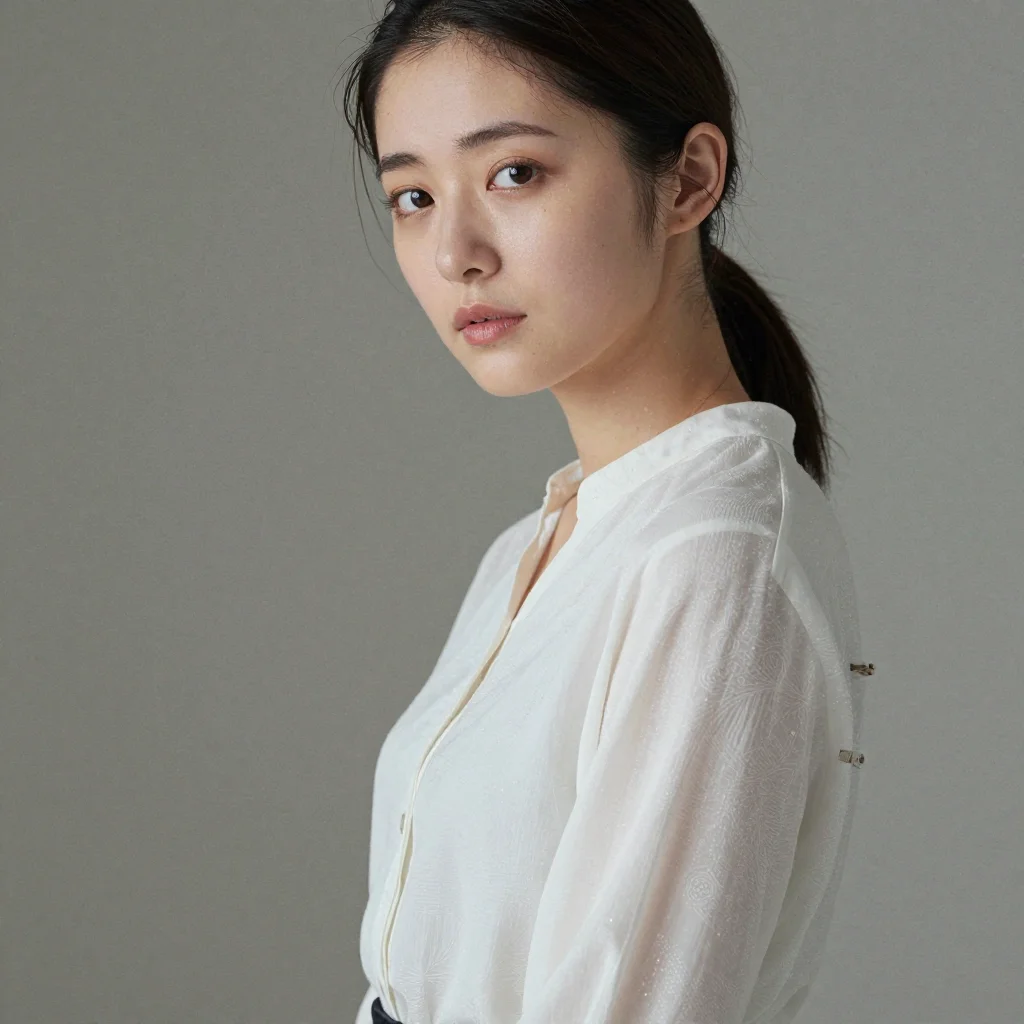 | 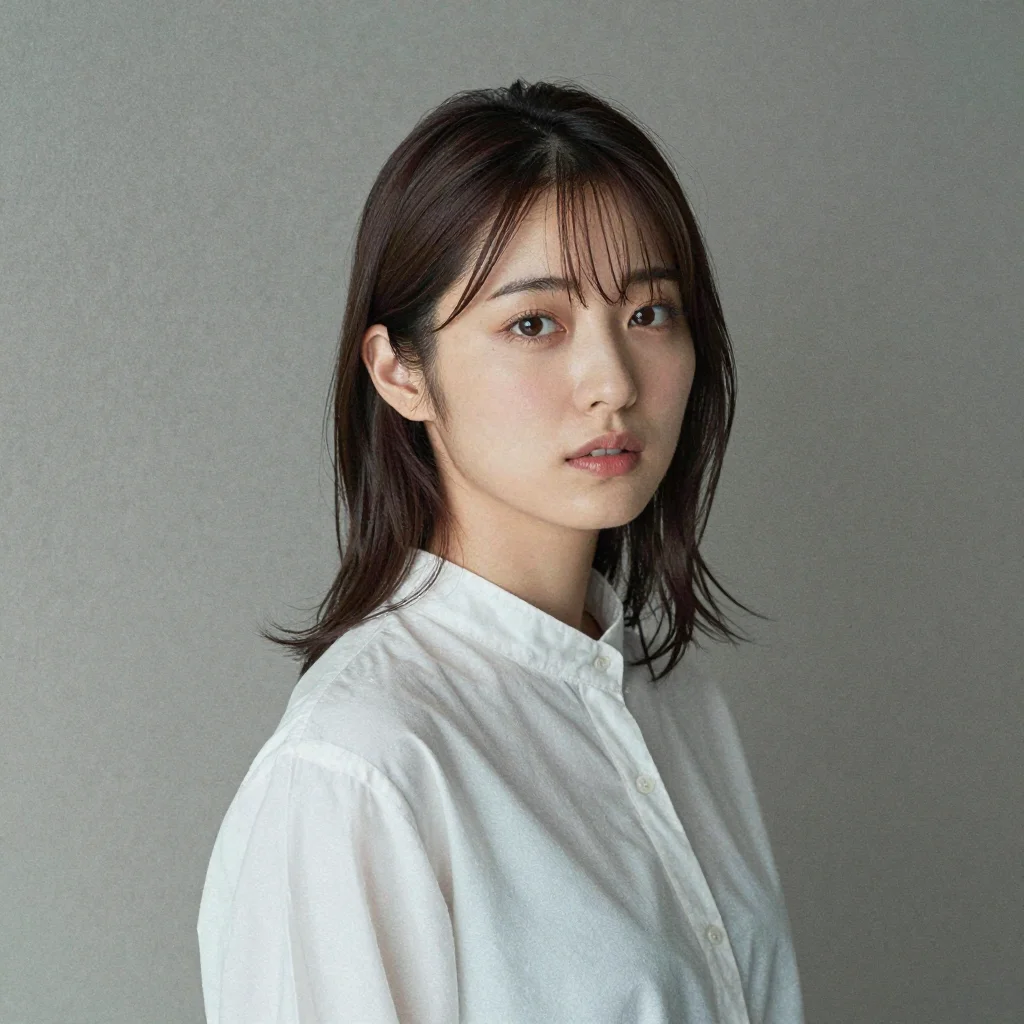 |
Observation: s1 shows a tighter crop of the face with slightly wider open eyes, but iris remains centered. s2 has the body angled sideways looking back at the camera — the iris sits slightly higher than center and a faint lower white is barely visible. s3’s iris position is nearly the same as control. A slight effect was confirmed in 1 out of 3 images, but reproducibility is low.
A03: three whites
| seed 1 | seed 2 | seed 3 |
|---|---|---|
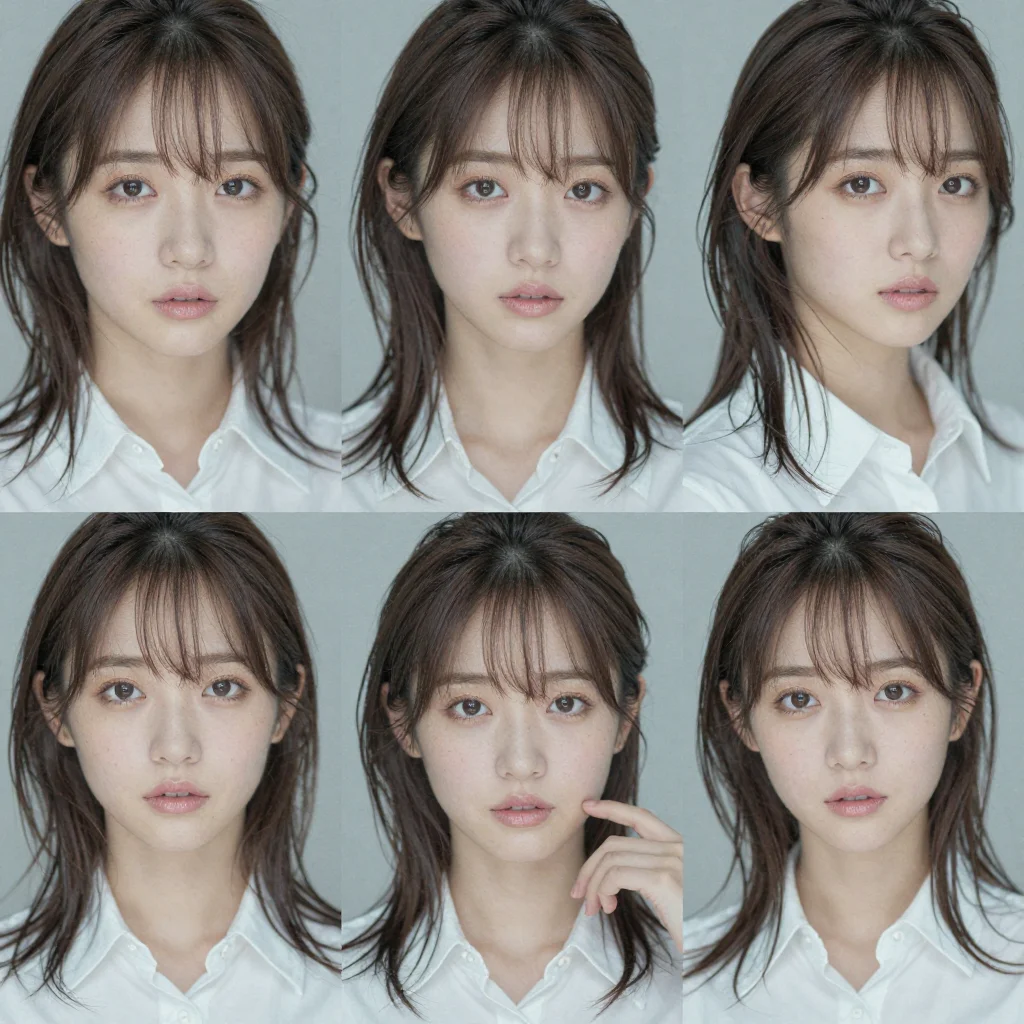 | 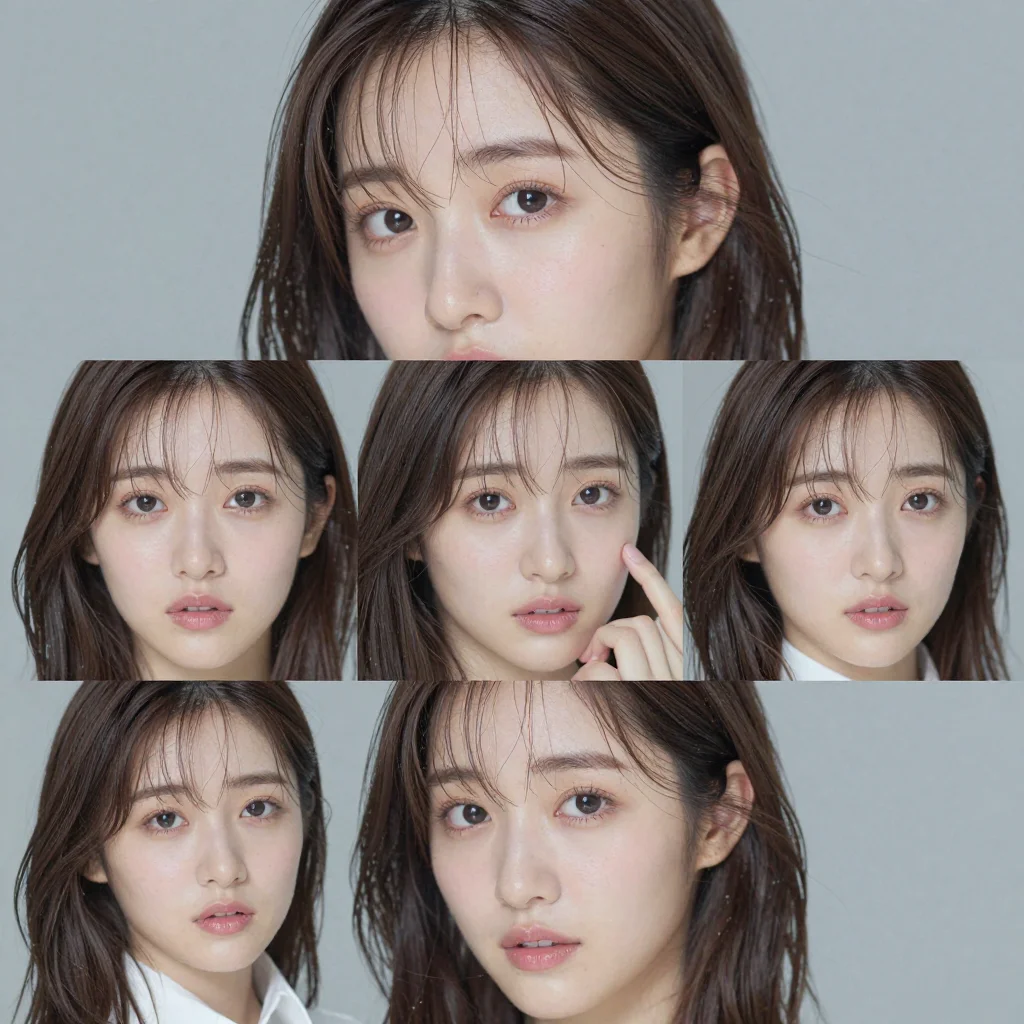 | 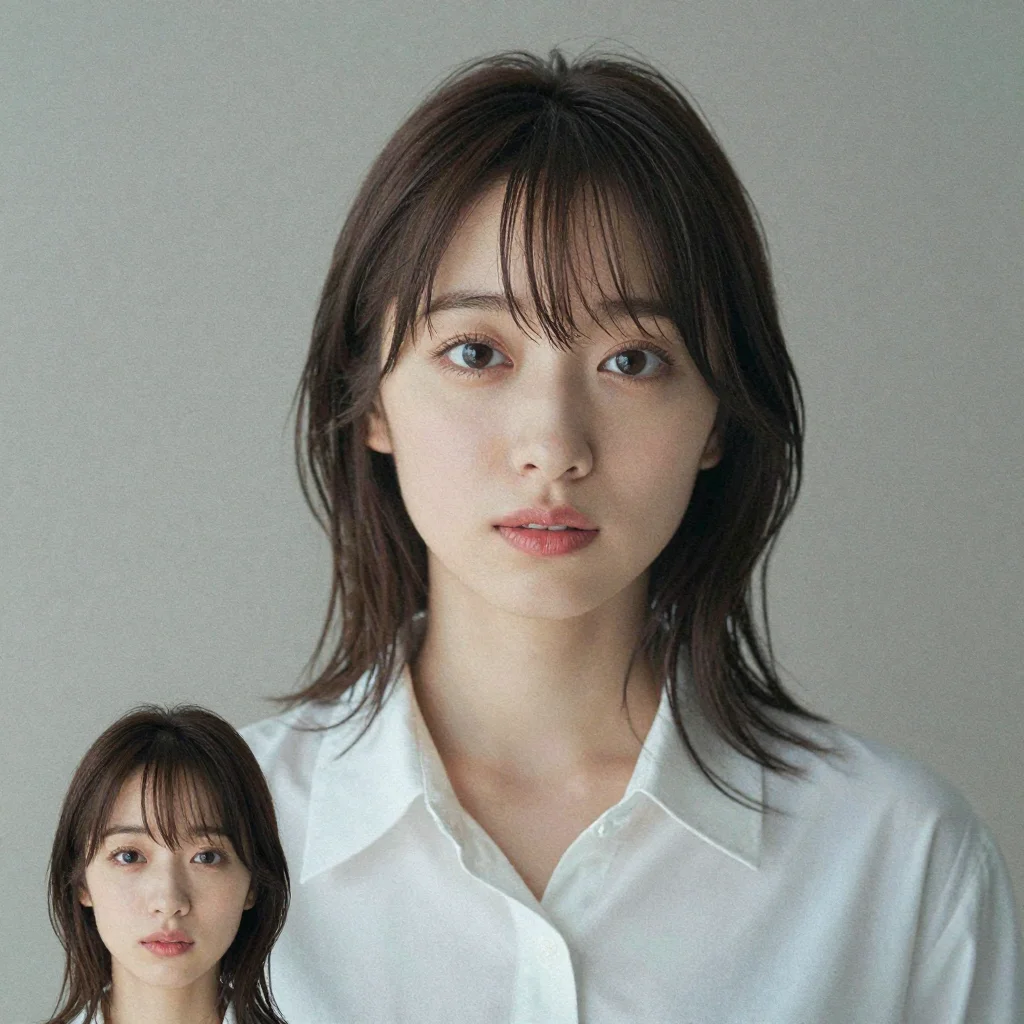 |
Observation: Critical side effects in all 3 images. s1 shows a collage of 6 faces in a grid, s2 similarly shows a 6-panel grid, and s3 generates 2 people of different sizes in one image. “Three” is interpreted as a quantity, producing multiple subjects. The iris position of individual faces is normal — no sanpaku characteristics. Not usable for sanpaku purposes.
A04: lower white
| seed 1 | seed 2 | seed 3 |
|---|---|---|
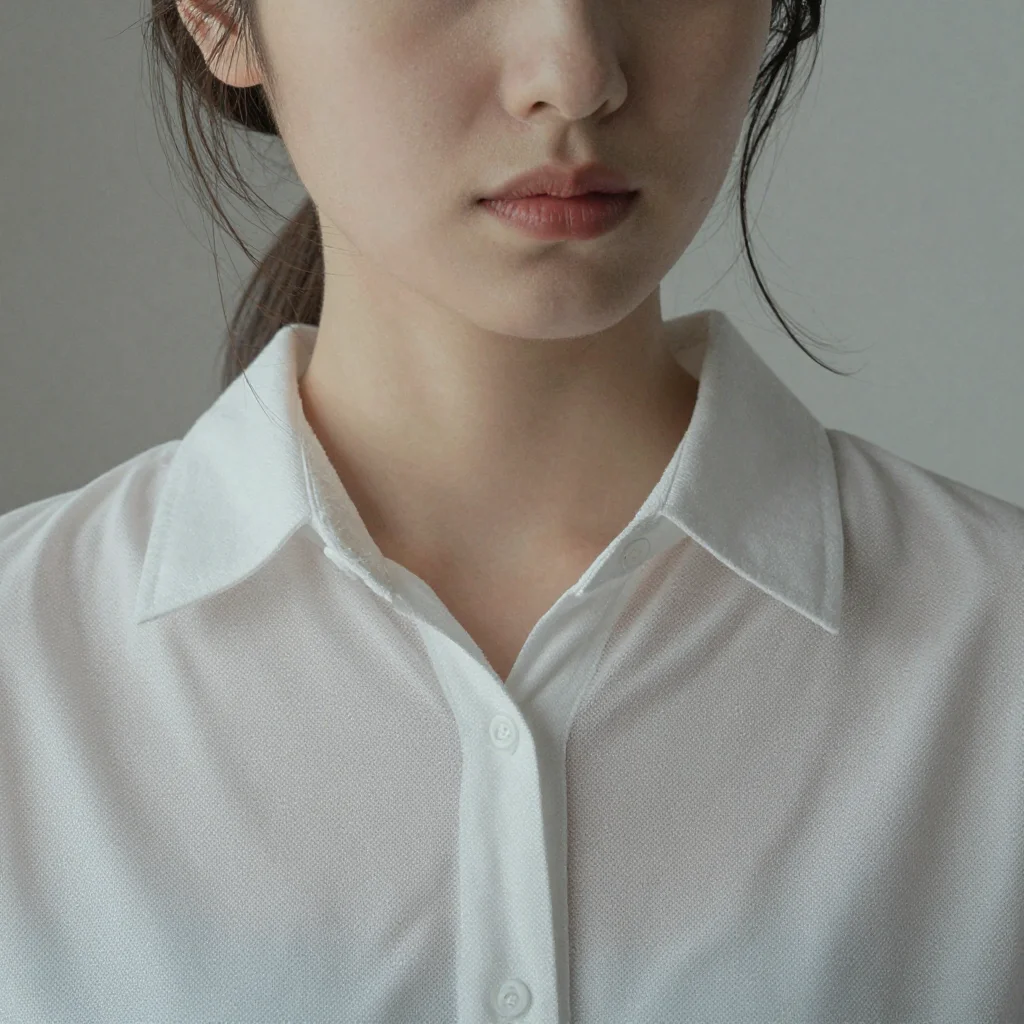 | 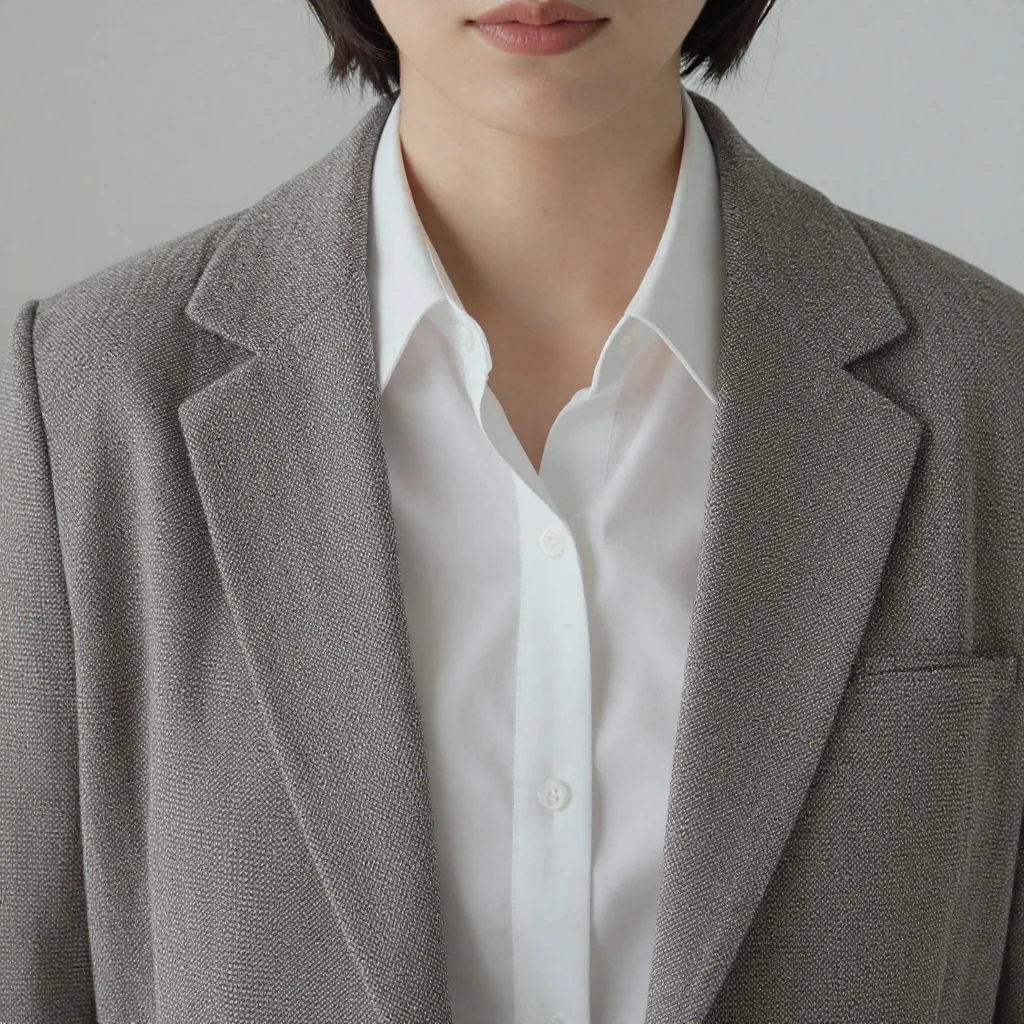 | 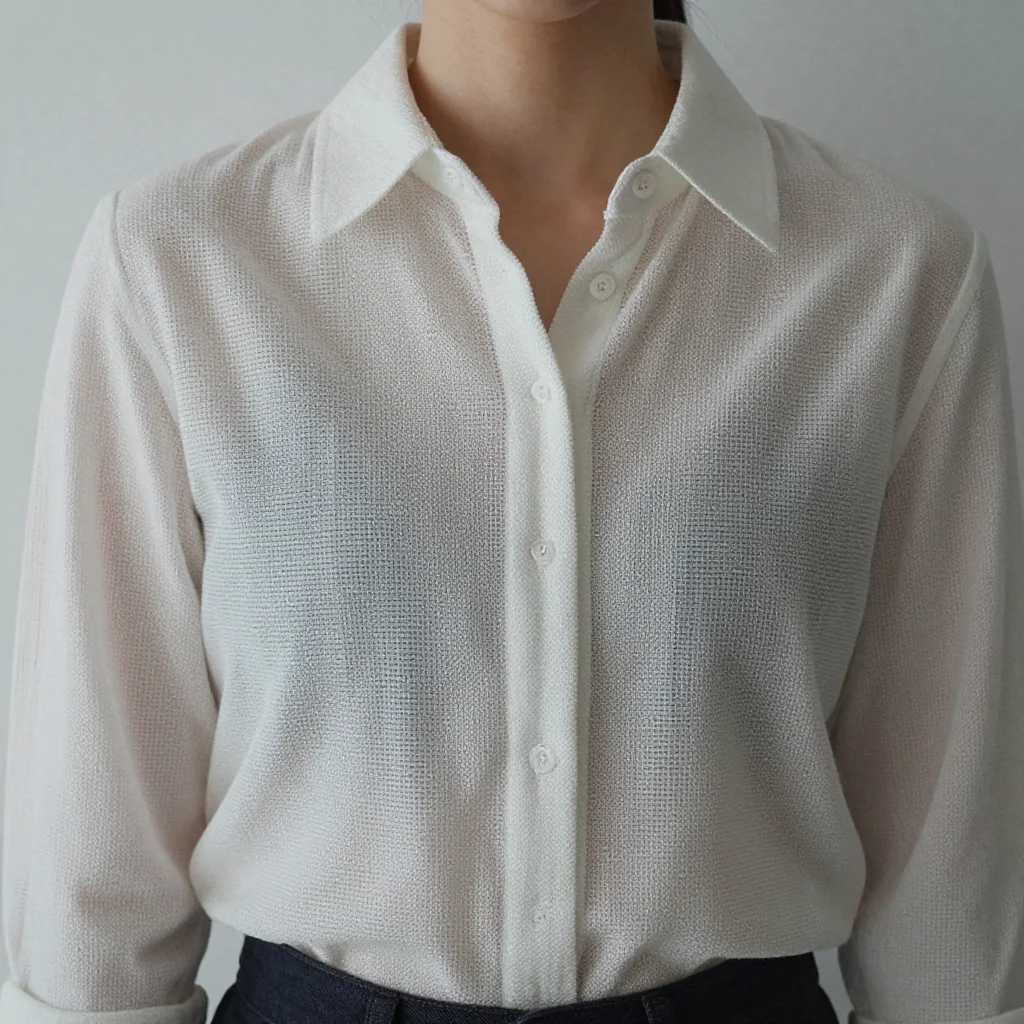 |
Observation: In all 3 images, the framing shifts dramatically downward, cutting the eyes out of frame. s1 shows only the area from the mouth down, s2 shows the chin and neckline area, and s3 shows only the upper body from the neck down. “Lower” was interpreted as a compositional directive, causing the camera framing itself to drop. With no eyes visible, evaluating iris position is impossible.
A05: upward gaze
| seed 1 | seed 2 | seed 3 |
|---|---|---|
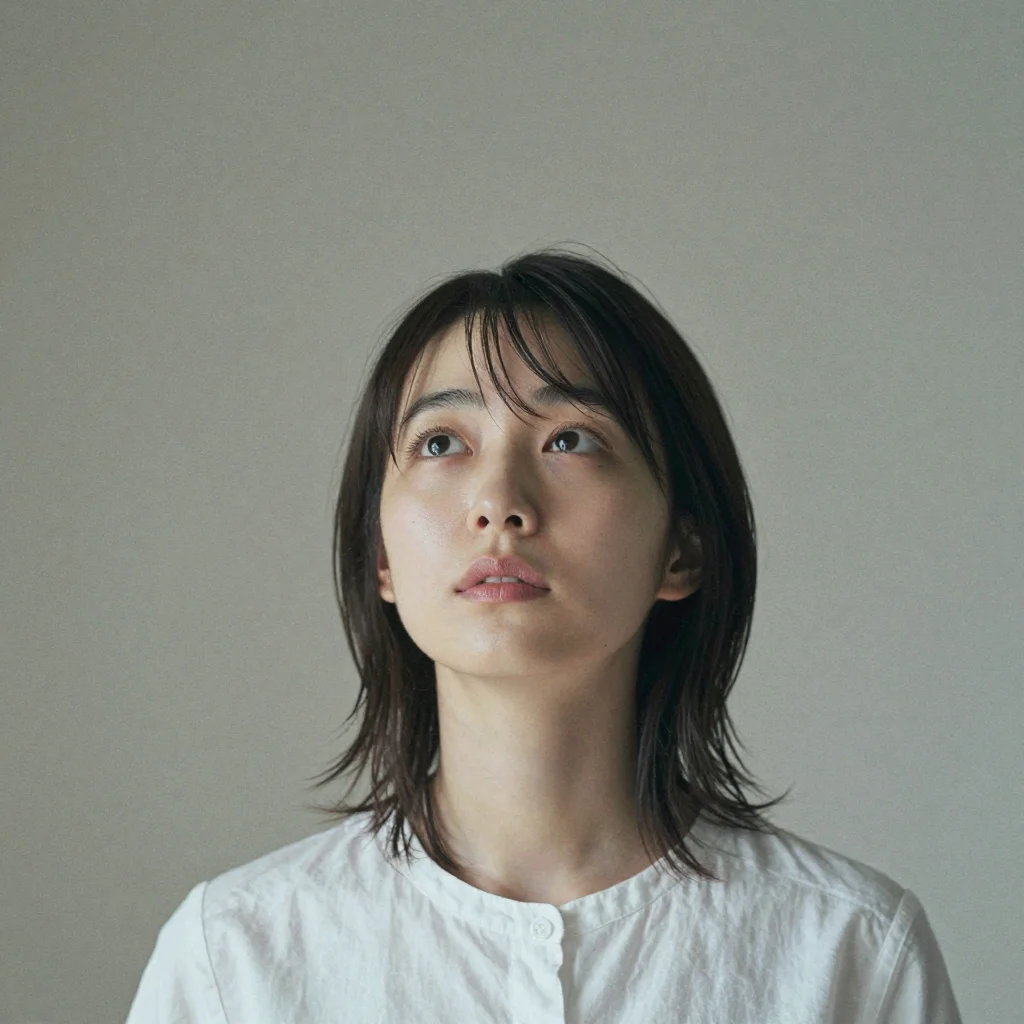 | 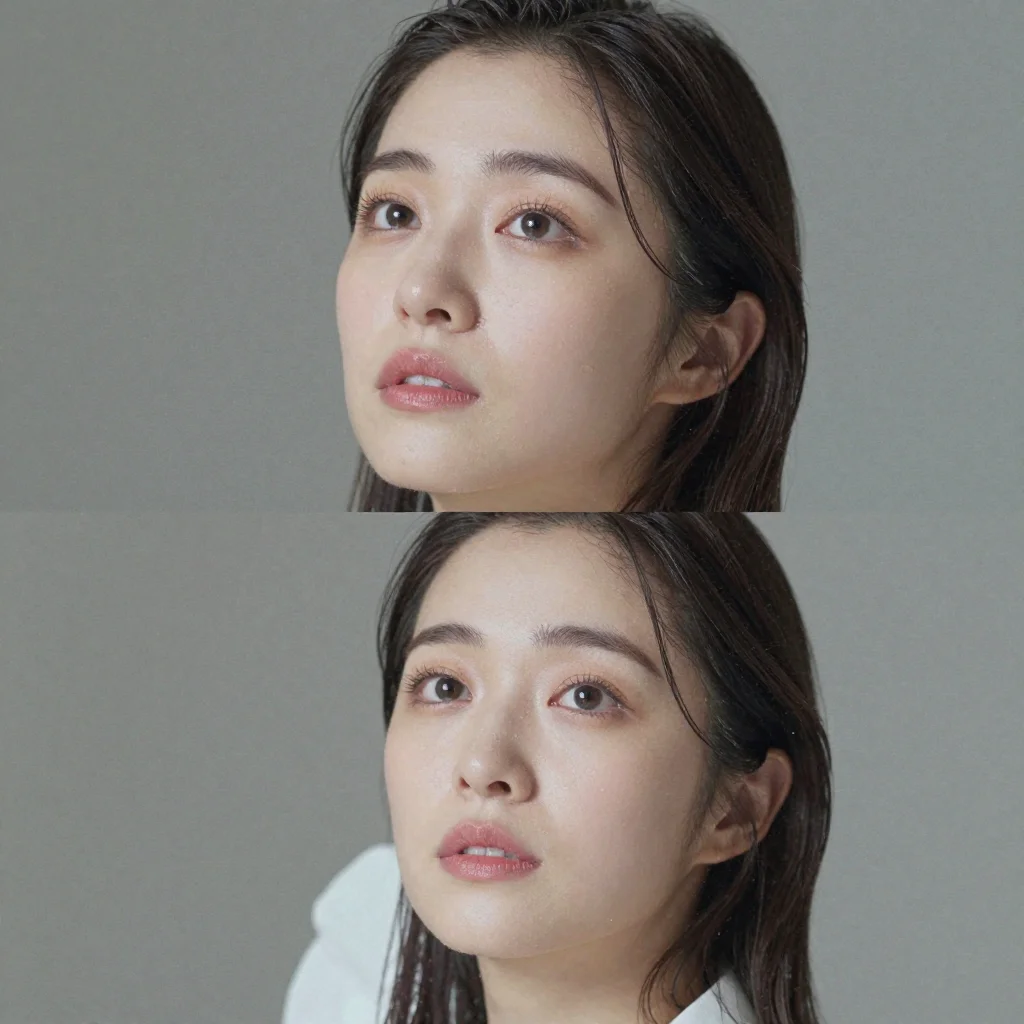 | 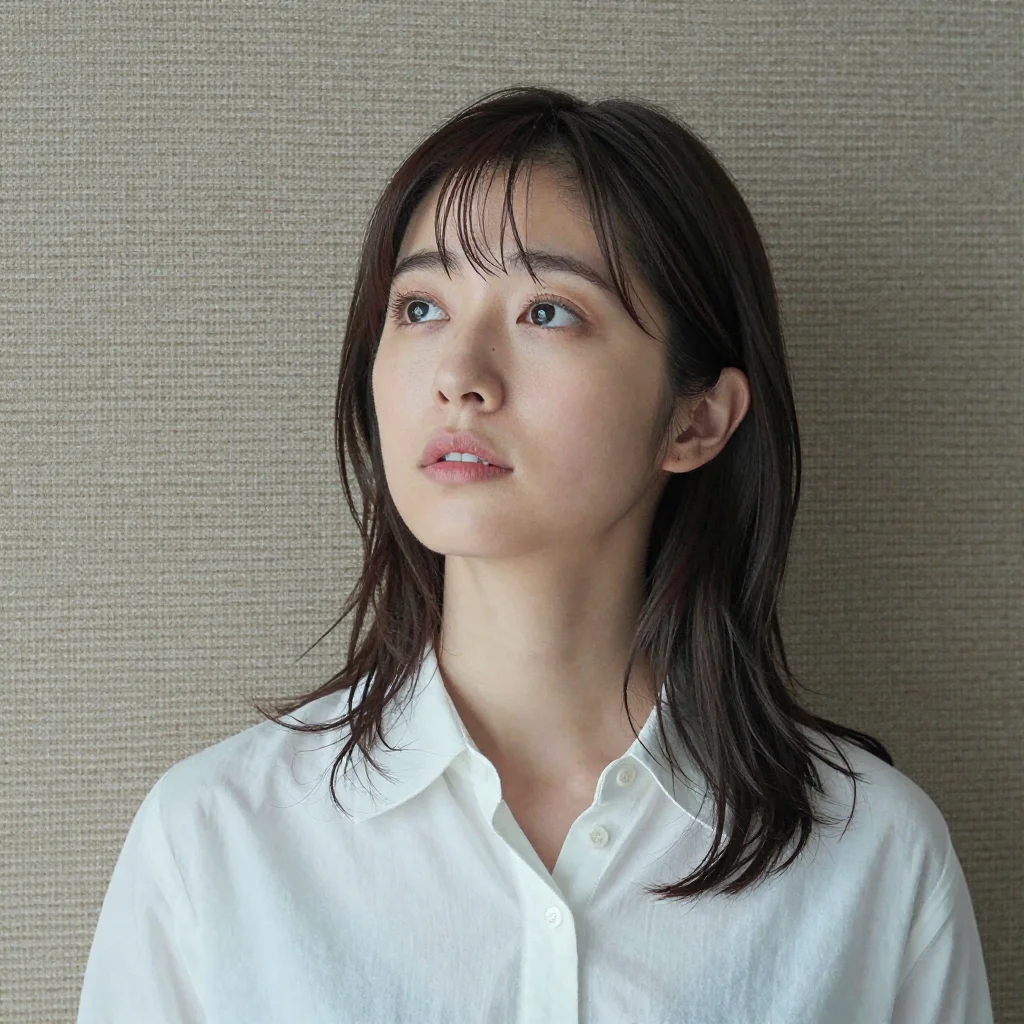 |
Observation: In all 3 images, the iris clearly shifts upward and lower white sclera is visible — sanpaku is reproduced. s1 faces forward but gaze alone is directed upward, with clearly visible lower white. s2 and s3 have the face tilted slightly upward, but in both cases the iris sits high in the eye with lower white exposed. This condition shows the most clear change in iris position compared to control. As a side effect, s3 shows a change in hair length.
Note: The lower white sclera for sanpaku is clearly reproduced here. Notably, the direct term
sanpakuhas no effect, while the indirectupward gazeachieves the intended visual effect — paraphrasing visual traits is an effective workaround.
A06: cold stare
| seed 1 | seed 2 | seed 3 |
|---|---|---|
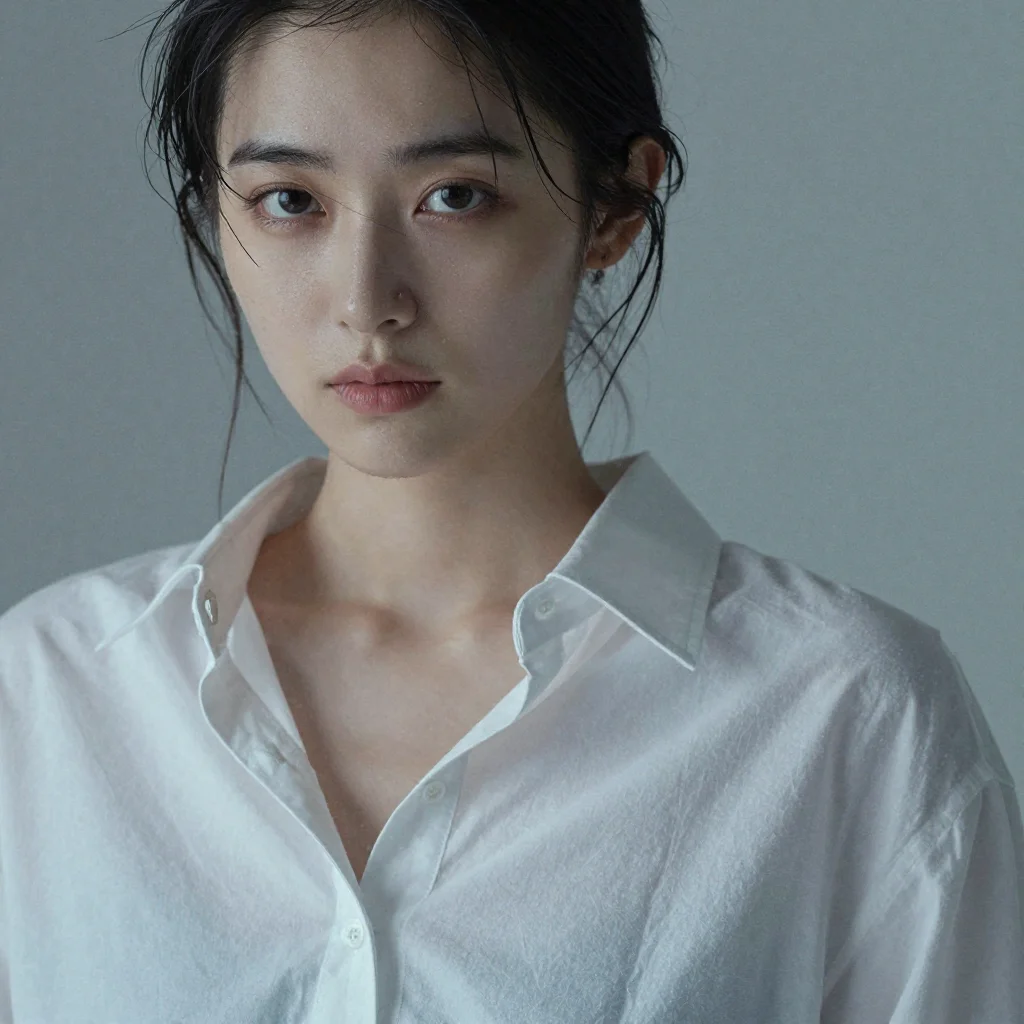 | 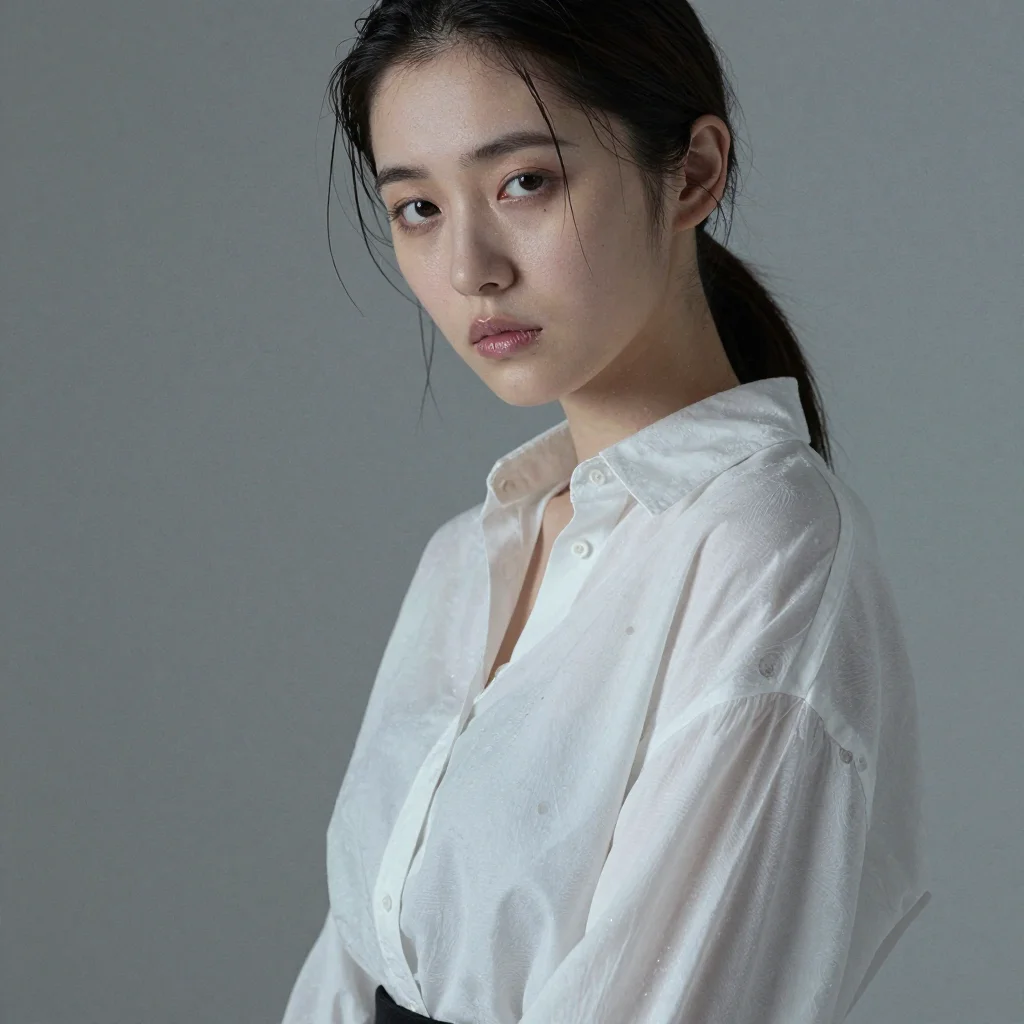 | 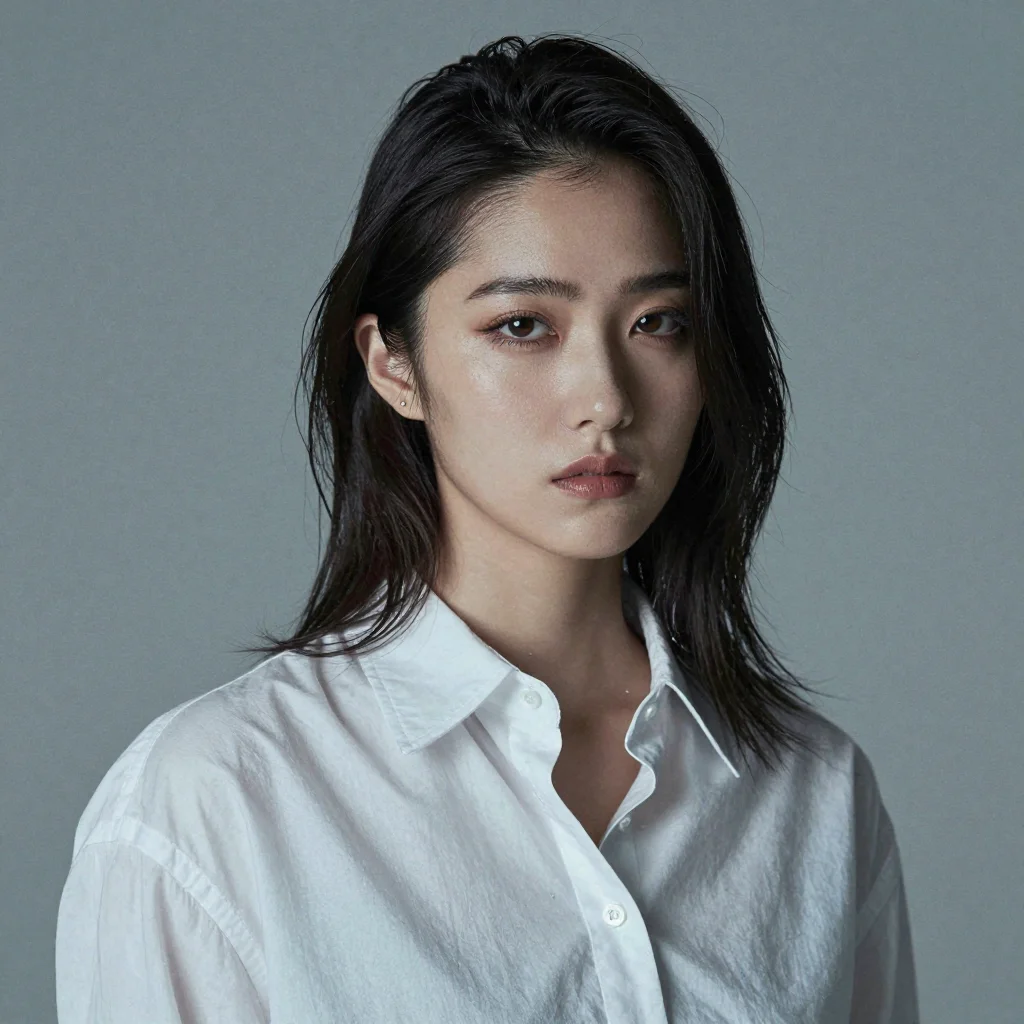 |
Observation: Iris position remains near center in all 3 images — no lower white visible. The difference from control is in expression: all 3 show a neutral, closed-mouth expression without the softness of the slight smile in control s3. s1 is cropped slightly closer, s2 has the body angled sideways with a slightly sharper gaze. No effect on gaze direction or iris position — not usable for sanpaku reproduction.
A07: dead eyes
| seed 1 | seed 2 | seed 3 |
|---|---|---|
 | 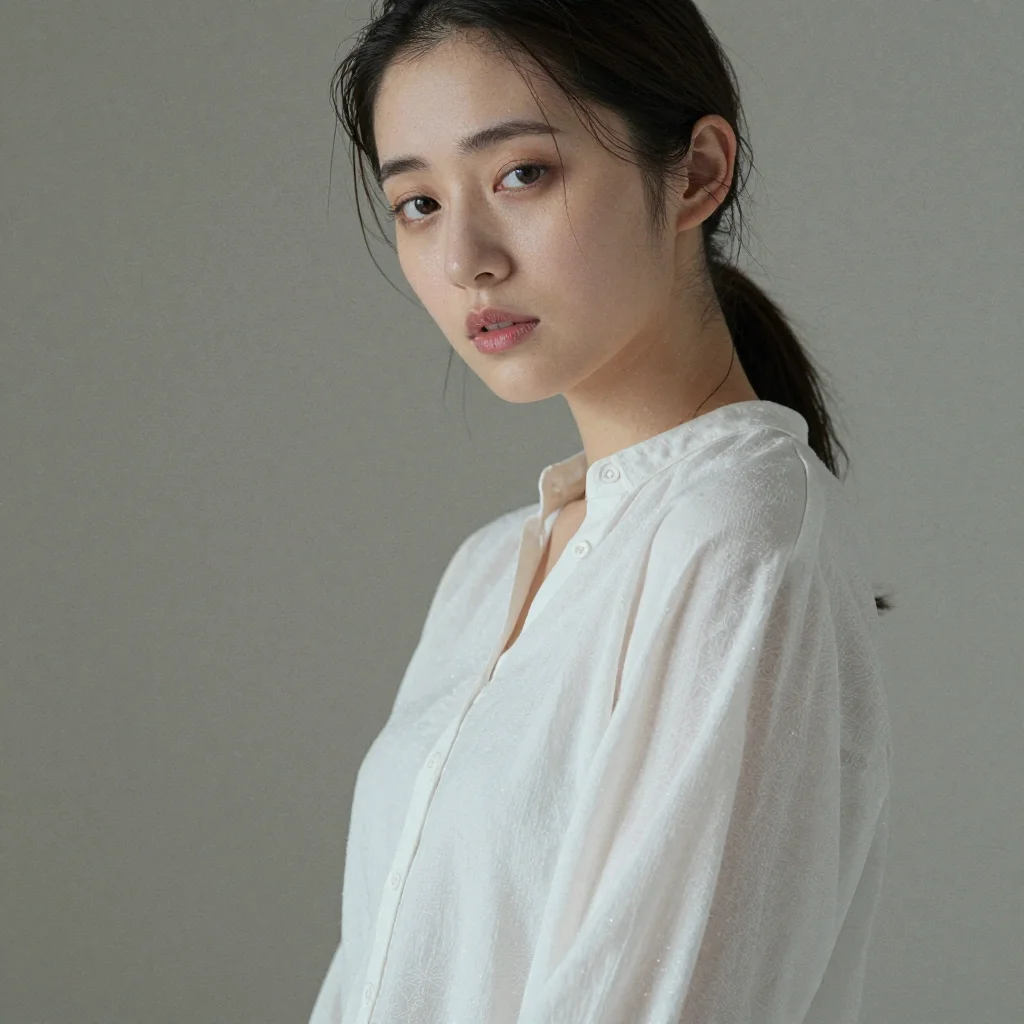 | 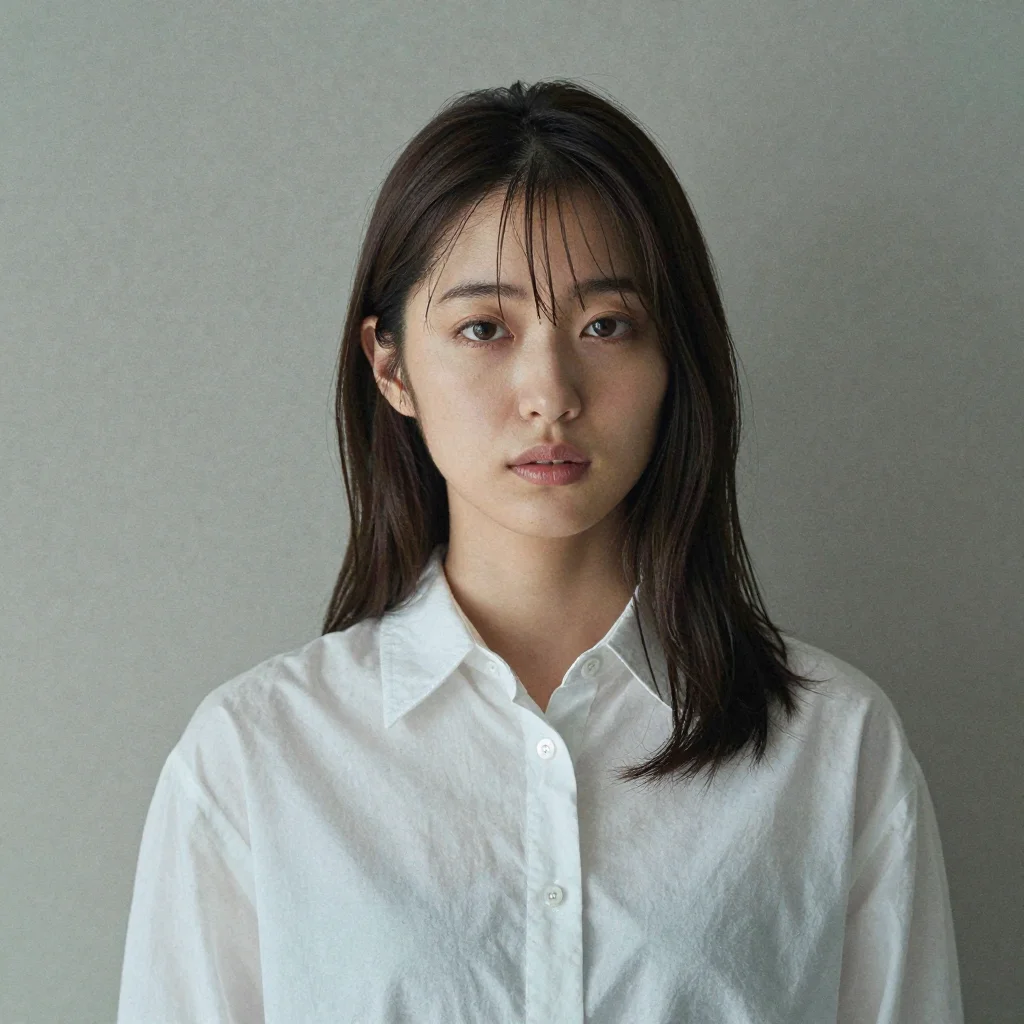 |
Observation: Iris centered in all 3 — no lower white. Difference from control is in expression: all 3 show a near-expressionless face. s1 faces forward with a rigid expression, s2 is expressionless facing forward, s3 similarly shows an unreadable expression. Compared to control, the smile and eye movement are gone — expressions trend flat. However, no change in iris position, so this doesn’t contribute to sanpaku reproduction.
A08: intense stare
| seed 1 | seed 2 | seed 3 |
|---|---|---|
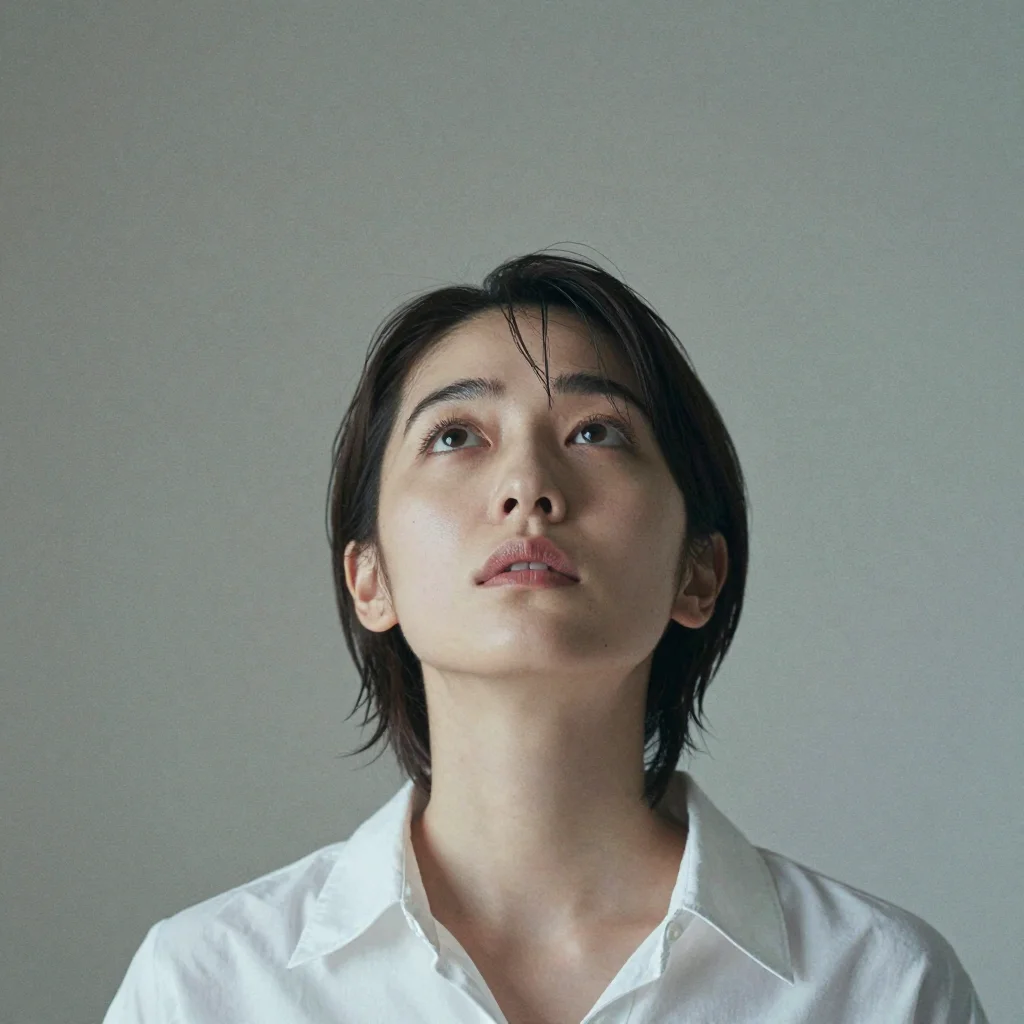 | 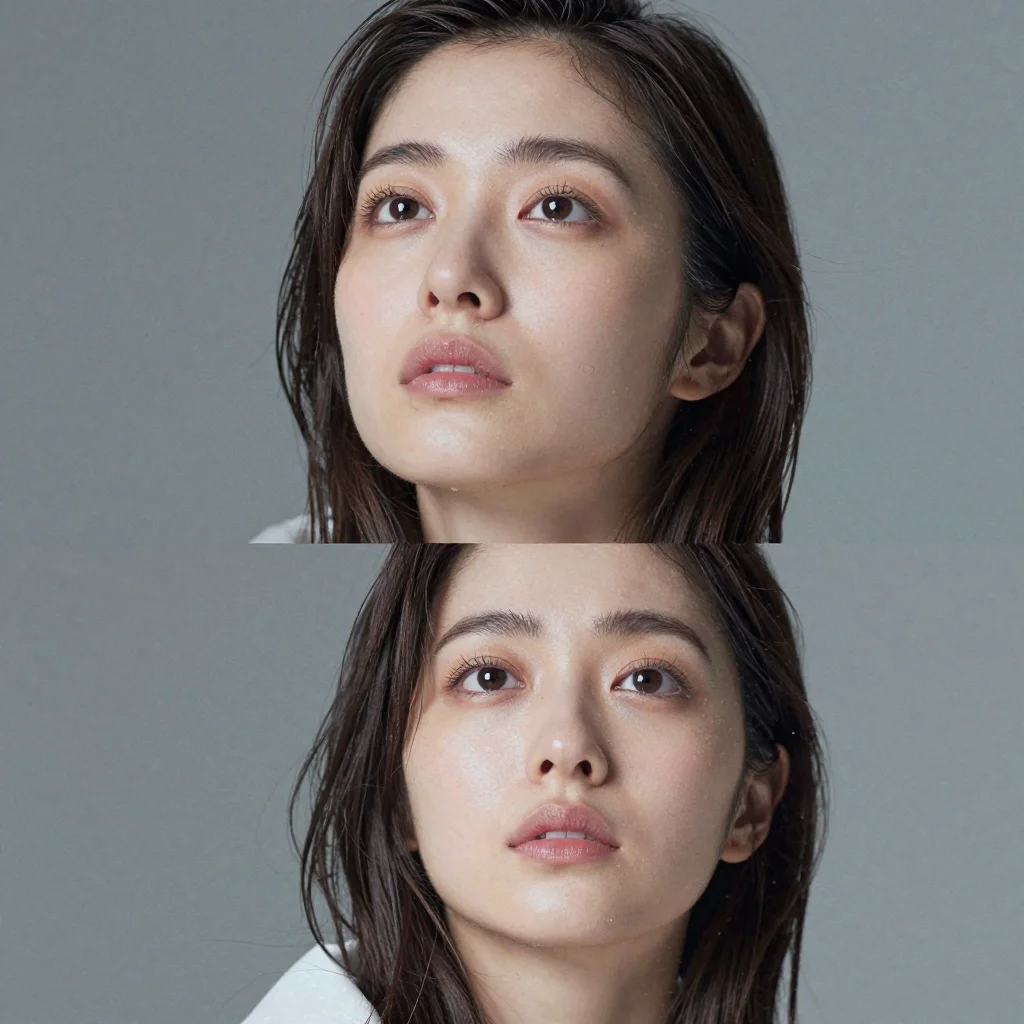 | 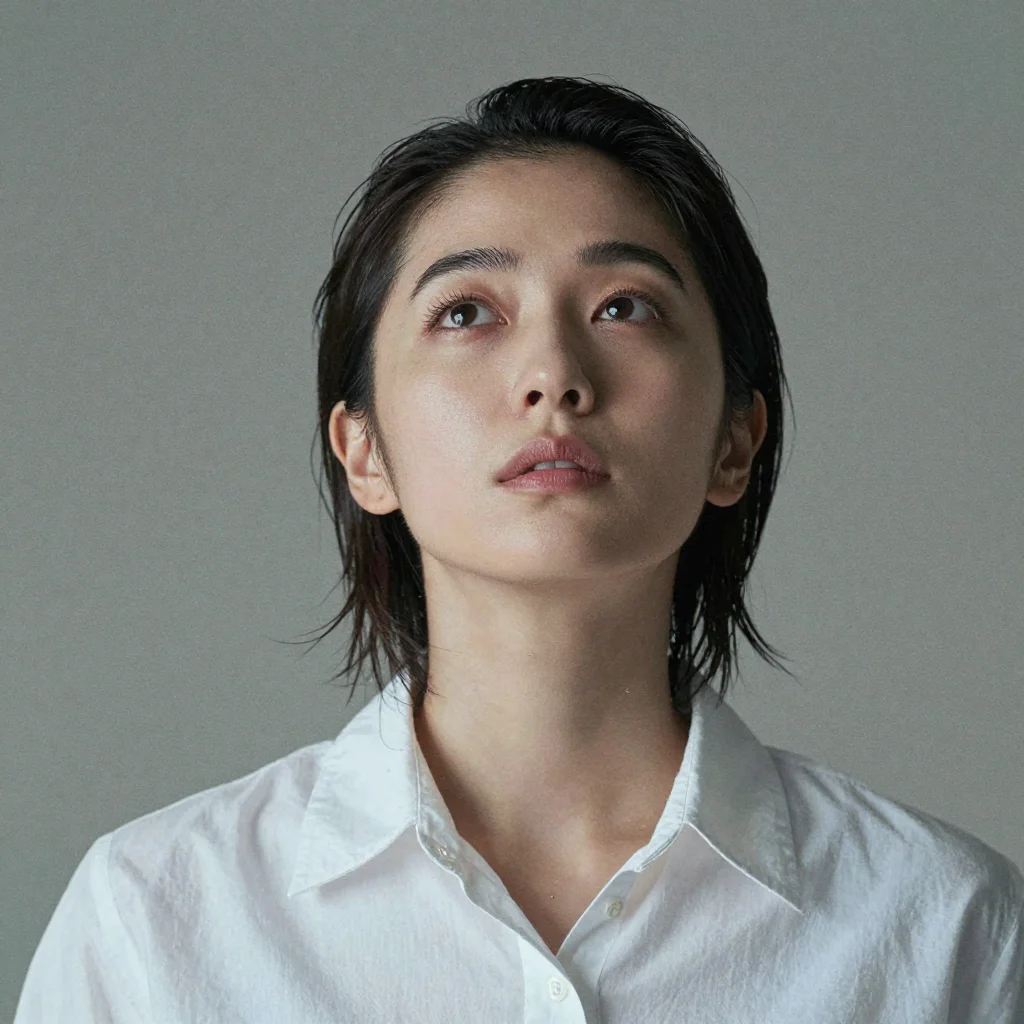 |
Observation: Iris centered in all 3 — no lower white. Difference from control is similar to cold stare — expression only. All 3 show a neutral forward-facing expression. s3 has the face tilted slightly upward, but not as pronounced as upward gaze, and lower white is not visible. No clear difference from cold stare was confirmed either.
Summary
Results for all 9 conditions:
| Condition | Sanpaku Reproduction | Side Effects |
|---|---|---|
| control | - | None |
| sanpaku | No effect | None |
| sanpaku eyes | 1 out of 3 images, slight | None |
| three whites | No effect | Multiple people generated in a grid |
| lower white | Evaluation impossible | Framing shifts downward, cutting eyes from frame |
| upward gaze | 3 out of 3 | Face tilts upward, hair changes |
| cold stare | No effect | Expression becomes rigid |
| dead eyes | No effect | Becomes expressionless |
| intense stare | No effect | Expression becomes rigid |
upward gaze is the most effective condition for reproducing sanpaku eyes (iris raised with lower white visible). However, it tends to tilt the entire face upward rather than just moving the gaze — additional techniques would be needed if you want sanpaku with a straight-on face.
The direct term sanpaku had no effect in z-image-turbo. cold stare / dead eyes / intense stare affect expression (neutral, emotionless) only — not iris position. They’re useful for tone, but produce a different effect from sanpaku.
Note:
upward gazeturned out to be the only effective way to reproduce sanpaku eyes. The direct termsanpakudoesn’t land, but paraphrasing visual features into descriptive English appears applicable to other cases as well.
![[Tested] Can You Generate Kuchisake-onna? Mask On/Off Pairs and 3 Slit-Mouth Phrasings on the Same Seed](/tips/kuchisake-onna-mask-expression-test/c01_lacer_s1.webp)
![[Tested] How Far Can You Push the Horror? Escalating Fear with VHS Grain, a Crawling Pose, and Corpse-Pale Skin](/tips/jhorror-escalation-test/g05_maxhorror_s1.webp)