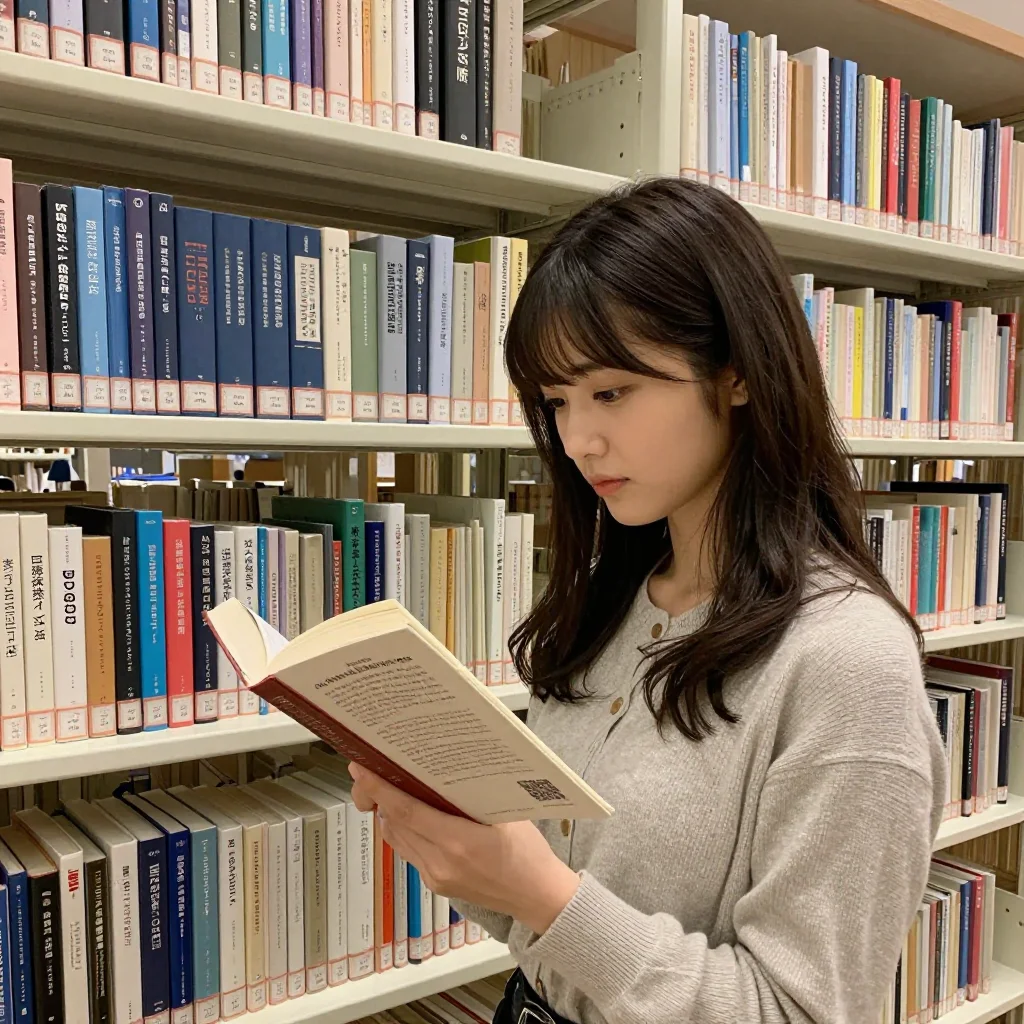
English prompts are the standard for AI image generation. But many people find themselves thinking “I don’t know what words to use” or “I’m just copy-pasting without understanding the meaning.”
This article covers approximately 200 English terms commonly used in AI image generation, organized by category, with Japanese explanations of meanings and usage tips. Use it as a dictionary when writing prompts.
For the basics of how to write prompts, also refer to Prompt Basics.
Quality / Style
Terms for specifying the overall quality and art style of the image.
- masterpiece — Masterpiece. Used with the intent of prompting the highest quality output. Effect depends on model training data (※ not confirmed effective in z-image-turbo. See: Best Practices)
- best quality — Best quality. A standard quality keyword alongside masterpiece (※ not confirmed effective in z-image-turbo. See: Best Practices)
- high quality — High quality. A slightly more modest quality specification than best quality
- high resolution — High resolution. Prompts for detailed, fine output
- ultra detailed — Ultra detailed. Instructs the image to be drawn with fine detail
- detailed — Detailed. Can also be attached to specific parts, like
detailed eyes - sharp focus — Sharp focus. Instructs crisp, unblurred depiction
- photorealistic — Photorealistic. Basic term for specifying a realistic art style
- realistic — Realistic. Used in a slightly broader sense than photorealistic
- cinematic — Cinematic. Creates the atmosphere and color palette of a movie scene
- professional photography — Professional photography. Instructs a studio-shoot-like finish
- raw photo — RAW photo style. Produces a natural, unprocessed texture
- 8k uhd — 8K ultra high definition. Emphasizes high resolution
- 4k — 4K quality. Like 8k uhd, instructs for high resolution
- film grain — Film grain. Adds film camera-like noise
- analog photo — Analog photo style. Reproduces the texture of a film camera
- illustration — Illustration. Use when you want an illustrative art style
- anime — Anime style. Specifies Japanese anime-like art style
- oil painting — Oil painting style. Instructs for a painterly touch
- watercolor — Watercolor style. Creates a soft, bleeding touch
- digital art — Digital art. Specifies a CG-like finish
Camera / Shooting
Terms related to camera angle, distance, and lens effects.
- portrait — Portrait. A composition centered on the bust and above
- close-up — Close-up. A composition zoomed in on the face or specific part
- extreme close-up — Extreme close-up. An even tighter composition, like just the eyes
- full body — Full body. A composition showing from head to toes
- upper body — Upper body. Shows from the waist up
- lower body — Lower body. Shows from the waist down
- cowboy shot — Cowboy shot. Shows from about mid-thigh up
- medium shot — Medium shot. Shows from about the waist up
- from above — View from above. Bird’s-eye angle
- from below — View from below. Low angle / worm’s-eye view
- from side — View from the side. Profile-style angle
- from behind — View from behind. Angle showing the back
- dutch angle — Dutch angle. Tilted camera composition. Conveys instability or motion
- wide angle — Wide angle. Captures a wide area, emphasizing perspective
- fisheye — Fisheye lens. Extreme wide angle producing rounded distortion
- 85mm lens — 85mm lens. Focal length ideal for portraits; produces natural bokeh
- 50mm lens — 50mm lens. Standard lens. Natural perspective close to the human eye
- bokeh — Bokeh. Effect where the background blurs, making the subject stand out
- depth of field — Depth of field. Controls the range in which focus is sharp
- shallow depth of field — Shallow depth of field. Produces heavy background blur
- motion blur — Motion blur. Expresses the blur of a moving subject
- lens flare — Lens flare. The reflection effect of light that occurs in backlit shots
Lighting
Terms related to how light is applied. Lighting greatly influences the atmosphere of an image. Also see Lighting Prompt Collection.
- natural lighting — Natural light. Lighting from sunlight or window light
- studio lighting — Studio lighting. Artificial lighting used in professional studios
- soft light — Soft light. Soft lighting with thin shadows. Good for portraits
- hard light — Hard light. Strong lighting that creates sharp shadows
- rim lighting — Rim lighting. Lighting that outlines the subject’s silhouette with light
- backlighting — Backlighting. Light from behind the subject. Creates silhouette-like effects
- golden hour — Golden hour. The warm-colored light around sunrise and sunset
- blue hour — Blue hour. The bluish light immediately after sunset
- dramatic lighting — Dramatic lighting. Impressive lighting with strong contrast
- volumetric lighting — Volumetric lighting. An effect where light rays are visible (like sunbeams through trees)
- ambient light — Ambient light. Overall light without a specific direction
- side lighting — Side lighting. Light from the side. Emphasizes three-dimensionality
- overhead lighting — Overhead lighting. Lighting from directly above. Creates shadows on the face
- neon lighting — Neon lighting. Colorful light like neon signs
- candlelight — Candlelight. The warm, flickering light of a candle
Subject Description
Terms for specifying a person’s appearance, hairstyle, body type, and outfit.
Face / Expression
Also refer to Expression Prompt Collection for details on expressions.
- beautiful face — Beautiful face. Used to improve face quality
- detailed eyes — Detailed eyes. Enhances the detail of the eyes
- looking at viewer — Looking at the viewer. Creates a camera-facing expression
- looking away — Looking away. Creates a natural atmosphere
- smile — Smile. From a natural slight smile to a big grin
- grin — Grin. Shows teeth. Creates a wide open-mouthed laughing expression
- serious — Serious expression. Creates a cool atmosphere
- parted lips — Parted lips. Creates a sensual expression
- closed eyes — Closed eyes. A meditative, calm expression
- freckles — Freckles. Can be specified as a facial feature
Hair Style / Color
- long hair — Long hair
- short hair — Short hair
- medium hair — Medium hair
- black hair — Black hair
- brown hair — Brown hair
- blonde hair — Blonde hair
- red hair — Red hair
- ponytail — Ponytail
- twintails — Twin tails
- braid — Braid
- bangs — Bangs. Can also be modified, like
blunt bangs - hair bun — Hair bun
- wavy hair — Wavy hair
- straight hair — Straight hair
- wet hair — Wet hair
Body Type
- slim — Slim. A slender body type
- athletic — Athletic. A toned, muscular body type
- curvy — Curvy. A body type with defined curves
- petite — Petite. A small-framed body type
- tall — Tall
- muscular — Muscular. A body type with defined muscles
- slender — Slender. Close in meaning to slim. Specifies a willowy body type
- thick thighs — Thick thighs. A specific body part specification
Outfit
- dress — Dress / one-piece
- bikini — Bikini. A classic swimwear style
- school uniform — School uniform
- casual wear — Casual outfit
- formal wear — Formal outfit
- sundress — Sundress. A light, summery one-piece
- t-shirt — T-shirt
- jeans — Jeans
- skirt — Skirt
- shorts — Shorts
- jacket — Jacket
- hoodie — Hoodie
- lingerie — Lingerie
- off-shoulder — Off-shoulder. An outfit with bare shoulders
- high heels — High heels
Background / Scene
Terms for specifying the background and location of the image.
- indoors — Indoors
- outdoors — Outdoors
- beach — Beach / sandy shore
- ocean — Ocean / sea
- city — City / urban scene
- street — Street / road
- cafe — Cafe
- restaurant — Restaurant
- bedroom — Bedroom
- living room — Living room
- bathroom — Bathroom
- park — Park
- garden — Garden
- forest — Forest
- mountain — Mountain
- rooftop — Rooftop
- balcony — Balcony
- sunset — Sunset. Functions both as background and as lighting
- night — Night. Creates a darker atmosphere
- rain — Rain. Adds wet texture and rain droplets
- snow — Snow. Creates a winter atmosphere
- cherry blossoms — Cherry blossoms. A Japanese spring background
- simple background — Simple background. Use when you want attention on the subject
- white background — White background. A clean background like a product photo
Composition / Pose
Terms related to the structure of the frame and human poses. Also refer to Pose Prompt Collection for details on poses.
- composition — Composition. The arrangement of elements within the frame
- rule of thirds — Rule of thirds. A composition placing the subject at intersections of a 3×3 grid
- symmetrical — Symmetrical composition
- asymmetrical — Asymmetrical composition
- dynamic pose — Dynamic pose. A pose with movement
- action pose — Action pose. A pose with intense movement like running or jumping
- standing — Standing
- sitting — Sitting
- lying down — Lying down
- leaning — Leaning against something
- walking — Walking
- running — Running
- hand on hip — Hand on hip pose
- arms crossed — Arms crossed
- looking back — Looking back pose. Facing away with only the face turned back
- contrapposto — Contrapposto. An S-shaped standing posture with weight on one foot
Standard Negative Prompt Terms
Terms for specifying elements you want excluded from the output. See Negative Prompt Guide for details.
※ Negative prompts do not function in distilled models operating at CFG=1.0, such as z-image-turbo. The following terms are for models with effective CFG (SD1.5, SDXL, etc.).
- worst quality — Worst quality. A standard term for suppressing low-quality output
- low quality — Low quality. Often paired with worst quality
- normal quality — Normal quality. Used to exclude below-average quality output
- blurry — Blurry. Prevents out-of-focus images
- out of focus — Out of focus
- deformed — Deformed. Suppresses body distortion
- distorted — Distorted. Prevents shape breakdown
- extra limbs — Extra limbs. Prevents too many arms or legs
- missing limbs — Missing limbs. Prevents missing arms or legs
- extra fingers — Extra fingers. Addresses the AI’s difficulty with finger count
- bad anatomy — Bad anatomy. Suppresses unnatural body proportions
- bad hands — Bad hands. Suppresses poor hand depiction
- bad proportions — Bad proportions
- watermark — Watermark. Prevents unwanted text from appearing in images
- text — Text. Prevents unintended text mixing in
- signature — Signature. Prevents author name-like text from appearing
- jpeg artifacts — JPEG compression noise. Prevents image quality degradation
- cropped — Cropped. Prevents the subject from being cut off
Summary
The approximately 200 terms introduced in this glossary are basic vocabulary that frequently appears in AI image generation. You don’t need to memorize all of them at once. It’s recommended to start by combining a few quality and camera terms, then gradually expand your repertoire.
For more on how to build prompts, see Prompt Basics.
![[Verified] Image Generation Prompt Best Practices](/tips/prompt-best-practices/cover_0_0000_4517457392071889496.webp)