Conclusion
- Even simple 1-2 word expressions reliably produce expression changes (pained expression, gritting teeth, tearful, etc.)
- Detailed descriptions (H–L) achieve higher expression intensity and consistency than simple expressions
- “biting lip” tends toward a sensual nuance rather than pain — a detailed description (K) is needed to convey a pain context
- Expression intensity scale: calm (A) → worried (B) → gritting teeth (C/H) → crying (G/J) → screaming (L)
- Even in CFG=1.0, detailed descriptions containing weight syntax show differences in expression intensity
What This Article Covers
- Effectiveness of pain/agony expression prompts
- Differences between simple (1-2 word) and detailed (multi-token) expressions
- What kind of expression each phrase produces
- Whether subtle expression nuances can be controlled through prompts
Experimental Conditions
| Item | Value |
|---|---|
| Model | z-image-turbo (6B, photorealistic distilled model) |
| Steps | 8 |
| Sampler | euler |
| Scheduler | ddim_uniform |
| CFG | 1.0 |
| Image size | 1024×1024 |
| Seeds | 42, 123, 789 (3 fixed seeds) |
Base Prompt
Upper body with soft lighting for consistent focus on expression changes.
Experiment 1: Simple Expression Prompts (1-2 Words)
First checking how much expression can change with minimal tokens.
Condition A: Baseline — No Expression Specified


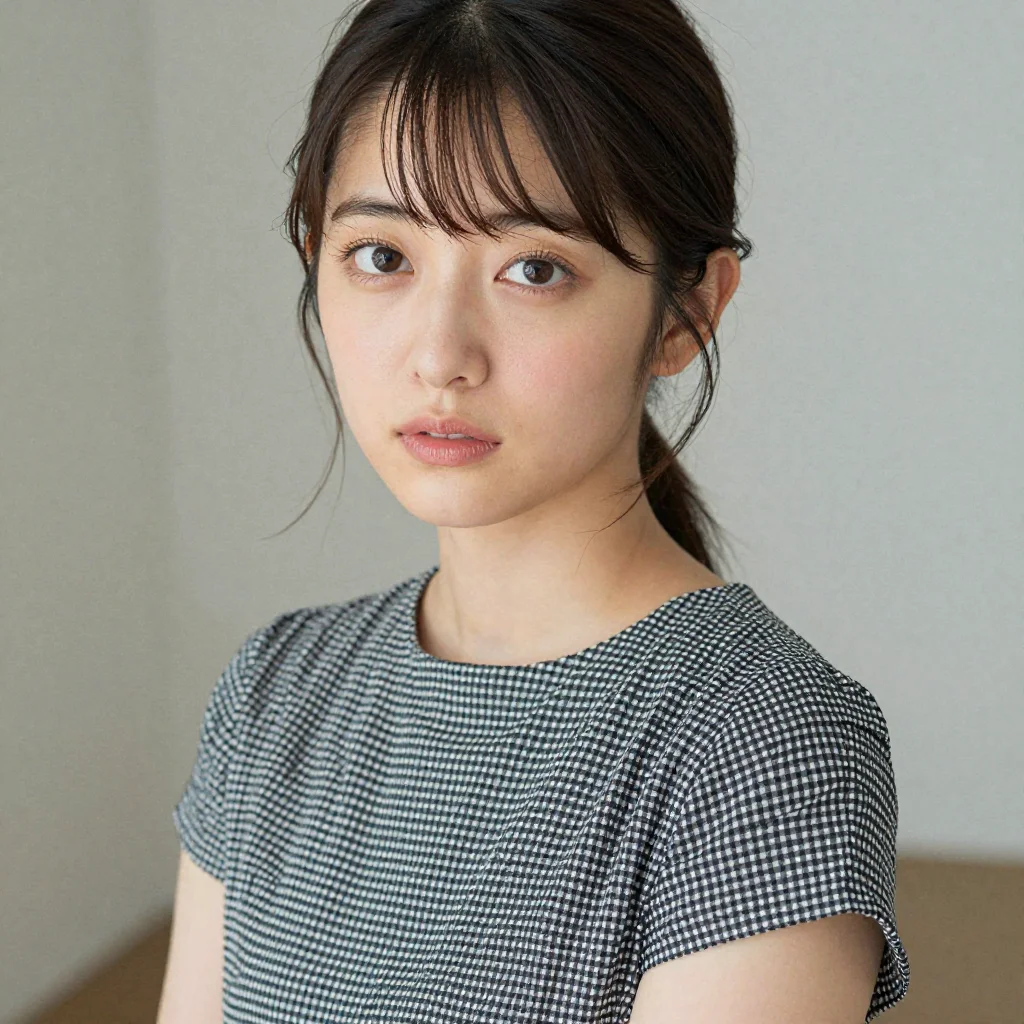
Observations
Calm neutral expression to slight smile. Soft lighting portrait.
Condition B: pained expression (2 tokens)
General expression of pain.


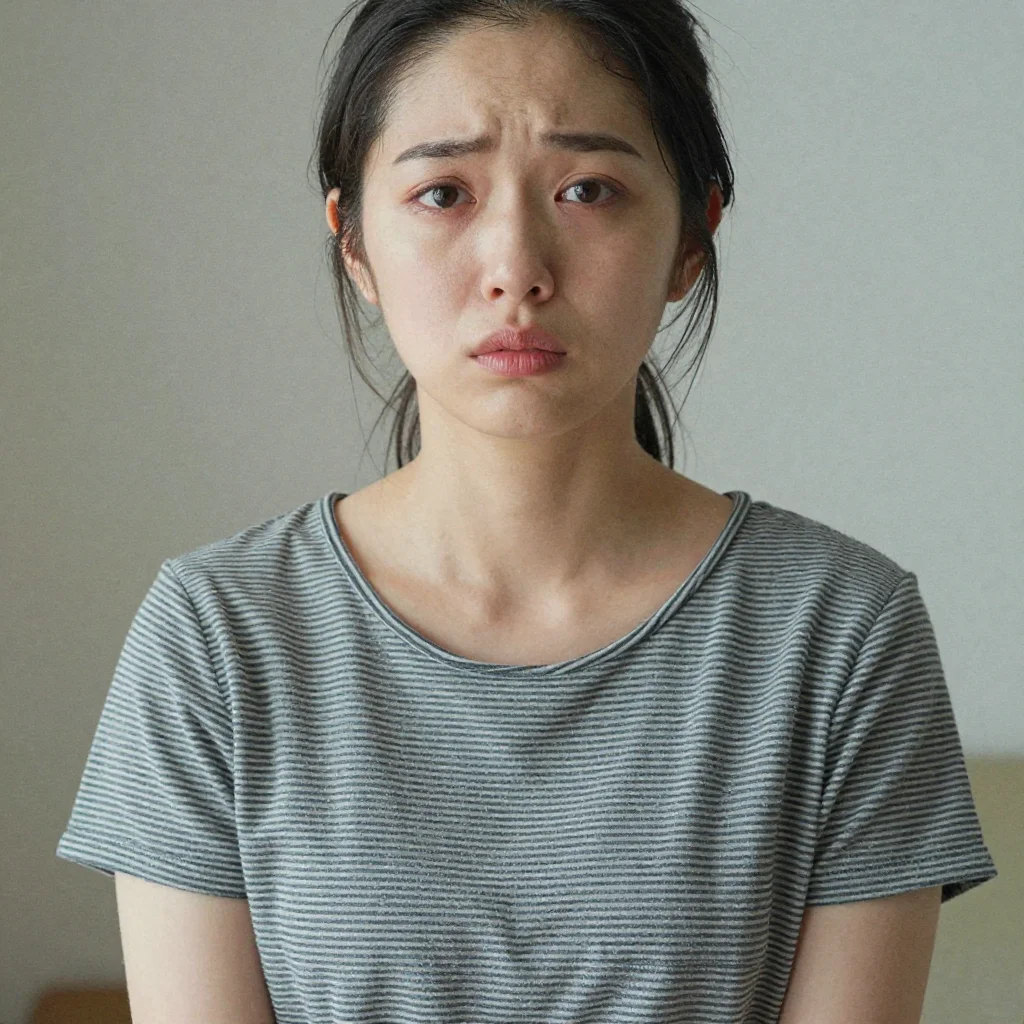
Observations
Furrowed brows with slightly open mouth in a worried/anguished expression. Clear difference from baseline.
Condition C: gritting teeth (2 tokens)
Expression of clenching teeth.
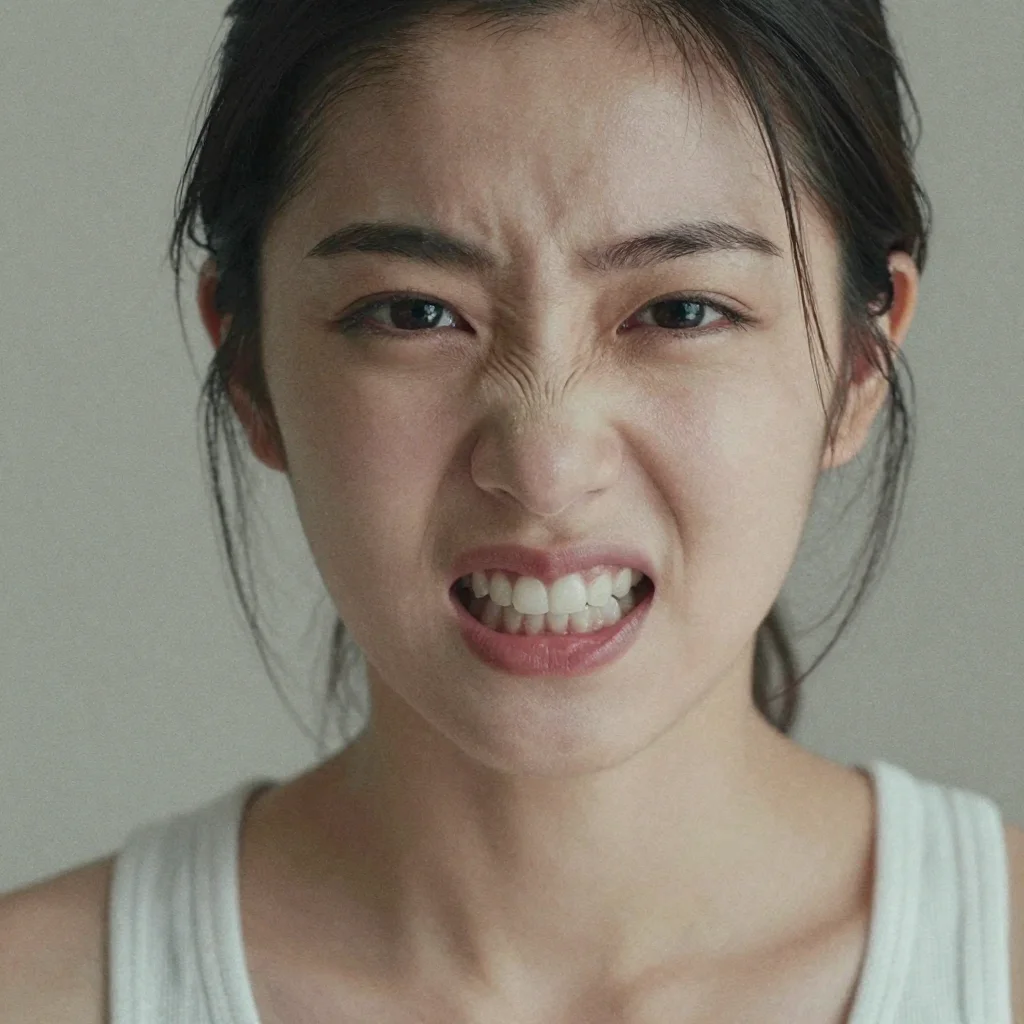

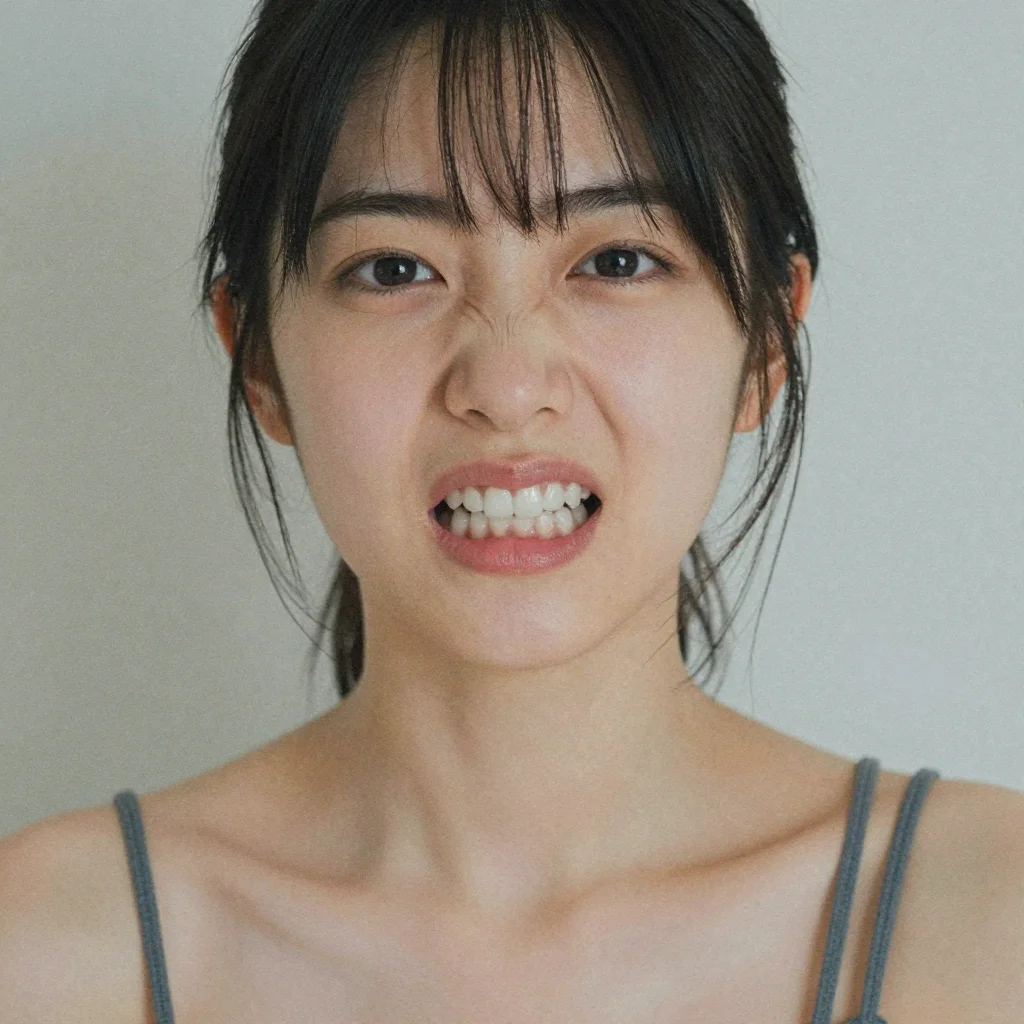
Observations
Teeth-clenching expression. Closed mouth with visible effort.
Condition D: biting lip (2 tokens)
Lip-biting expression.


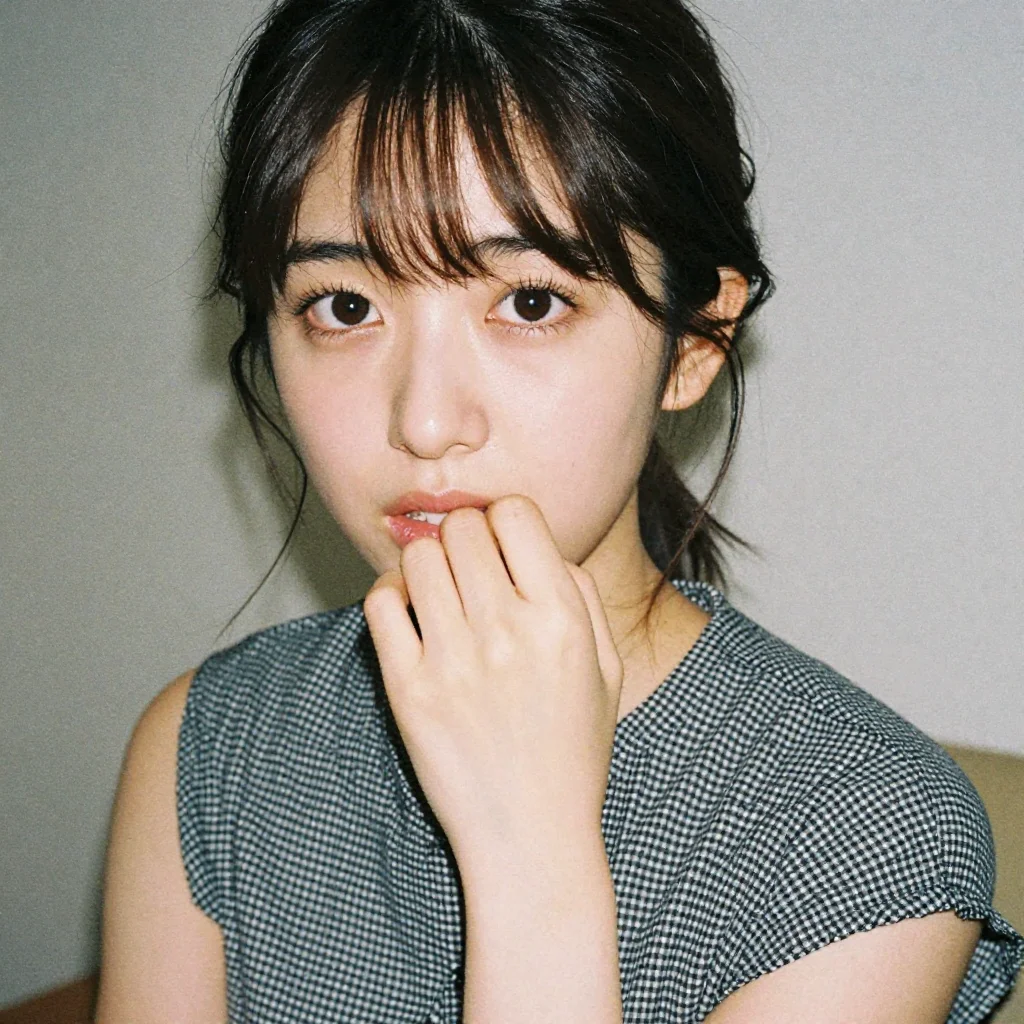
Observations
Lip-biting / finger-to-lips pose. Tends toward sensual/anxious nuance rather than pain.
Condition E: wincing (1 token)
Grimacing expression — instant pain reaction.


Observations
Momentary grimace of pain. Eyes slightly narrowed, frown lines between brows.
Condition F: grimacing (1 token)
Anguished expression.
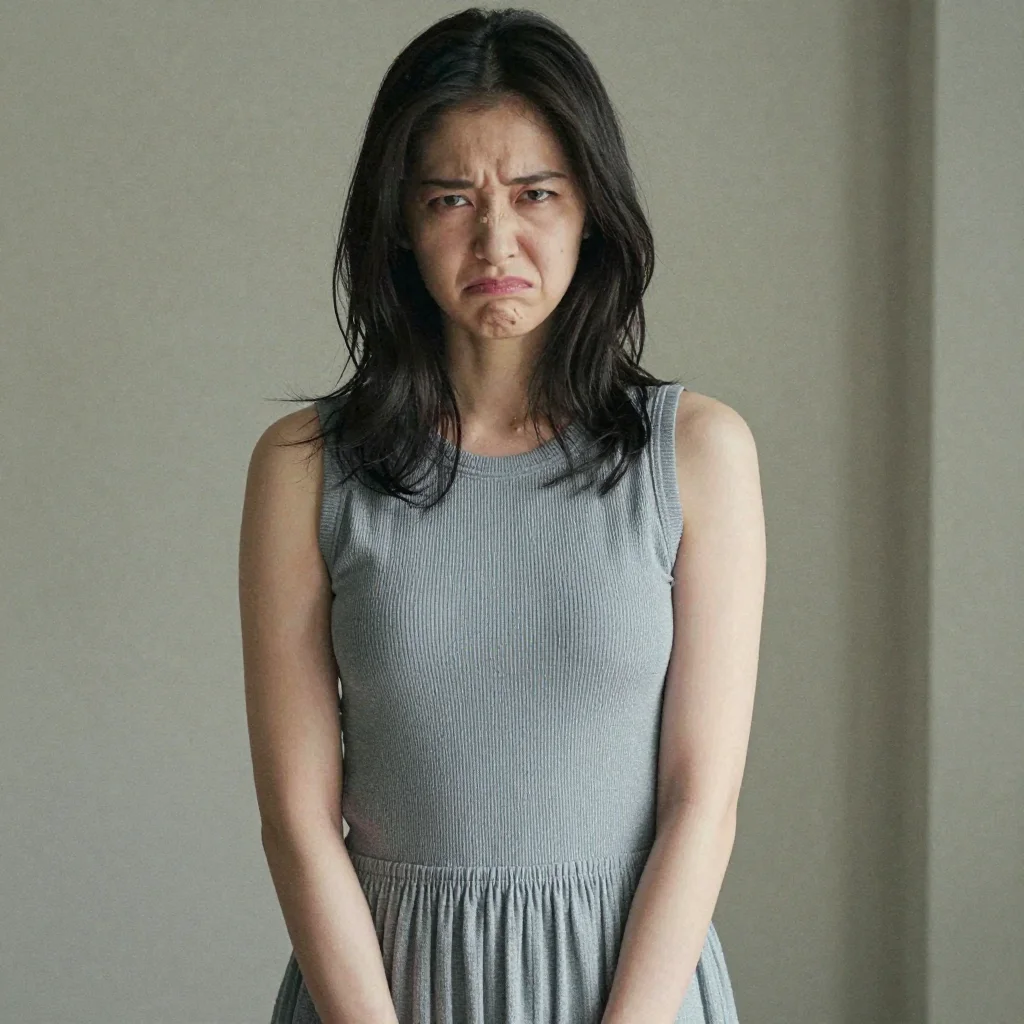
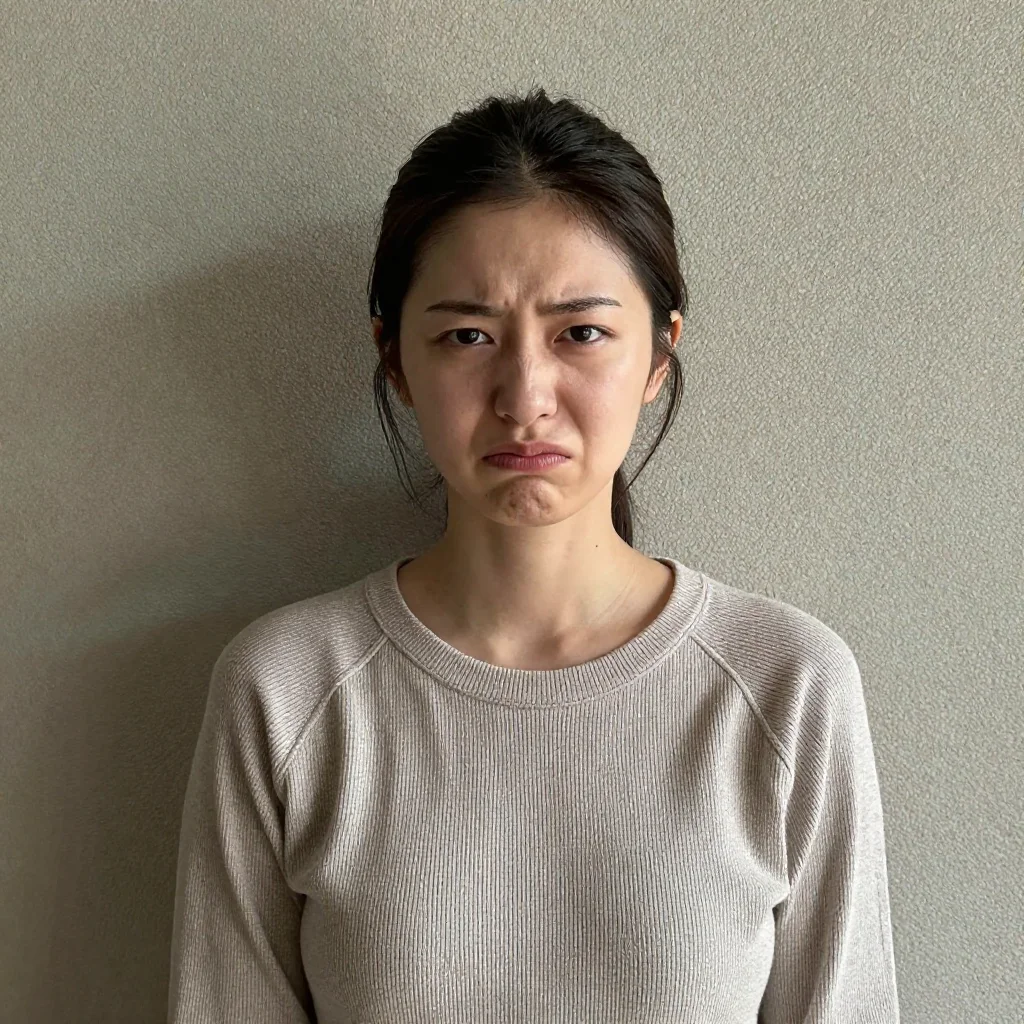

Observations
Anguished expression. Deeper frown lines than E, mouth corners dropping, overall facial muscle tension stronger.
Condition G: tearful expression (2 tokens)
Expression on the verge of tears.


Observations
Holding-back-tears expression. Eyes filling with tears.
Experiment 2: Detailed Expression Descriptions (Multi-Token)
Testing the effect of detailed multi-token pain expression descriptions. The focus is on how much accuracy improves compared to simple expressions.
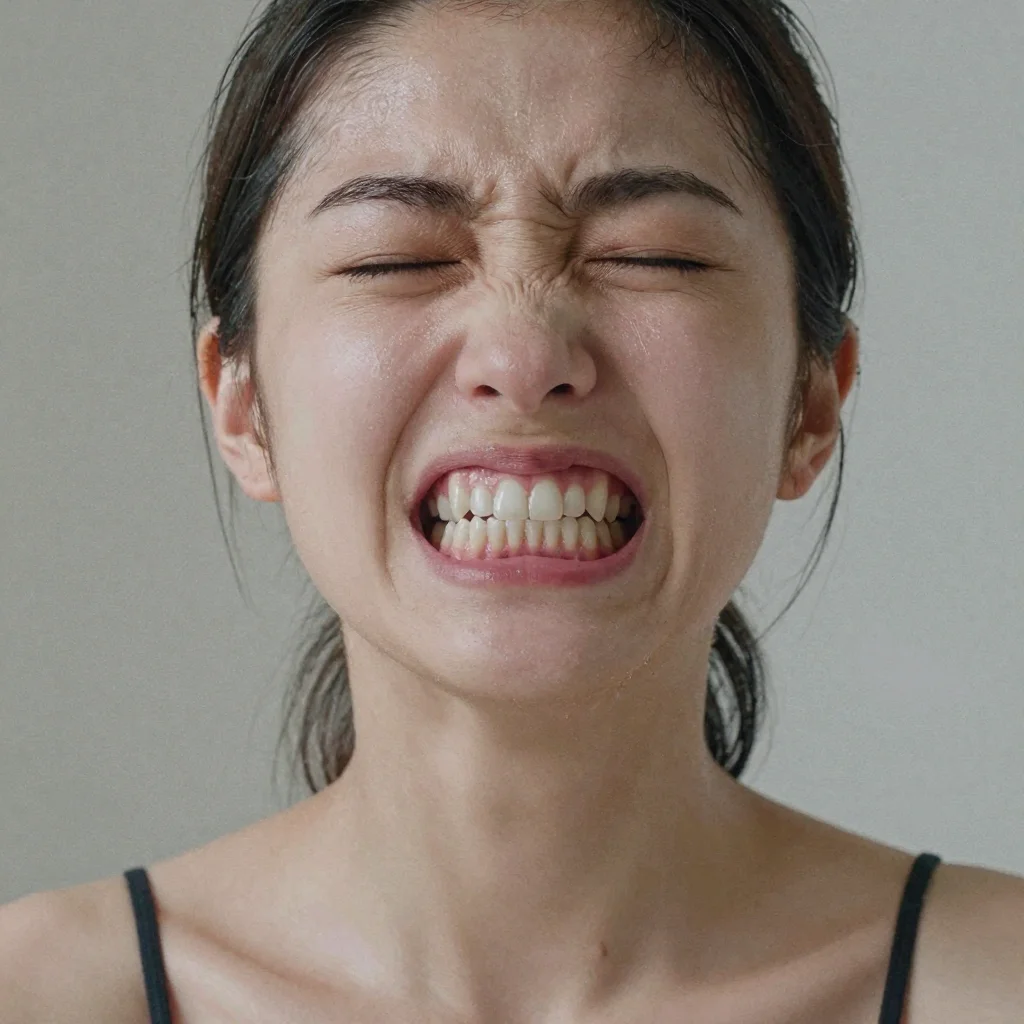
Condition H: Intense Pain Endurance — Gritting Type
Wide horizontal mouth open, upper and lower teeth showing and clenched.


Observations
Eyes closed, teeth clenched, neck tendons taut — intense pain expression. Higher intensity than simple expression (C: gritting teeth).
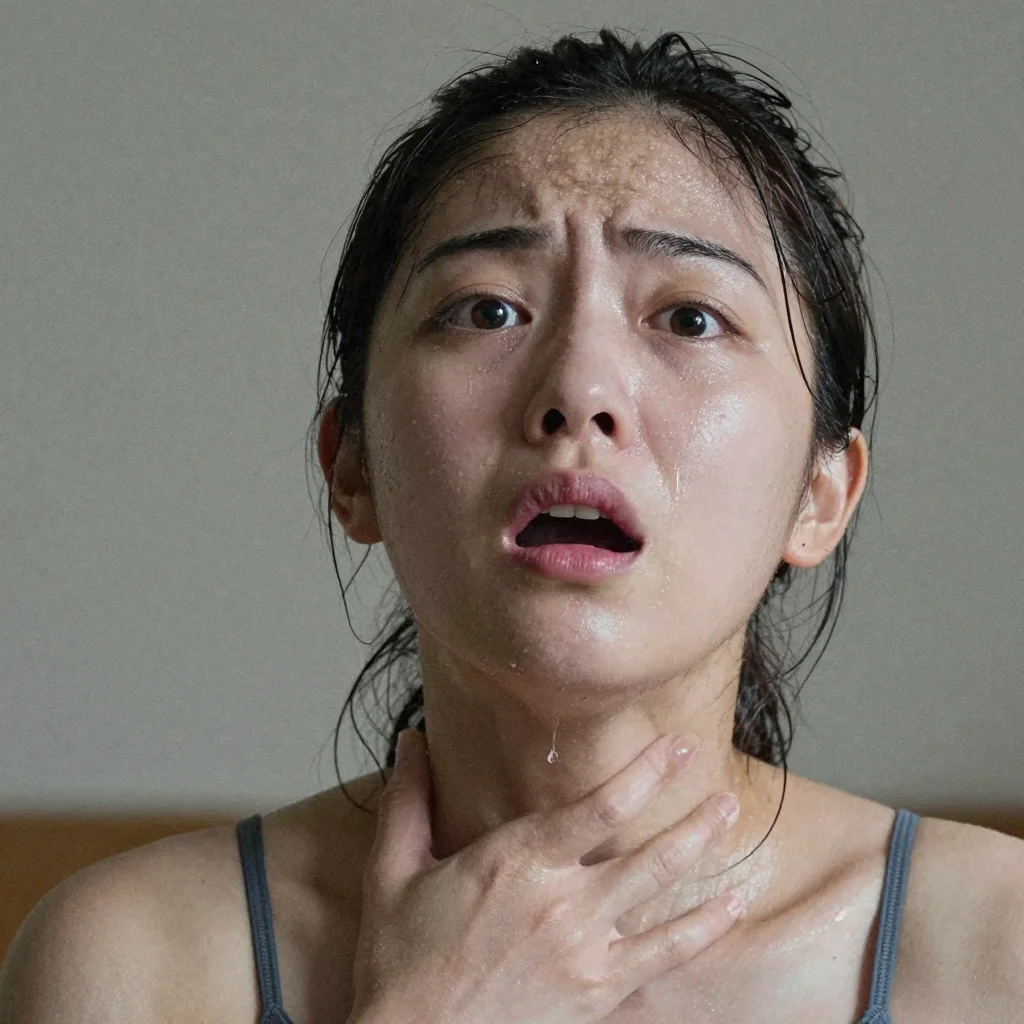
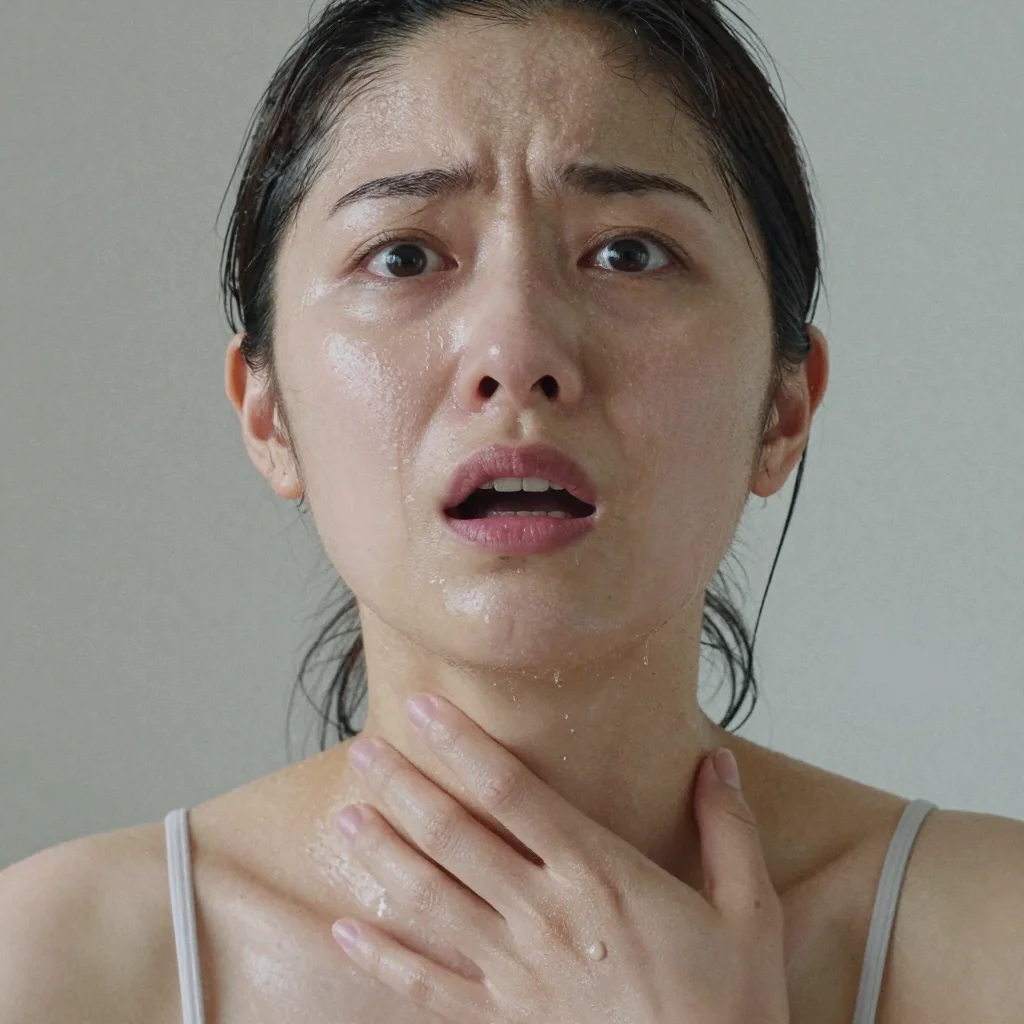
Condition I: Intense Pain Endurance — Frozen Type
Frozen expression with wide-open eyes.

Observations
Frozen expression with wide-open eyes and slightly parted mouth. Close to an expression of fear.
Condition J: Intense Pain Endurance — Crying Type
Crying while enduring pain.


Observations
Open-mouthed crying with tears streaming. Facial muscle tension depicted.
Condition K: Intense Pain Endurance — Stoic Endurance Type
Quietly enduring pain with bitten lip and downcast eyes.


Observations
Downcast eyes, bitten lip, tears and sweat — a quietly enduring expression. Clearly more pain context than simple “biting lip” (D).
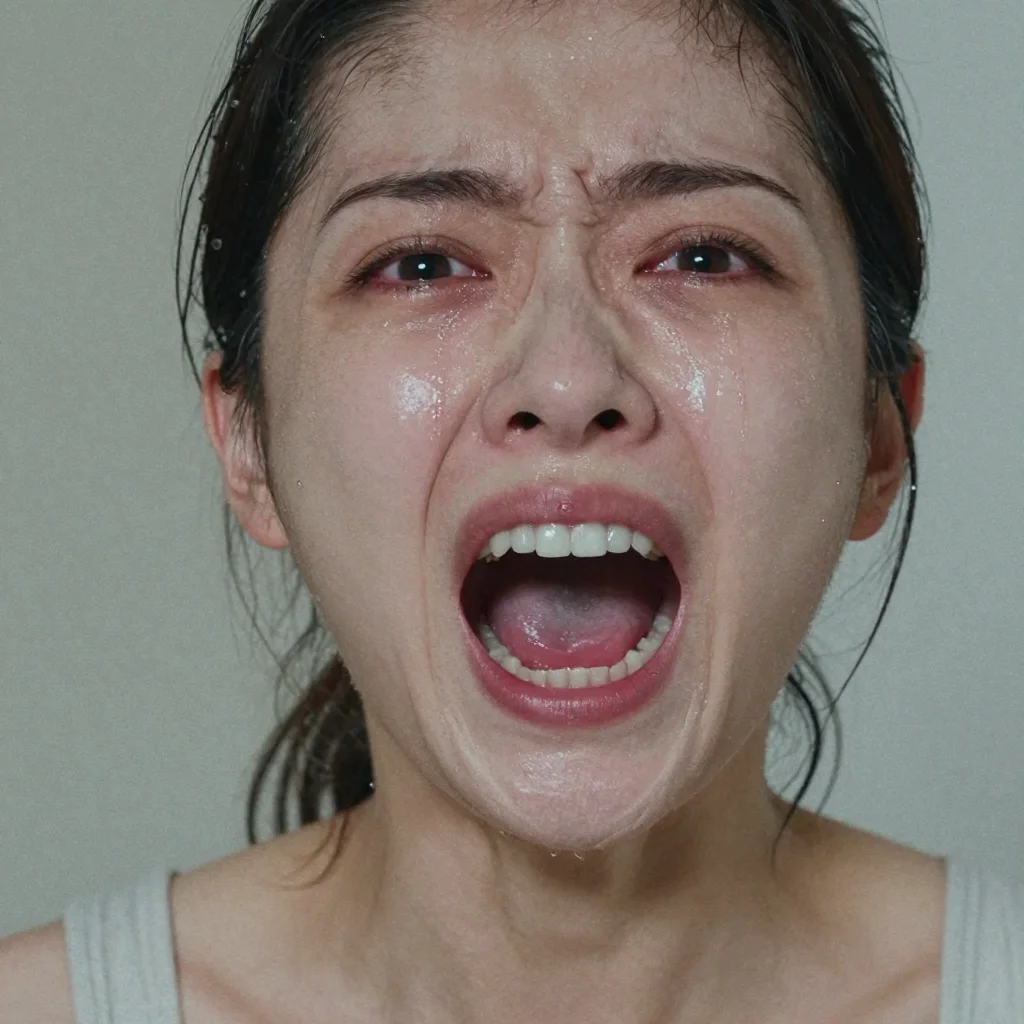
Condition L: Screaming Extreme Pain Type
Extreme pain expression screaming with wide-open eyes.

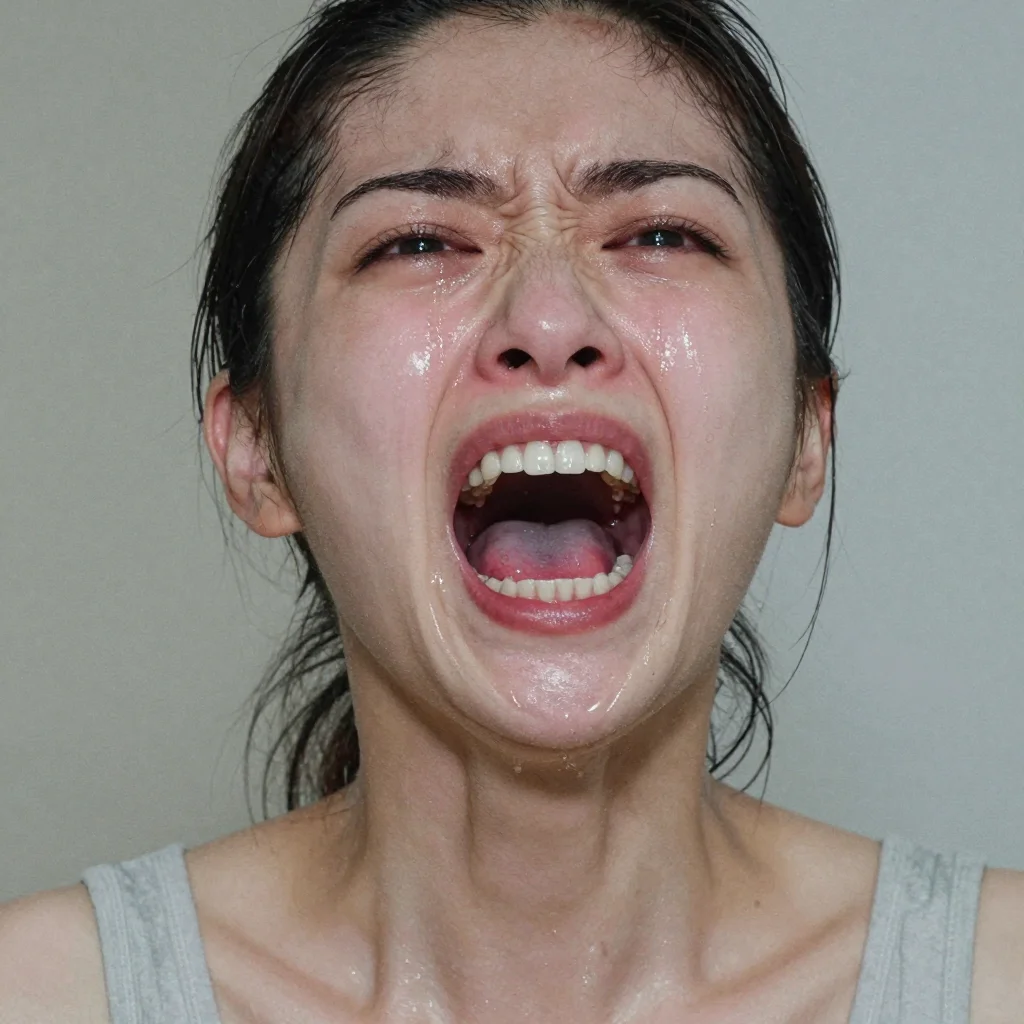
Observations
Mouth wide open screaming. Sweat and tears across the face, flushed skin. The most intense expression of all conditions.
Cross-Comparison
Simple Expression Comparison (baseline / pained / gritting / biting lip / wincing / grimacing / tearful)
| Seed | Baseline (A) | pained (B) | gritting (C) | biting lip (D) | wincing (E) | grimacing (F) | tearful (G) |
|---|---|---|---|---|---|---|---|
| 42 | | | | | | | |
| 123 | | | | | | | |
| 789 | | | | | | | |
Expression changes are clear even with 1-2 words. Only biting lip tends toward sensual rather than pain nuance.
Simple vs Detailed Description Comparison
| Seed | gritting teeth (C) | detailed gritting (H) | biting lip (D) | detailed stoic (K) | tearful (G) | detailed crying (J) |
|---|---|---|---|---|---|---|
| 42 | | | | | | |
| 123 | | | | | | |
| 789 | | | | | | |
Detailed descriptions produce higher expression intensity and consistency than simple expressions.
Key Findings
Effectiveness of Simple Expressions
- Expression changes are reliably produced even with 1-2 words. pained expression, gritting teeth, tearful expression etc. show clear differences from baseline
- However, “intensity” and “consistency” of expression is inferior to detailed descriptions
Superiority of Detailed Descriptions
- Detailed descriptions (H–L) achieve higher expression intensity than simple expressions, with improved consistency across 3 images
- Weight syntax (1.3–1.6) influences expression direction even in CFG=1.0 environment
Characteristics by Expression
- pained expression: General anguished expression. Direction is stable
- gritting teeth: Specialized for teeth-clenching. Mouth depiction is clear
- biting lip: Tends toward sensual/anxious nuance rather than pain. Use detailed description (K) if pain context is needed
- wincing: Momentary reaction. Concentrated on eyes and brow area
- grimacing: More sustained discomfort than wincing
- tearful expression: Specialized for tear depiction
Expression Intensity Scale
Calm (A) → worried/anguished (B) → gritting teeth (C/H) → grimacing (E/F) → crying (G/J) → stoic endurance (K) → screaming (L)

![[Verified] Image Generation Prompt Best Practices](/tips/prompt-best-practices/cover_0_0000_4517457392071889496.webp)