Key Findings
- None of the 5 nose-shape keywords tested here produced a clear change to the nose — in contrast to
aquiline noseandbutton nose, which worked in part 1 flared nostrilsenlarged the nostrils in 0/3 images. Instead it produced expression changes: hands covering the face and a stuck-out tongueupturned noseslightly lifted the nose tip in 2/3 images, but the change is subtle. Pursed-lip expressions appeared as a side effect in 2/3 imagessnub noseproduced a clearly short, rounded nose in 1/3 images; the other two changed only slightlybulbous noseandwide nosehad no effect on the nose in 0/3 images each- For unknown reasons, “arms raised overhead” poses appeared in 8 of the 15 images across nose conditions (0 in control). Watch out for composition side effects when prompting nose shapes
Experiment Design
| Item | Value |
|---|---|
| Model | z-image-turbo (6B, photorealistic distilled) |
| Steps | 8 |
| Sampler | euler |
| Scheduler | ddim_uniform |
| CFG | 1.0 |
| Size | 1024x1024 |
| Seeds | 1001 / 1002 / 1003 fixed (shared with part 1) |
| Per condition | 3 images (3 seeds) |
| Total | 5 conditions = 15 images (control referenced from part 1) |
Base Prompt
The base prompt and seeds are identical to part 1, so the control condition (no nose keywords) was not regenerated; we reference part 1’s control images.
A00: control (referenced from part 1)
| seed 1001 | seed 1002 | seed 1003 |
|---|---|---|
 | 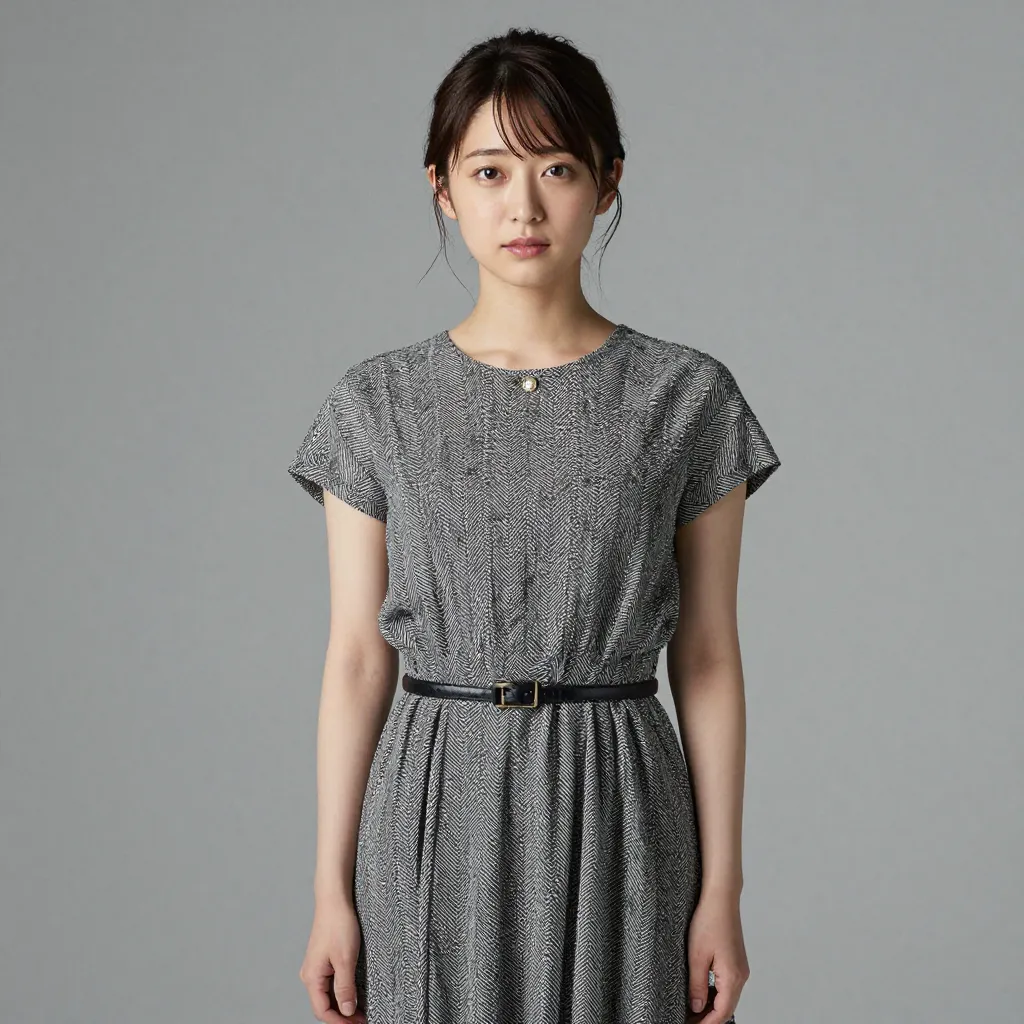 | 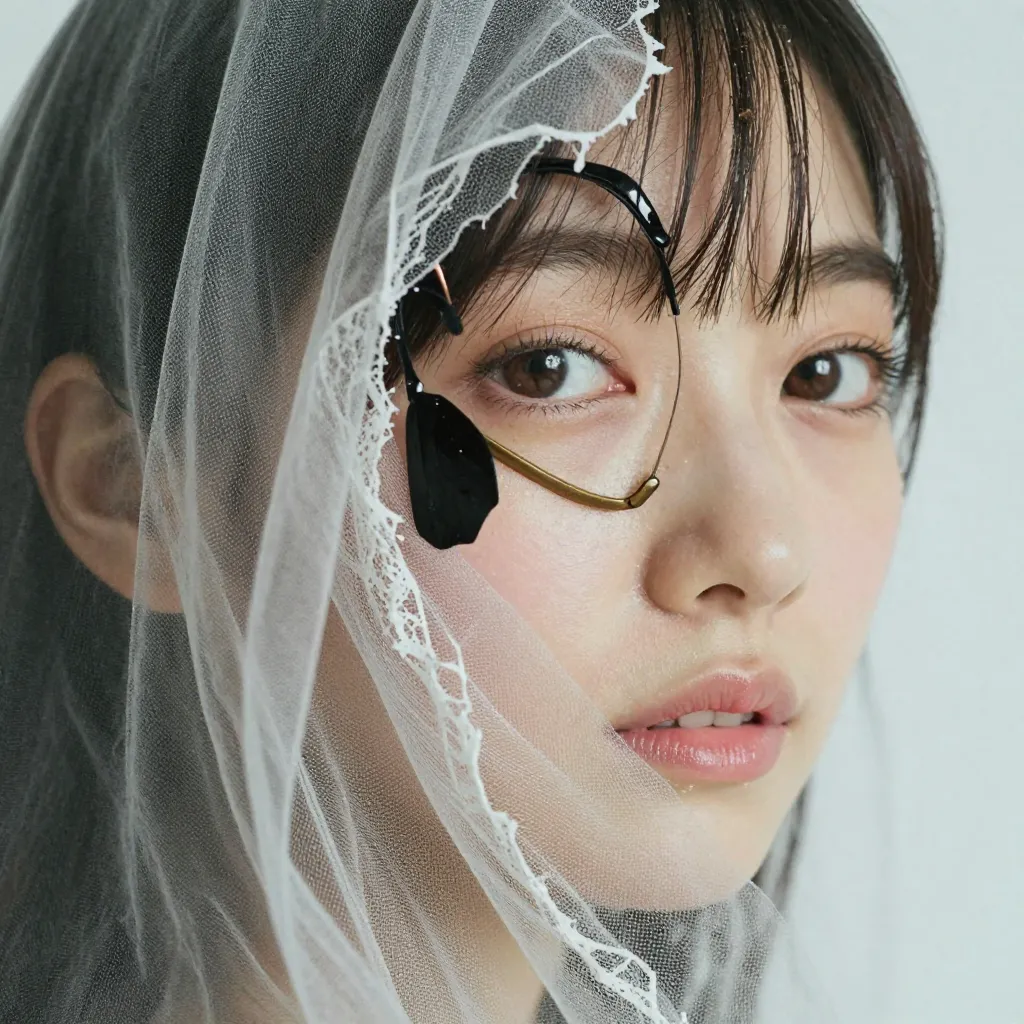 |
Observations: Seed 1001 renders as a five-panel collage, seed 1002 as an upright portrait, seed 1003 as a close-up with a veil. All noses are standard in size and shape, and no raised-arm poses appear.
A01: flared nostrils
| seed 1001 | seed 1002 | seed 1003 |
|---|---|---|
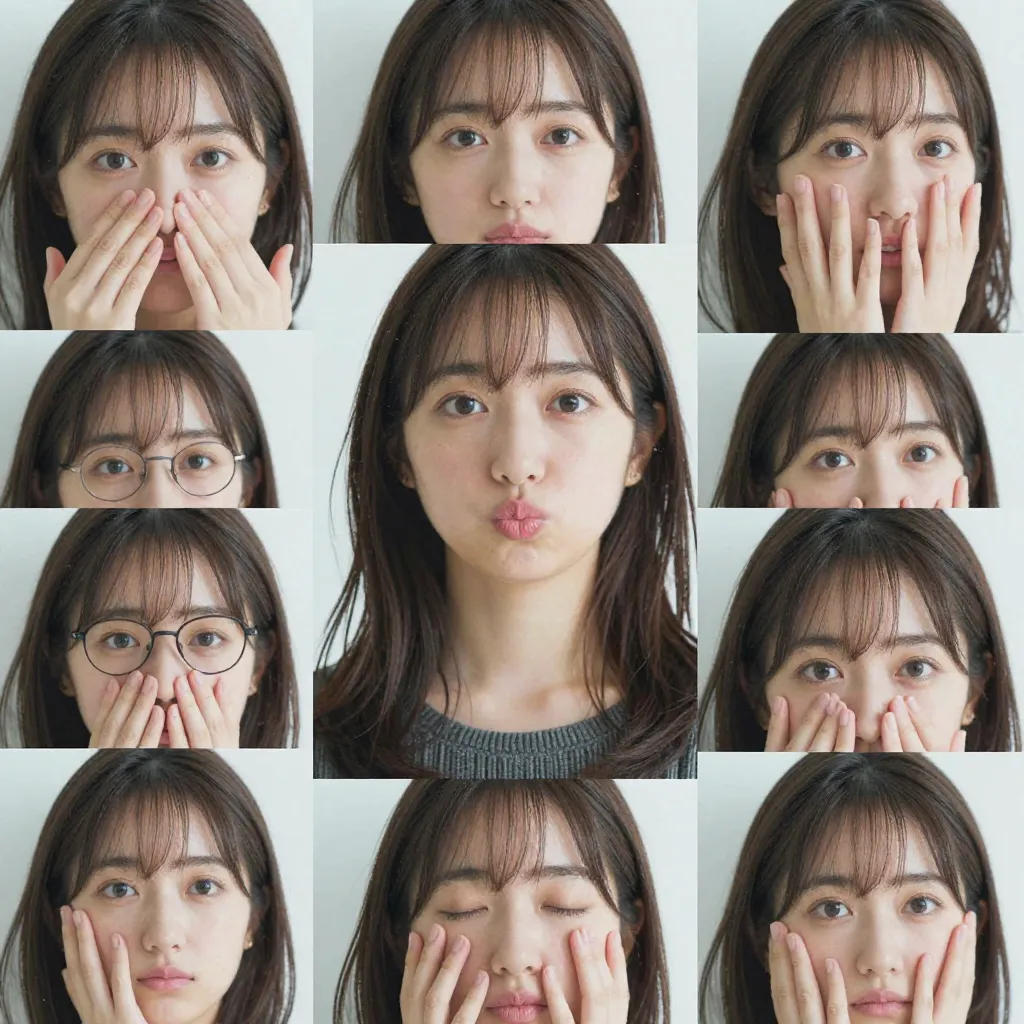 | 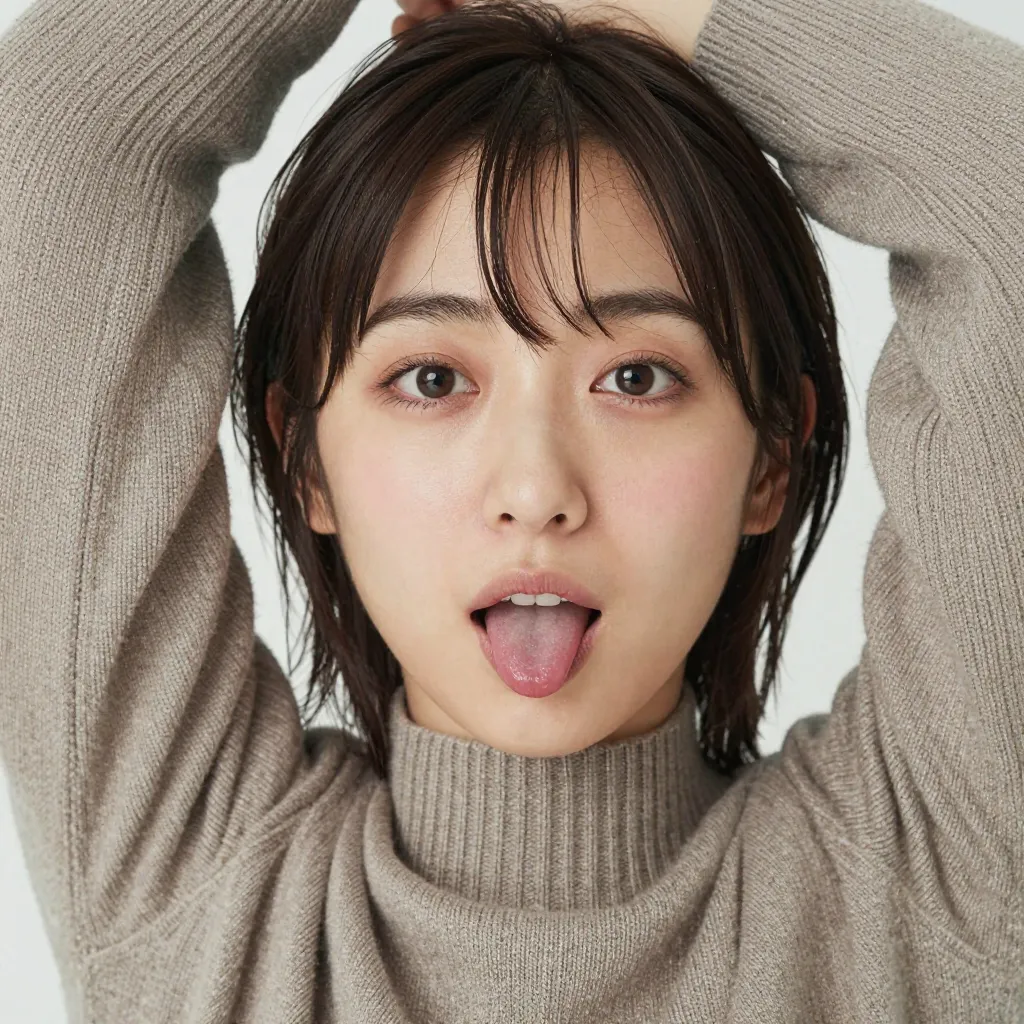 | 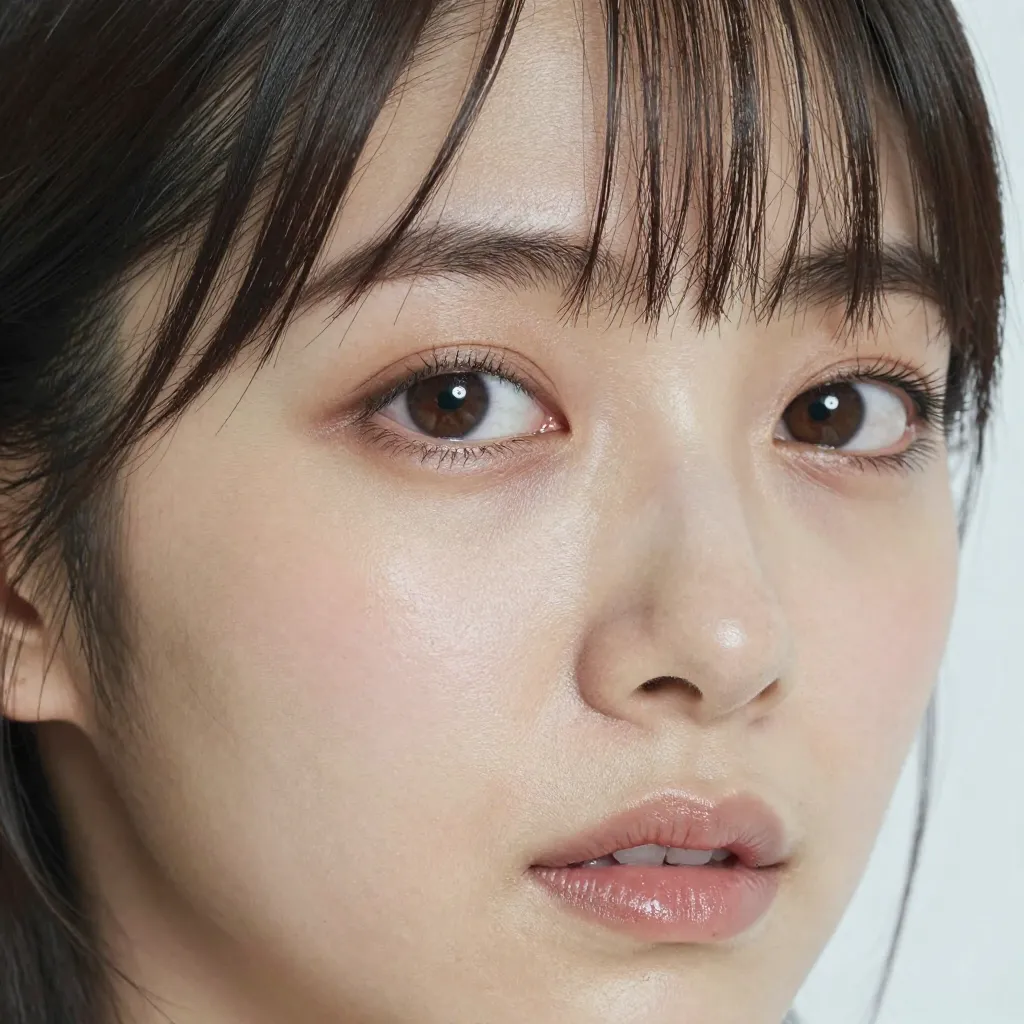 |
Observations: Nostril enlargement: 0/3. Expressions and poses changed substantially instead. Seed 1001 became a 12-panel collage including shots with both hands covering the nose and mouth, seed 1002 shows a stuck-out tongue with raised arms, and seed 1003 is a close-up where the nostrils remain standard size. The “nostril” motif is interpreted as funny-face posing rather than anatomy.
A02: upturned nose
| seed 1001 | seed 1002 | seed 1003 |
|---|---|---|
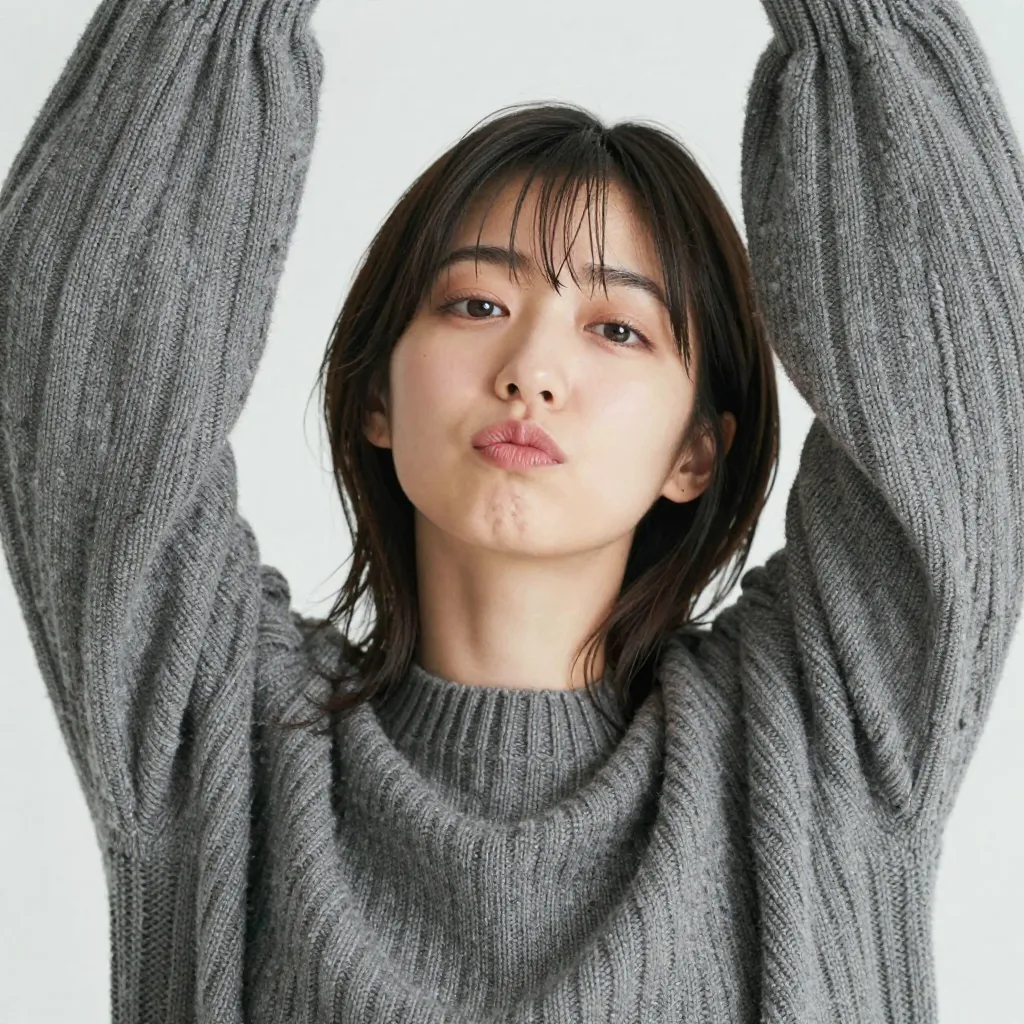 | 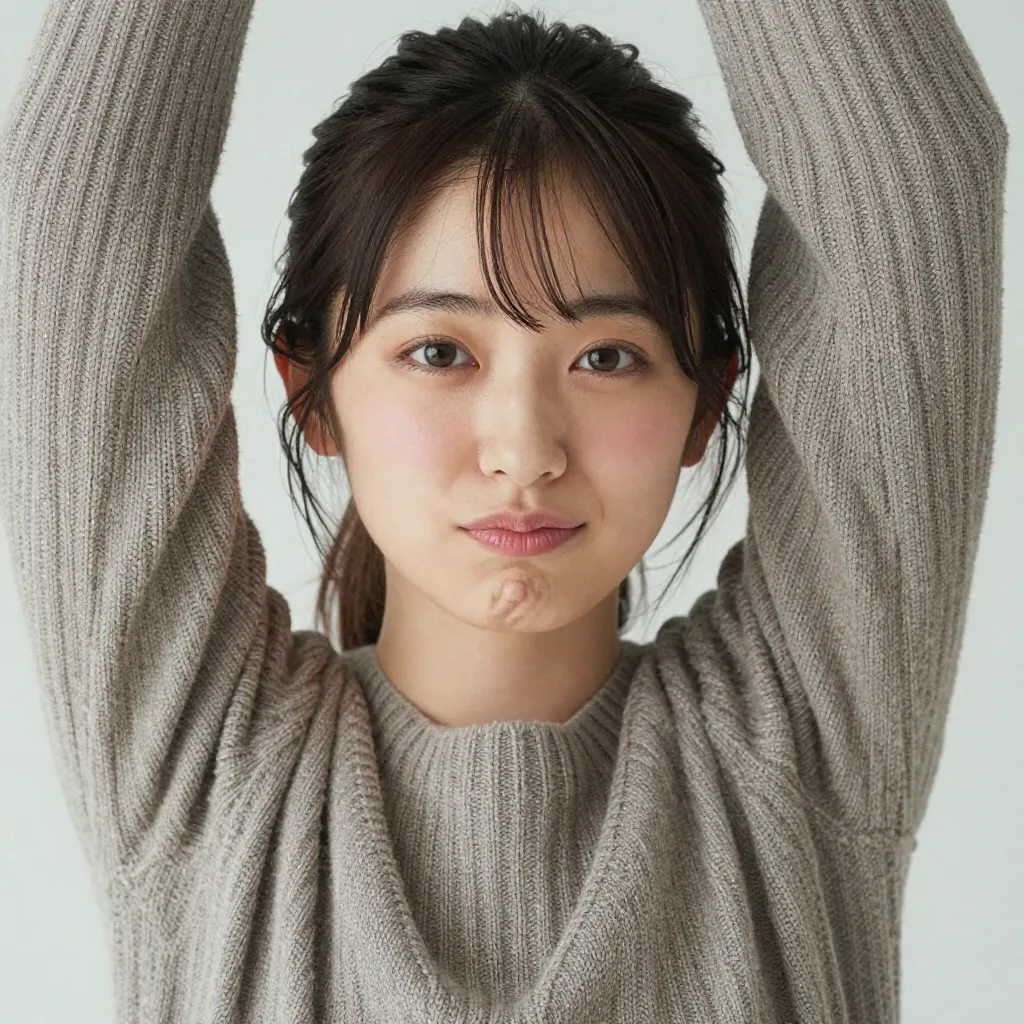 | 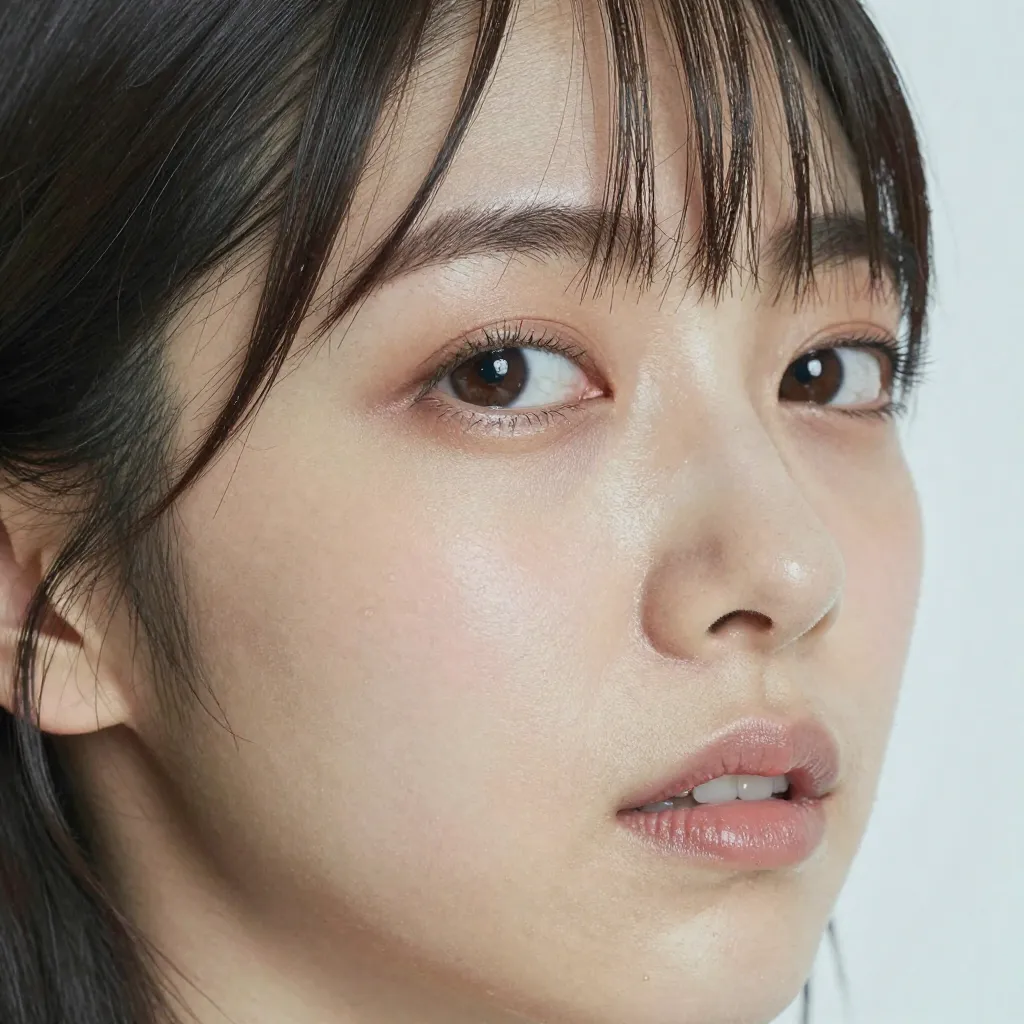 |
Observations: In seeds 1001 and 1003 the nose tip lifts slightly, making the nostrils more visible from the front — but not enough to read as a true “pig nose.” Seeds 1001 and 1002 also show pursed lips with a creased chin and raised arms; the expression side effects are more noticeable than the nose change.
A03: snub nose
| seed 1001 | seed 1002 | seed 1003 |
|---|---|---|
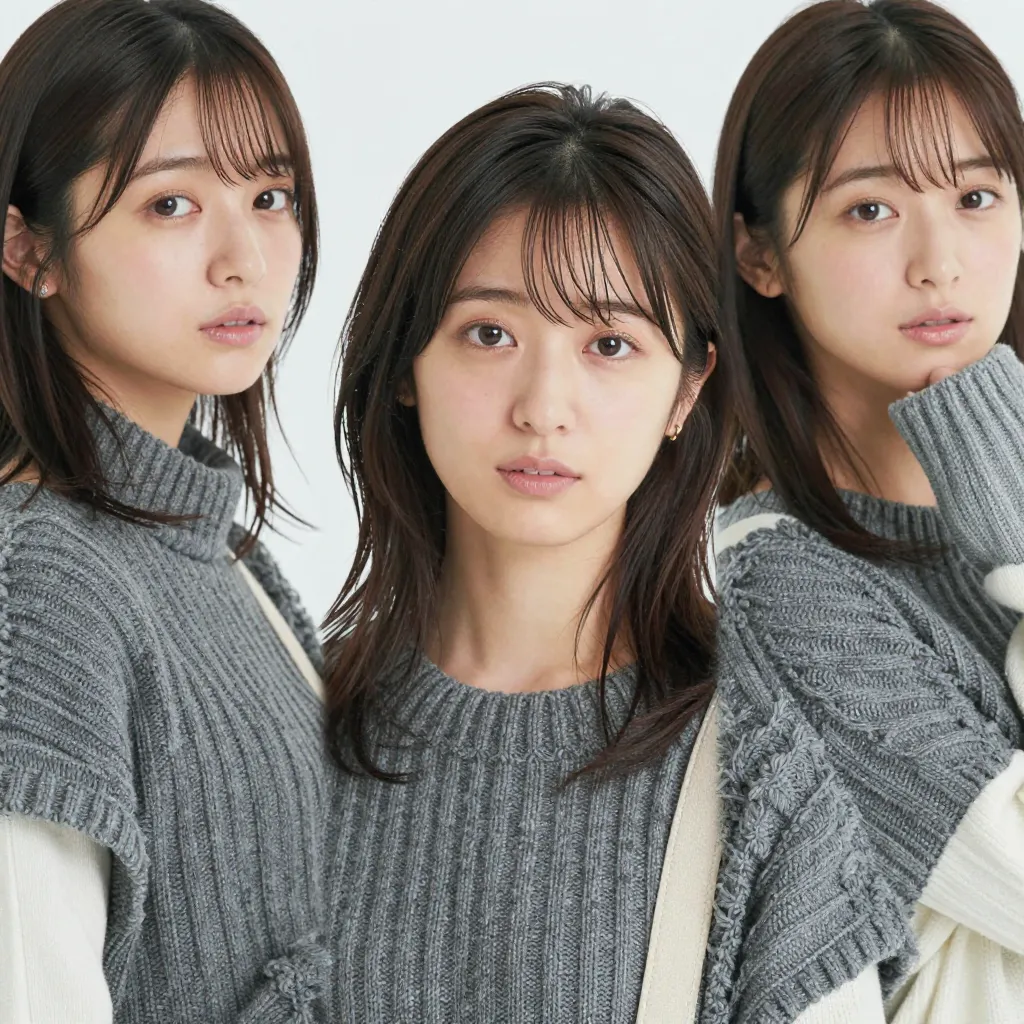 | 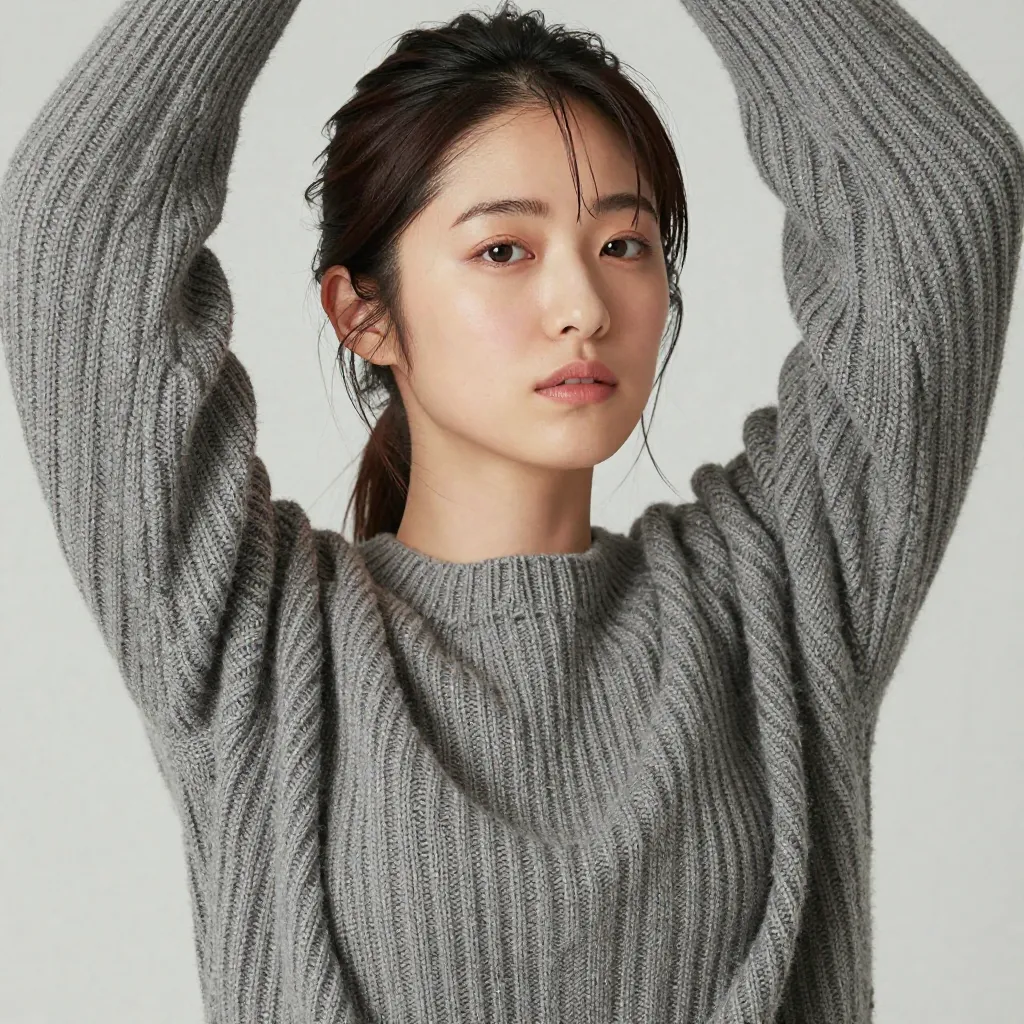 | 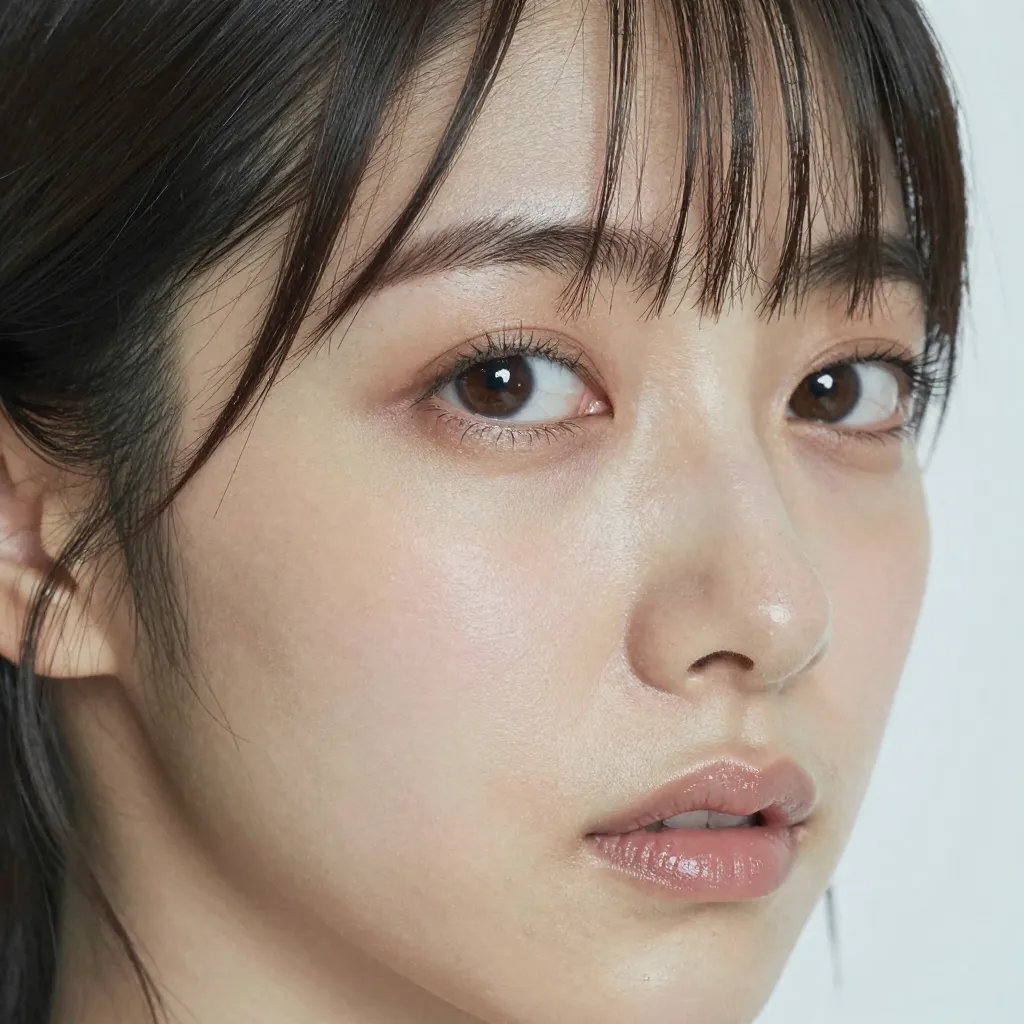 |
Observations: Seed 1003 shows a clearly short, rounded nose tip. Seed 1001 (a three-figure collage) and seed 1002 show slightly smaller noses, but the difference from control is minor. Overall: 1/3 clear, 2/3 subtle. For a small nose, button nose — confirmed effective in part 1 — is the more reliable choice.
A04: bulbous nose
| seed 1001 | seed 1002 | seed 1003 |
|---|---|---|
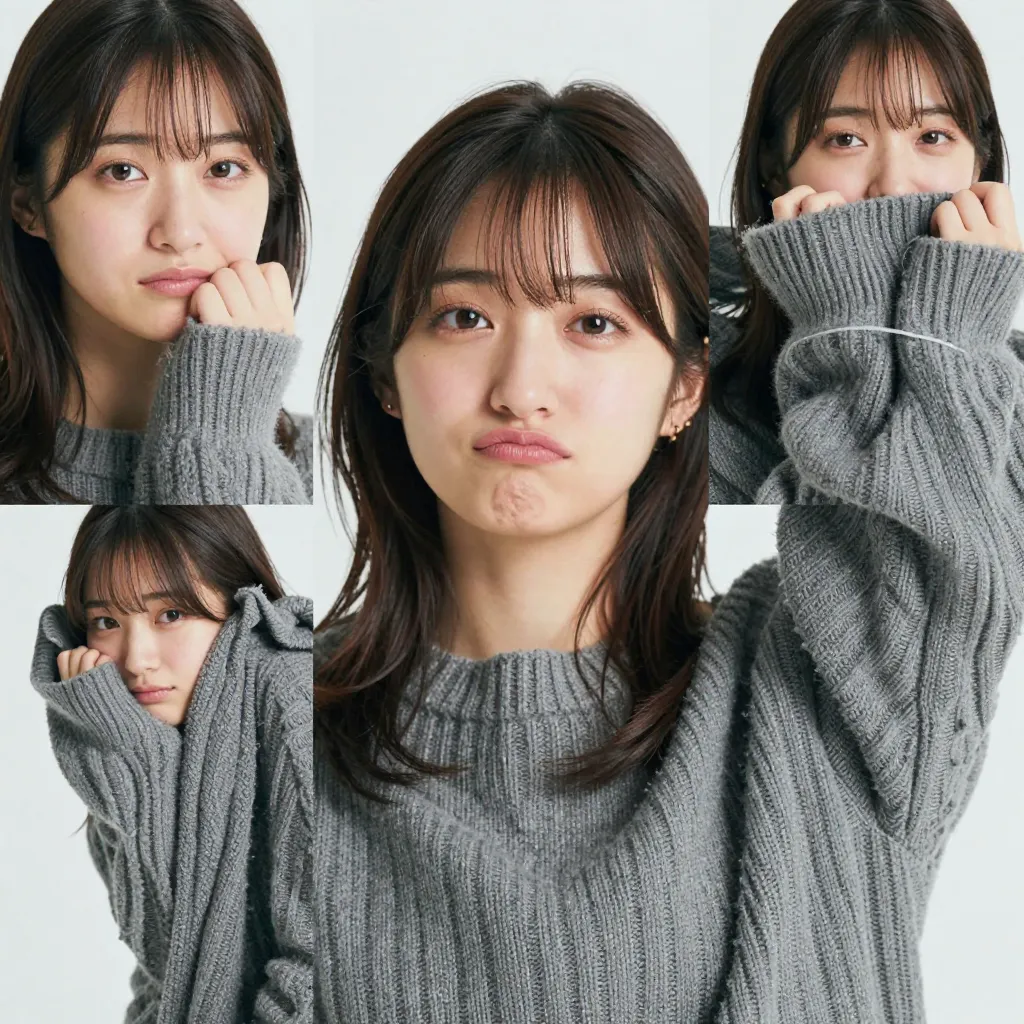 | 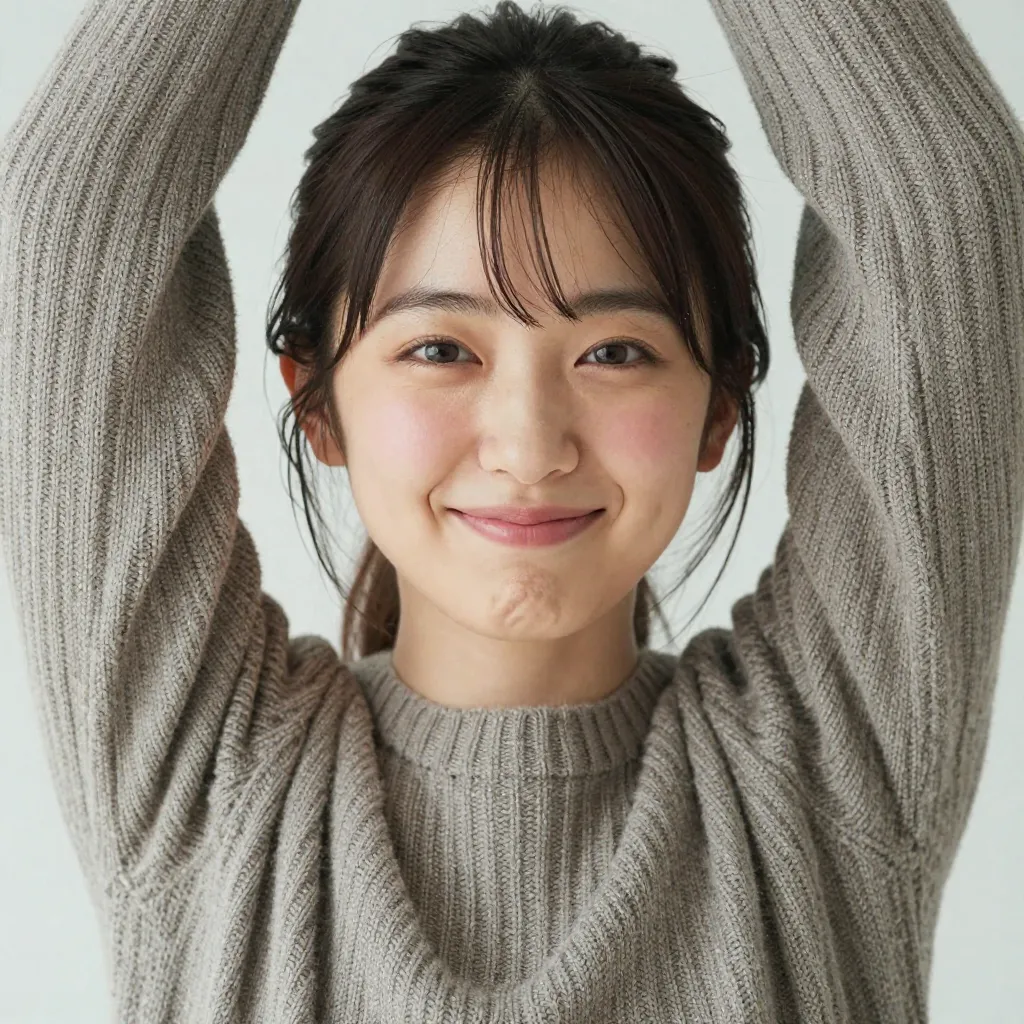 | 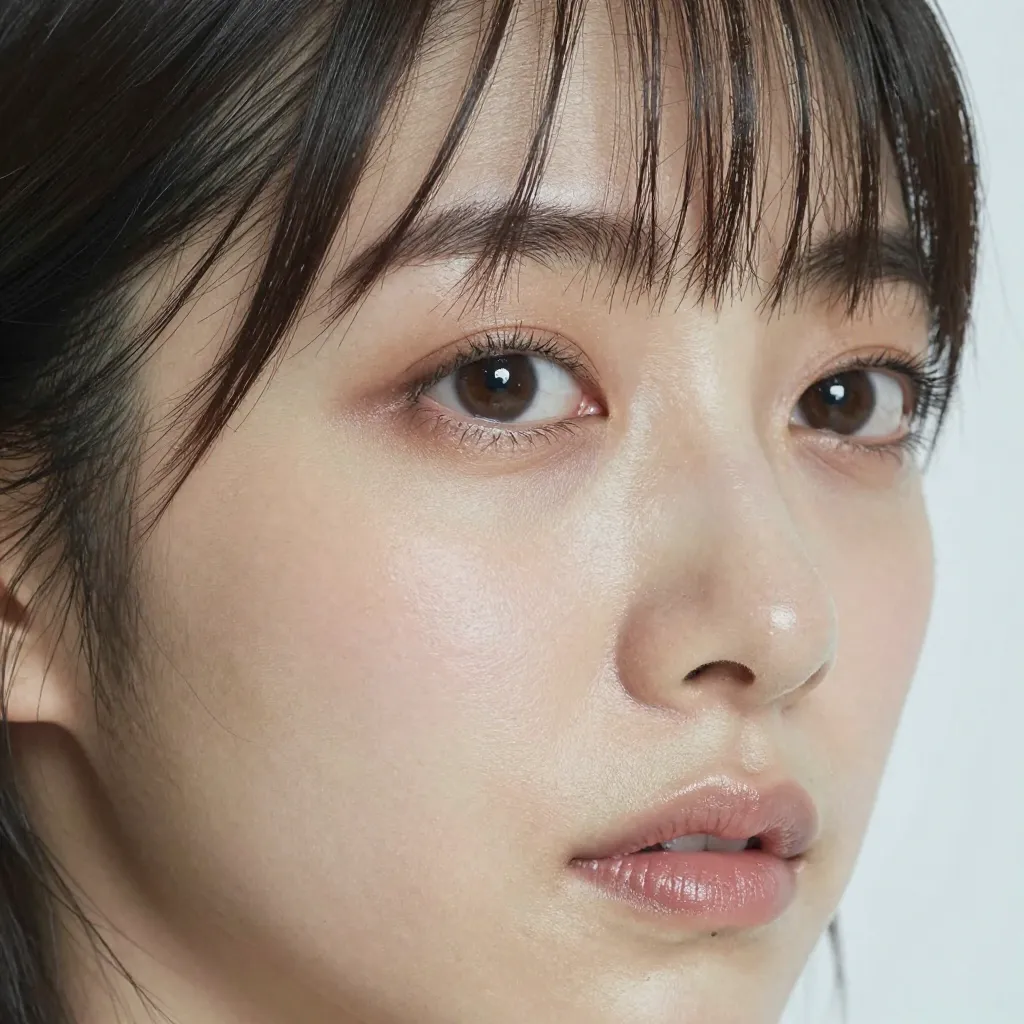 |
Observations: A round, enlarged nose tip appears in 0/3 images. Seed 1001 becomes a four-panel collage with poses like hiding the mouth behind a sweater and pouting, seed 1002 shows raised arms and a smile, seed 1003 is a close-up with a standard nose. Composition and pose changes dominate over any nose change.
A05: wide nose
| seed 1001 | seed 1002 | seed 1003 |
|---|---|---|
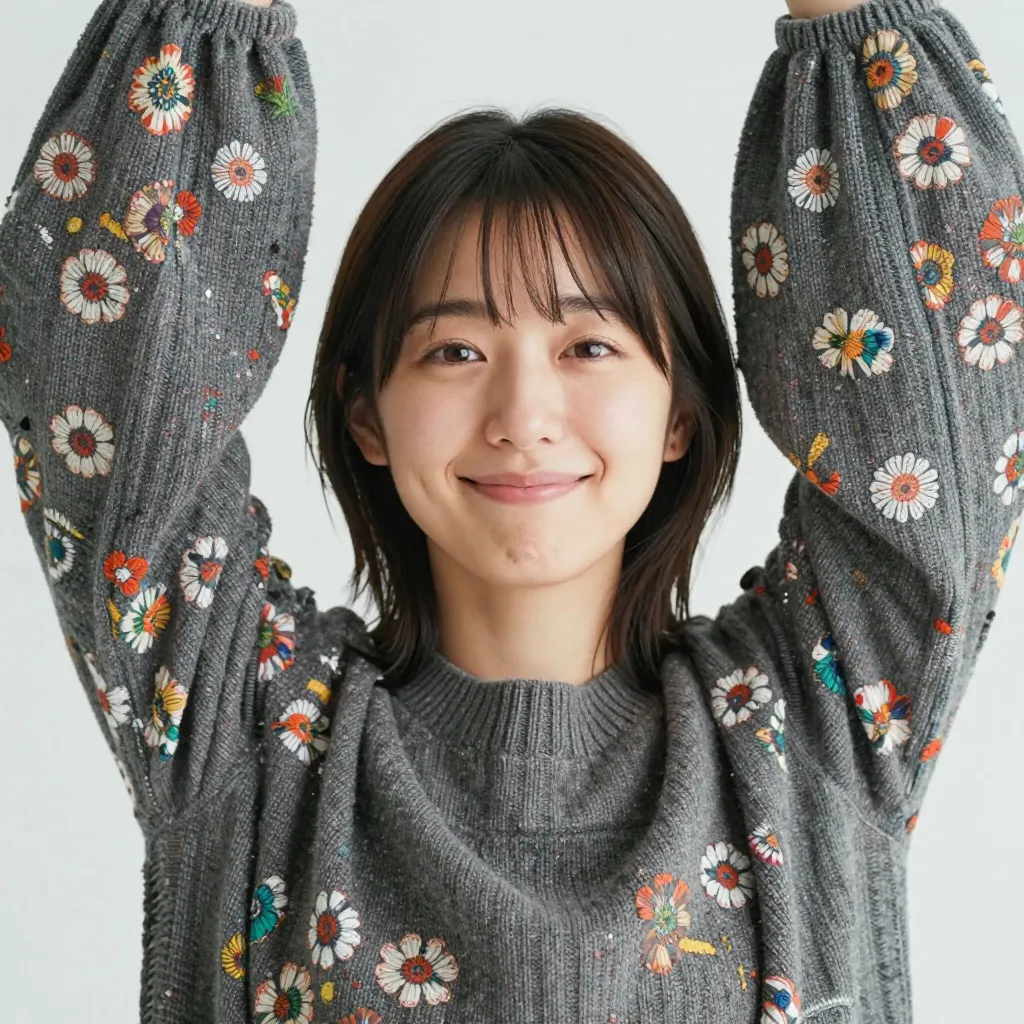 | 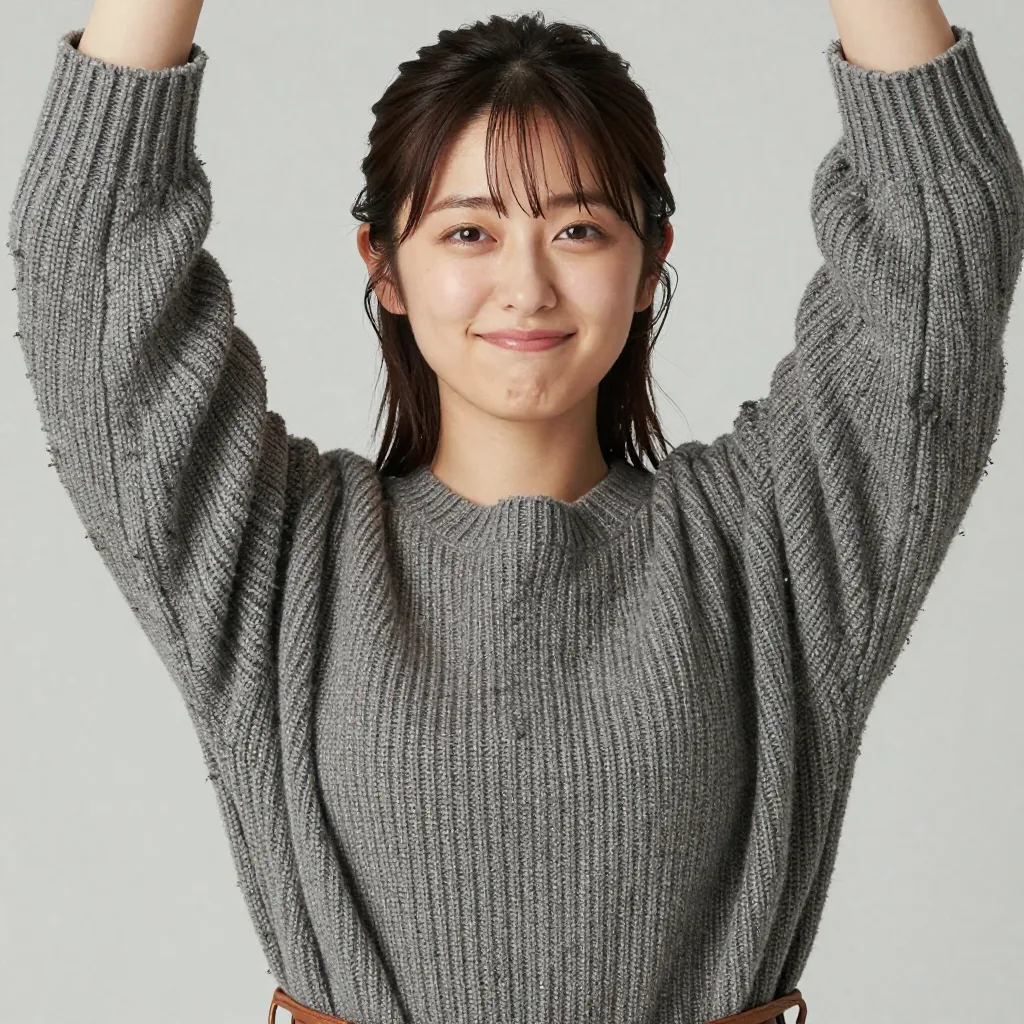 | 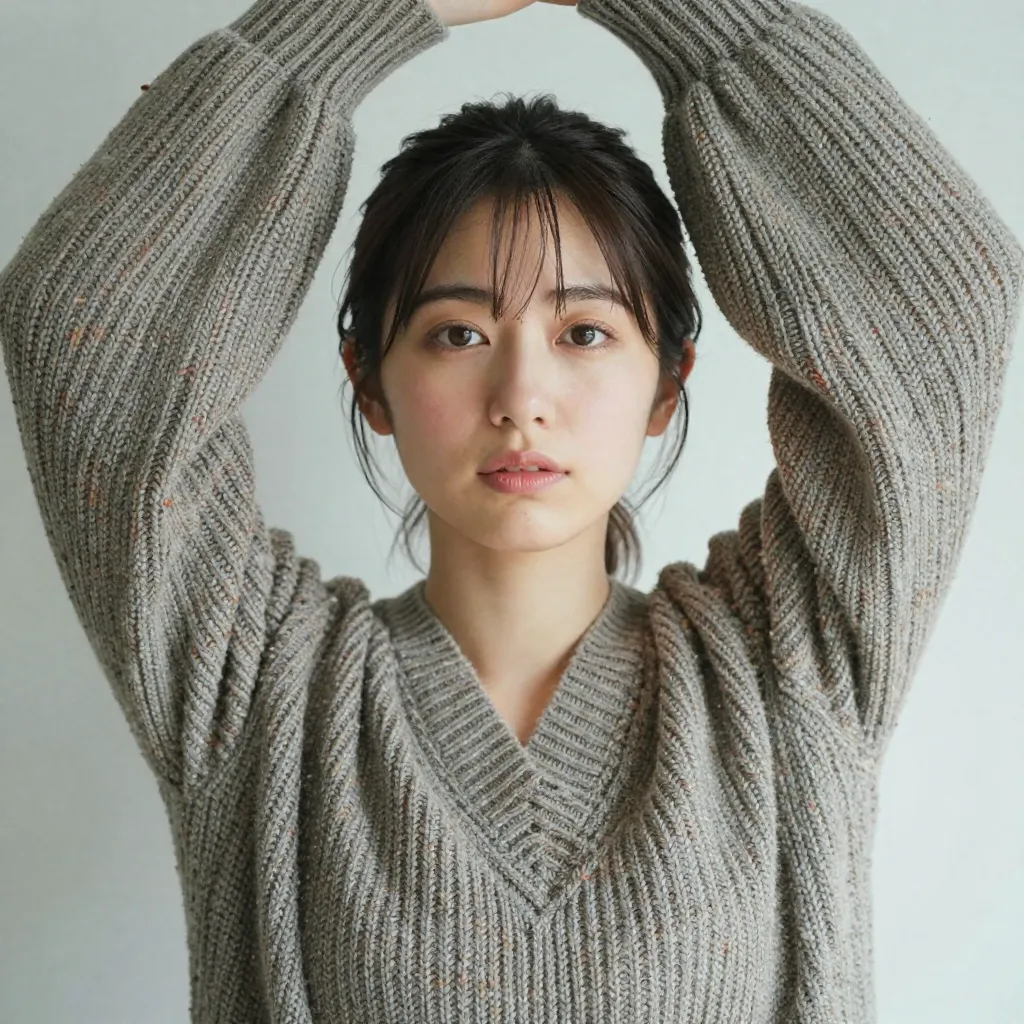 |
Observations: Nose-width increase: 0/3. All three images show arms raised overhead, and two show smiles. No effect on the nose was confirmed — only pose and expression side effects remain.
Summary
| Condition | Target | Effect on nose | Main side effects |
|---|---|---|---|
| flared nostrils | nostrils | 0/3 | hands covering face, tongue out, collage layouts |
| upturned nose | pig/upturned nose | 2/3 (subtle) | pursed lips, raised arms |
| snub nose | short nose | 1/3 clear, 2/3 subtle | collage layouts |
| bulbous nose | bulbous nose | 0/3 | mouth-hiding poses, collage layouts |
| wide nose | wide nose | 0/3 | raised arms (3/3) |
For fine nose-shape control, the practical options remain the two axes confirmed in part 1: aquiline nose (high, straight bridge) and button nose (small and round). Keywords aimed at nostrils, bulbous, or wide noses act on pose and expression instead of the nose in this model.
Note: The repeated “arms raised overhead” pose appearing only in nose-keyword conditions was unexpected. The reason is unknown, though the outputs look as if the model is staging compositions that draw attention to the face.

![[Verified] Image Generation Prompt Best Practices](/tips/prompt-best-practices/cover_0_0000_4517457392071889496.webp)