Key Takeaways
aquiline nosewas the most effective keyword for generating a high, defined nose. 2 out of 3 images showed profile compositions with a clearly elevated, straight nasal bridgehigh nose bridgeshowed a slight tendency toward a higher bridge, but the difference from control was subtle and hard to distinguish depending on compositionprominent nosetriggered extreme close-ups making the nose appear large, but the effect was more “big” than “high.” Wet skin was an unexpected side effectsharp nosenarrowed the nose width and sharpened the tip — controlling “sharpness” rather than “height”tall nosehad no clear effect on nose shape and instead affected clothing/composition unexpectedlybutton nose(contrast condition) clearly produced small, round noses, confirming that nose keywords do influence facial features
Experiment Design
| Parameter | Value |
|---|---|
| Model | z-image-turbo (6B, photorealistic distilled) |
| Steps | 8 |
| Sampler | euler |
| Scheduler | ddim_uniform |
| CFG | 1.0 |
| Size | 1024x1024 |
| Seeds | 3 fixed (1001, 1002, 1003) |
| Per condition | 3 images (3 seeds) |
| Total | 7 conditions = 21 images |
Base Prompt
A simple portrait composition was chosen to make nose shape changes easy to observe.
A00: Control (no keyword)
| seed 1001 | seed 1002 | seed 1003 |
|---|---|---|
 | 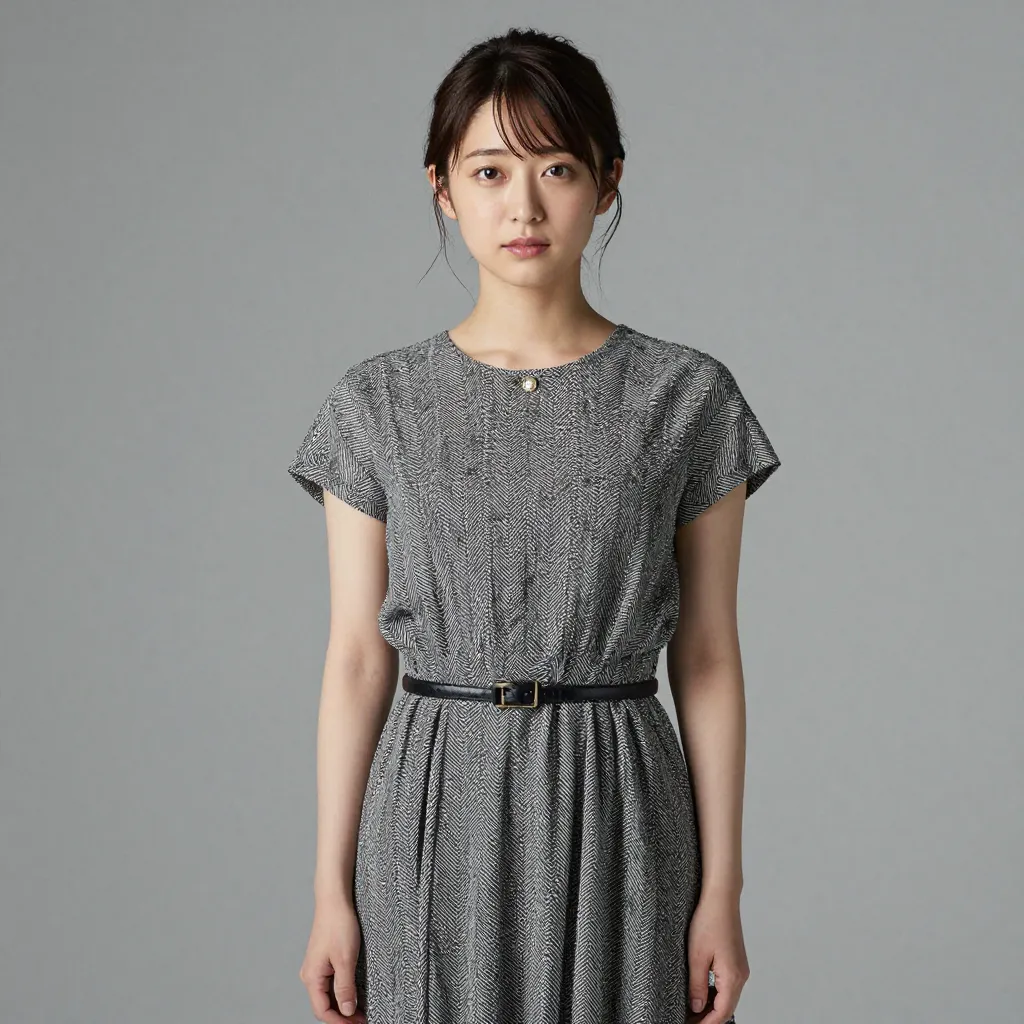 | 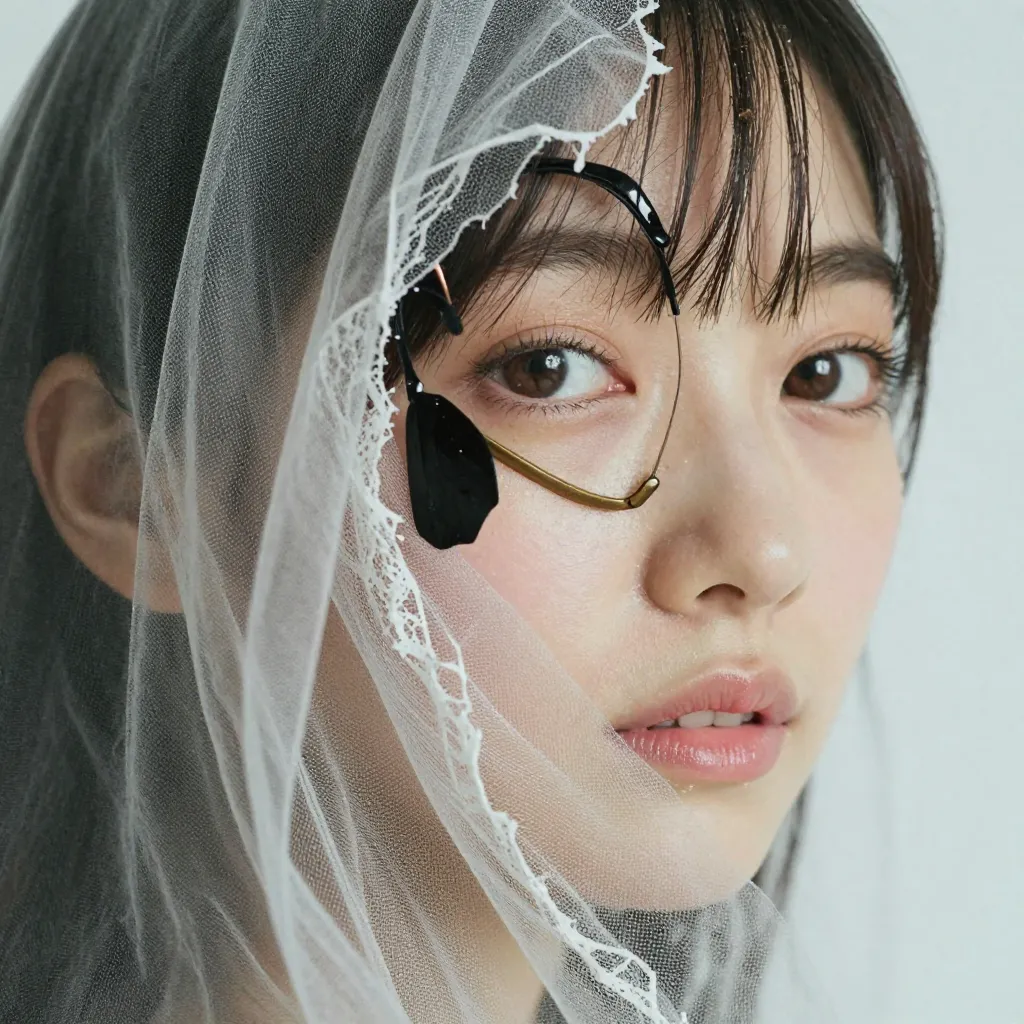 |
Observation: s1001 is a 5-pose composite, s1002 is an upper-body portrait, s1003 is a close-up with a veil. All three show standard nose size and height with no notable features.
A01: high nose bridge
| seed 1001 | seed 1002 | seed 1003 |
|---|---|---|
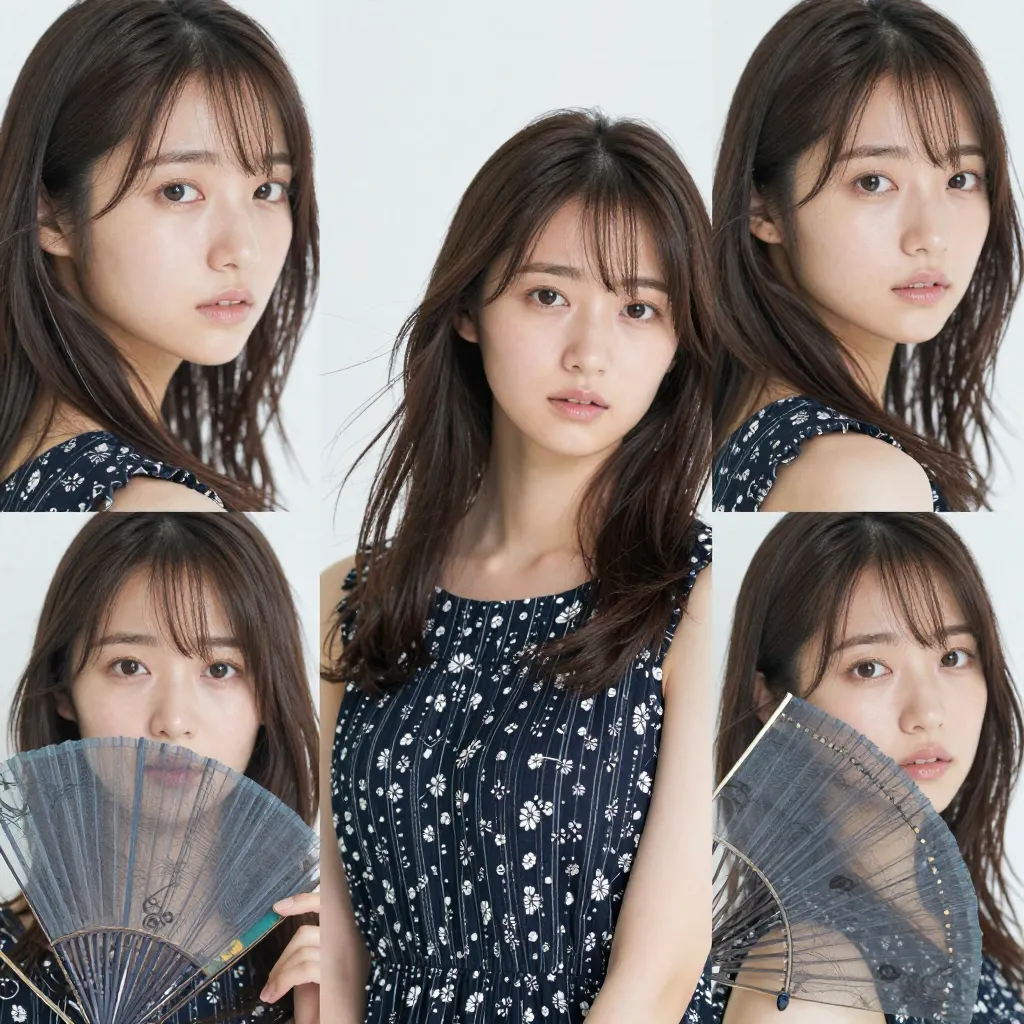 |  |  |
Observation: s1001 is a composite with side-profile cuts showing a slightly higher bridge. s1002 features arms-raised pose in a gray knit with a slight angle showing a defined bridge line. s1003 is a 3/4 close-up where the bridge appears marginally higher than control. All 3 show subtle differences, and composition changes may be influencing perceived nose height.
A02: prominent nose
| seed 1001 | seed 1002 | seed 1003 |
|---|---|---|
 |  |  |
Observation: All 3 images triggered extreme facial close-ups. s1001 is a 6-panel composition with blue paint on the face as an artifact. s1002 and s1003 are tight face crops where the nose occupies a large portion of the frame. All three show wet/dewy skin. The nose appears “big and prominent” rather than “high.” prominent was interpreted as “standing out/protruding,” strongly affecting composition and skin texture.
Note: “prominent nose” pulls the result toward “big nose” rather than “high nose,” and also tends to add facial close-ups and wet skin. This is a literal interpretation of “standing out,” but not the intended effect.
A03: aquiline nose
| seed 1001 | seed 1002 | seed 1003 |
|---|---|---|
 |  |  |
Observation: s1001 shows 3 figures in a row, all with defined nose bridges. s1002 and s1003 are profile to 3/4 close-ups where the nasal bridge is clearly straight and elevated compared to control. 2 out of 3 images triggered profile angles, consistent with the visual image of “aquiline (eagle-like) nose.” This was the condition with the most clearly visible nose height change in our test.
Note: aquiline nose gives the closest result to what Japanese speakers mean by “鼻が高い” (high nose). The tendency to trigger profile shots is convenient when the goal is to show off the nose. Technically “aquiline” means a downward-curving hook nose, but this model renders it as a straight, high bridge instead.
A04: button nose (contrast condition)
| seed 1001 | seed 1002 | seed 1003 |
|---|---|---|
 | 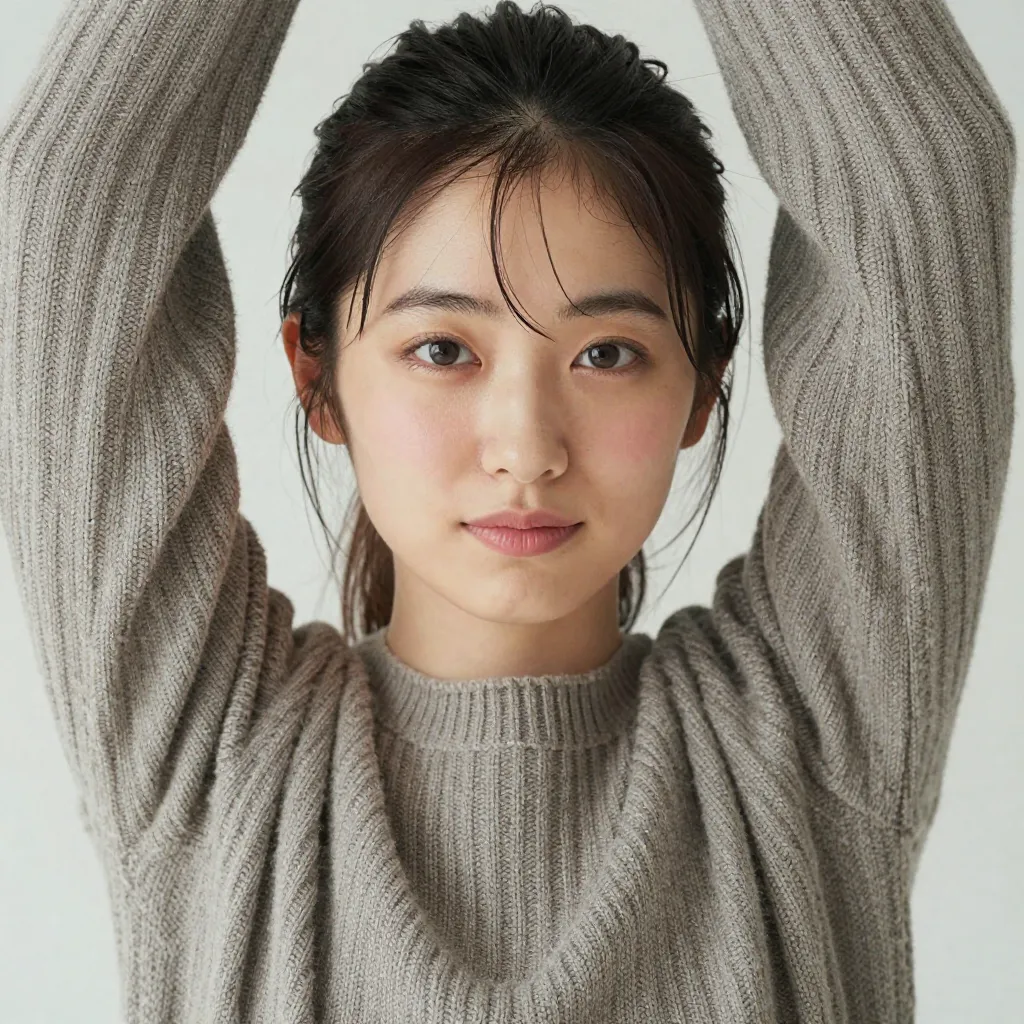 | 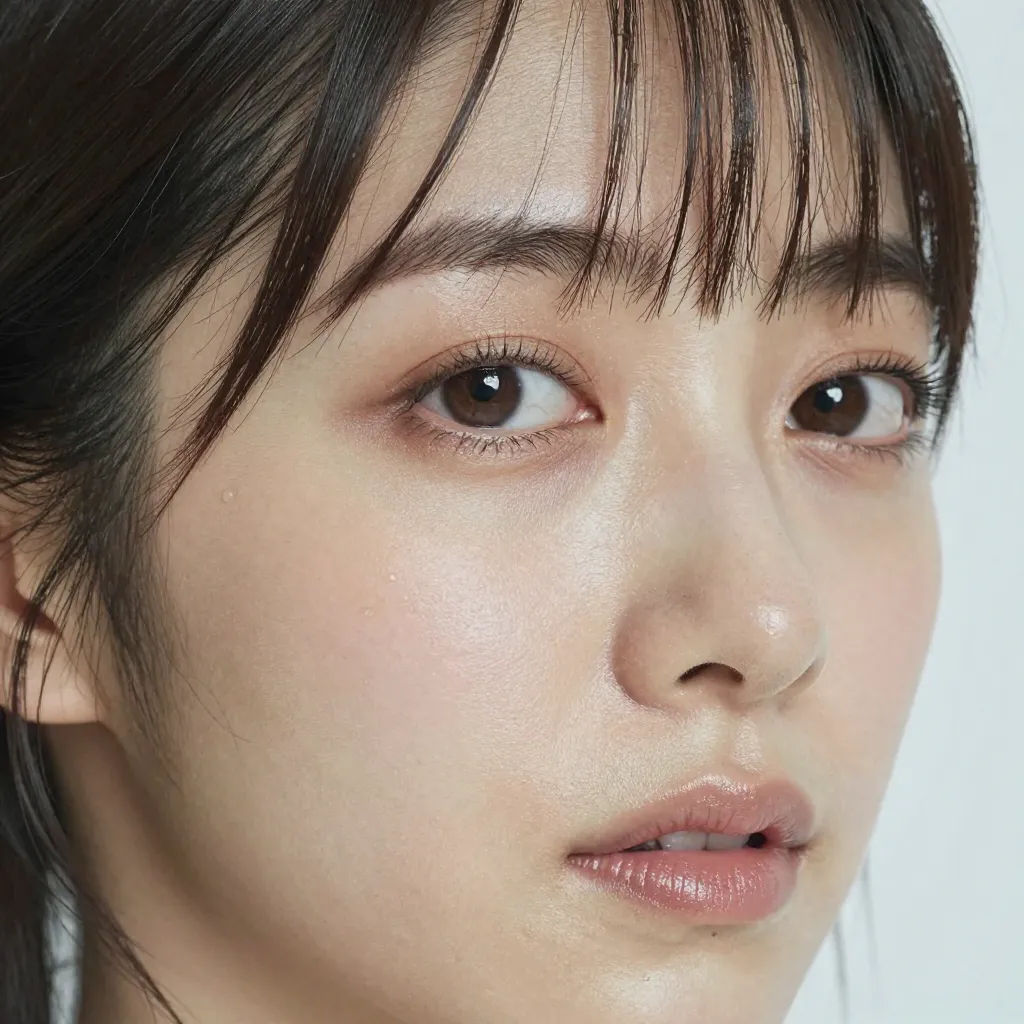 |
Observation: All 3 images show small, round noses. The nose presence is clearly diminished compared to control. s1001 and s1002 feature knit sweaters with arms-raised poses, and the overall appearance skews younger. This contrast condition confirms that nose keywords do affect facial structure.
A05: sharp nose
| seed 1001 | seed 1002 | seed 1003 |
|---|---|---|
 | 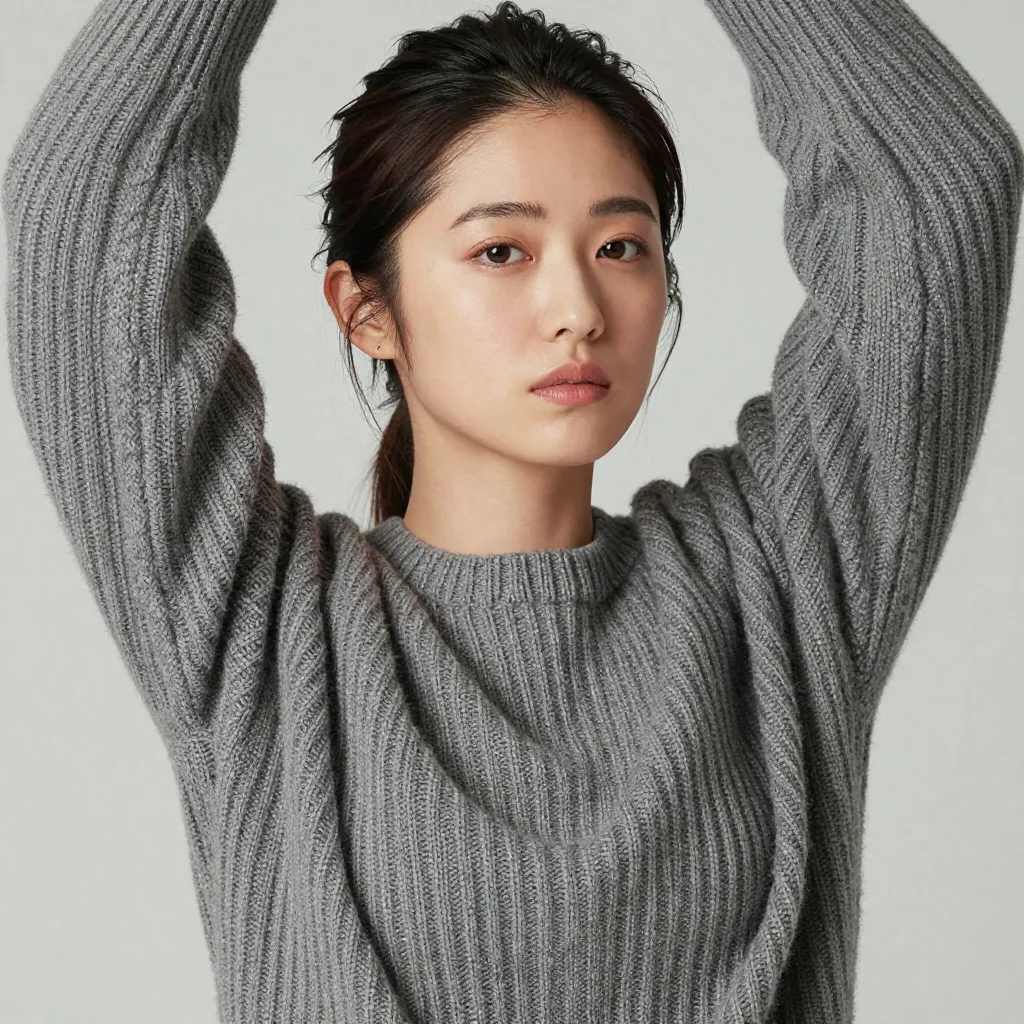 | 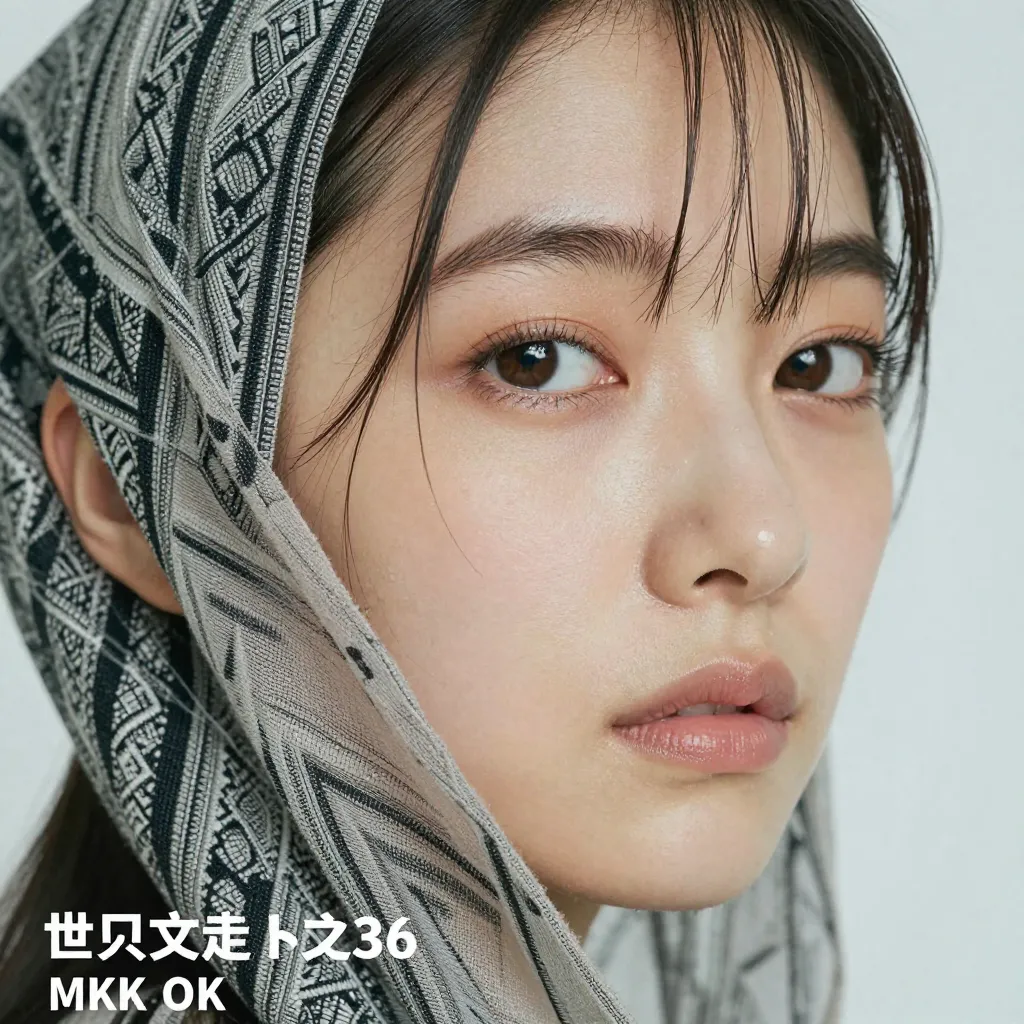 |
Observation: s1001 is a 3-person composition, s1002 is an arms-raised pose, s1003 is a close-up with a scarf. All 3 show narrower noses with slightly pointed tips. However, height changes compared to control are minimal. sharp affects nose width (narrowness) and tip sharpness but has limited impact on height. s1003 has text artifacts appearing in the image.
A06: tall nose
| seed 1001 | seed 1002 | seed 1003 |
|---|---|---|
 |  |  |
Observation: No clear effect on nose shape. s1001 shows a tropical-print kimono-style outfit in 3 poses, s1002 is an upper-body portrait with a small face (hard to assess nose detail), s1003 is a casual portrait against a woven tapestry. tall may have been interpreted in the “height/stature” context. No clear nose shape change was confirmed across all 3 images compared to control.
Summary
| Condition | Effect on Nose Height | Side Effects | Verdict |
|---|---|---|---|
| high nose bridge | Subtle. Slightly higher tendency | Minimal | △ |
| prominent nose | “Big” rather than “high” | Extreme close-up, wet skin, blue paint | ✕ |
| aquiline nose | Clearest increase in bridge height | Profile compositions tend to appear | ◎ |
| button nose | Opposite direction (small, round) | Younger appearance | (contrast) |
| sharp nose | Width direction. Height is subtle | Text artifacts | △ |
| tall nose | No effect | Composition/clothing affected | ✕ |
For generating a person with a high nose, aquiline nose is the most effective keyword. The tendency to trigger profile compositions actually works in your favor when showcasing nose height. For a narrower look, consider combining with sharp nose.
Note: Direct English translations of the Japanese “鼻が高い” (high nose) — like
tall noseorhigh nose bridge— are weak, whileaquiline nose(eagle nose) gives the closest result to the intended meaning. This highlights a gap between linguistic phrasing and visual concepts.
![[Experiment] Eye Color and Shape Control Test | 13 Conditions, 39 Images](/tips/eye-color-shape-control-test/cover.webp)
![[Verified] Image Generation Prompt Best Practices](/tips/prompt-best-practices/cover_0_0000_4517457392071889496.webp)