Conclusions
- The single word “gothic” simultaneously changes makeup (dark style), costume (black-based), and background (candles, decorative space)
- gothic glamour vs gothic lolita have clearly different directions (glamorous and luxurious vs cute and frilly)
- dark glamour reduces gothic decoration and produces a modern, sexy feel
- Specific item specification (F) has higher reproducibility than style keywords (B)
- Gothic keywords also spill over into makeup and hair color (dark lipstick, smoky eyes, etc.)
What This Article Covers
- How the single word “gothic” affects fashion
- Output differences between gothic glamour / gothic lolita / dark glamour
- Comparison with specific gothic item specifications
- Optimal prompts for dark and glamorous costume expression
Experiment Conditions
| Item | Value |
|---|---|
| Model | z-image-turbo (6B, realism-focused distilled) |
| Steps | 8 |
| Sampler | euler |
| Scheduler | ddim_uniform |
| CFG | 1.0 |
| Image size | 1024×1024 |
| Seeds | 3 fixed: 42, 123, 789 |
Base Prompt
Background unified to dark interior to bring out the gothic atmosphere.
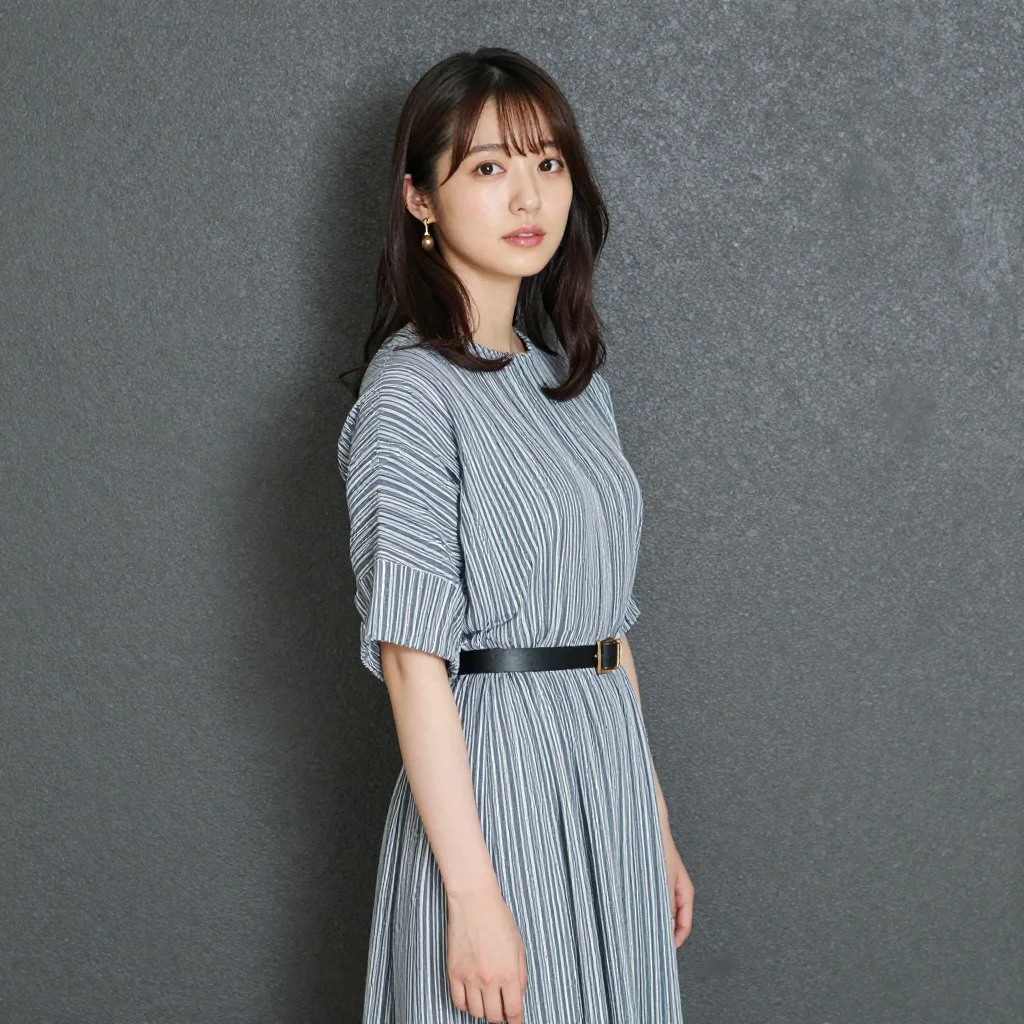
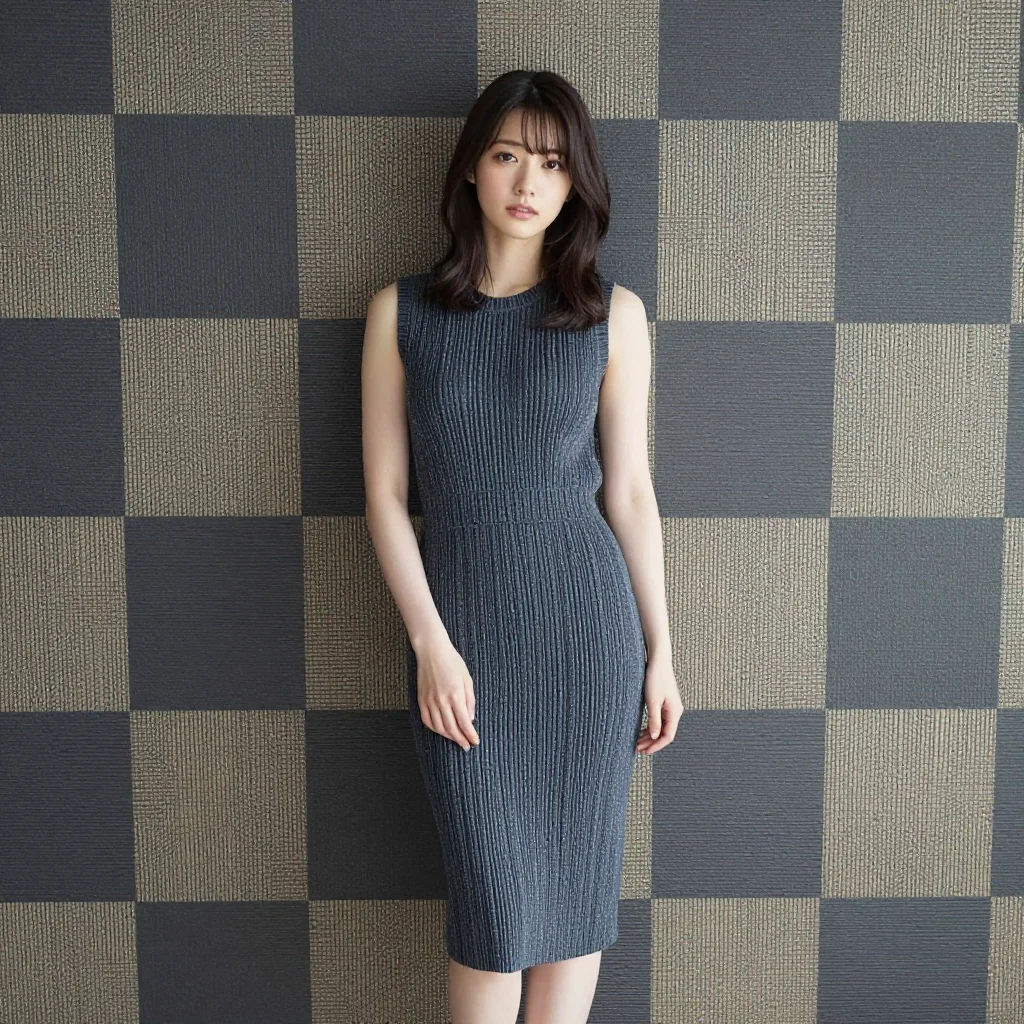
Condition A: Baseline — No Style Specification
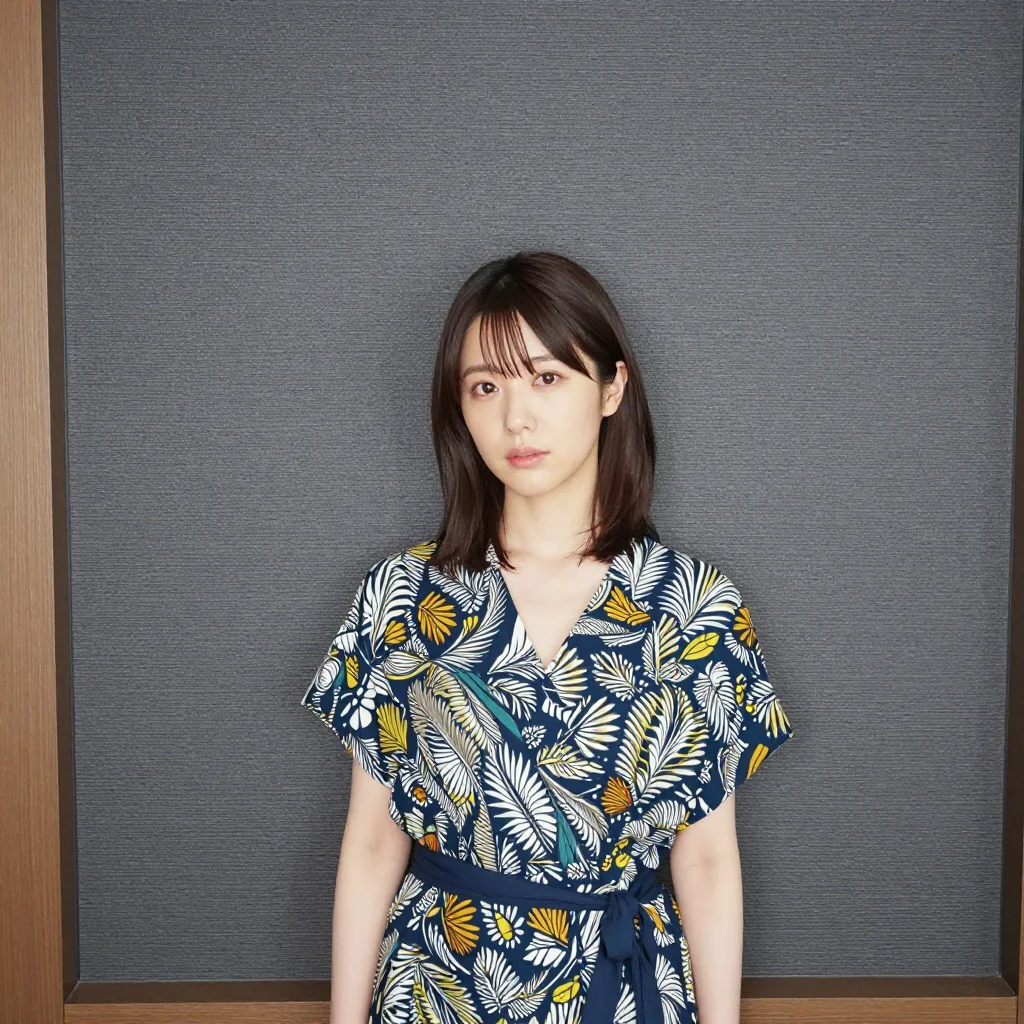
Baseline for comparison with no fashion specification.
Observation
Casual clothing against a dark indoor background. No special style specification.
Condition B: gothic (1 token)
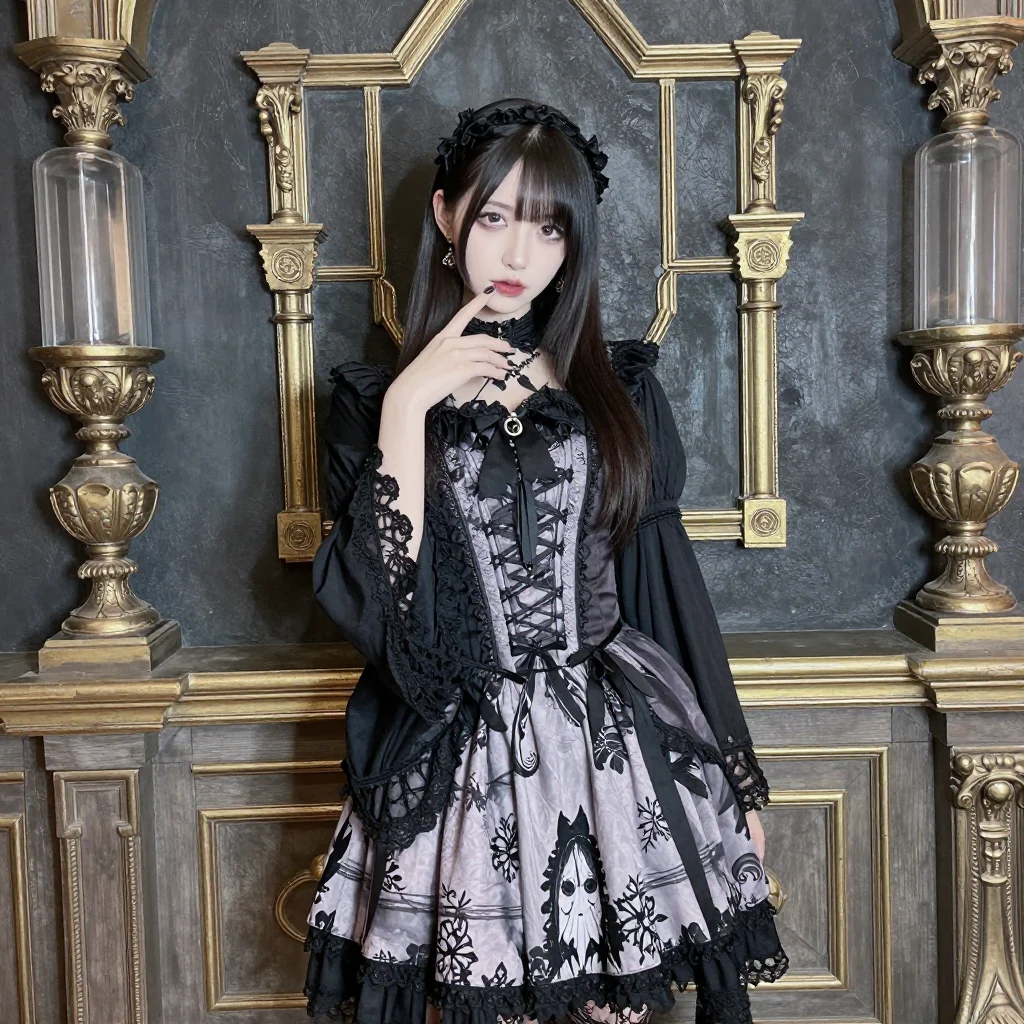
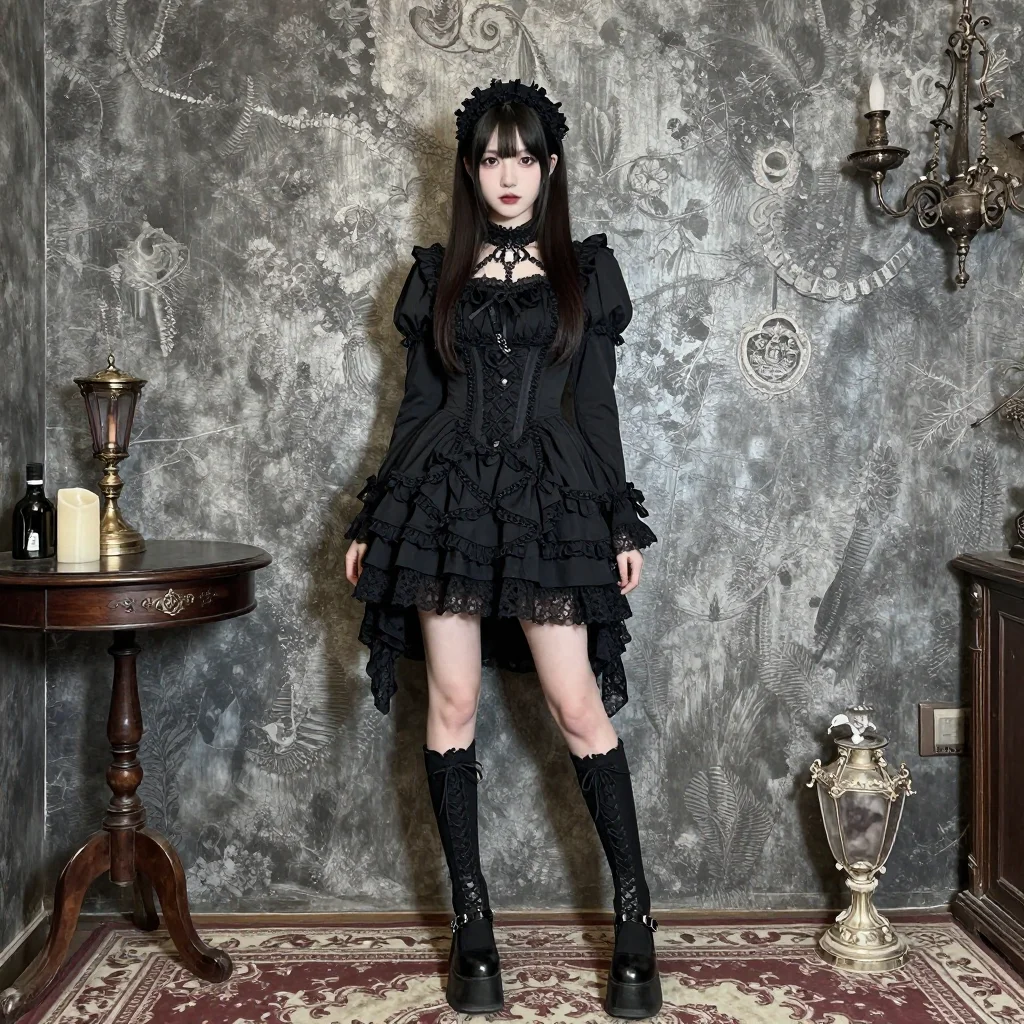
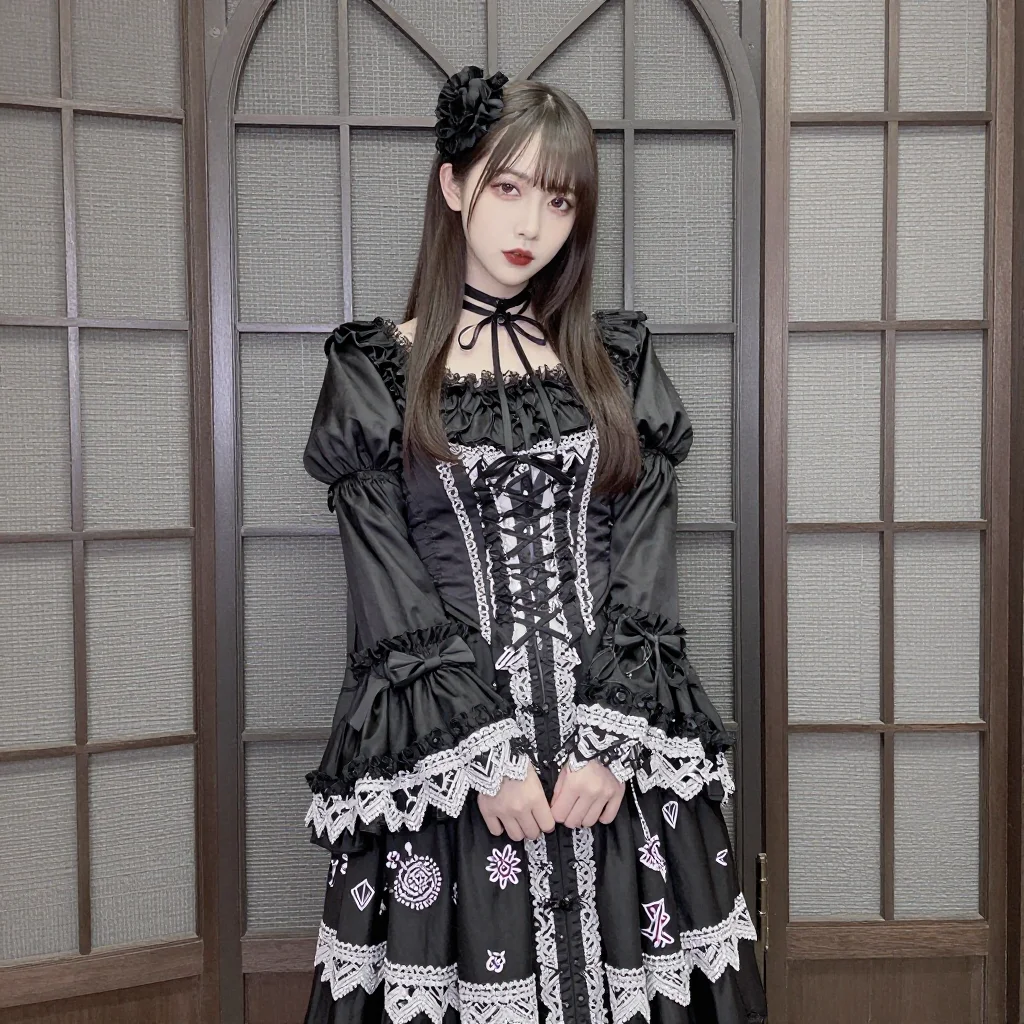
The simplest possible specification.
Observation
Dark fashion with black as the base. Black lace and velvet materials. Makeup shifts toward dark (heavy eyeliner, dark lipstick). Background tends to produce gothic props like candles and ornate gold frames.
Condition C: gothic glamour (2 tokens)
Direct specification of gothic × glamorous.
Observation
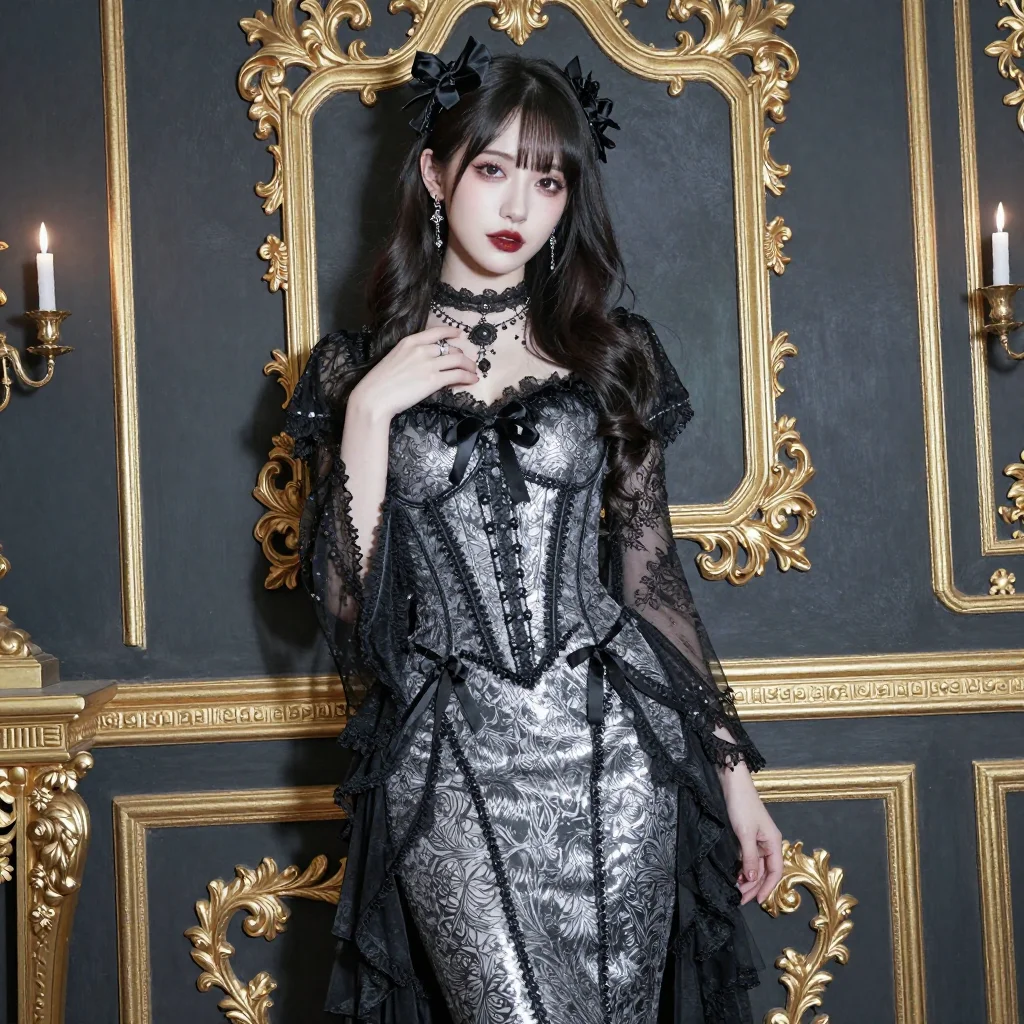
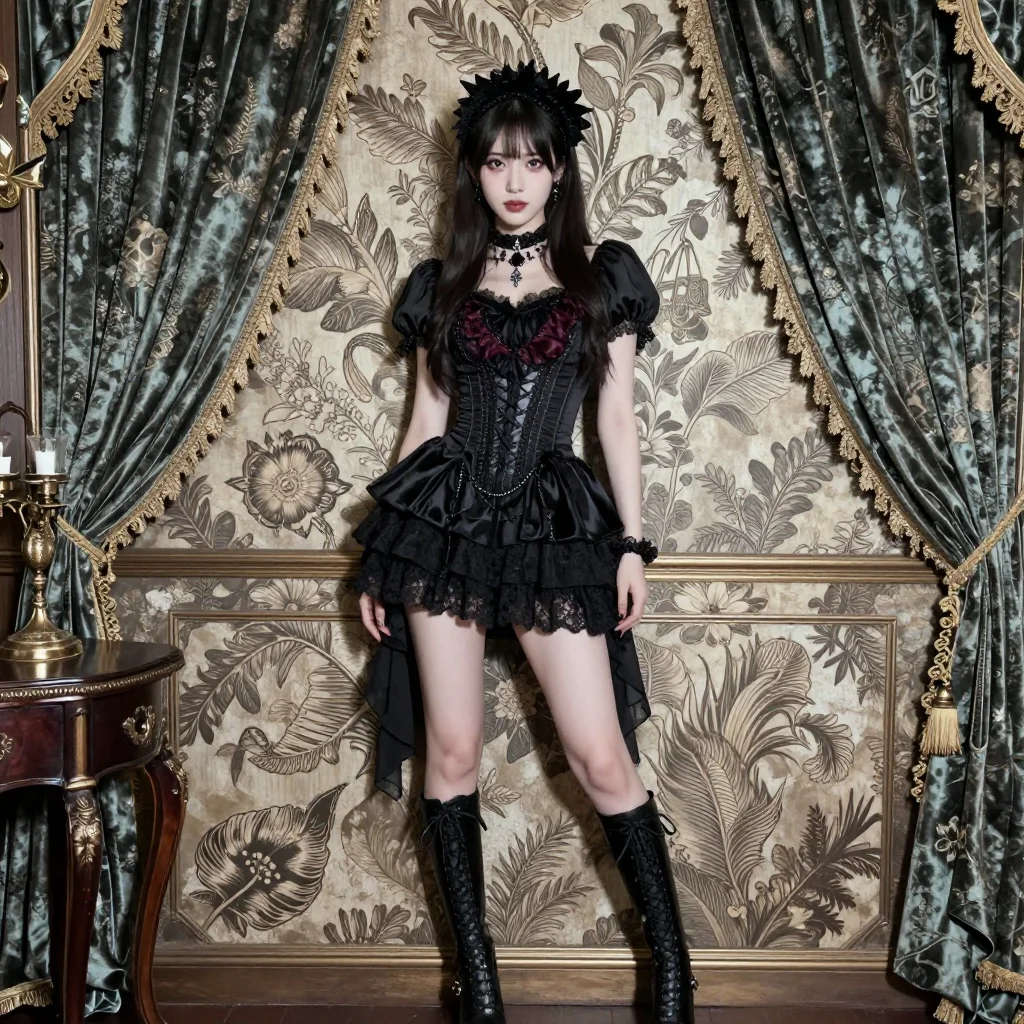
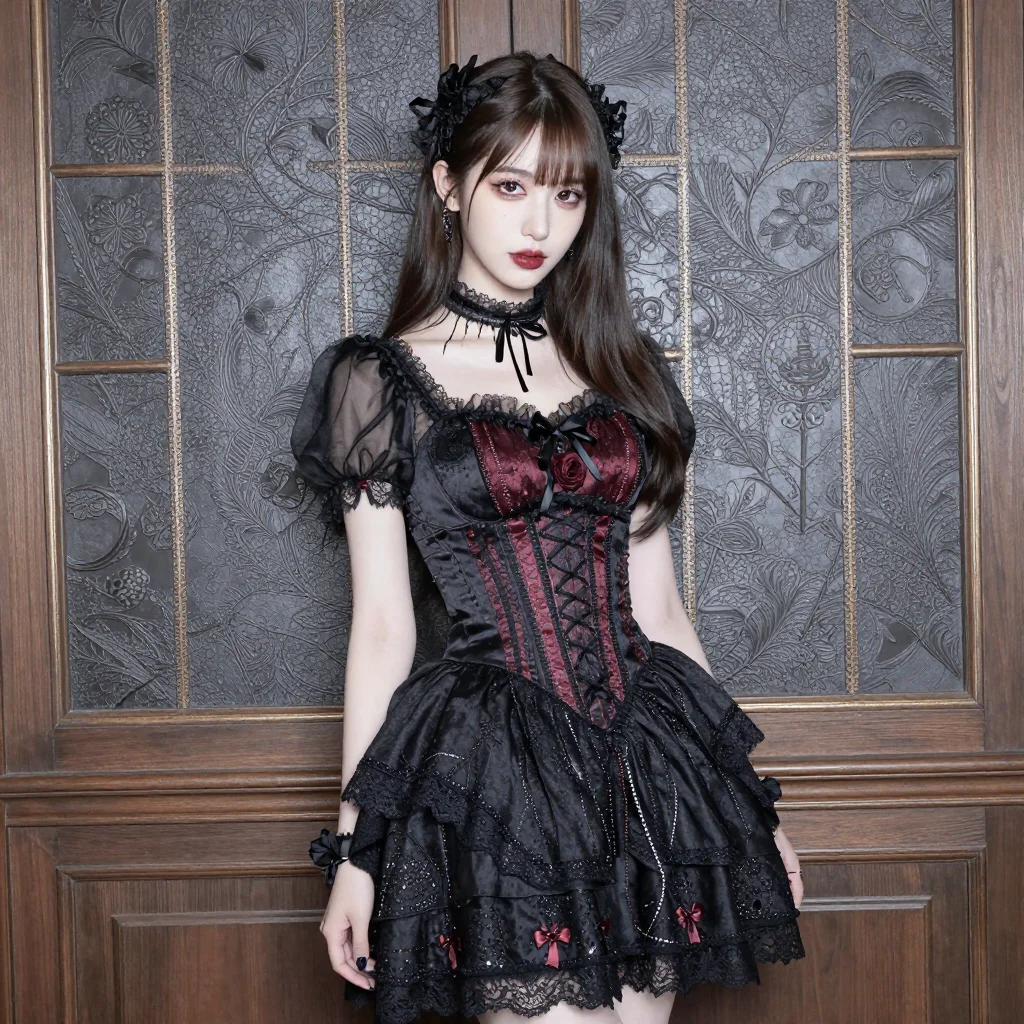
Gothic direction with added glamorous elements: silver × black brocade corset dress, black lace sleeves, choker necklace, black rose hair accessory. Background shifts to a luxurious space with gold leaf frames and candles. Compared to B, more decorative parts appear (choker, hair ornament, lace sleeves) and fabric shows brocade patterning.
Note: With just 2 tokens,
gothic glamourproduced a corset, choker, black roses, and candles all together. The amount of detail generated relative to the token count is notably high.
Condition D: gothic lolita (2 tokens)
Testing the gosurori direction — a contrasting direction from glamour.

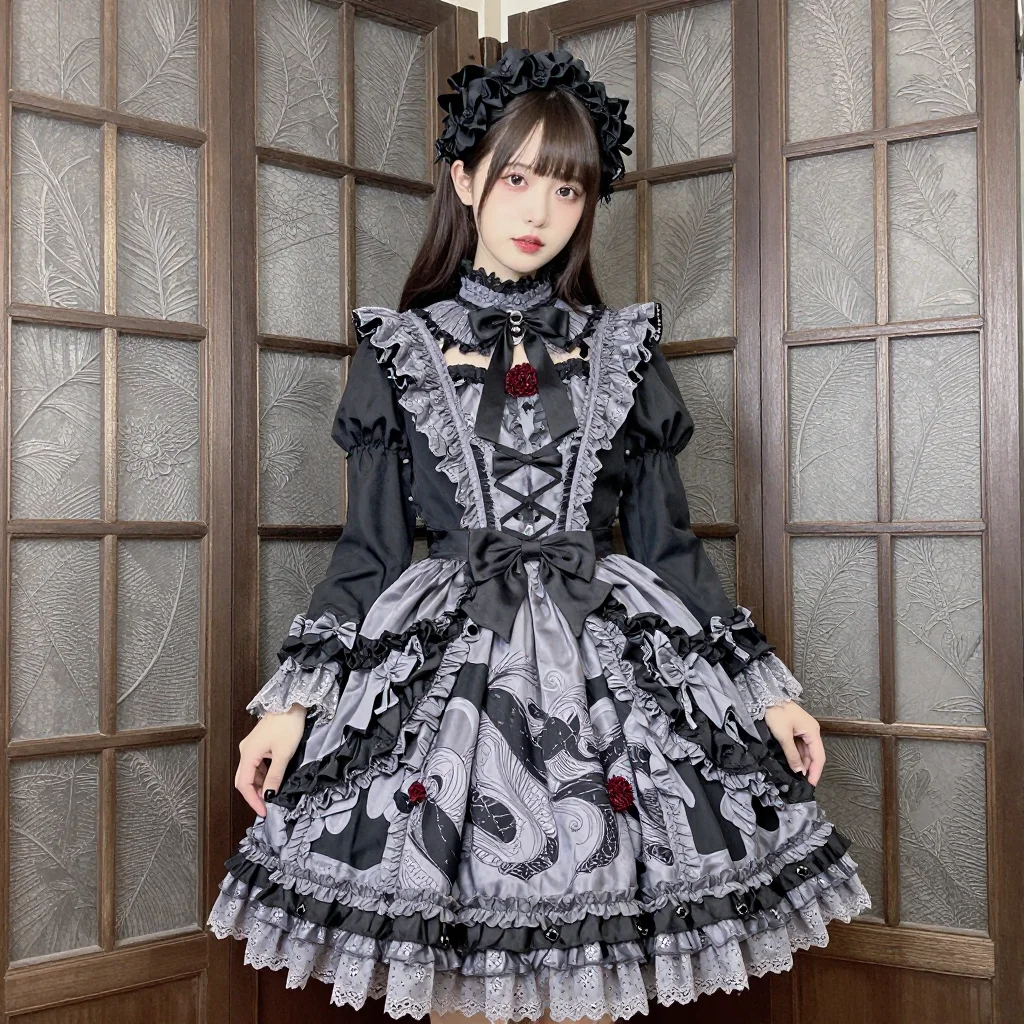
Observation
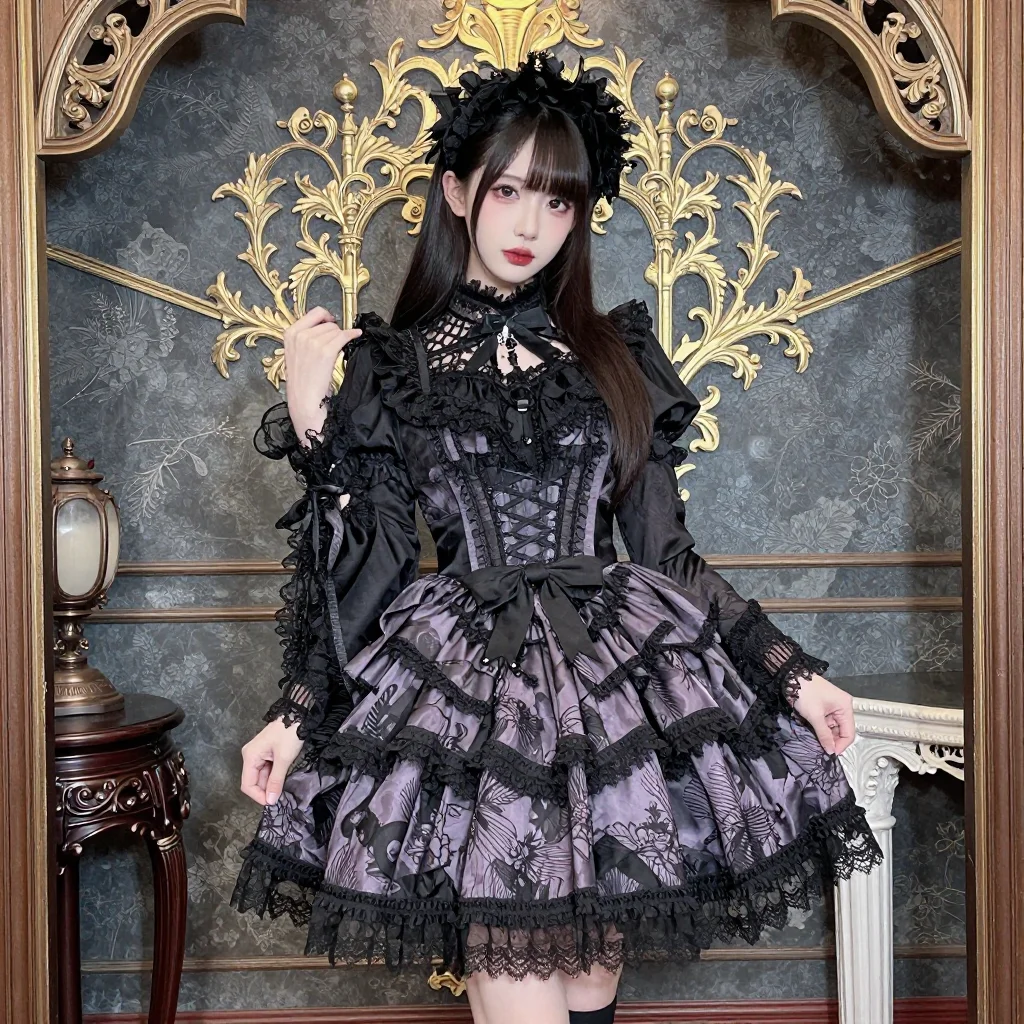
Gothic lolita direction. Dresses with heavy use of frills, lace, and ribbons. Color is predominantly black × white. In contrast to C’s glamorousness, this goes in a cute direction.
Condition E: dark glamour (2 tokens)
Dark × glamorous expression that doesn’t include “gothic.”
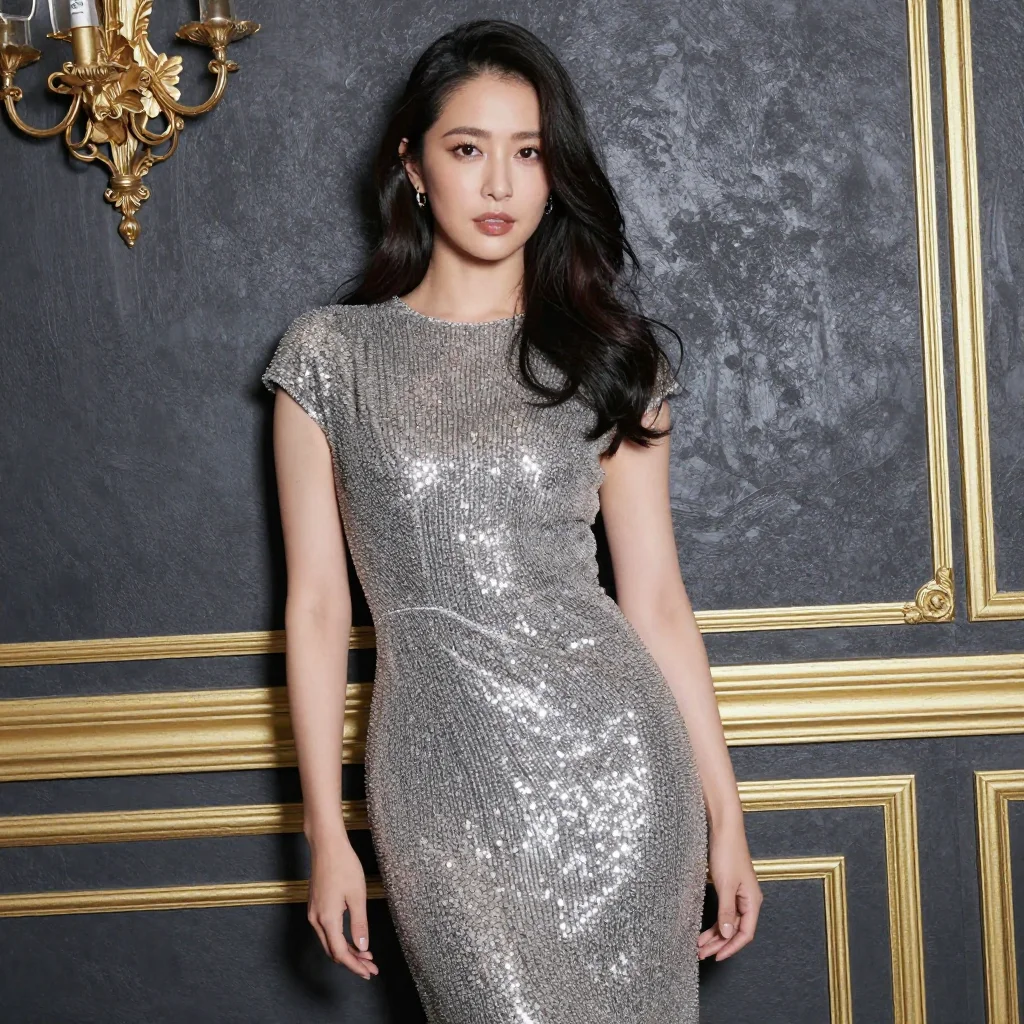
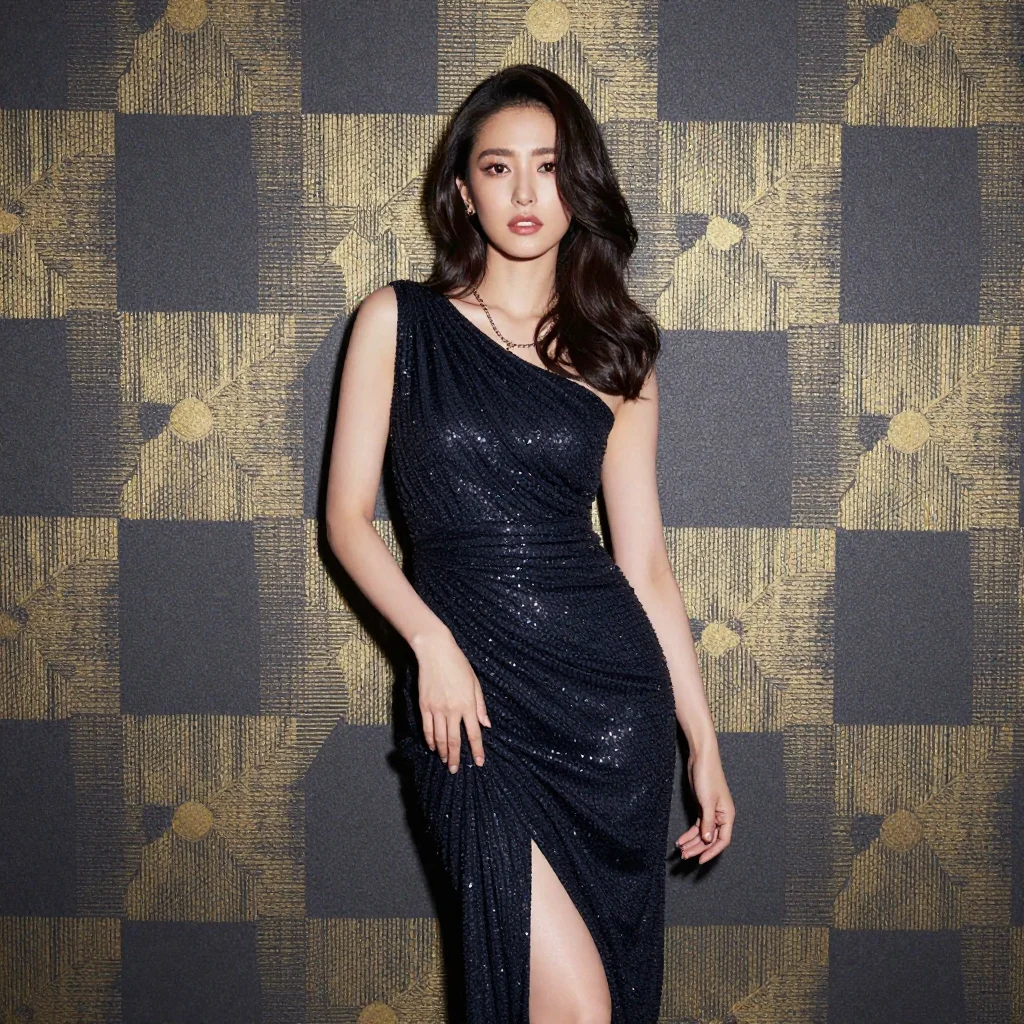
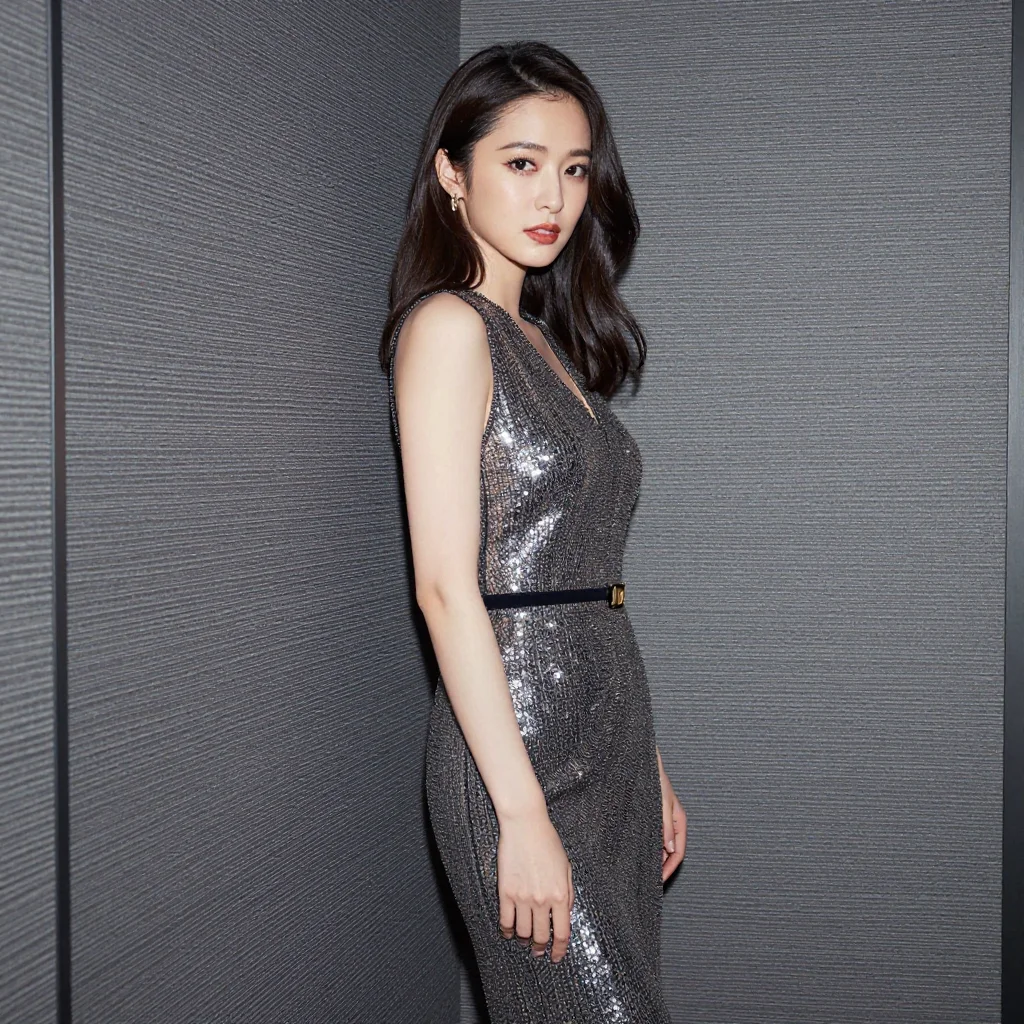
Observation
Gothic elements are reduced, producing dark and sexy fashion. Tends toward black evening dresses and slit dresses. Gothic decoration (candles etc.) is minimal, with simple black outfits in lustrous fabric.
Condition F: Specific Gothic Item Specification (10 tokens)
An approach that enumerates individual gothic fashion items.

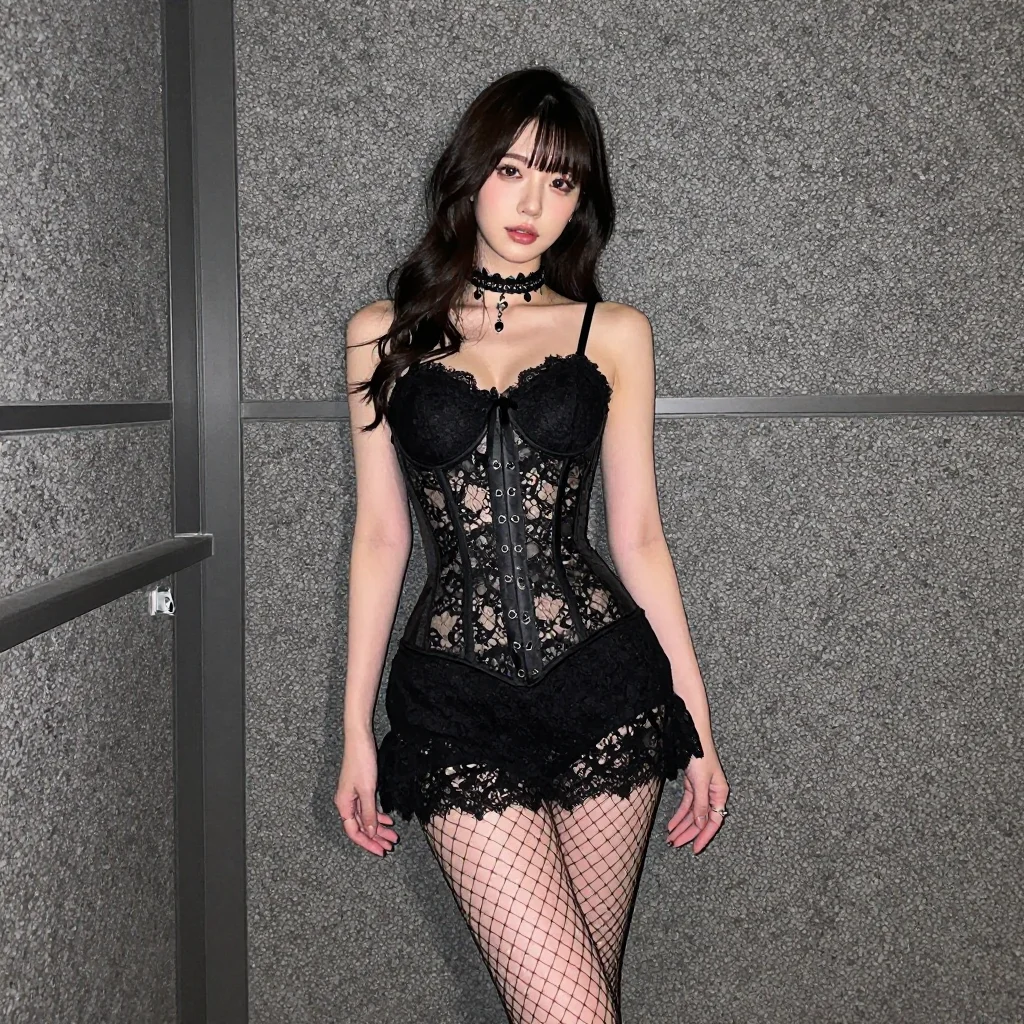
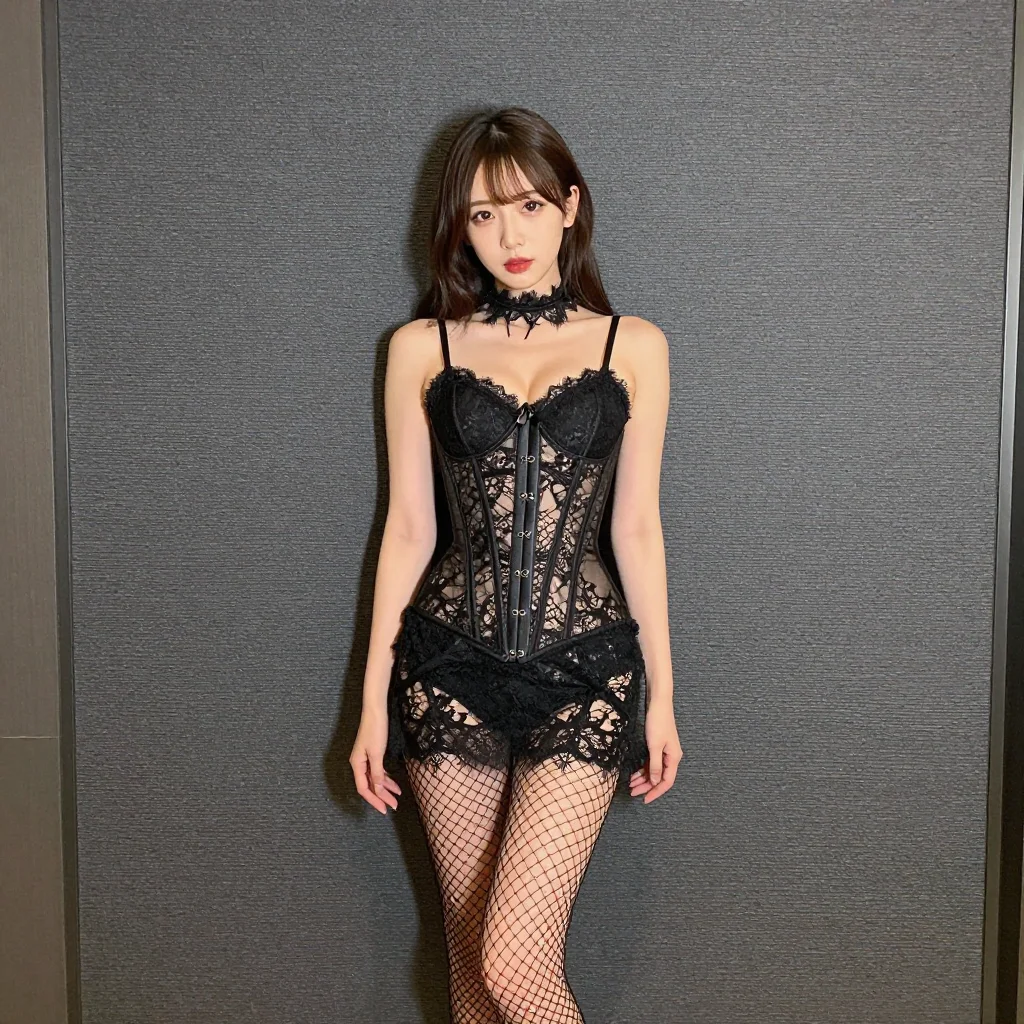
Observation
Each item appears stably. Corset-shaped waist shaping, fishnet mesh, and choker are all confirmed. Specific item specification has higher reproducibility than style keywords.
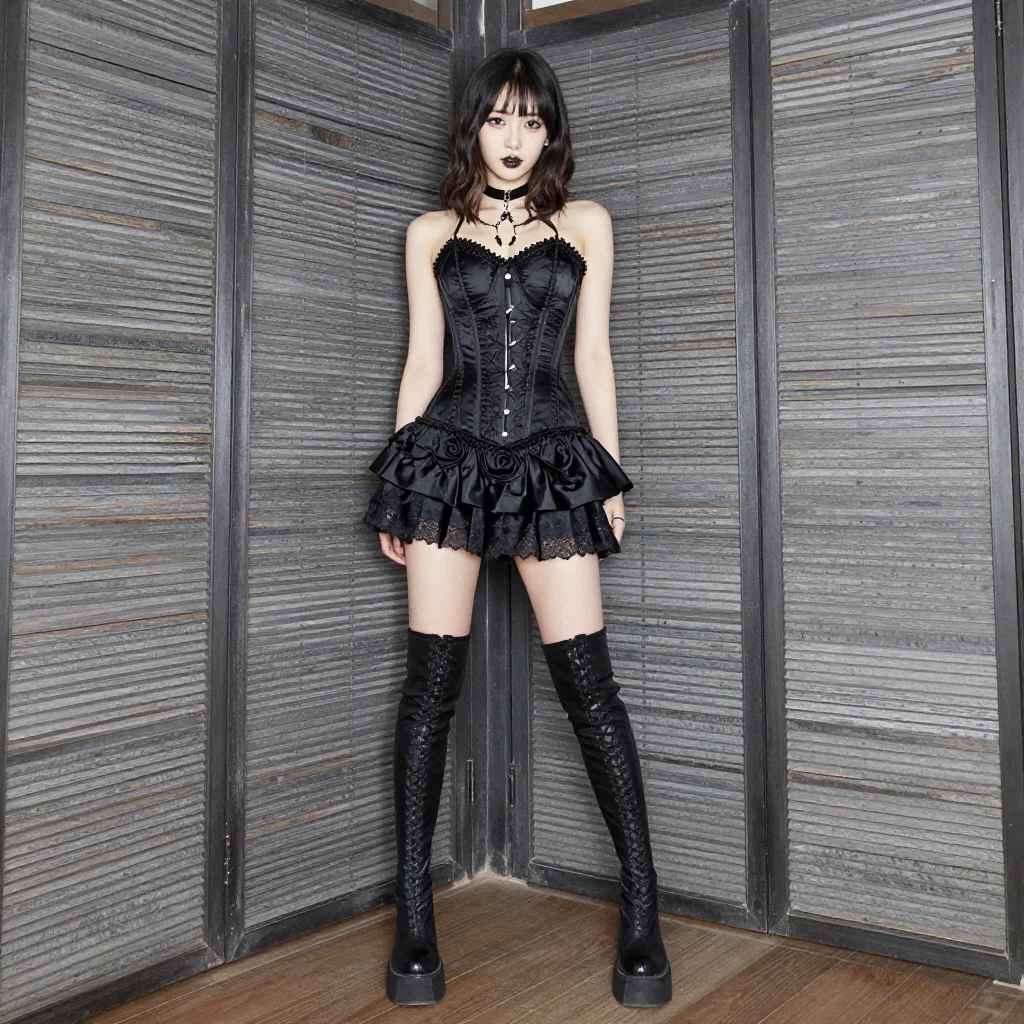
Condition G: gothic + High Exposure Items (8 tokens)
Combining gothic style with sexy elements.
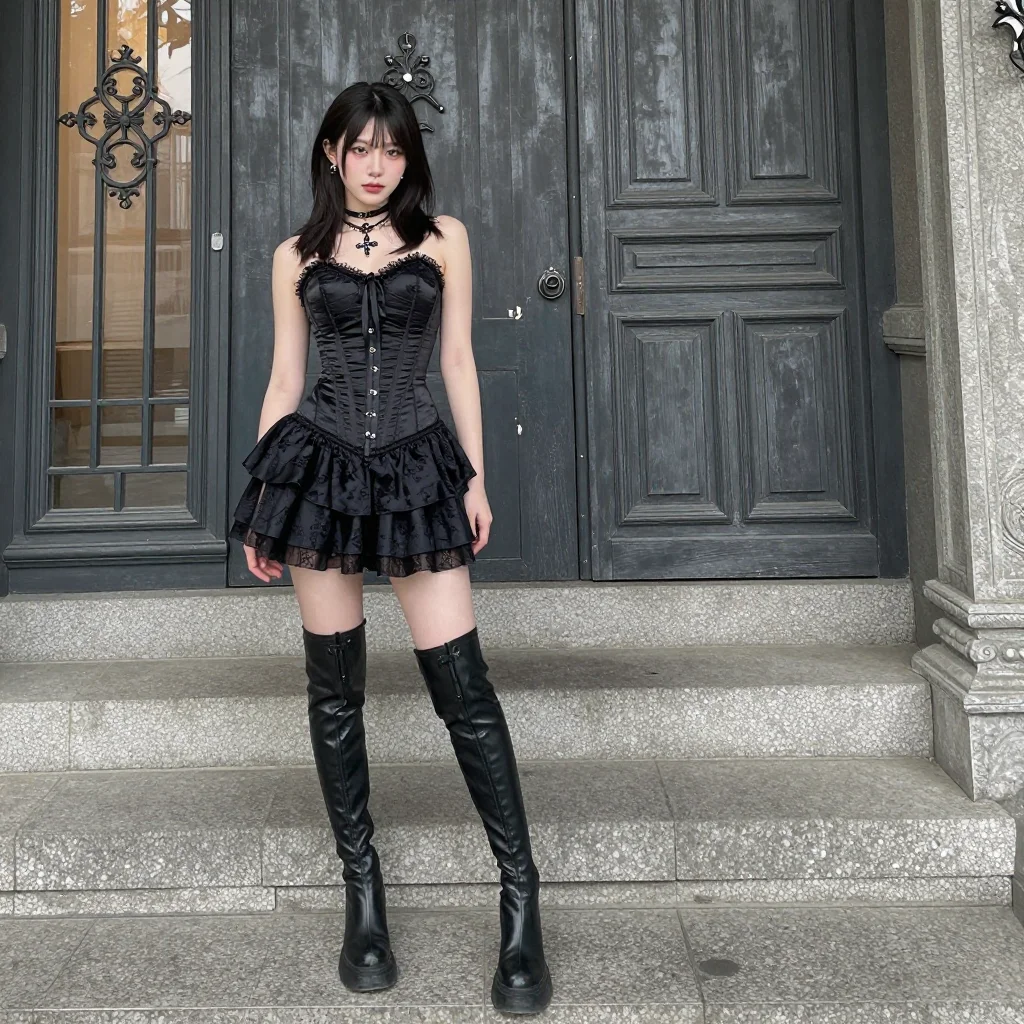
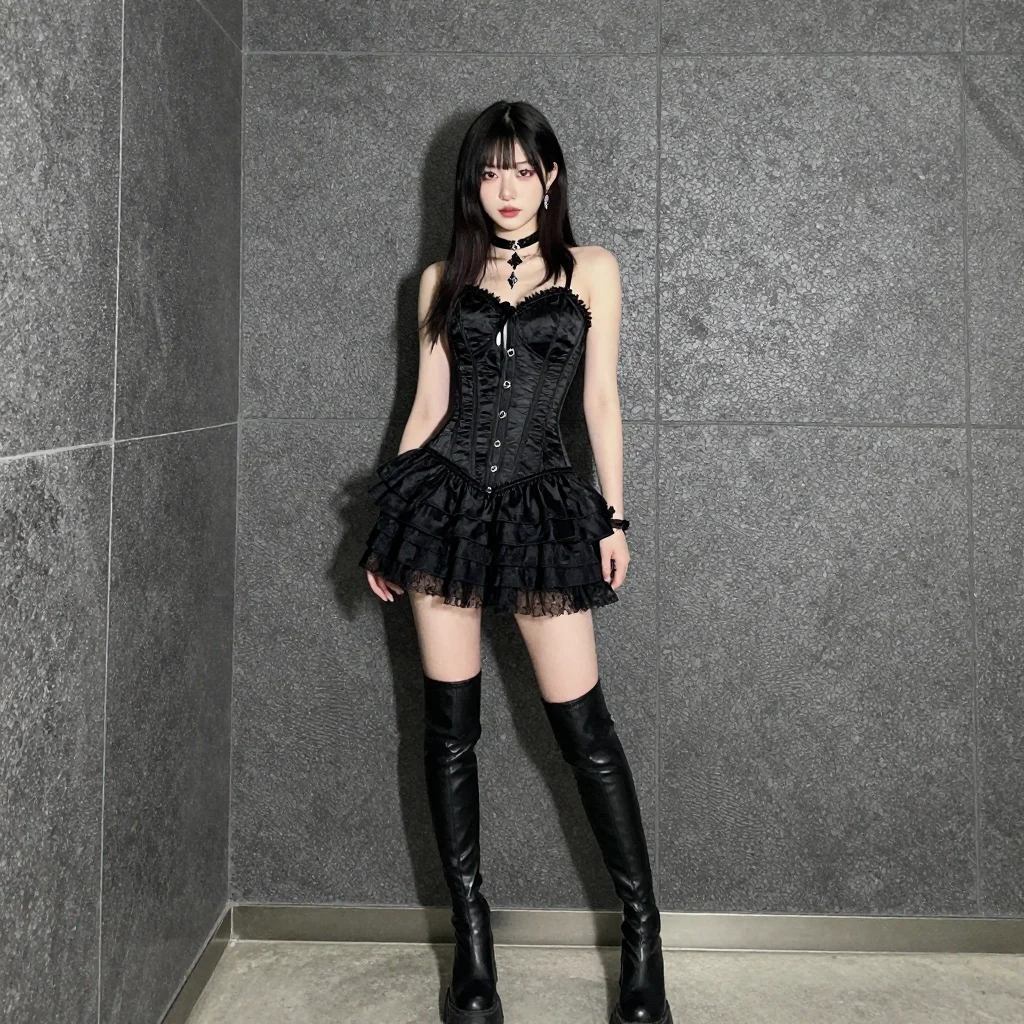
Observation
Gothic × sexy combination. Mini skirt and thigh-high boots are confirmed, with more exposure than F. The gothic dark elements and sexy items coexist stably.
Cross-Condition Comparison
Style Keyword Comparison (Baseline / gothic / gothic glamour / gothic lolita / dark glamour)
| Seed | Baseline (A) | gothic (B) | gothic glamour (C) | gothic lolita (D) | dark glamour (E) |
|---|---|---|---|---|---|
| 42 | | | | | |
| 123 | | | | | |
| 789 | | | | | |
gothic glamour is glamorous and luxurious, gothic lolita is frilly and cute, dark glamour is modern sexy with reduced gothic decoration.
Abstract vs Specific Specification (gothic / specific items / gothic + sexy items)
| Seed | gothic (B) | Specific items (F) | gothic + sexy (G) |
|---|---|---|---|
| 42 | | | |
| 123 | | | |
| 789 | | | |
Specific item specification (F) has higher per-part reproducibility. Gothic + sexy items (G) has the highest controllability.
Note:
gothic glamourunifies makeup, costume, background, and accessories into a dark aesthetic with just 2 tokens, making it highly token-efficient. Condition G’s gothic + sexy item combo also showed high controllability and practical use.
Key Findings
The Power of the Single Word “gothic”
- Simultaneously affects makeup (dark eyeliner, dark lipstick), costume (black-based lace and velvet), and background (candles, decorative frames)
- 1 token efficiently changes the entire scene’s atmosphere
Style Keyword Directions
- gothic glamour: Glamorous and luxurious gothic. Corset dresses, brocade fabric, chokers, black roses
- gothic lolita: Cute gothic. Frills, ribbons, black × white
- dark glamour: Gothic decoration reduced, modern sexiness. Evening dress style
Abstract Keywords vs Specific Item Specification
- Style keywords (gothic etc.) change the overall atmosphere but have variable reproducibility for individual items
- Specific item specification (Condition F: lace dress, corset, choker, fishnet) has more stable per-part appearance rates
- Highest controllability comes from “gothic keyword + specific items” combination (Condition G)
Spillover to Makeup and Hair Color
- Gothic-related keywords also affect makeup, with dark eyeliner, smoky eyes, and dark lipstick tending to appear
- Hair color also tends to shift toward black or dark brown
![[Verified] Image Generation Prompt Best Practices](/tips/prompt-best-practices/cover_0_0000_4517457392071889496.webp)