![[Experiment] Eye Color and Shape Control Test | 13 Conditions, 39 Images](/tips/eye-color-shape-control-test/cover.webp)
Conclusions First
- Eye color control is effective. Blue eyes: 3/3, green eyes: 3/3, amber eyes: 3/3 — all showed clear color changes from the control (medium brown)
- Heterochromia shows color change but left-right difference is unstable. 0/3 showed clear different colors between eyes. The iris tends to shift toward gray-blue tones
- Eye shape control is limited when
japaneseis specified. Big round eyes showed slightly rounder eyes in 1/3 images, while narrow almond eyes, droopy eyes, and cat eyes showed clear differences in only 0–1 out of 3 images - Removing
japaneseimproves shape control. Switching the subject toactress(withoutjapanese) resulted in big round eyes at 3/3 and cat eyes at 3/3.japaneseappears to lock the default eye shape and cancel out shape prompts
Experiment Design
| Item | Value |
|---|---|
| Model | z-image-turbo (6B, realism-focused distilled) |
| Steps | 8 |
| Sampler | euler |
| Scheduler | ddim_uniform |
| CFG | 1.0 |
| Size | 1024x1024 |
| Seeds | 3 fixed (shared across all conditions) |
| Per condition | 3 images (3 seeds) |
| Total | 13 conditions × 3 seeds = 39 images (Part A: 5, Part B: 4, Deep Dive: 4) |
Base Prompt
To focus on eye changes, all images use extreme close up of face, eye detail. One variable at a time is swapped for comparison.
Evaluation Criteria
- Color change: Does the iris color reflect the prompt instruction?
- Shape change: Does the eye shape/size reflect the prompt instruction?
- Side effects: Any unintended changes to skin tone, composition, expression, etc.?
Part A: Eye Color
Testing how well color specifications are reflected. Comparing control (no specification) against 4 color conditions.
A00: Control (no color specified)
| seed 1 | seed 2 | seed 3 |
|---|---|---|
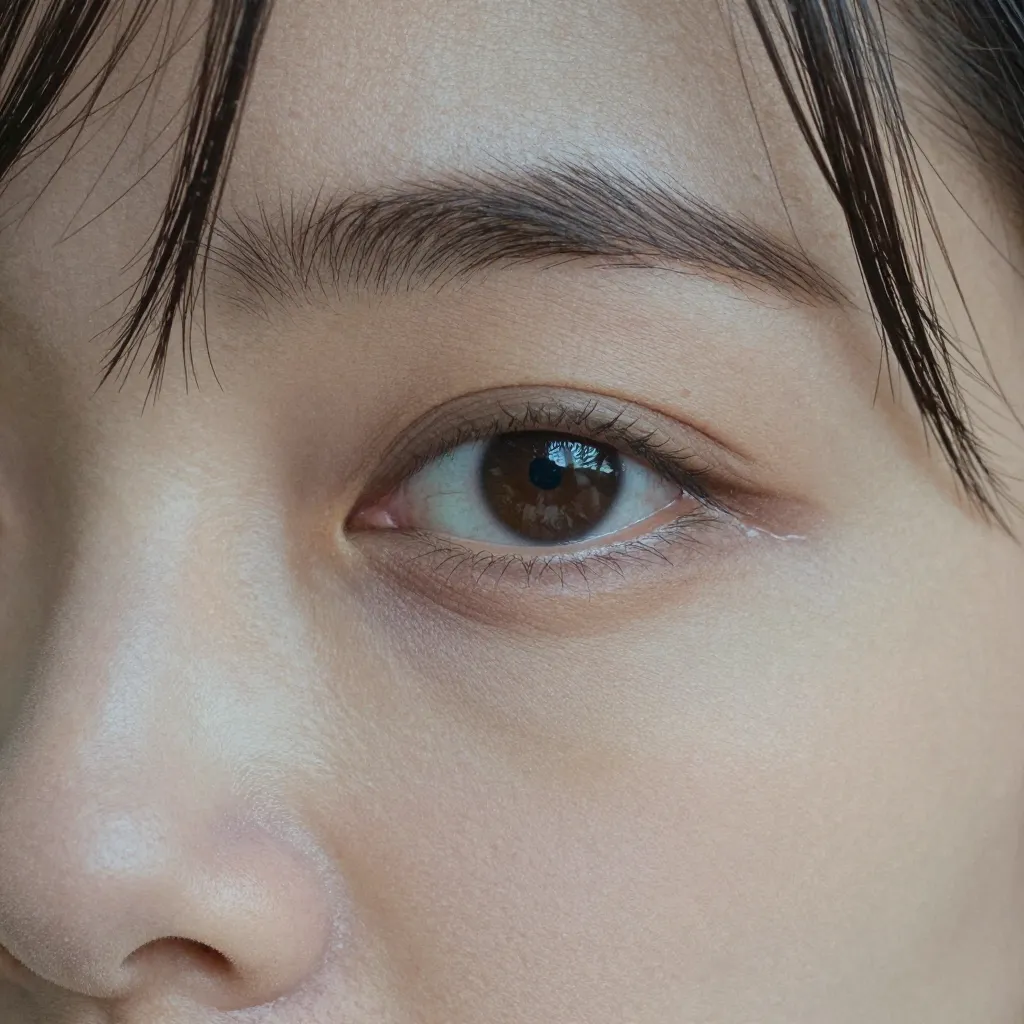 | 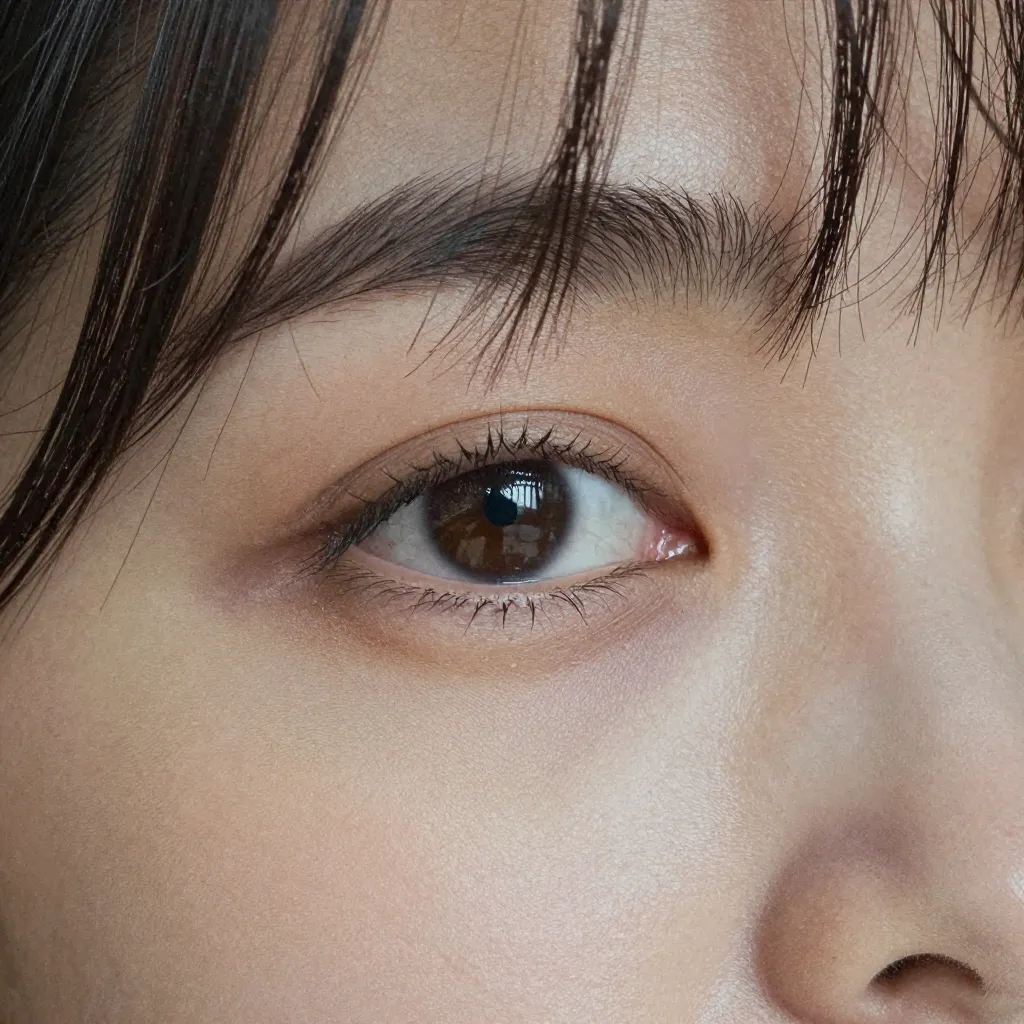 | 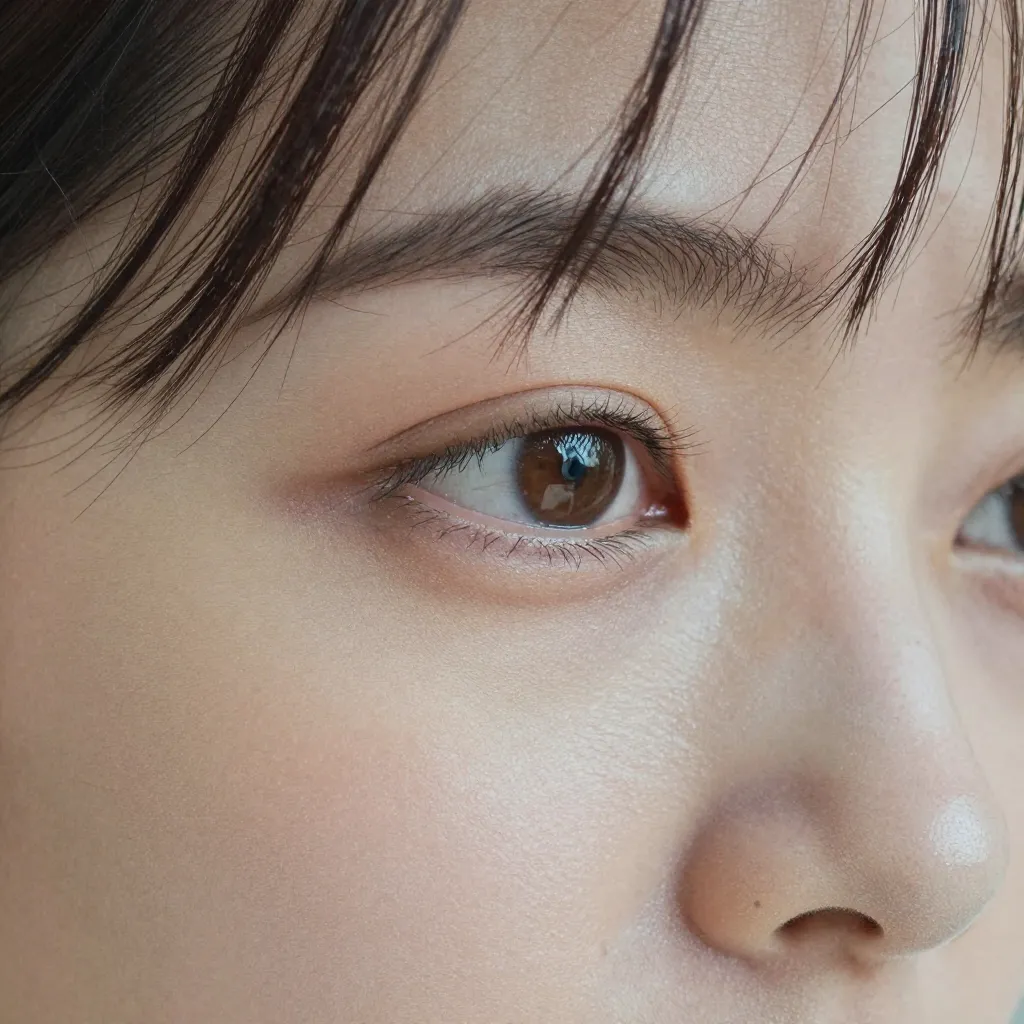 |
Observation: All 3 images show medium brown irises. Seed 1 shows a close-up of the left eye with clearly visible brown iris. Seed 2 shows a slightly darker brown left eye. Seed 3 shows a front-facing angle with both eyes visible, both brown. Eye shape is natural single or double eyelid across all seeds, with variation in composition. Skin tone is natural and consistent.
A01: blue eyes
| seed 1 | seed 2 | seed 3 |
|---|---|---|
 |  | 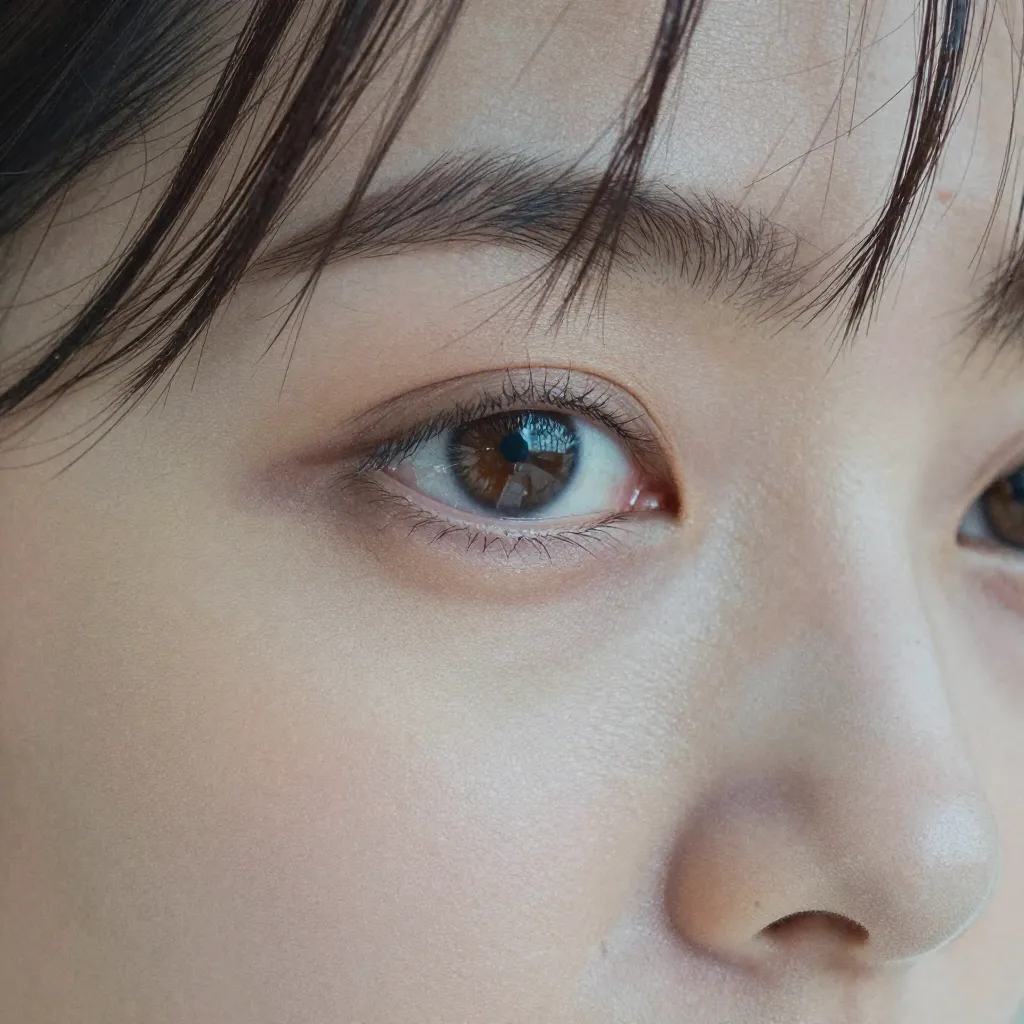 |
Observation: 3/3 images show blue to blue-gray irises. Seed 1 has blue-gray on the outer iris with slight brown remaining near center. Seed 2 shows the clearest blue, with the largest color difference from control. Seed 3 shows blue-gray on the outer iris with some brown mixed in the center. Composition, skin tone, and eye shape remain consistent with control.
A02: green eyes
| seed 1 | seed 2 | seed 3 |
|---|---|---|
 | 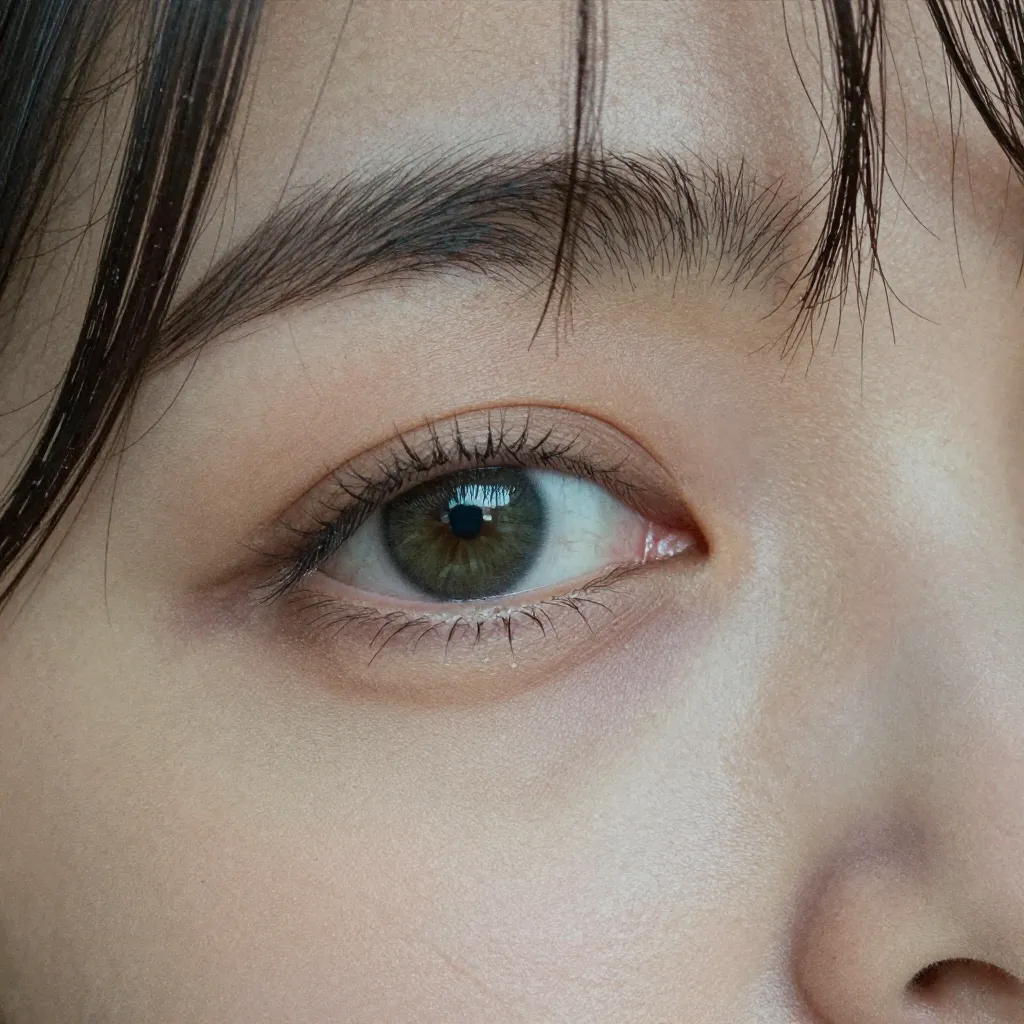 | 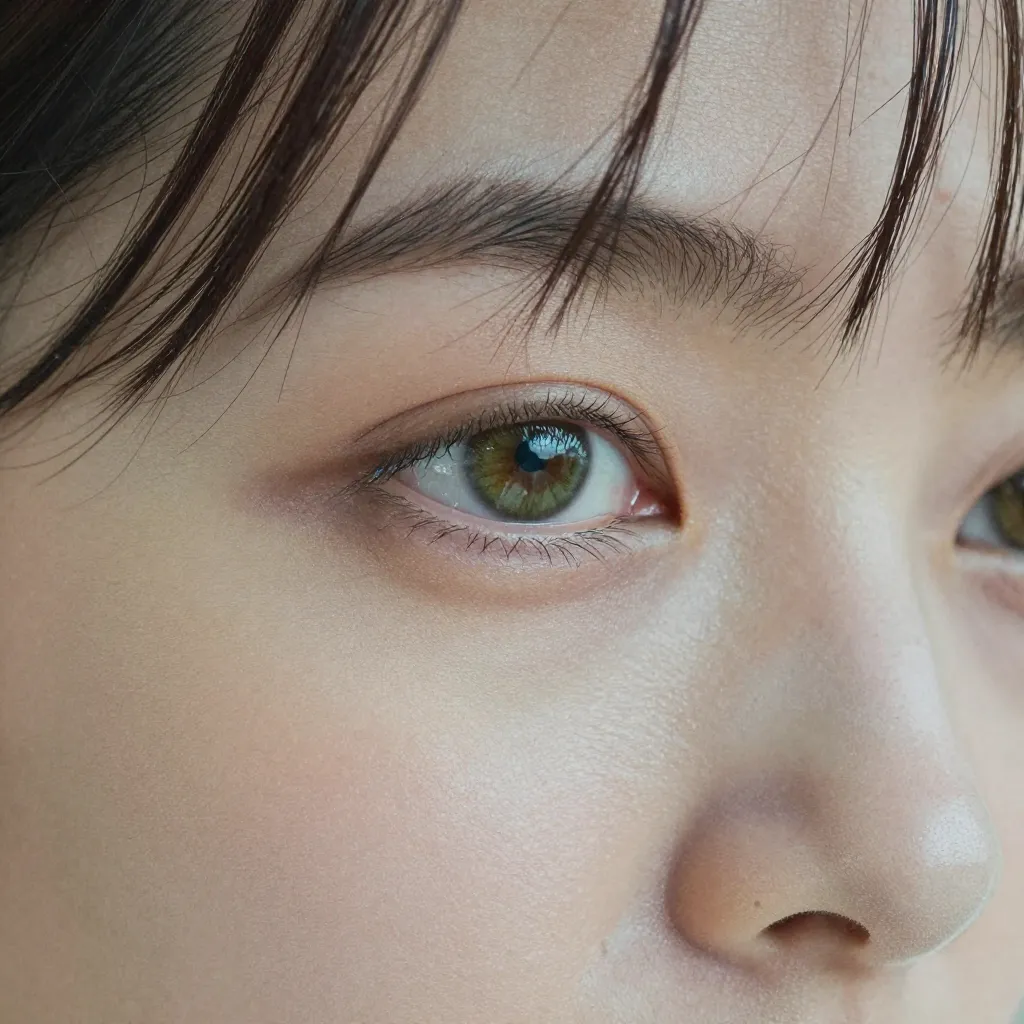 |
Observation: 3/3 images show green to olive green irises. Seed 1 has a clearly green iris. Seed 2 also shows olive green clearly different from control’s brown. Seed 3 shows green to hazel-green in both eyes. All 3 show clearly distinguishable color differences from control. No side effects on composition or skin tone.
A03: amber eyes
| seed 1 | seed 2 | seed 3 |
|---|---|---|
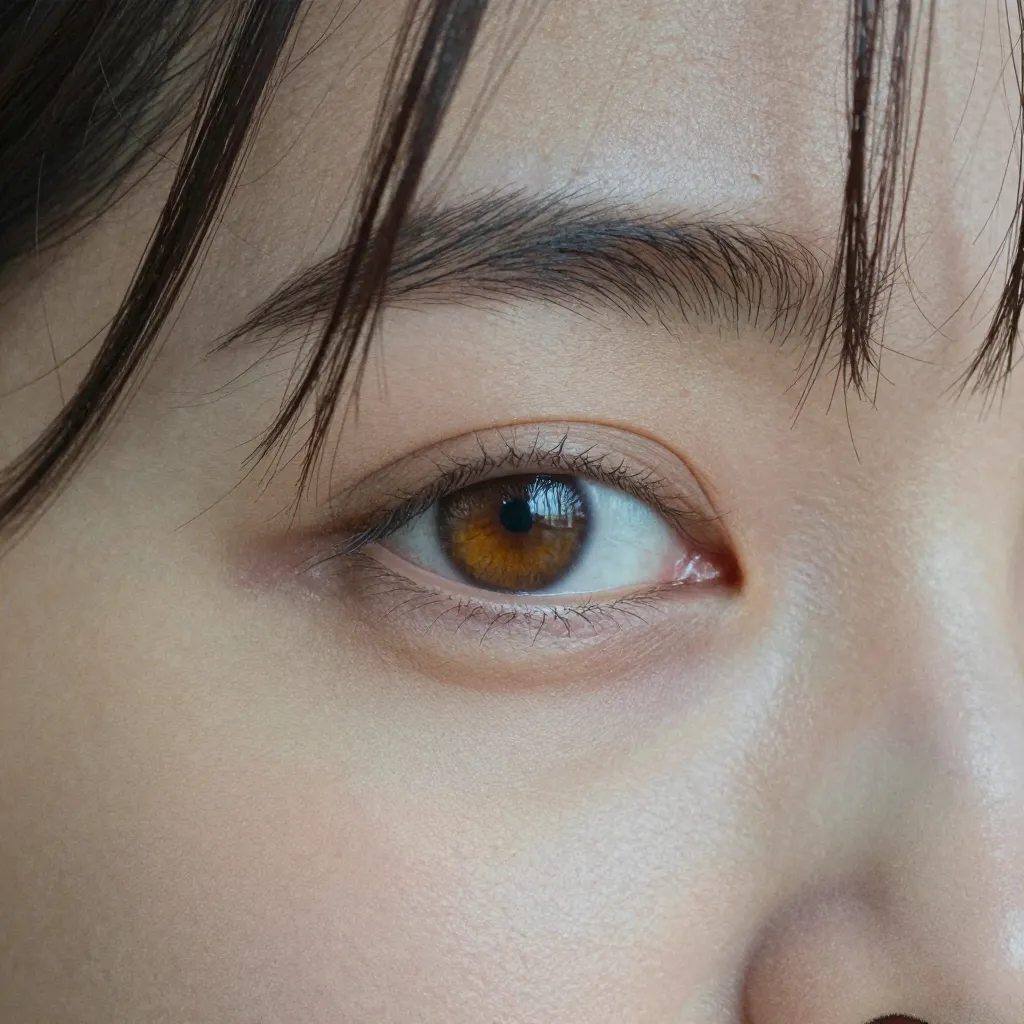 | 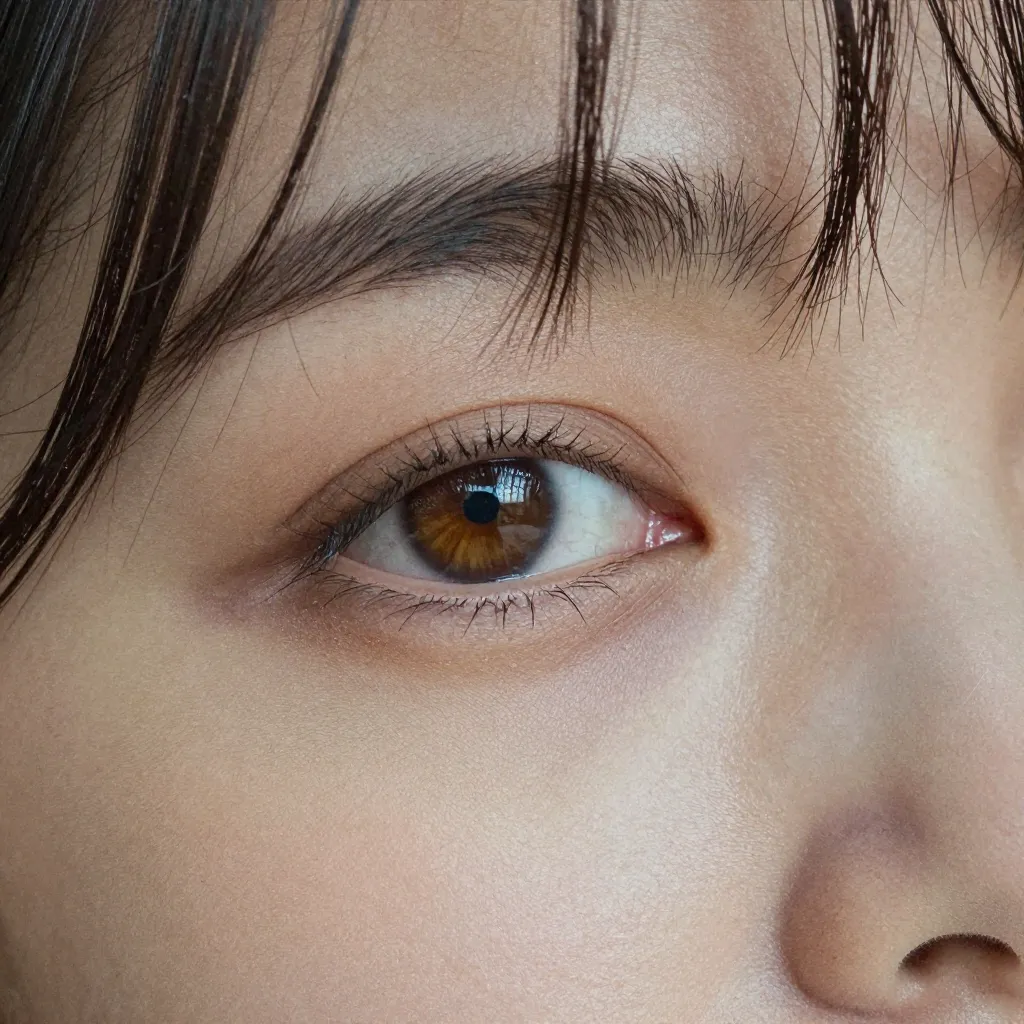 | 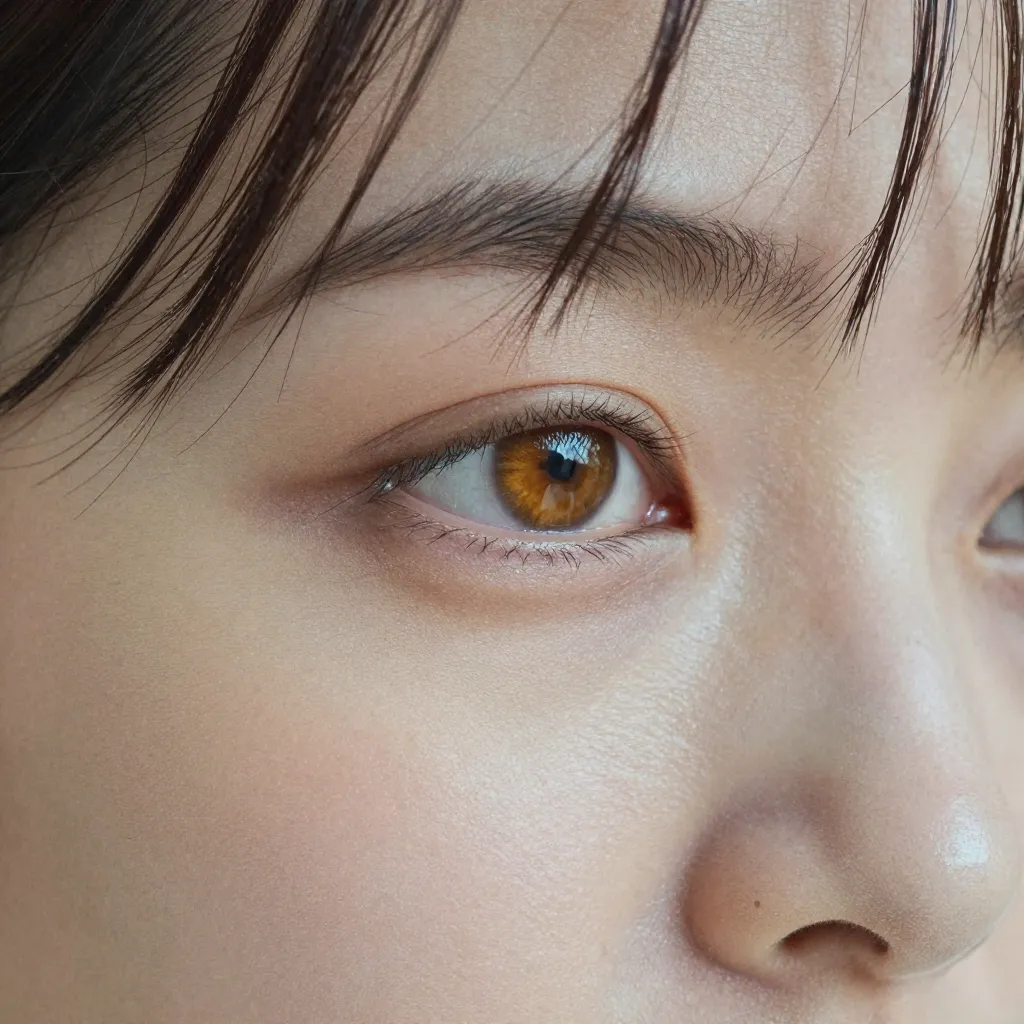 |
Observation: 3/3 images show bright amber to golden brown irises. Seed 1 shows a noticeably brighter amber with more yellow than the control’s medium brown. Seed 2 is similar. Seed 3 shows both eyes in golden brown, clearly brighter than control. All 3 are visually distinguishable from control, though the hue shift is less dramatic than blue or green eyes — mainly a change in brightness and warmth. No side effects.
A04: heterochromia (odd eyes)
| seed 1 | seed 2 | seed 3 |
|---|---|---|
 | 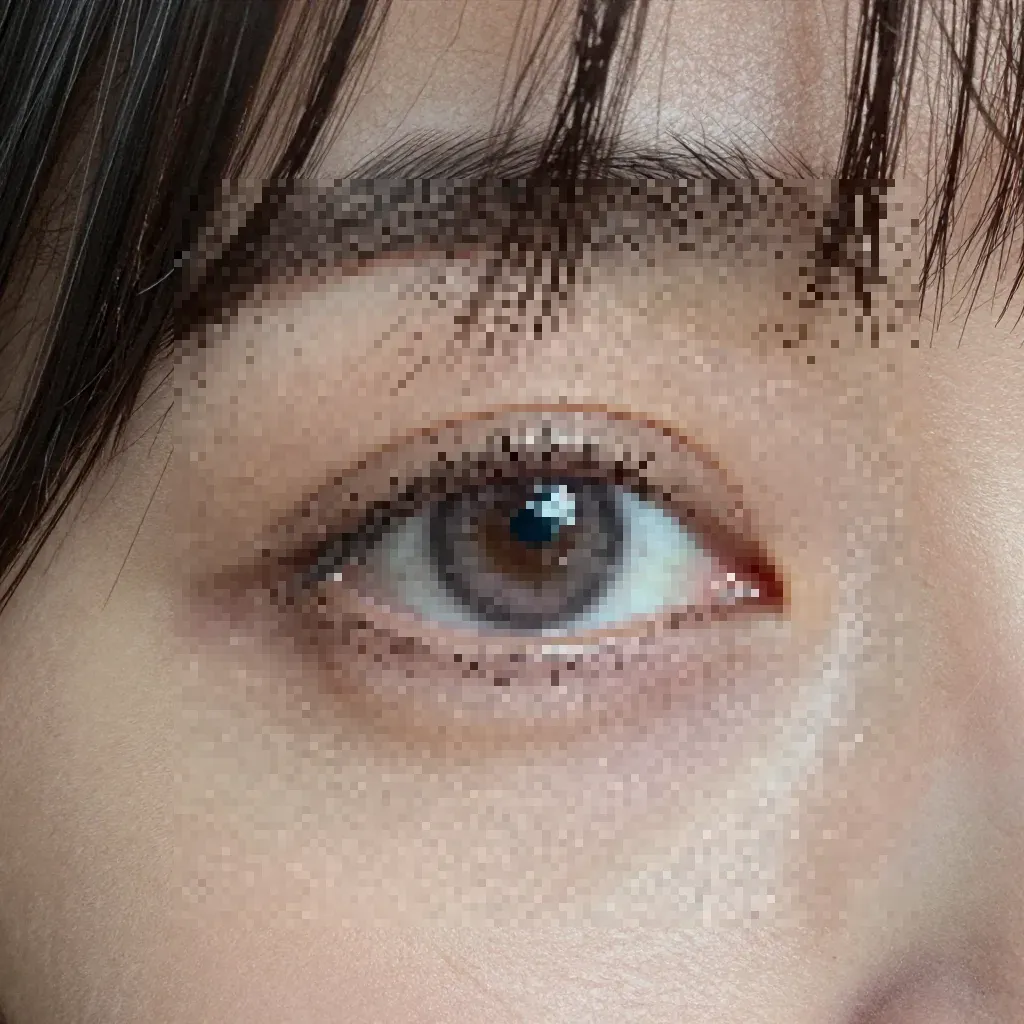 | 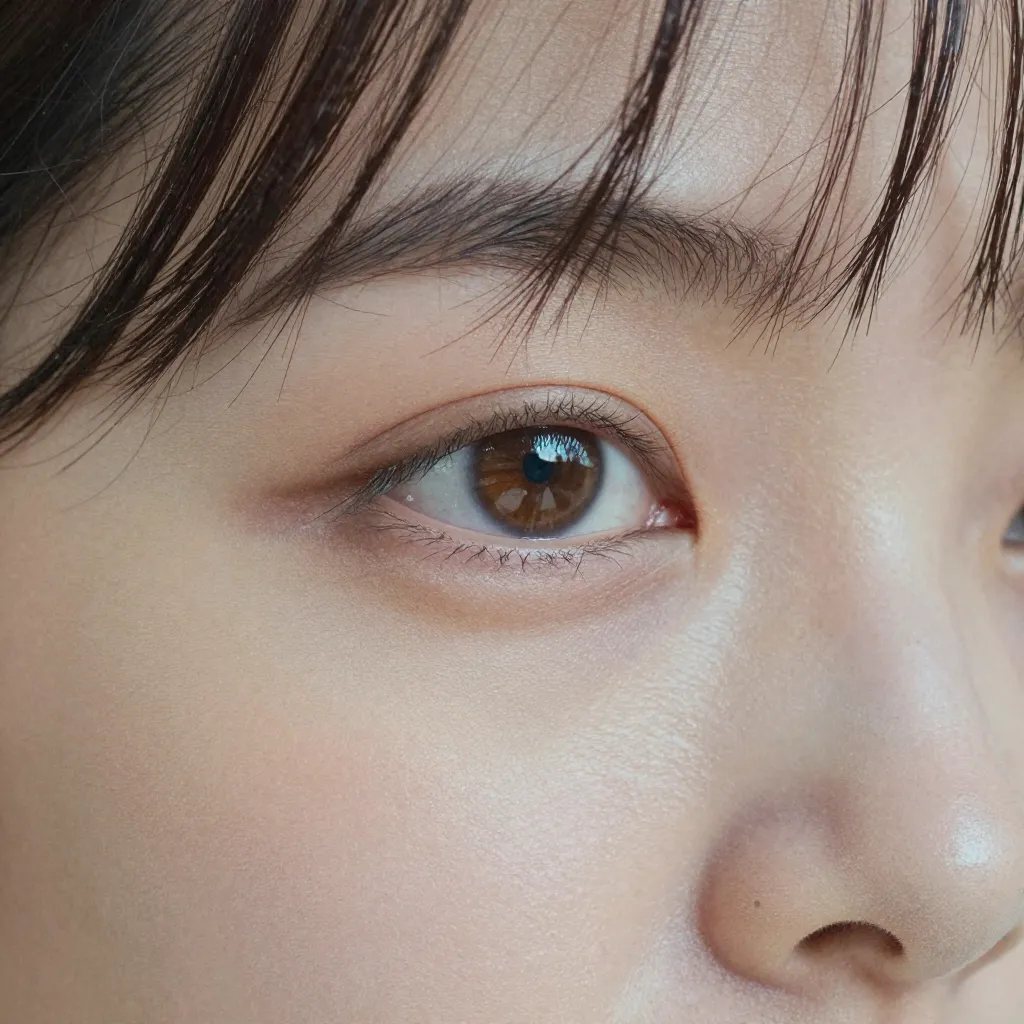 |
Observation: The iris color did change from control — seed 1 shows blue-gray, seed 2 shows gray to purplish brown, seed 3 shows light brown. However, the core heterochromia effect (different colors in each eye) was confirmed in 0/3 images. Seeds 1 and 3 show only one eye, making comparison impossible. Seed 2 shows both eyes but both are gray. Some influence is apparent (color shifted from brown to gray), but the intended left-right color difference was not achieved.
Part A Summary
Blue eyes, green eyes, and amber eyes all showed color change in 3/3 images (9/9 total, 100%). Eye color control works even when combined with japanese actress. Blue and green eyes produce the most visually striking hue changes. Amber is subtler since it’s closer in hue to the default brown, but the brightness and warmth increase is detectable. Heterochromia showed a tendency toward gray tones but the left-right color difference was confirmed in 0/3 images.
Part B: Eye Shape and Size
Testing how well shape and size specifications are reflected. Independent from Part A, with only shape changing from control.
B00: Control (no shape specified)
Same condition as A00.
| seed 1 | seed 2 | seed 3 |
|---|---|---|
| | |
Observation: Same as A00. Medium brown irises, natural single to double eyelid shape.
B01: big round eyes
| seed 1 | seed 2 | seed 3 |
|---|---|---|
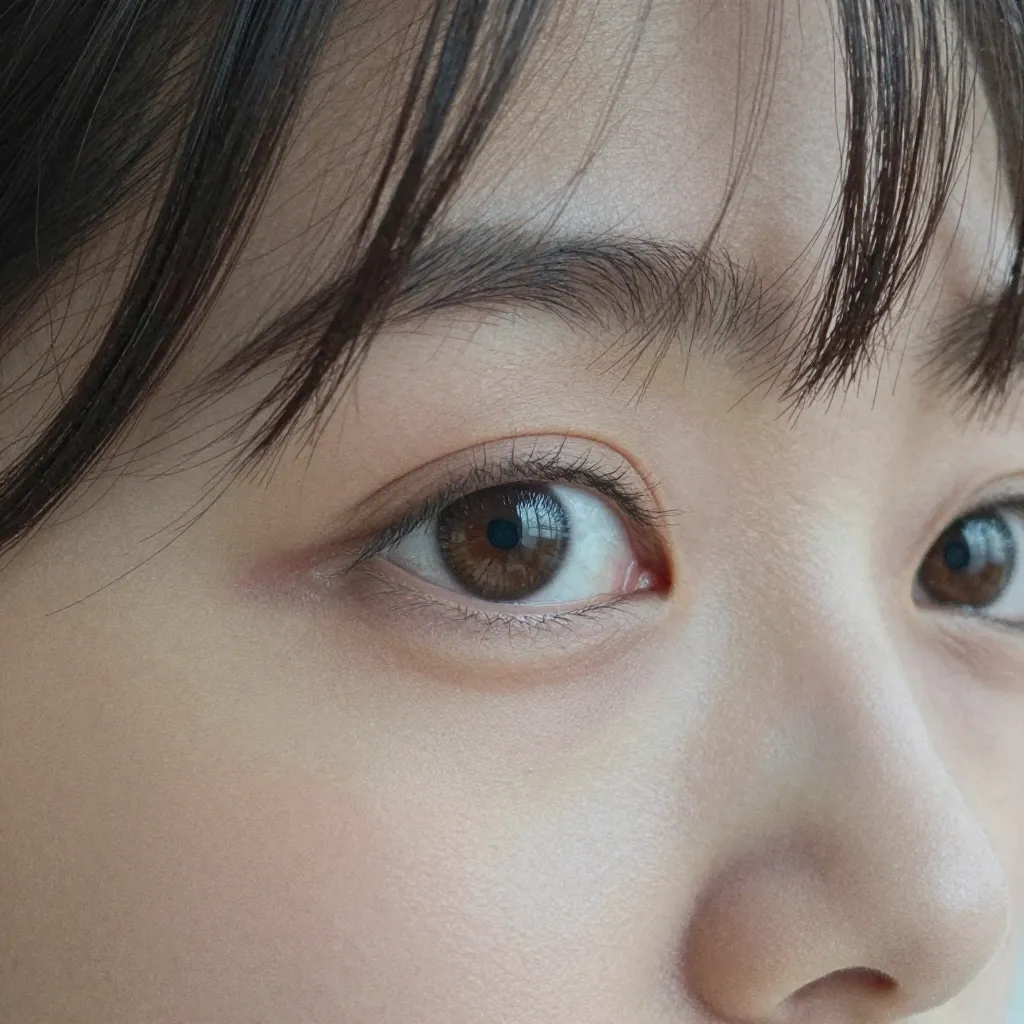 | 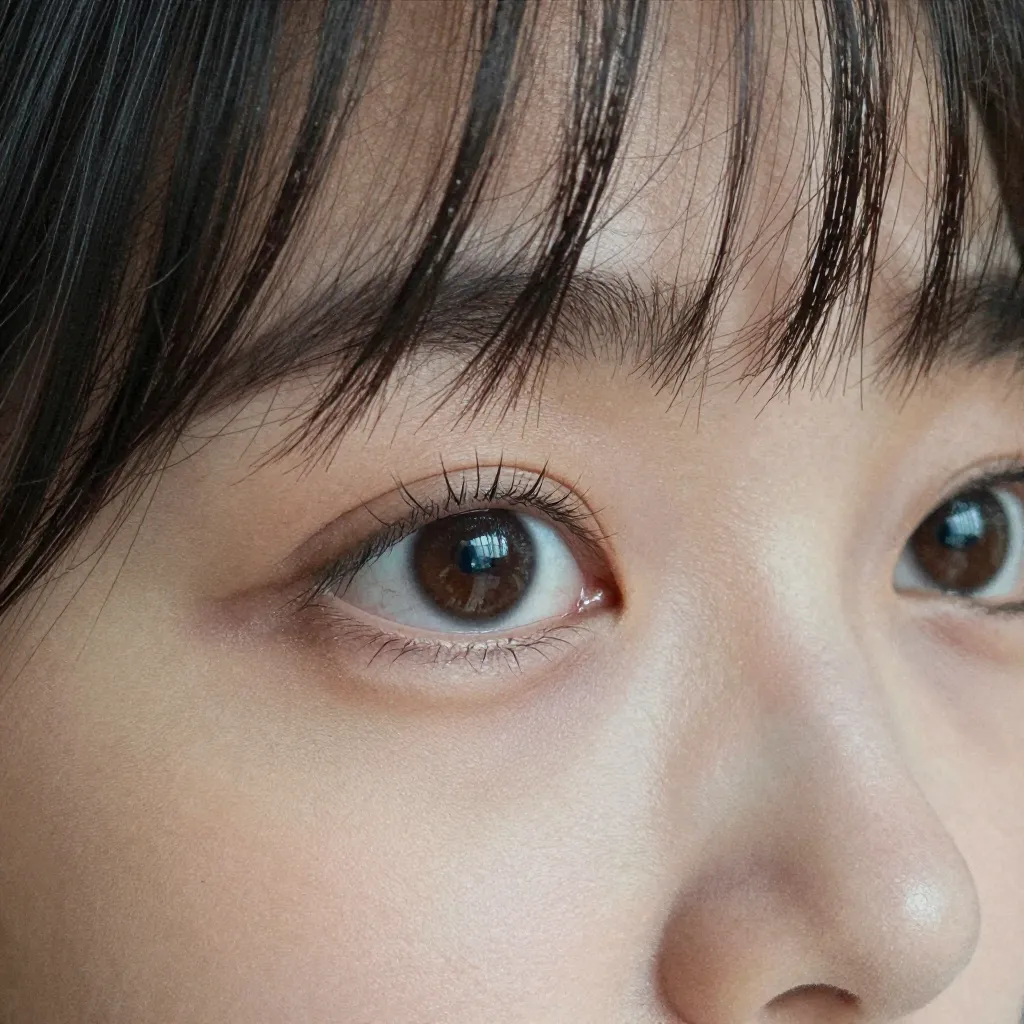 | 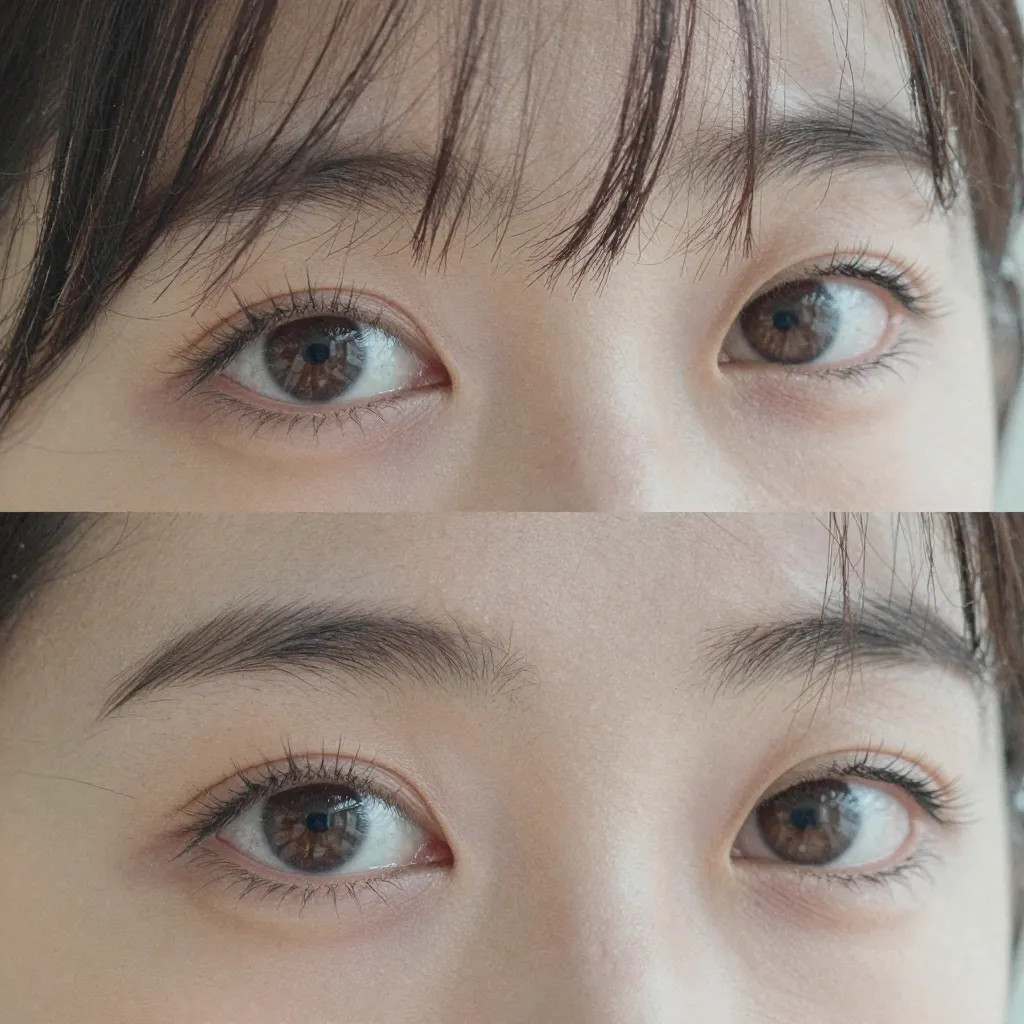 |
Observation: Seed 1 shows both eyes with slightly more exposed iris area and rounder shape compared to control. Seed 2 also shows both eyes wide open, though the difference from control seed 3 (also both eyes visible) is minor. Seed 3 is a single-eye close-up similar to control. 1/3 images (seed 1) showed a clear difference from control; the remaining 2 did not. No side effects on iris color.
B02: narrow almond eyes
| seed 1 | seed 2 | seed 3 |
|---|---|---|
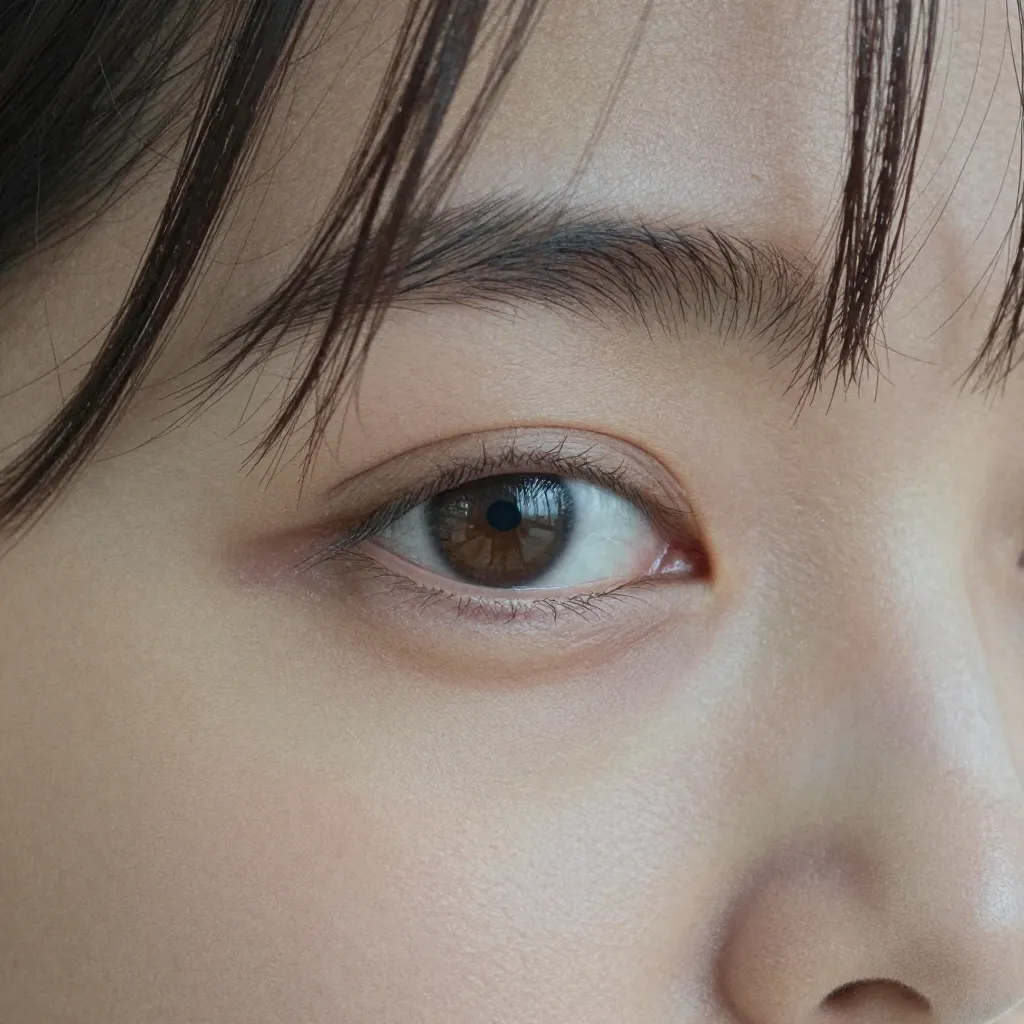 | 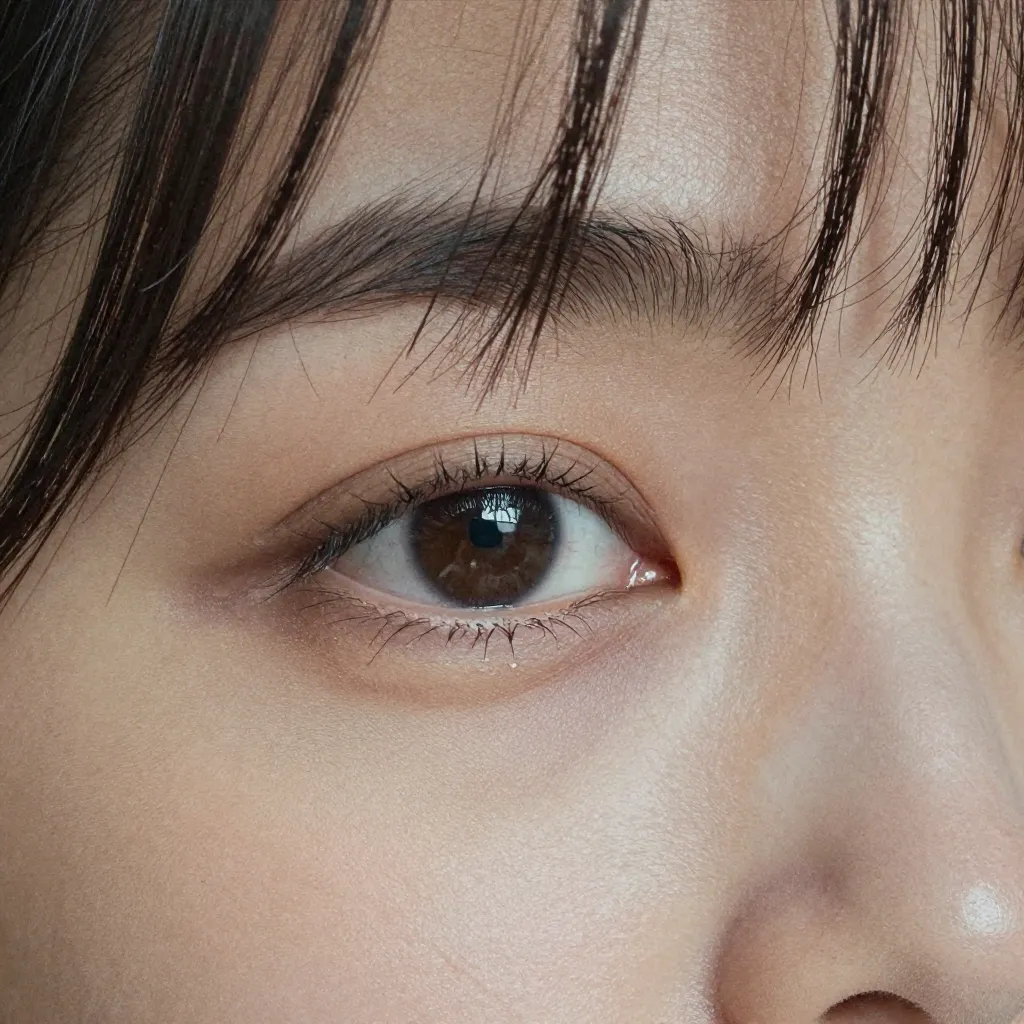 |  |
Observation: No clear difference from control in any of the 3 images. The control itself already has a somewhat almond shape, so the additional change from narrow almond eyes was undetectable in 0/3 images. Iris color and skin tone remain similar to control.
B03: droopy eyes
| seed 1 | seed 2 | seed 3 |
|---|---|---|
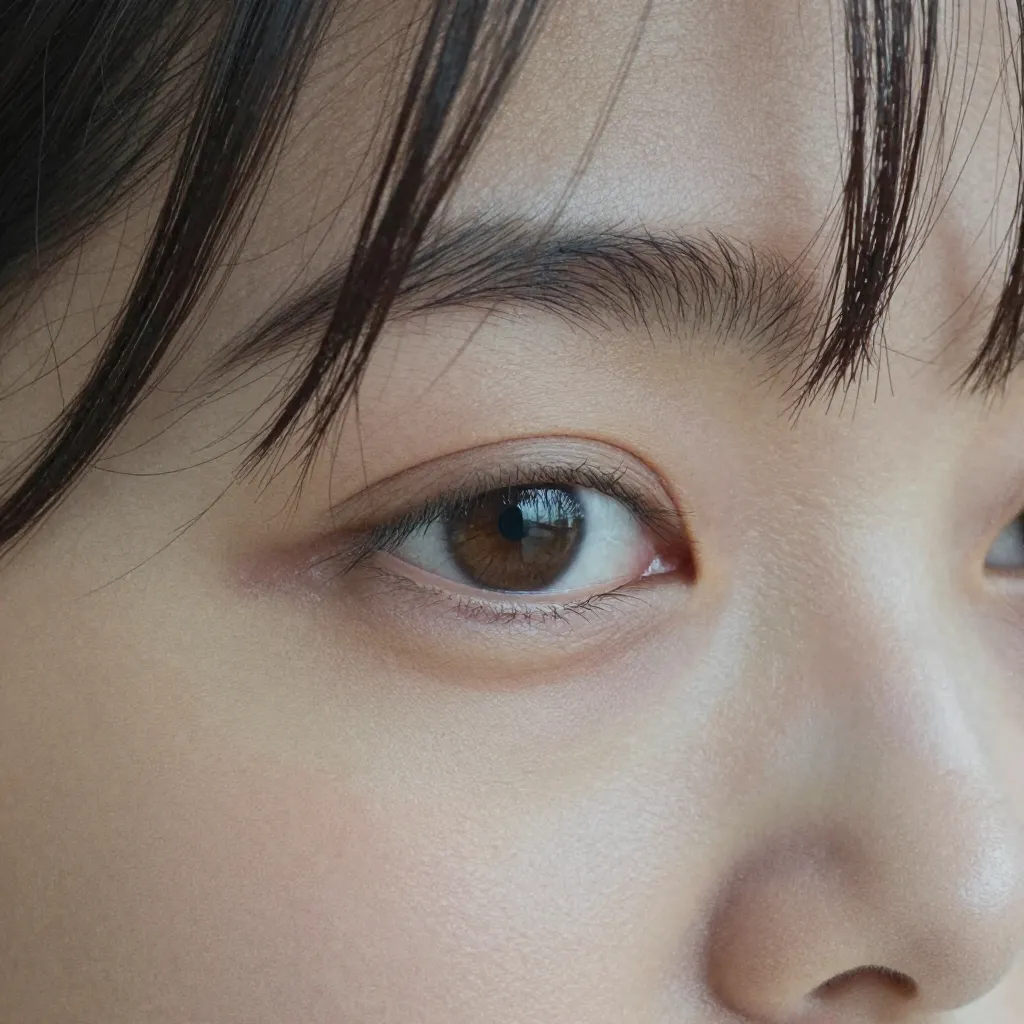 | 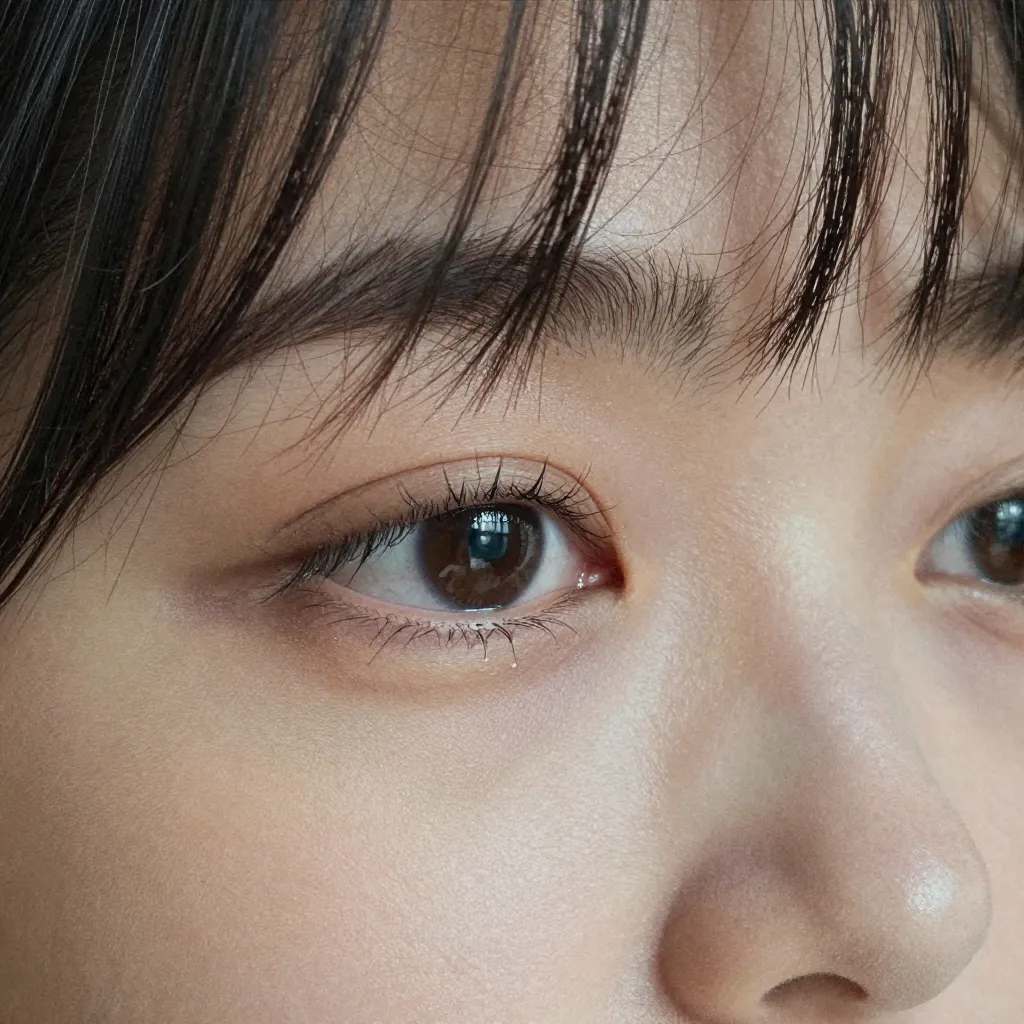 | 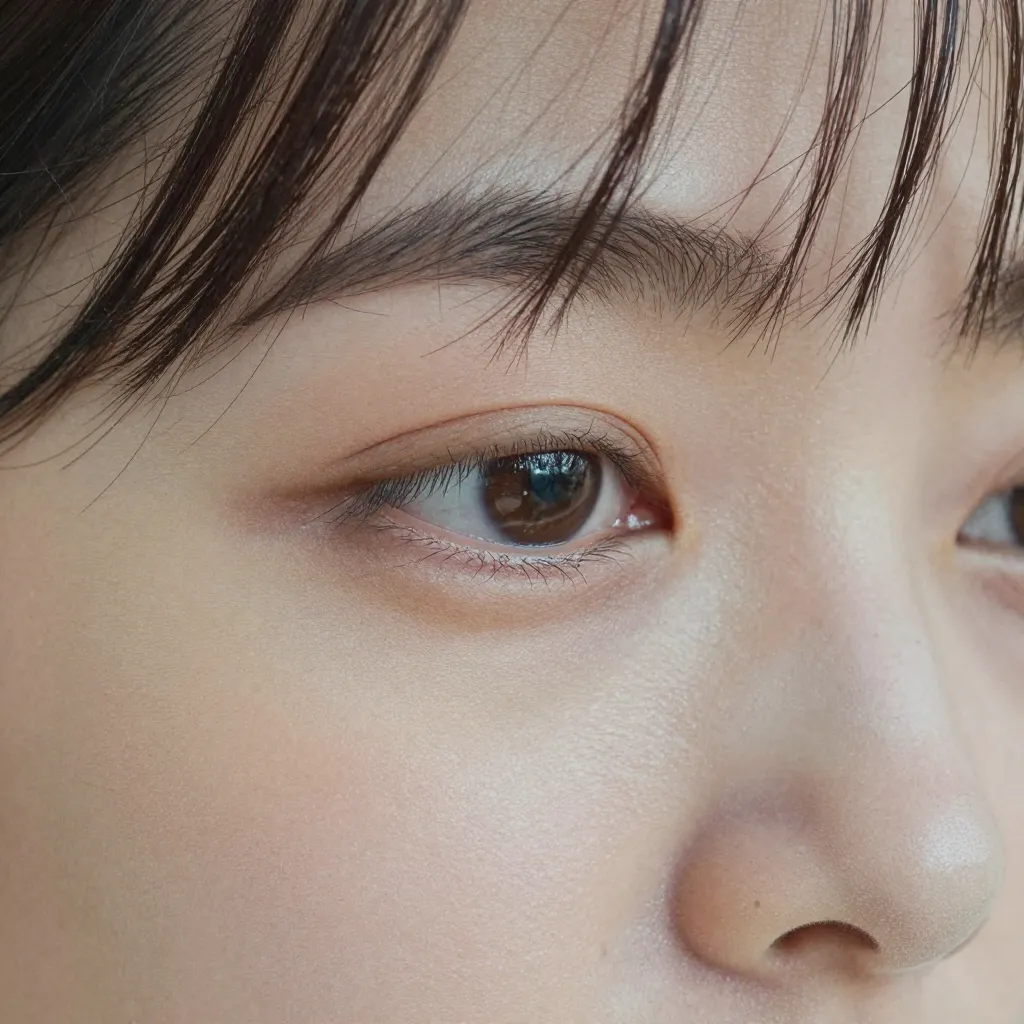 |
Observation: No clear downward tilt at the outer corners was confirmed in any of the 3 images. Seed 1 may look slightly droopy but remains within the range of angle variation from control seed 1. The droopy eye change was confirmed in 0/3 images. No side effects.
B04: cat eyes (upswept corners)
| seed 1 | seed 2 | seed 3 |
|---|---|---|
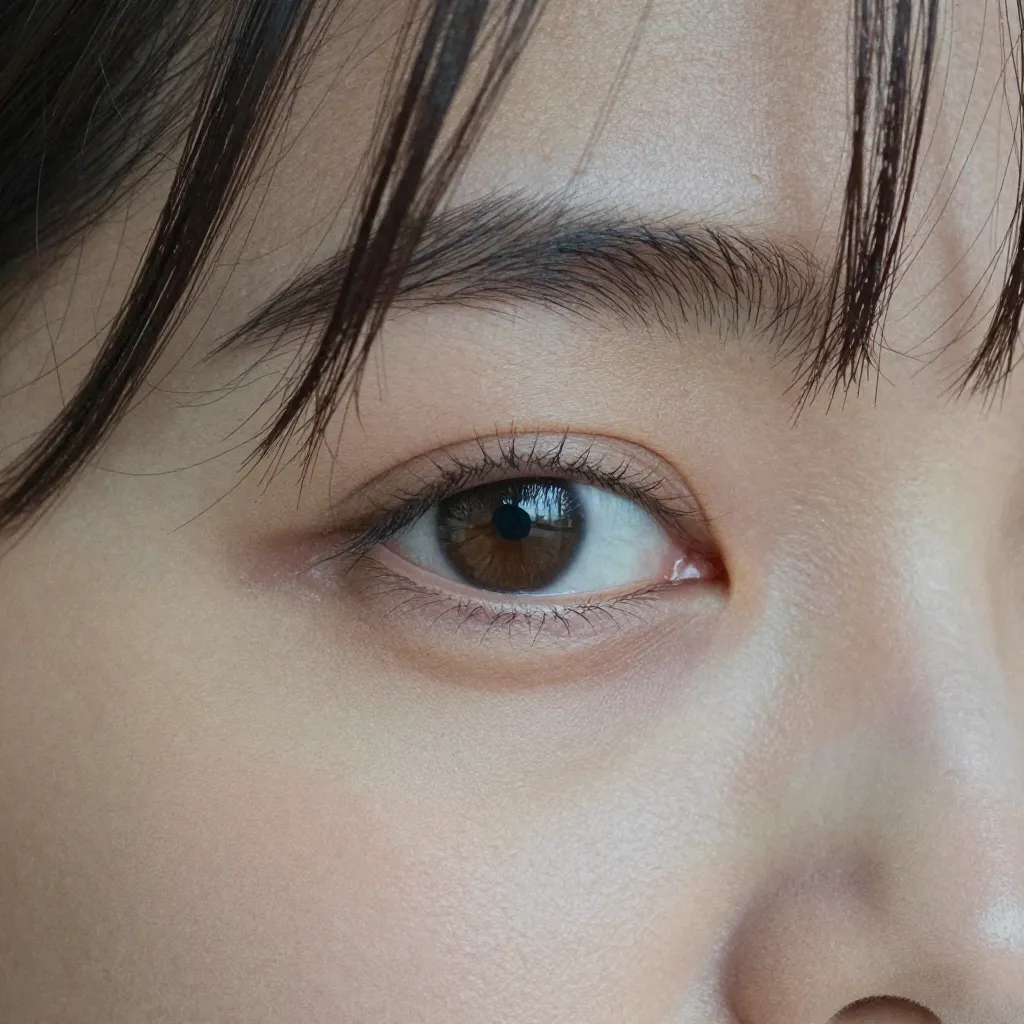 |  | 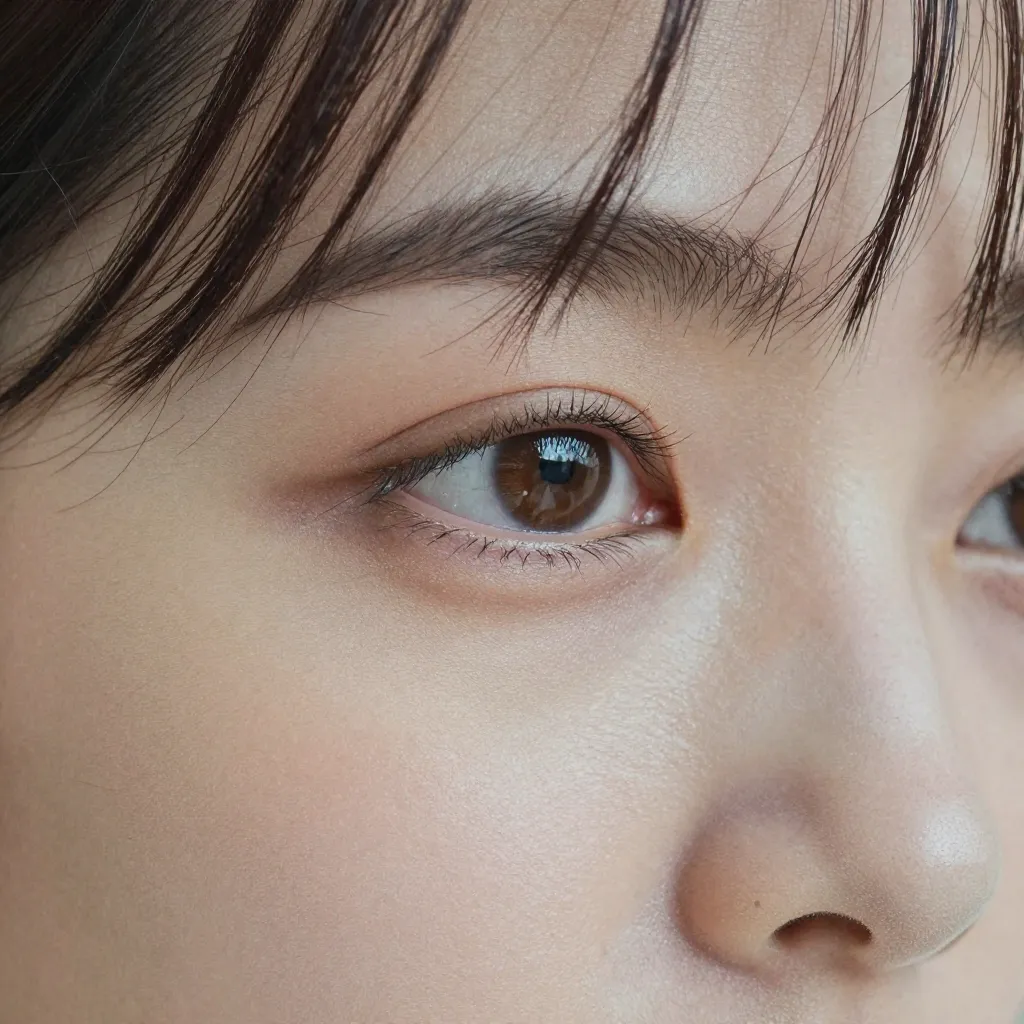 |
Observation: Seed 1 shows a single eye with a slightly upswept outer corner, but the difference from control seed 1 is minor and could be within angle variation. Seeds 2 and 3 look similar to control. A possible change was observed in 1/3 images (seed 1), but this cannot be stated definitively. No side effects.
Part B Summary
Of the 4 conditions (big round eyes, narrow almond eyes, droopy eyes, cat eyes), clear shape changes were confirmed in only about 1–2 out of 12 total images. Big round eyes showed a slightly more open, rounder shape in seed 1, and cat eyes showed a slight upswept effect in seed 1, but both were limited to 1/3 reproducibility. Narrow almond eyes and droopy eyes showed 0/3 changes. Shape control is dramatically weaker compared to color control (Part A).
Deep Dive: Shape Control Without japanese
The limited effectiveness of shape control in Part B may be because japanese actress strongly locks the default eye shape (single to double eyelid, somewhat almond), overriding shape prompt effects. To test this hypothesis, the subject was changed to 1girl, 32yo actress (without japanese) and the same shape conditions were retested.
Base Prompt (Deep Dive)
The only difference from Part B is the absence of japanese. Note that seeds 42, 123, 789 were used here — different from Part B seeds.
D00: Control (no shape, no japanese)
| seed 1 | seed 2 | seed 3 |
|---|---|---|
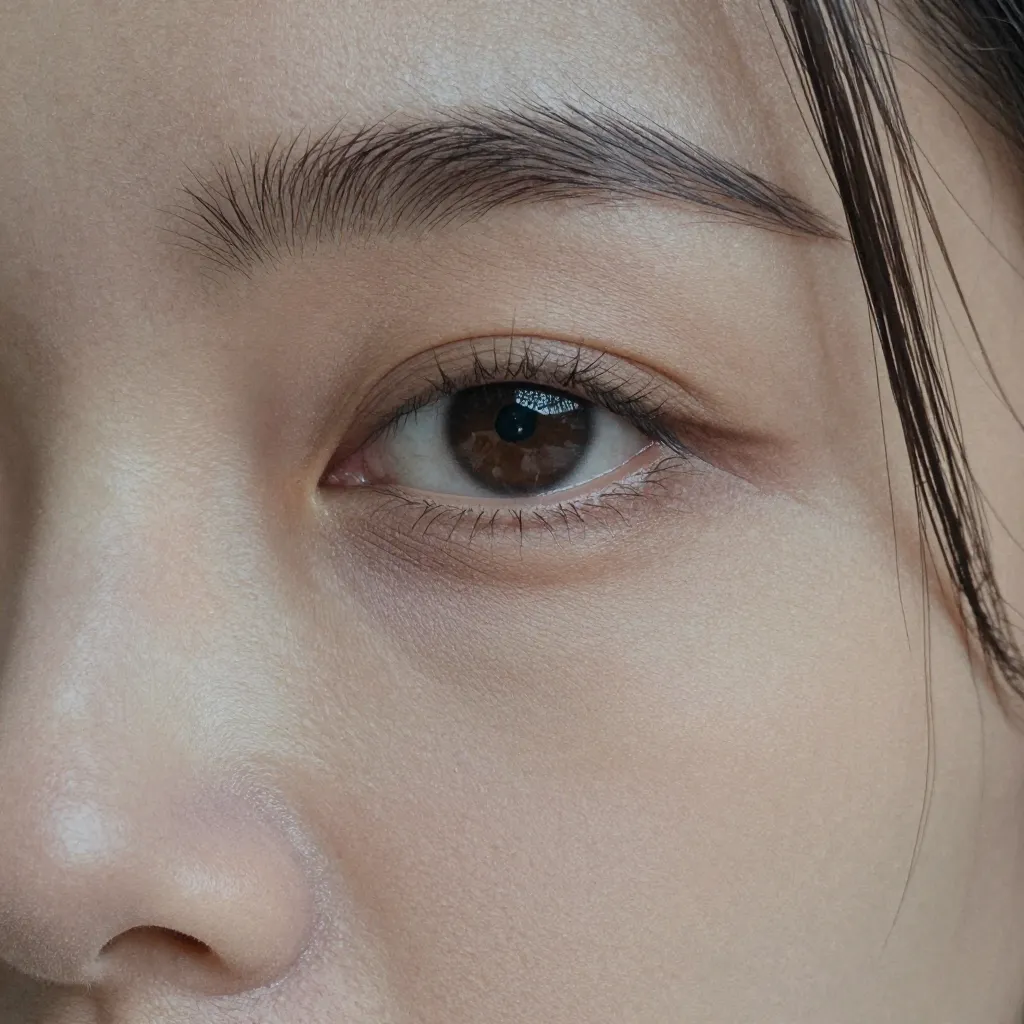 | 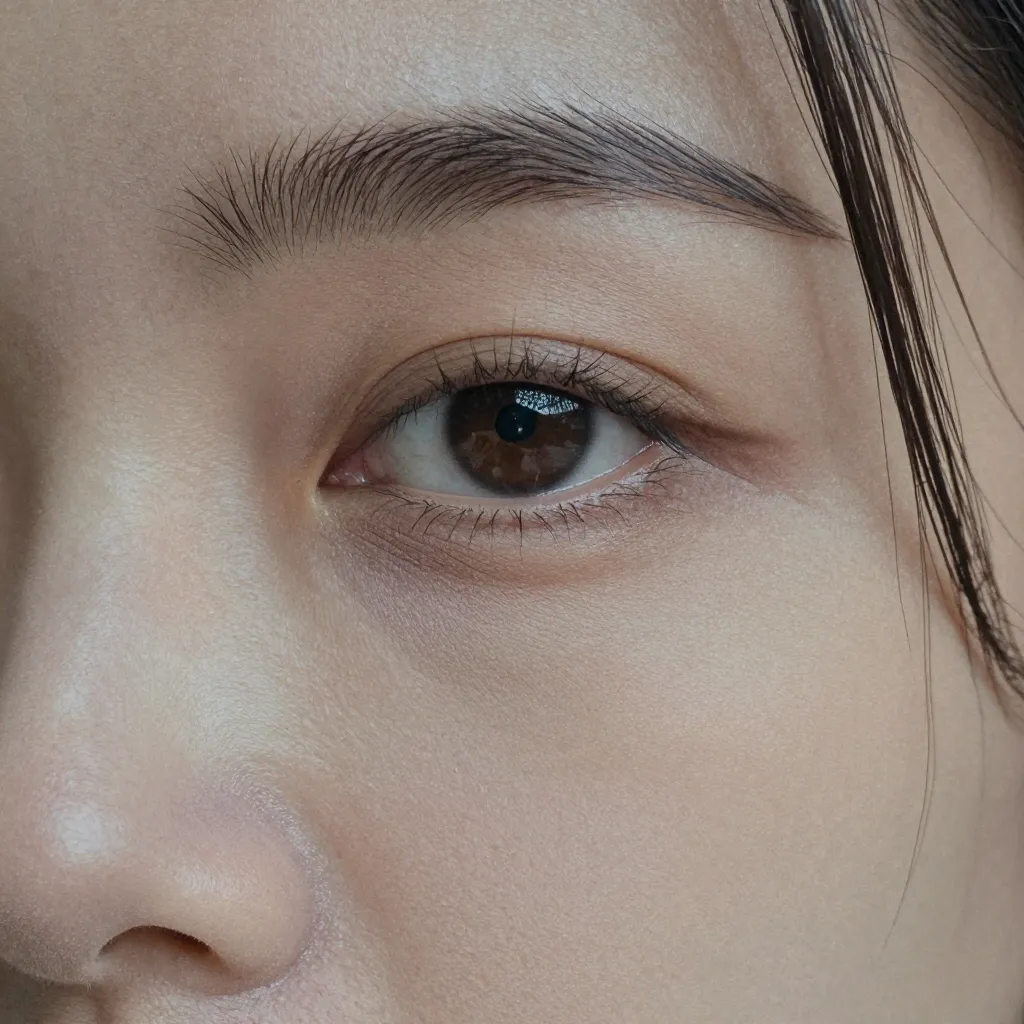 | 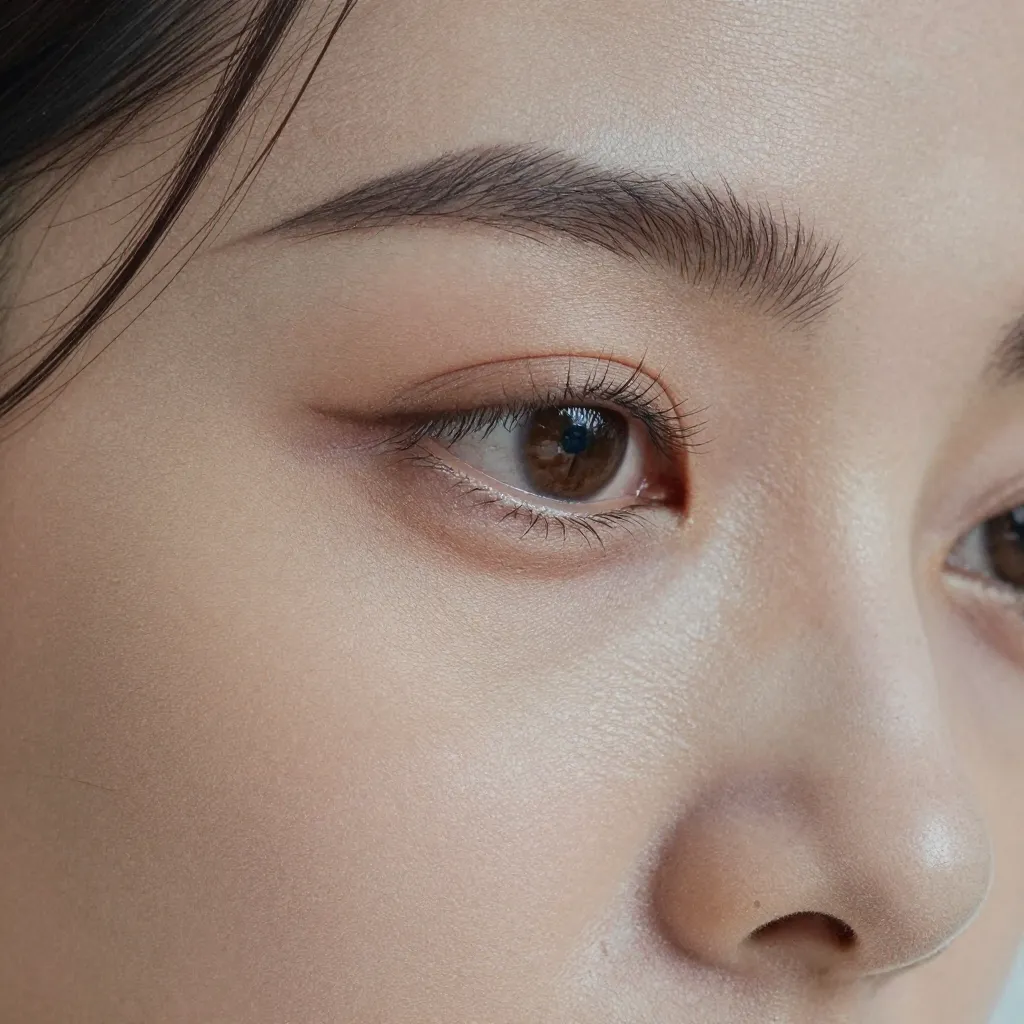 |
Observation: Even without japanese, all 3 images generated East Asian-looking subjects. Iris color is medium brown, similar to Part B control. Eye shape is natural single to double eyelid, with no major difference from the japanese control. The ethnic appearance of the subject did not significantly change with or without japanese.
D01: big round eyes (no japanese)
| seed 1 | seed 2 | seed 3 |
|---|---|---|
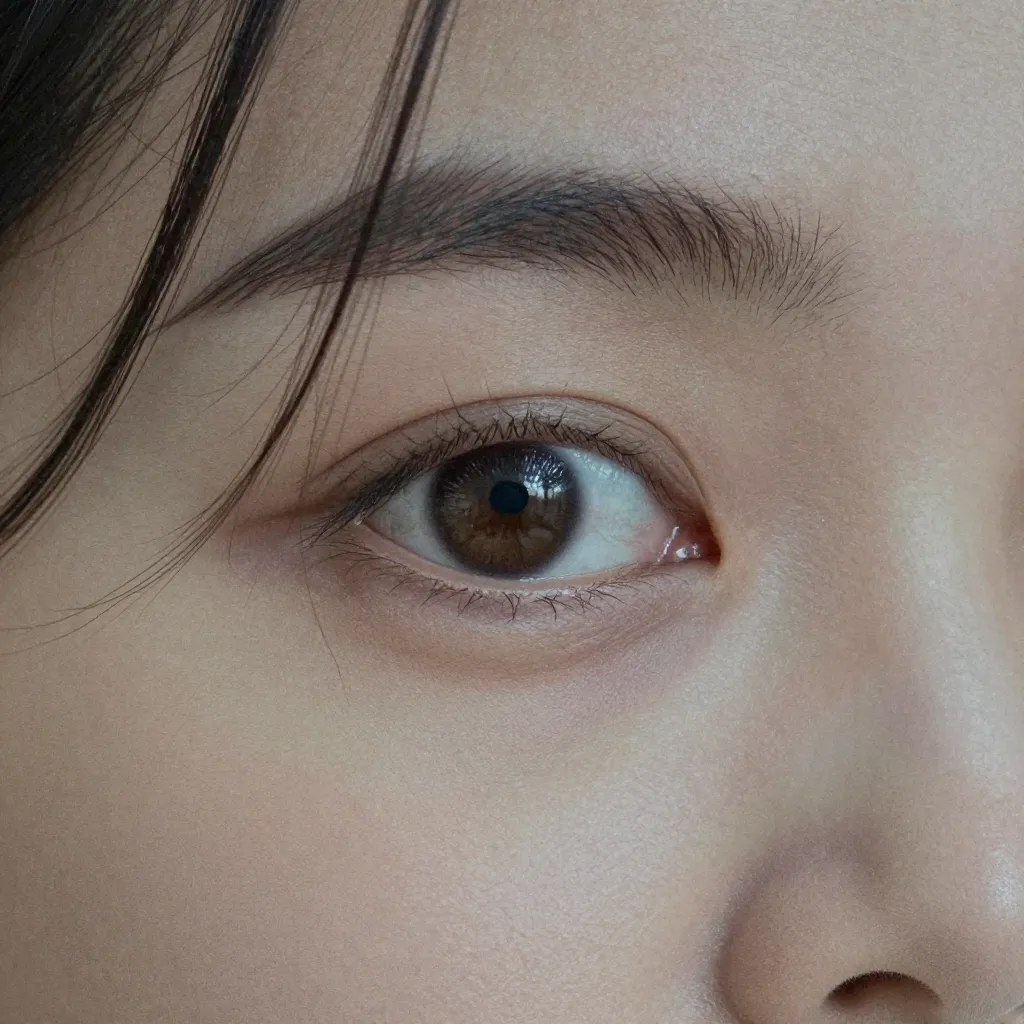 | 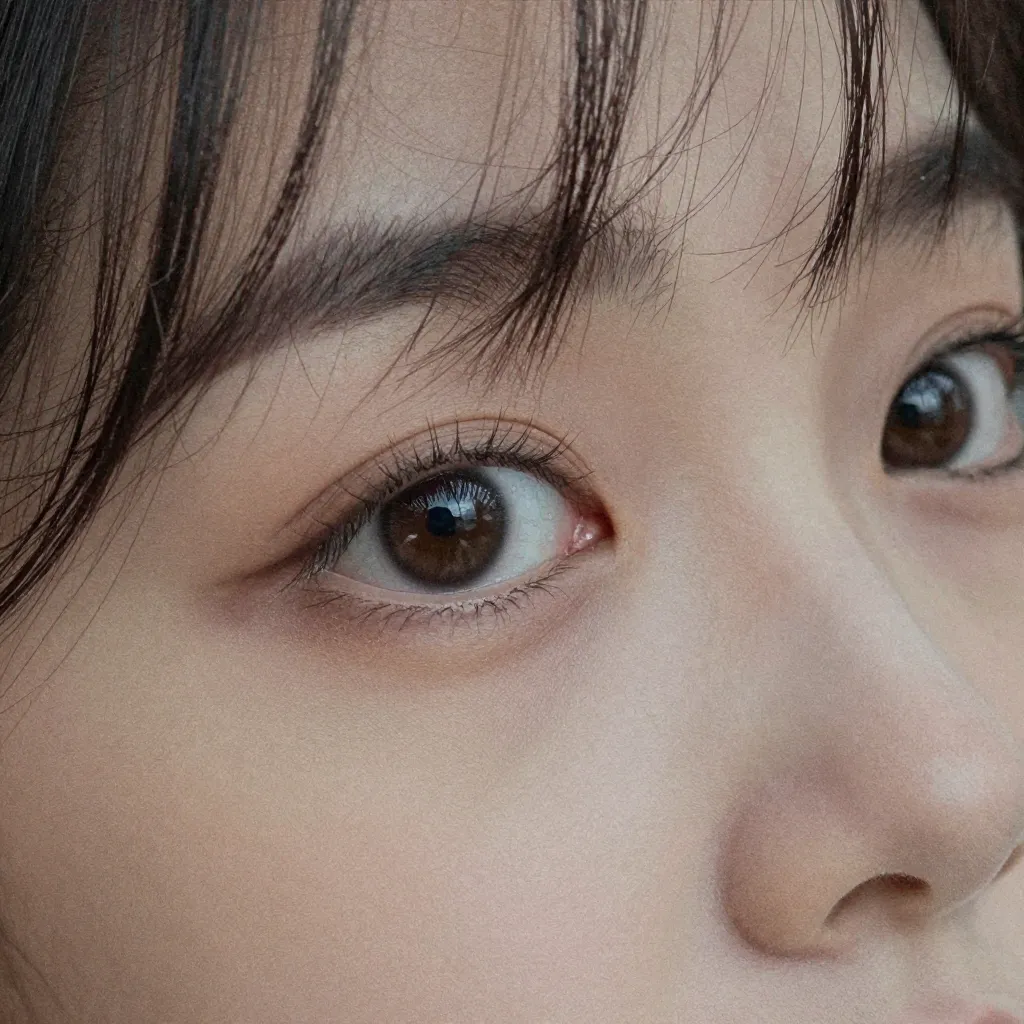 | 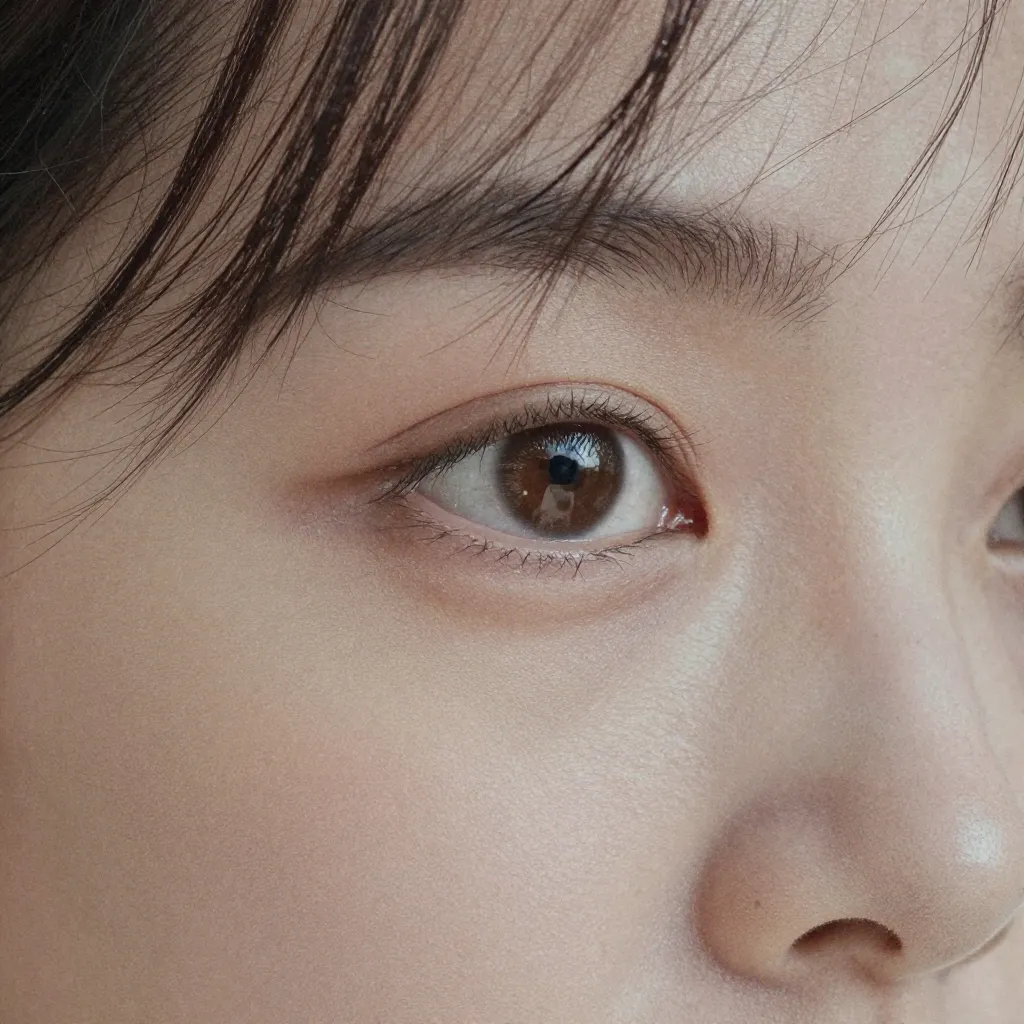 |
Observation: 3/3 images show increased roundness and openness compared to control (D00). Seed 1 has clearly larger exposed iris area with rounder eyes. Seed 2 shows both eyes large and round, the most prominent change. Seed 3 also shows a clearly larger, rounder iris. Compared to Part B’s japanese actress + big round eyes (1/3 change), removing japanese dramatically improved shape control.
D02: narrow almond eyes (no japanese)
| seed 1 | seed 2 | seed 3 |
|---|---|---|
 | 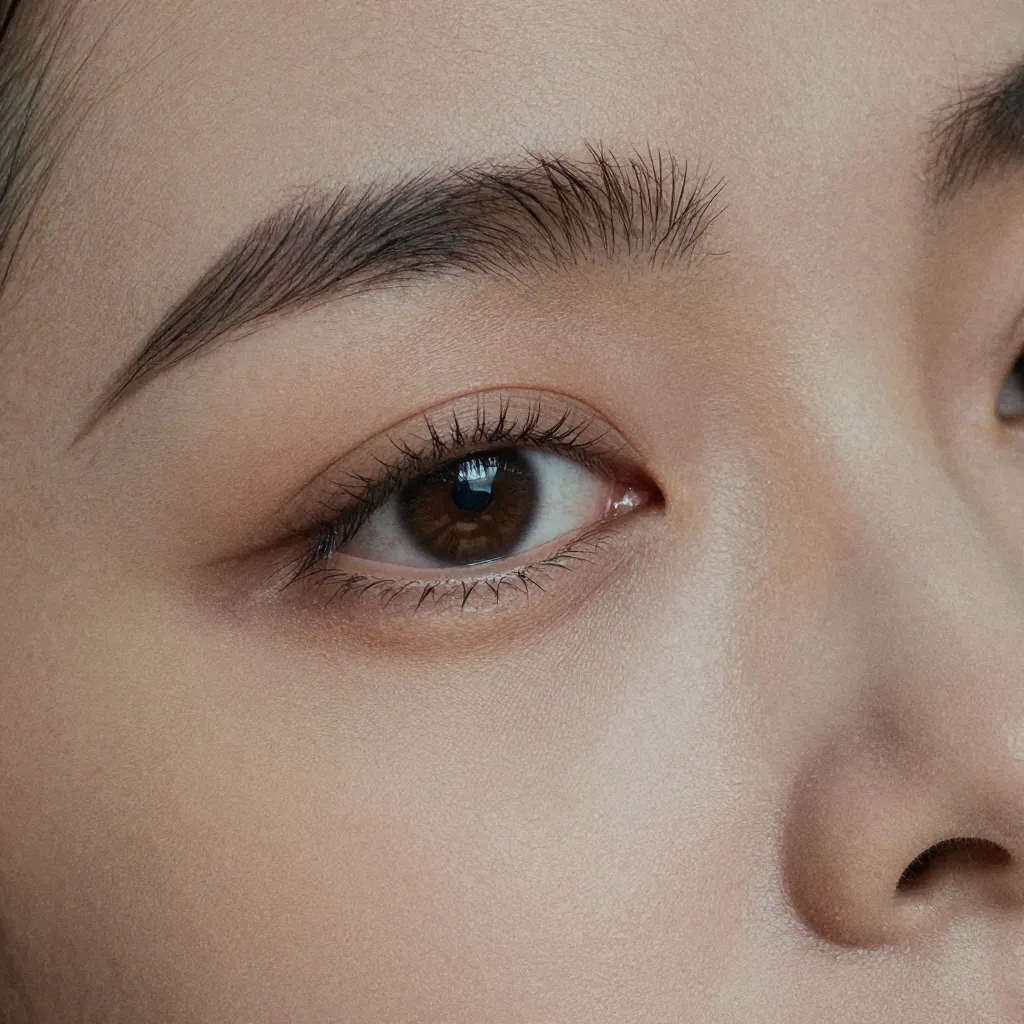 | 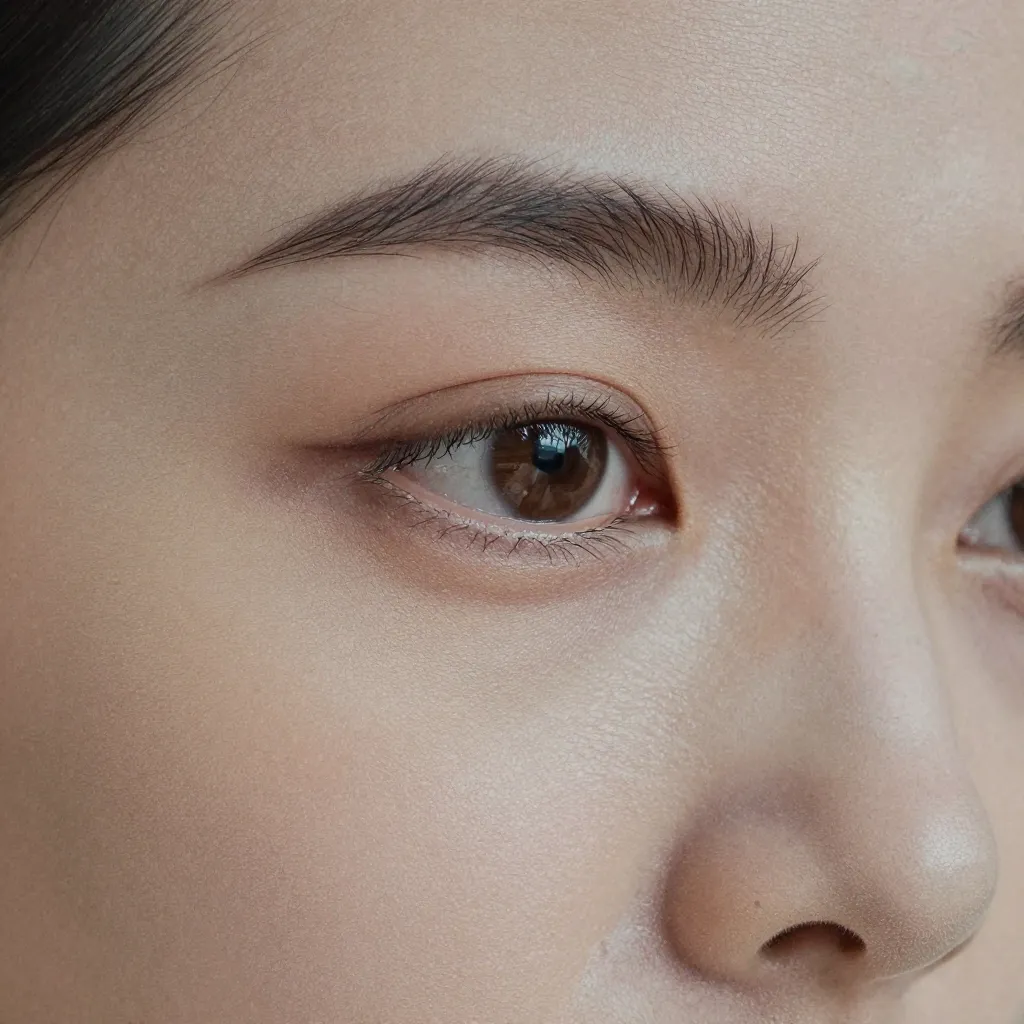 |
Observation: 2/3 images (seeds 2 and 3) show a slightly narrower, more elongated eye shape compared to control (D00). Seed 1 shows minimal difference. Compared to Part B’s japanese actress + narrow almond eyes (0/3 change), improvement is visible, but not as clear as big round eyes or cat eyes. The control itself already tends toward an almond shape, so the additional change from this keyword is small.
D03: cat eyes (no japanese)
| seed 1 | seed 2 | seed 3 |
|---|---|---|
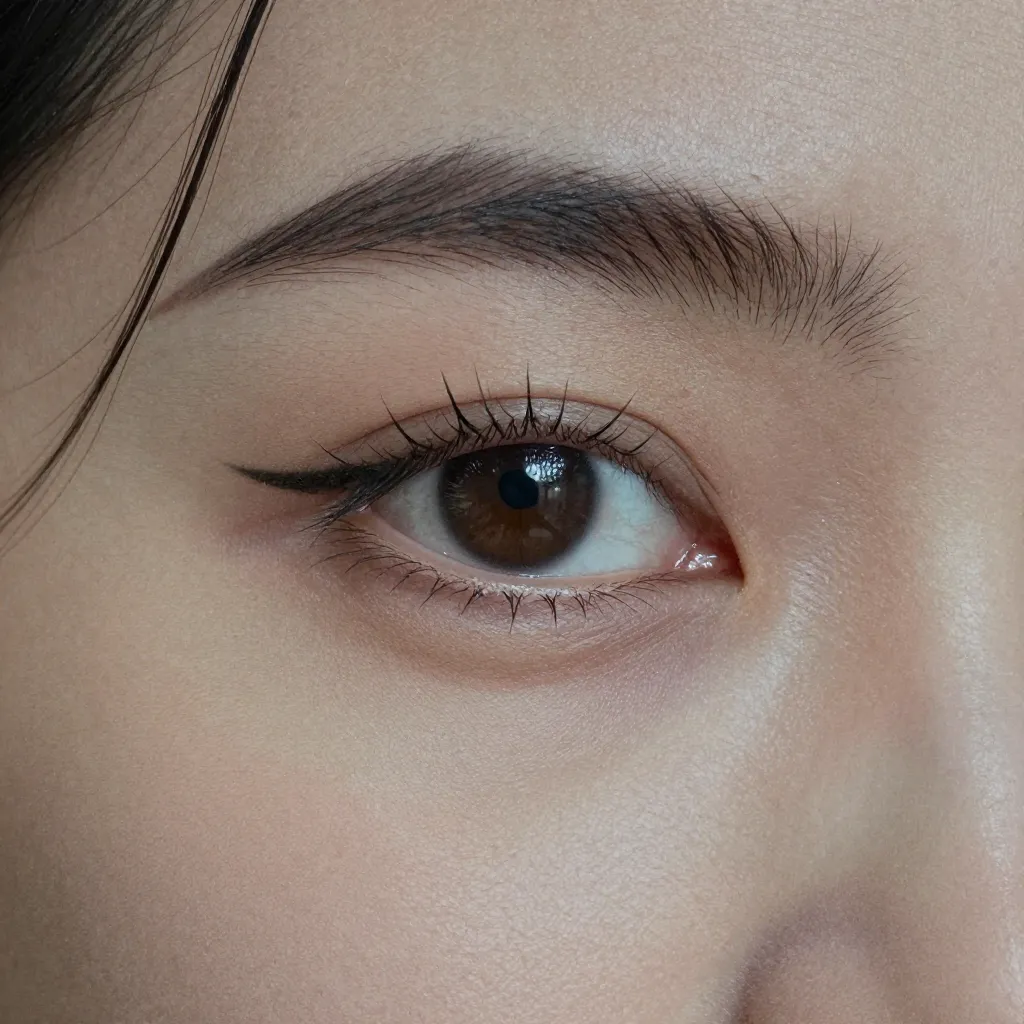 | 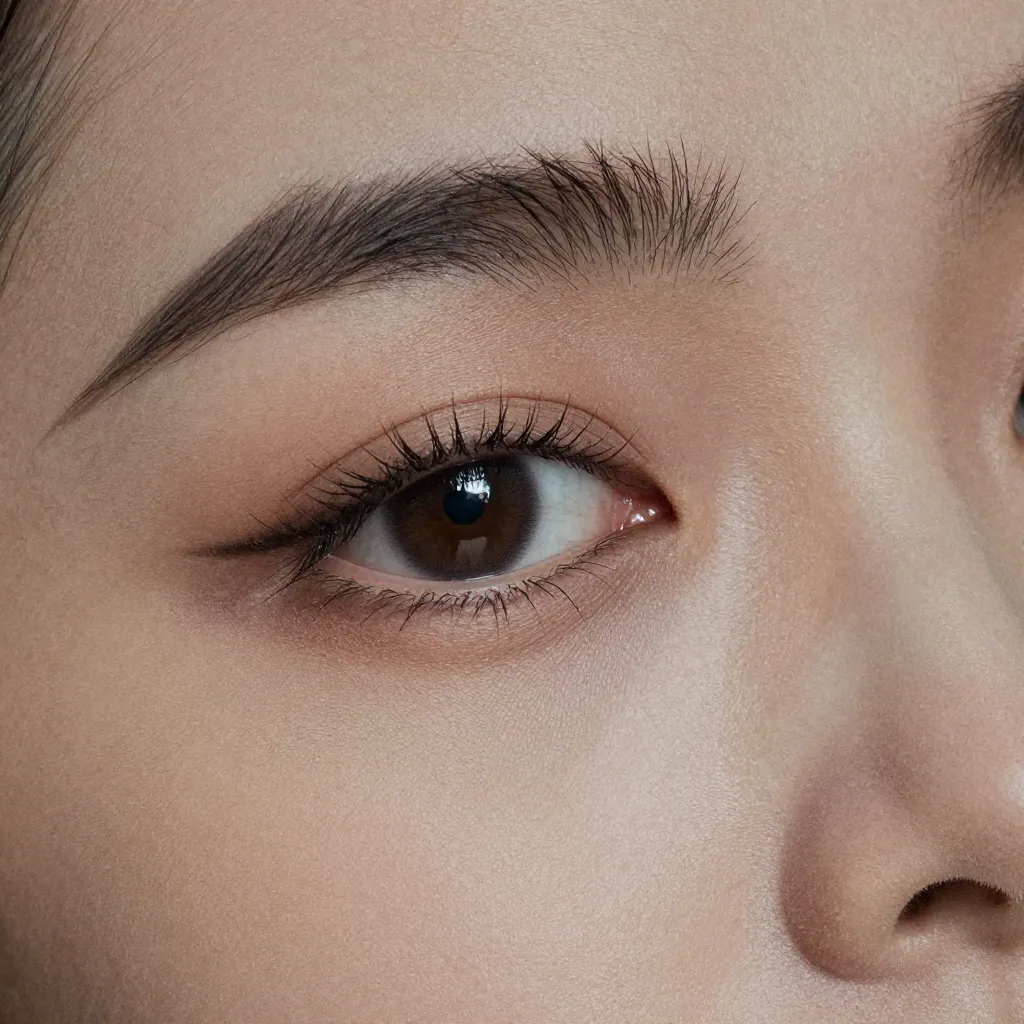 |  |
Observation: 3/3 images show upswept outer corners and emphasized eyeliner at the outer edges. Seed 1 has a clearly visible black eyeliner flick at the outer corner. Seed 2 also shows an upswept outer corner with emphasized liner. Seed 3 shows both eyes with upswept, elongated outer corners. Compared to Part B’s japanese actress + cat eyes (0–1/3 change), the improvement is dramatic. Note that cat eyes here manifests as emphasized eyeliner (makeup), combined with shape change.
Deep Dive Summary
| Condition | Part B (with japanese) | Deep Dive (no japanese) |
|---|---|---|
| big round eyes | 1/3 | 3/3 |
| narrow almond eyes | 0/3 | 2/3 |
| cat eyes | 0–1/3 | 3/3 |
Removing japanese improved shape control across all 3 conditions. Especially big round eyes and cat eyes showed changes in all 3 images. japanese appears to lock the eye shape to single/double eyelid, competing with shape prompts. However, even without japanese, the subjects still tend to appear East Asian, so there is a tradeoff between shape control and ethnic appearance.
Summary
- Eye color control is effective: blue eyes (3/3), green eyes (3/3), amber eyes (3/3) all showed the specified color change. Color control works even with
japanese actress - Heterochromia is partial: iris tends to shift to gray tones, but the intended left-right color difference was confirmed in 0/3 images
- Eye shape control varies greatly depending on whether
japaneseis used: withjapanese actress, shape prompts had almost no effect (1–2/12); withoutjapanese, effectiveness improved significantly (8/9) japaneselocks eye shape:japaneseappears to strongly default to single/double eyelid almond shape, competing with big round eyes and cat eyes- Practical recommendations: For eye color changes, simple keywords like
blue eyesorgreen eyeswork well. For shape changes, removingjapaneseimproves control, but the effect on the subject’s ethnic appearance must be considered
Related Articles
⚠ 関連記事が見つかりません: /en/tips/blush-contour-highlight-test
⚠ 関連記事が見つかりません: /en/tips/lip-color-texture-test
