Conclusions First
- droopy eyes (2 tokens) most stably output downturned outer eye corners. All 3 images showed lower outer corners compared to control
- downturned eyes also works for downturned corners, but has the side effect of inducing downcast gaze and head-bowed poses
- sleepy eyes outputs “closed eyes” rather than droopy eyes. 2/3 images had fully closed eyes — completely unsuitable for droopy eye use
- tareme (Japanese-derived term) shows little difference from control, with unstable effect
- gentle gaze / soft eyes affects expression and atmosphere rather than eye shape, with limited outer corner shape change
Experiment Design
| Item | Value |
|---|---|
| Model | z-image-turbo (6B, realism-focused distilled) |
| Steps | 8 |
| Sampler | euler |
| Scheduler | ddim_uniform |
| CFG | 1.0 |
| Size | 1024x1024 |
| Seed | 3 fixed (shared across all conditions) |
| Per condition | 3 images (3 seeds) |
| Total | 9 conditions = 27 images (2 failed, 25 evaluated) |
Base Prompt
Adopted upper body + front composition to observe eye shape changes.
A00: control
| seed 1 | seed 2 | seed 3 |
|---|---|---|
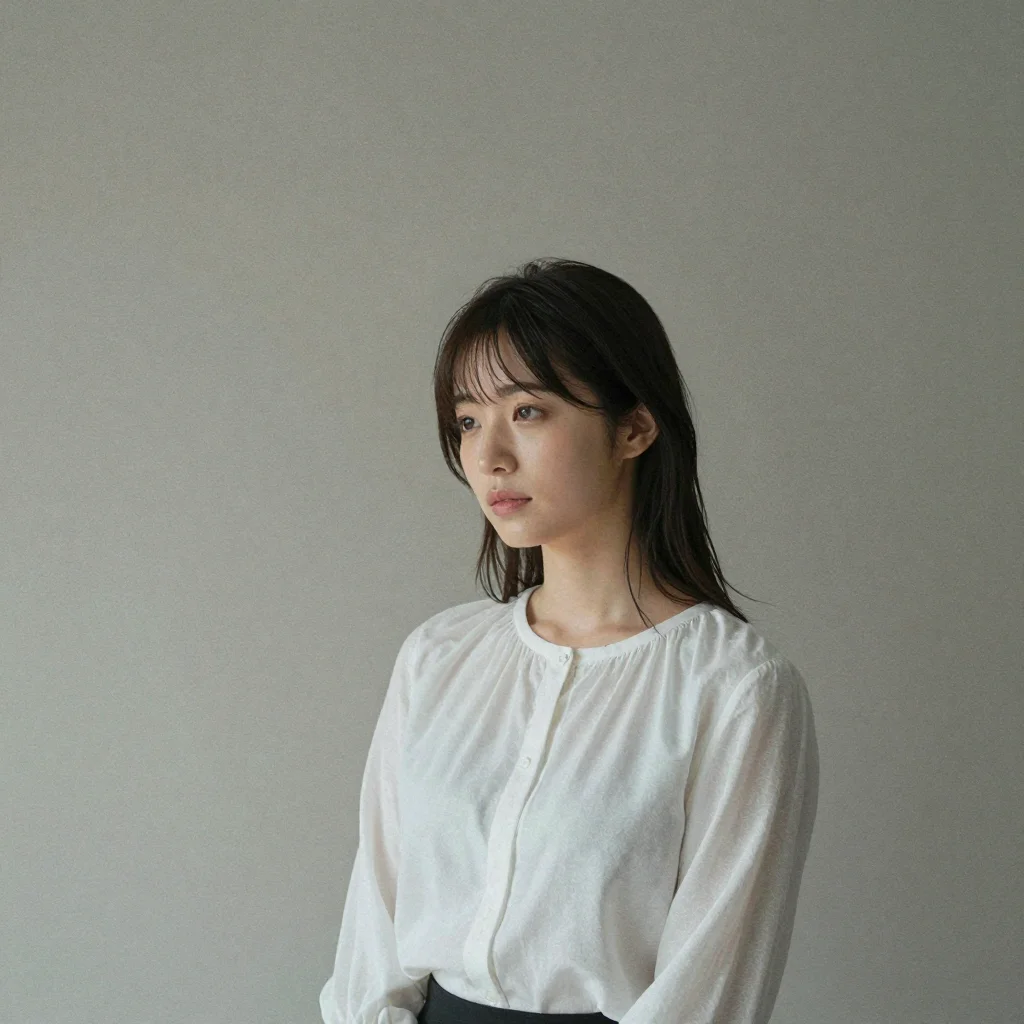 | 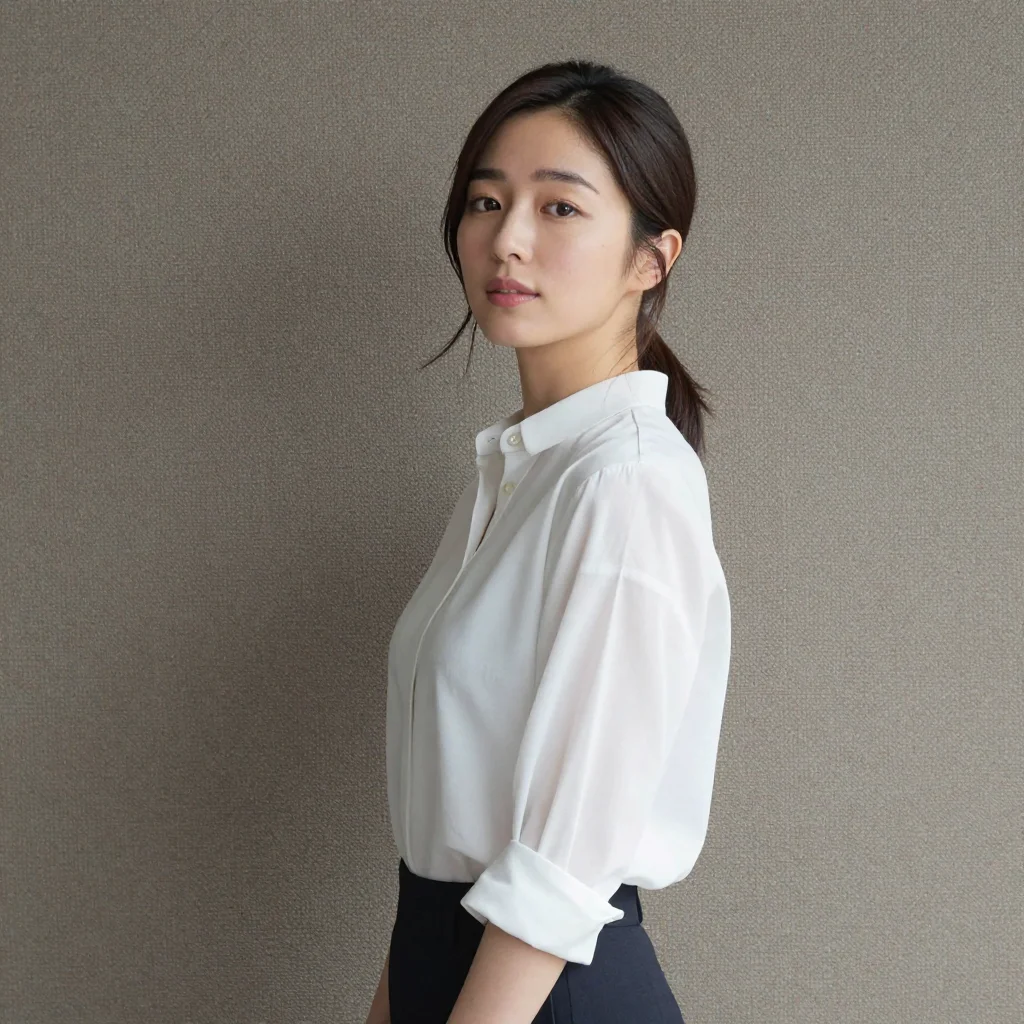 | 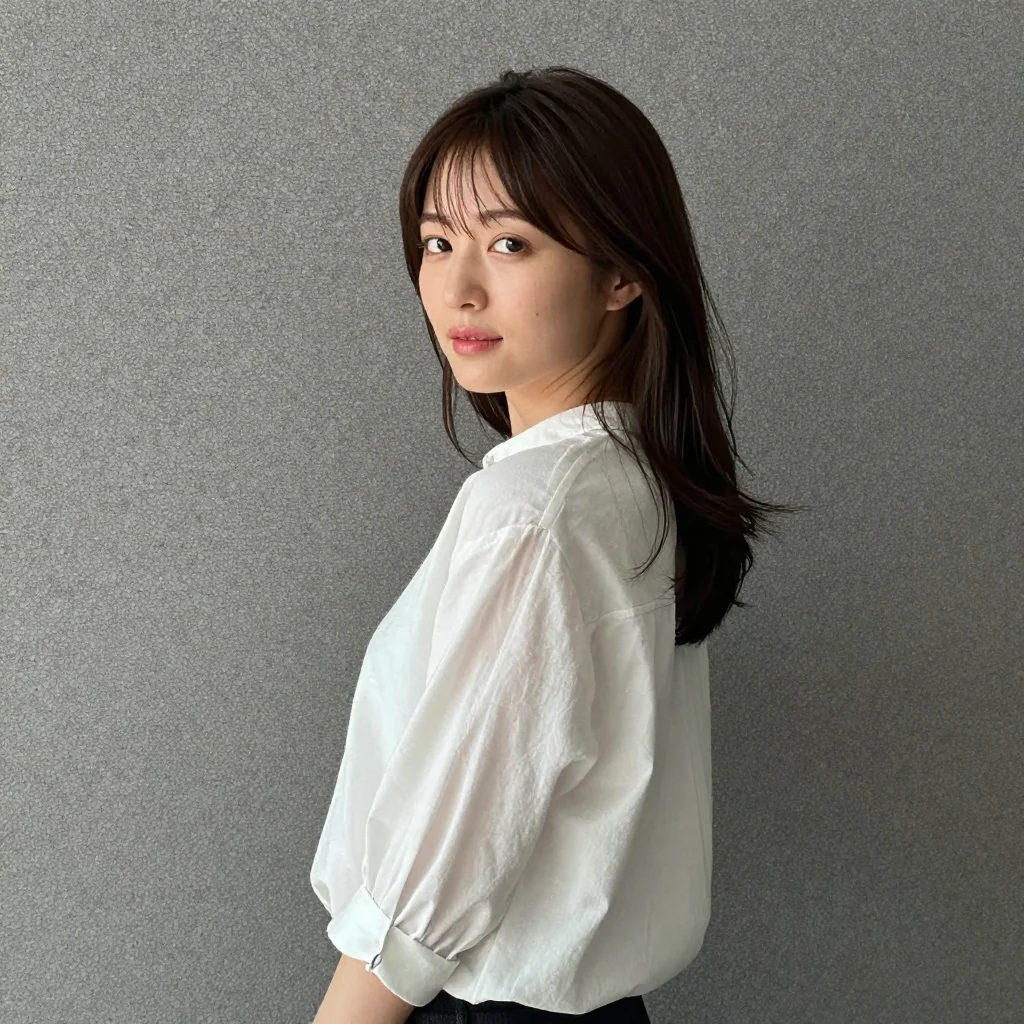 |
Observations: All 3 images show standard almond-shaped eyes. s1 is slightly turned left with outer corners nearly horizontal. s2 is a side-facing composition with slightly raised outer corners. s3 is a turning-back pose with natural eye shape. Overall, no drooping of outer corners, neutral expression.
A01: droopy eyes
| seed 1 | seed 2 | seed 3 |
|---|---|---|
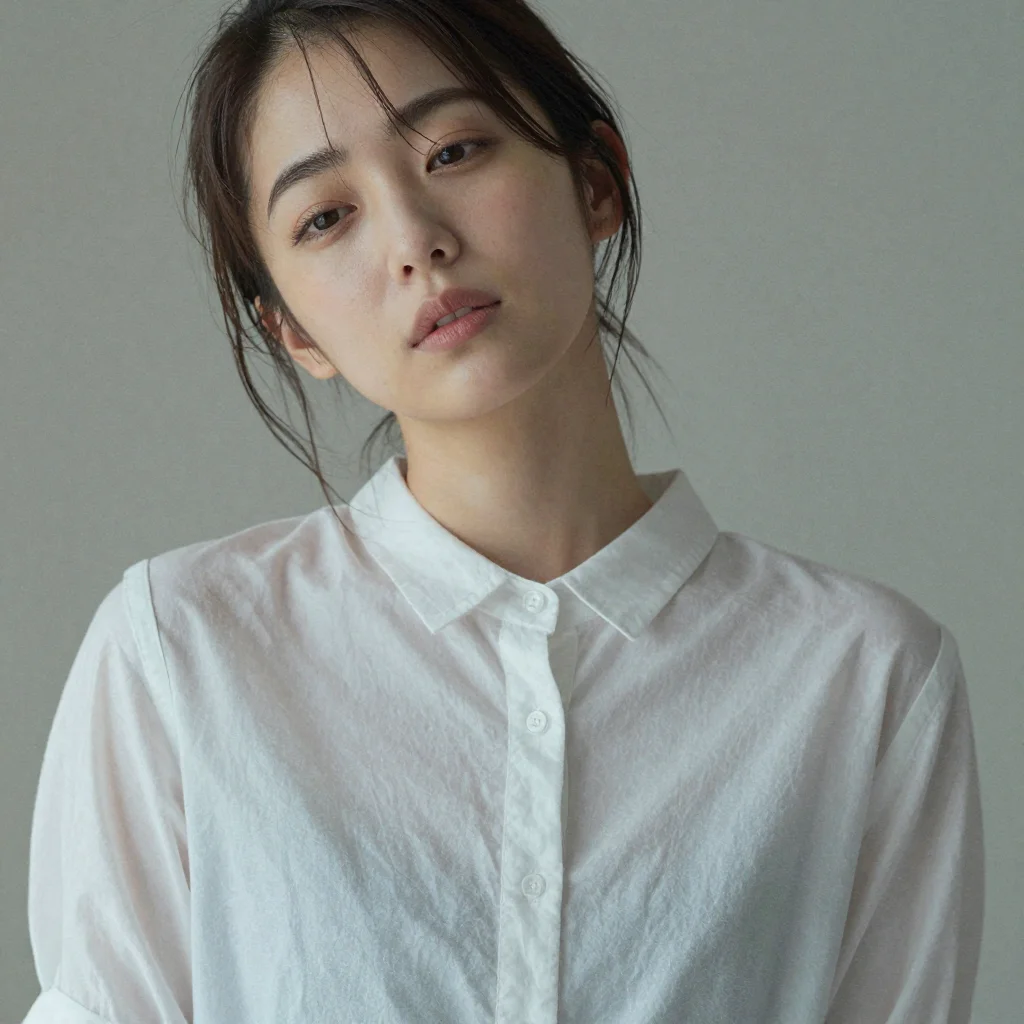 | 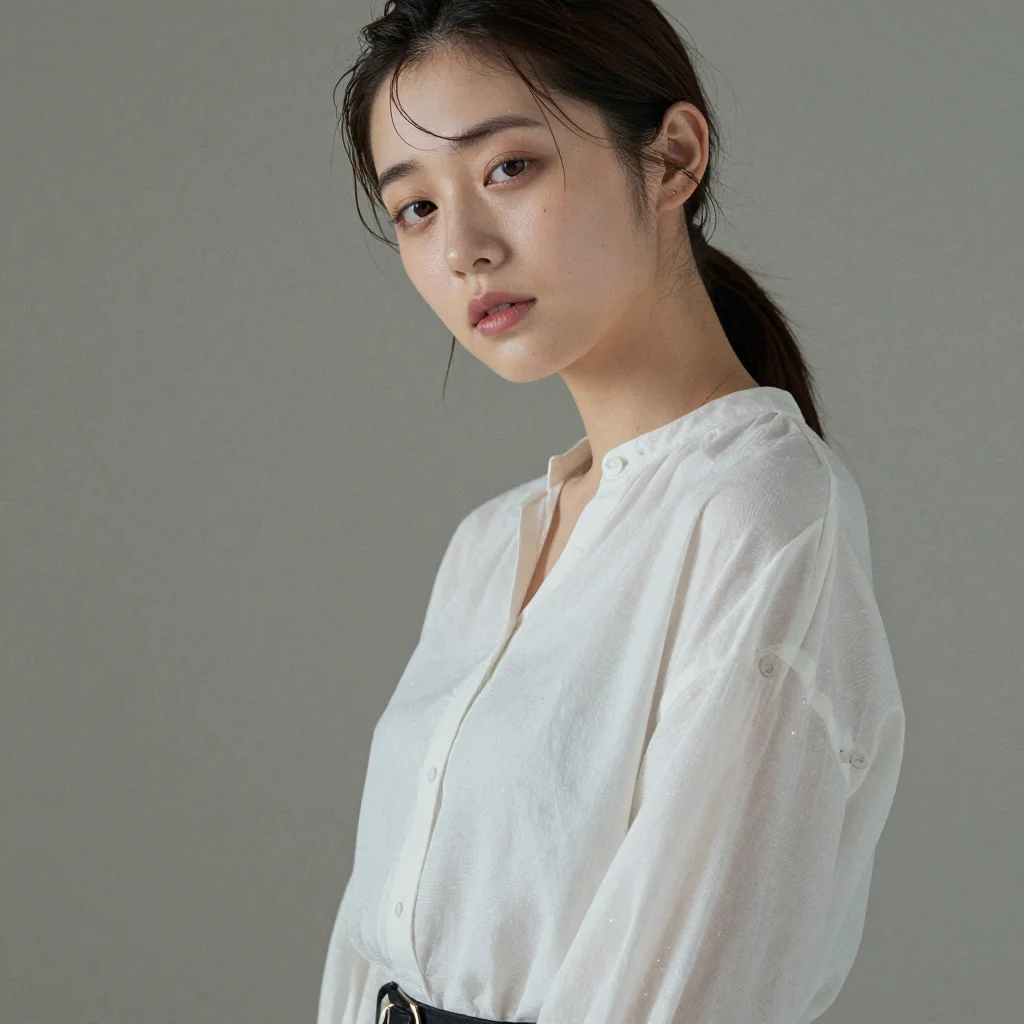 | 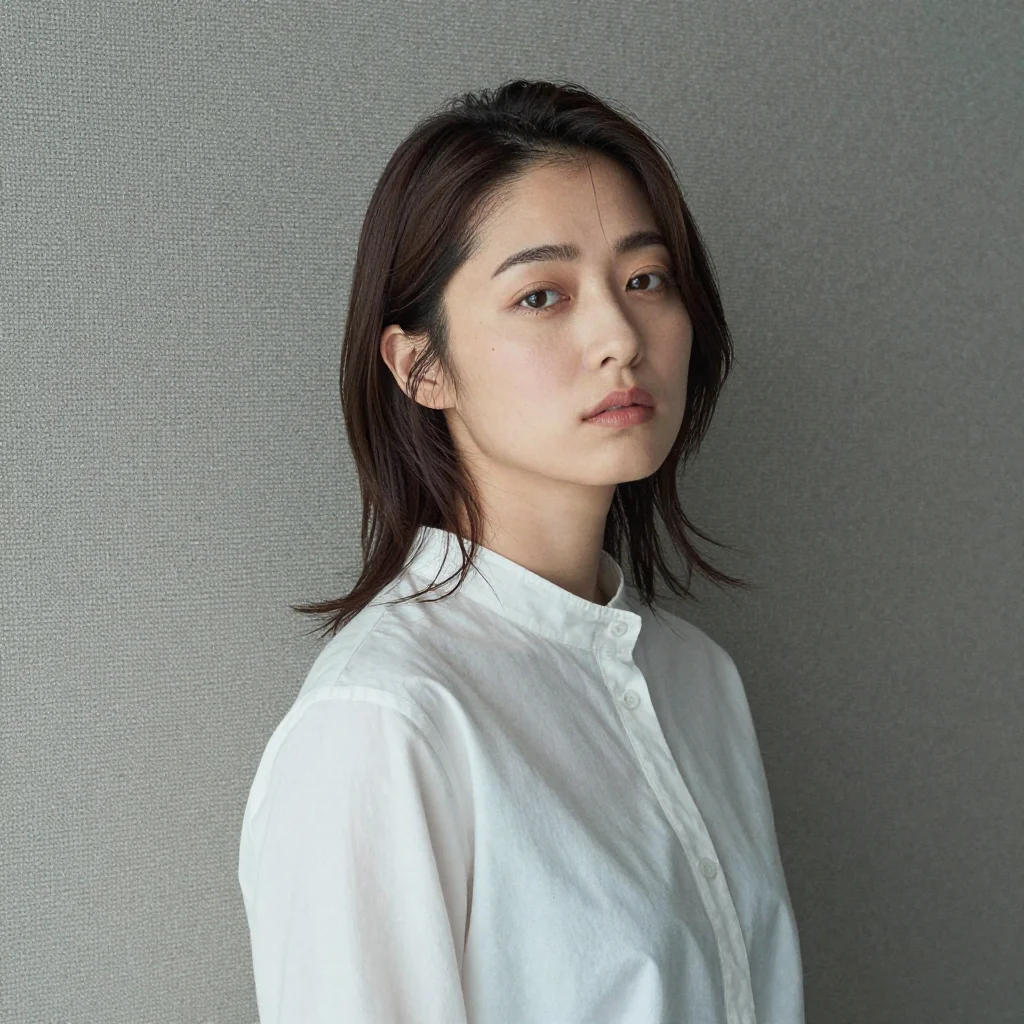 |
Observations: All 3 images show slightly lower outer corners compared to control. s1 is a more front-facing composition with outer corners drooping downward in a rounded way showing droopy eye characteristics. s2 is a side-facing composition, but compared to control s2, the corner angle is lowered with a gentler impression. s3 is the same turning-back composition as control s3, but the eyes appear slightly smaller and rounder with drooping outer corners. No major changes to composition or hairstyle as side effects — changes focused on eye shape.
A02: downturned eyes
| seed 1 | seed 2 | seed 3 |
|---|---|---|
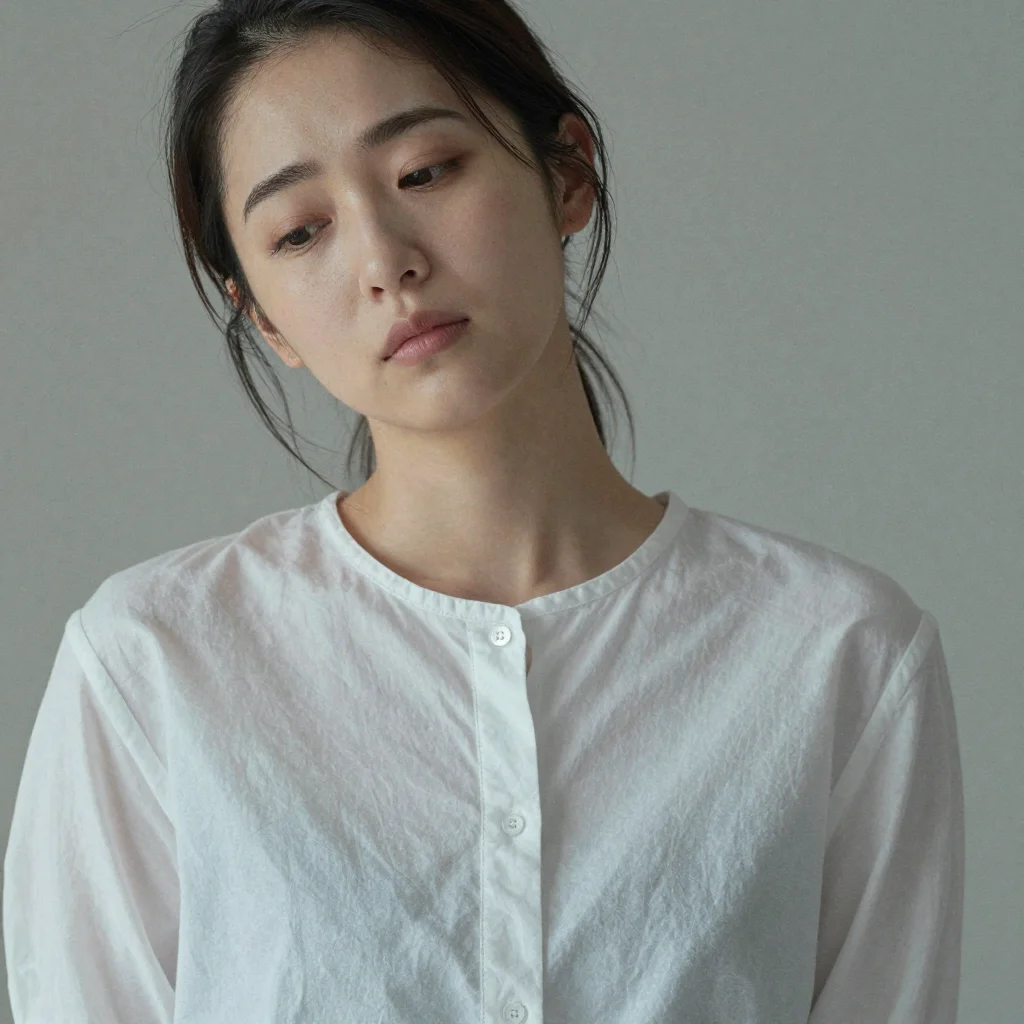 | 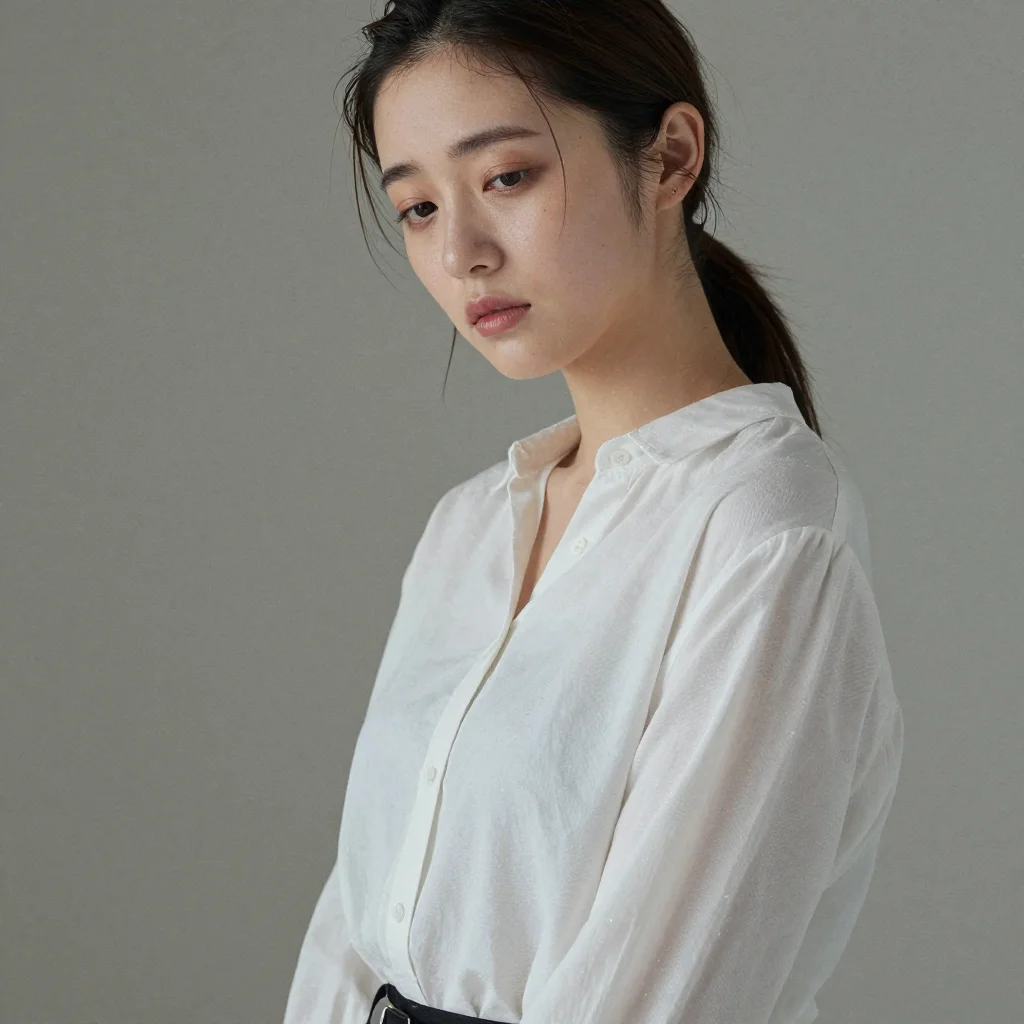 | 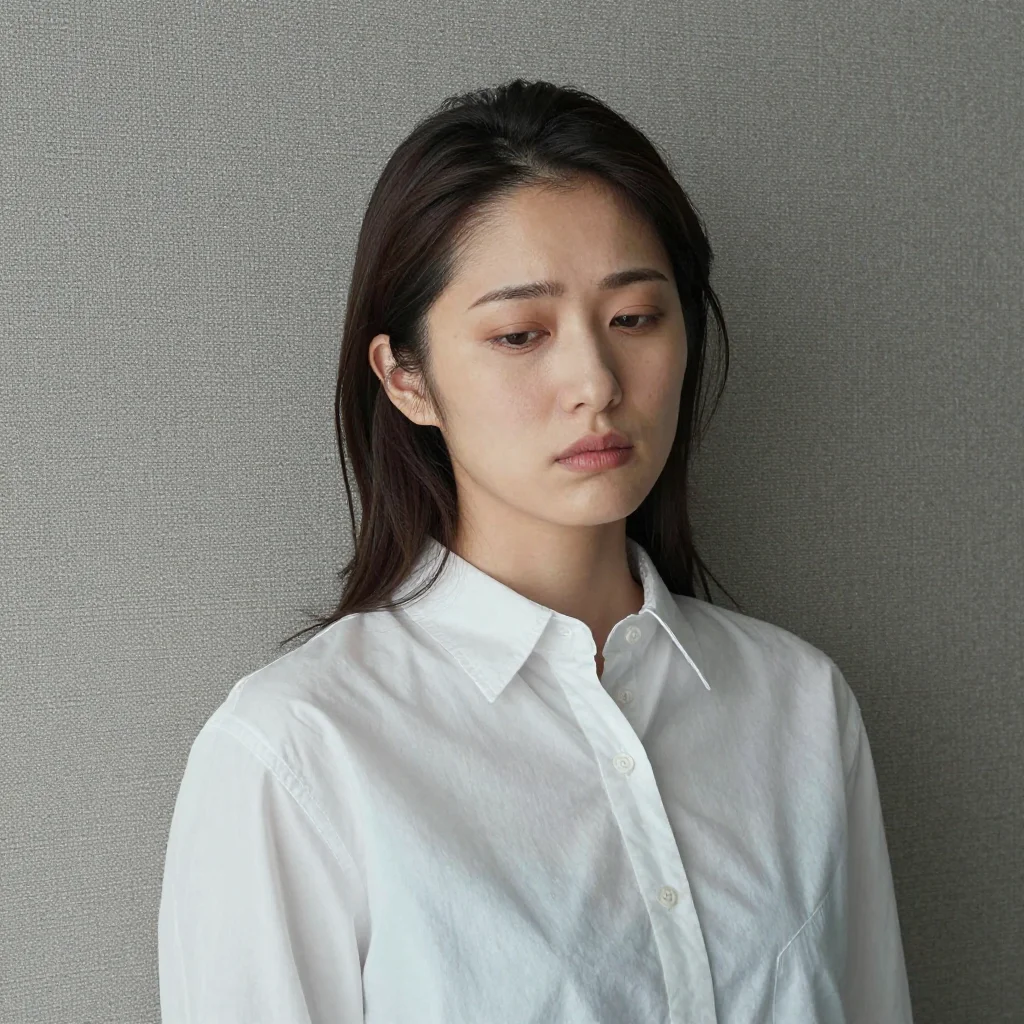 |
Observations: All 3 images show gaze directed downward. s1 has face toward front but gaze downward, with upper eyelid half closed and drooping outer corners confirmed. s2 is the same side-facing composition as control s2, but gaze drops downward with lowered upper eyelid in a downcast look. s3 has the whole face tilted downward with eyes looking down too. “downturned” affects not just eye shape but also gaze direction and face angle, inducing downcast gaze and head-bowed poses. Outer corner drooping is also present, but the downcast side effect is strong.
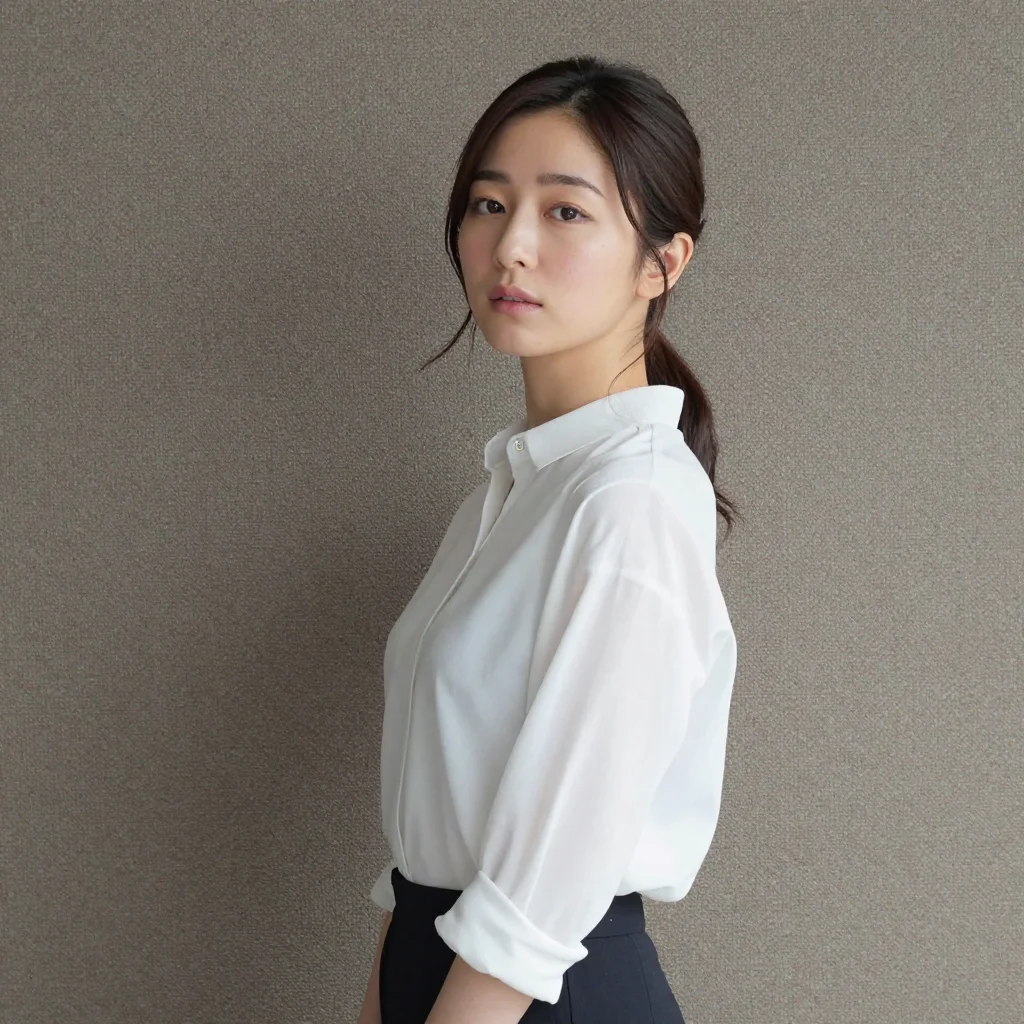
A03: tareme
| seed 1 | seed 2 |
|---|---|
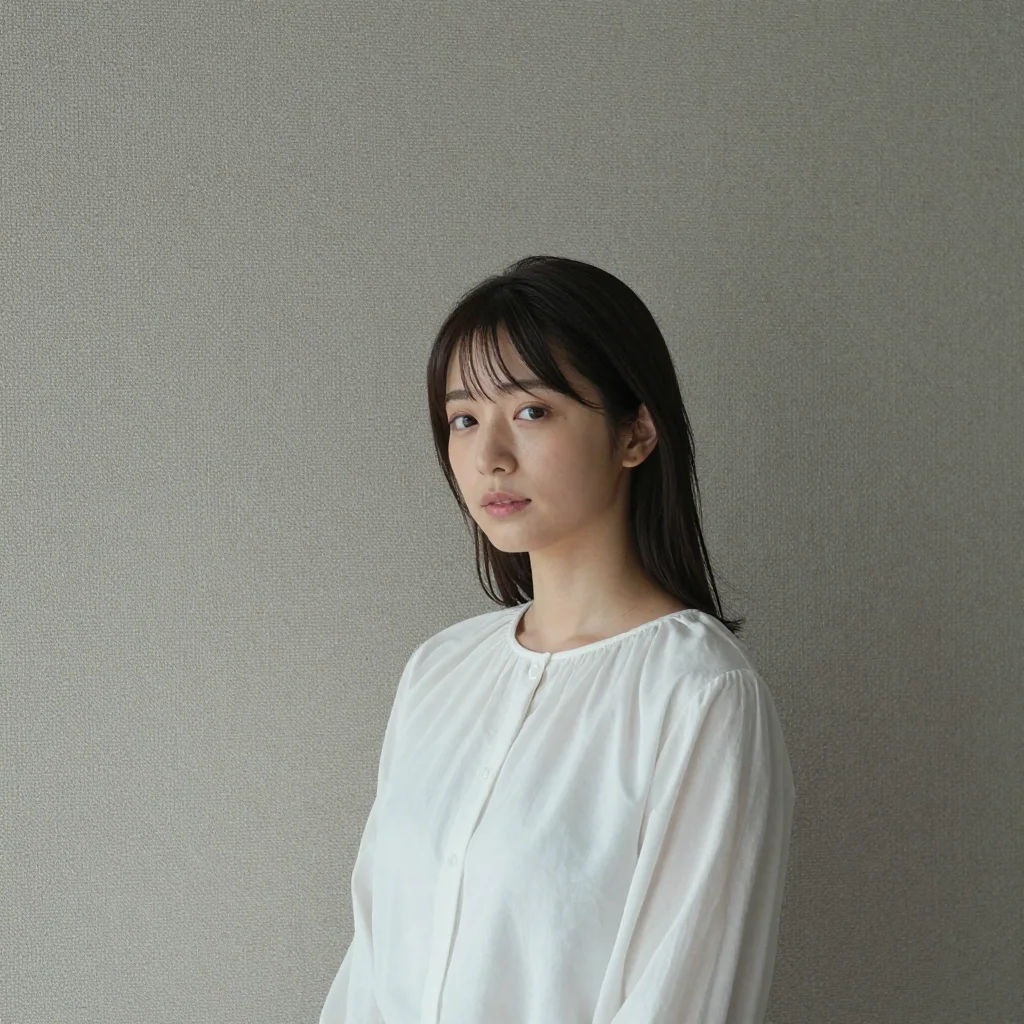 |  |
*seed 3 was a generation failure and is missing (evaluated with 2 images).
Observations: s1 has nearly the same composition as control s1, but no clear difference in eye shape. Outer corner angle is nearly horizontal, similar to control. s2 is the same side-facing composition as control s2 with no significant eye shape change. The Japanese anime-derived term “tareme” may not be sufficiently trained in realistic models, or the effect is weak. No clear change toward droopy eyes was confirmed in the range of 2 images.
A04: soft eyes
| seed 1 | seed 2 | seed 3 |
|---|---|---|
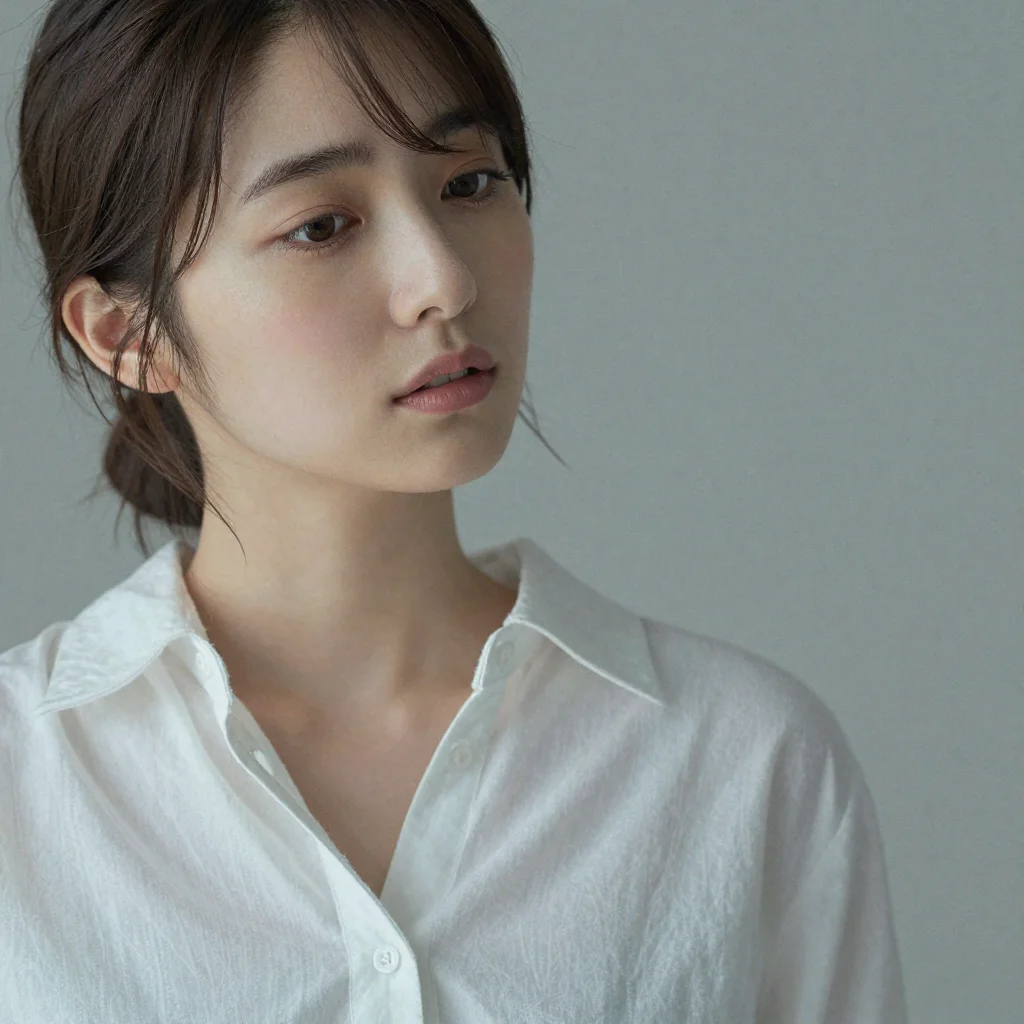 | 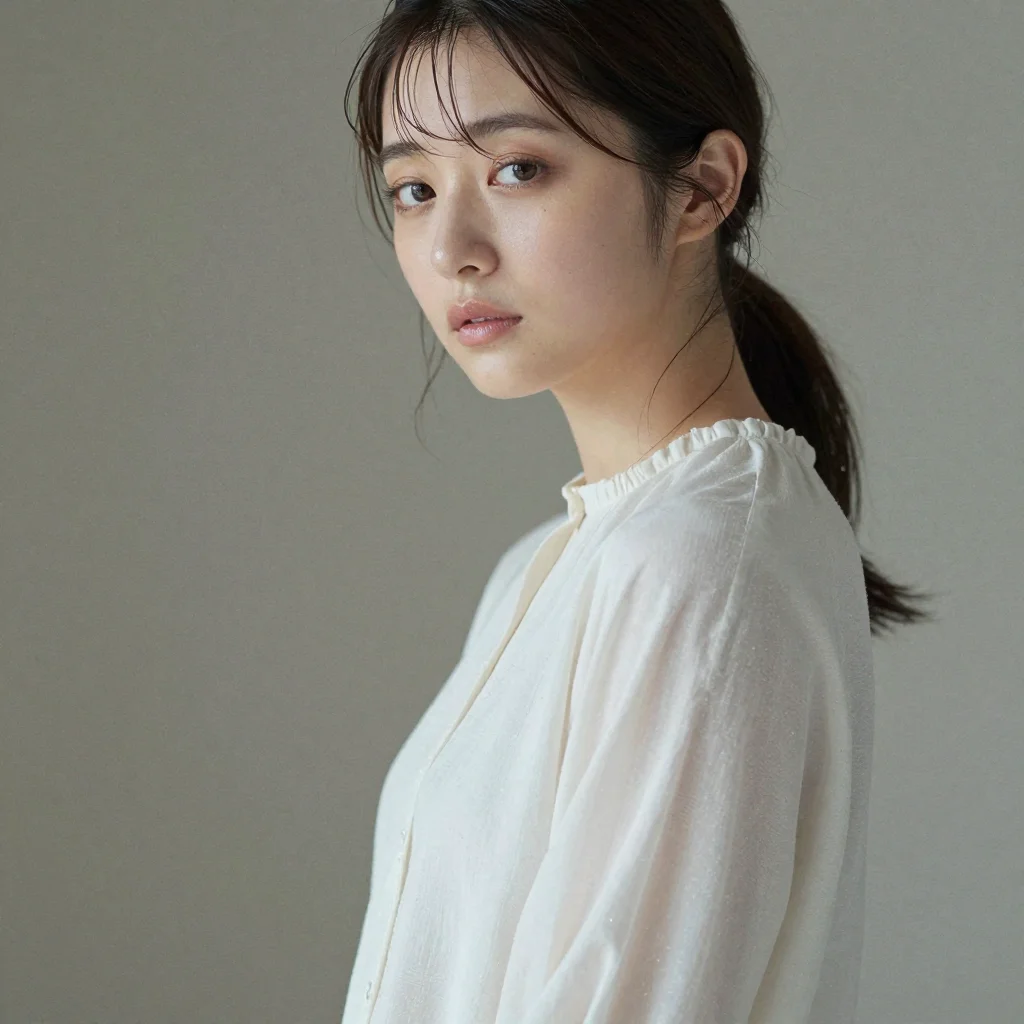 | 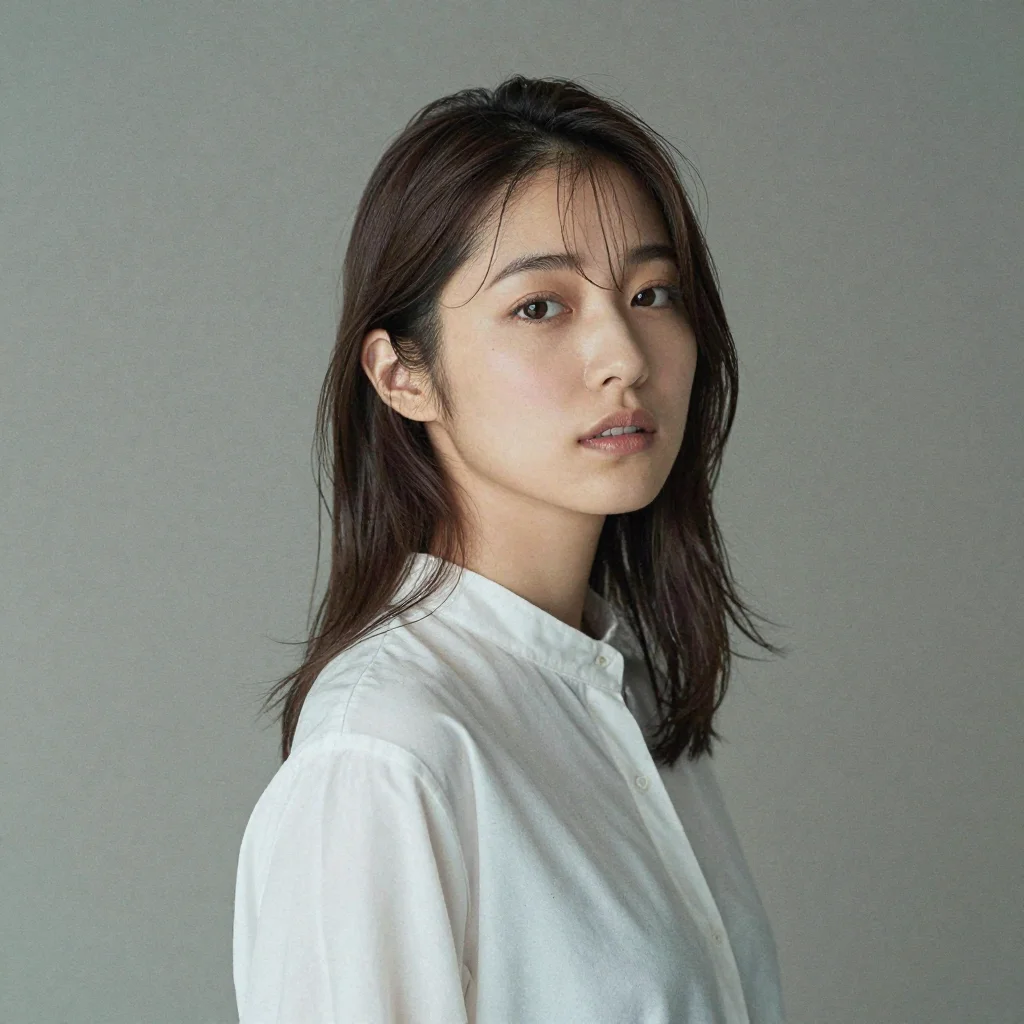 |
Observations: No significant change in eye shape itself in all 3 images compared to control. s1 is near-front composition with similar eye shape to control s1. s2 is the same side-facing composition with nearly no eye shape difference. Same for s3. “soft eyes” tends to affect the overall softness of expression rather than eye shape (droopy direction). No difference from control in terms of outer corner drooping.
A05: puppy eyes
| seed 1 | seed 2 |
|---|---|
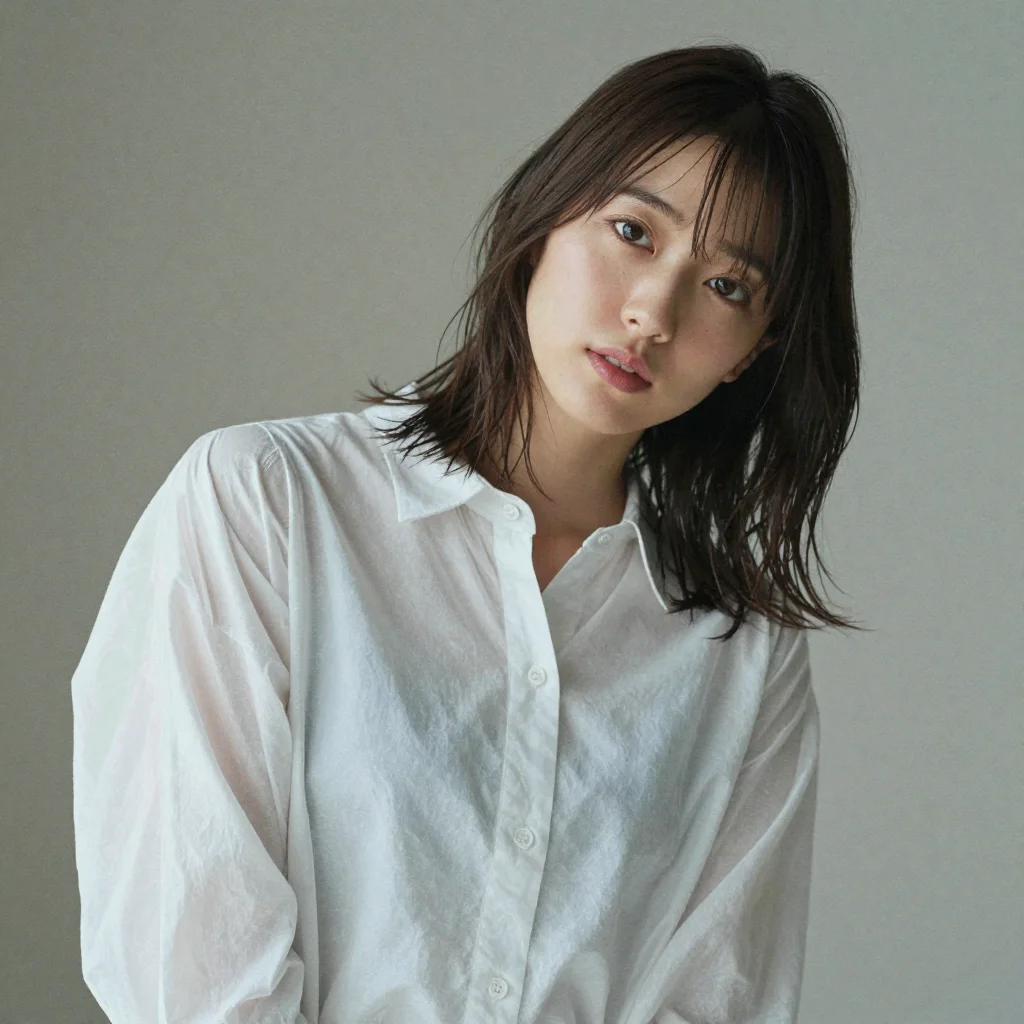 | 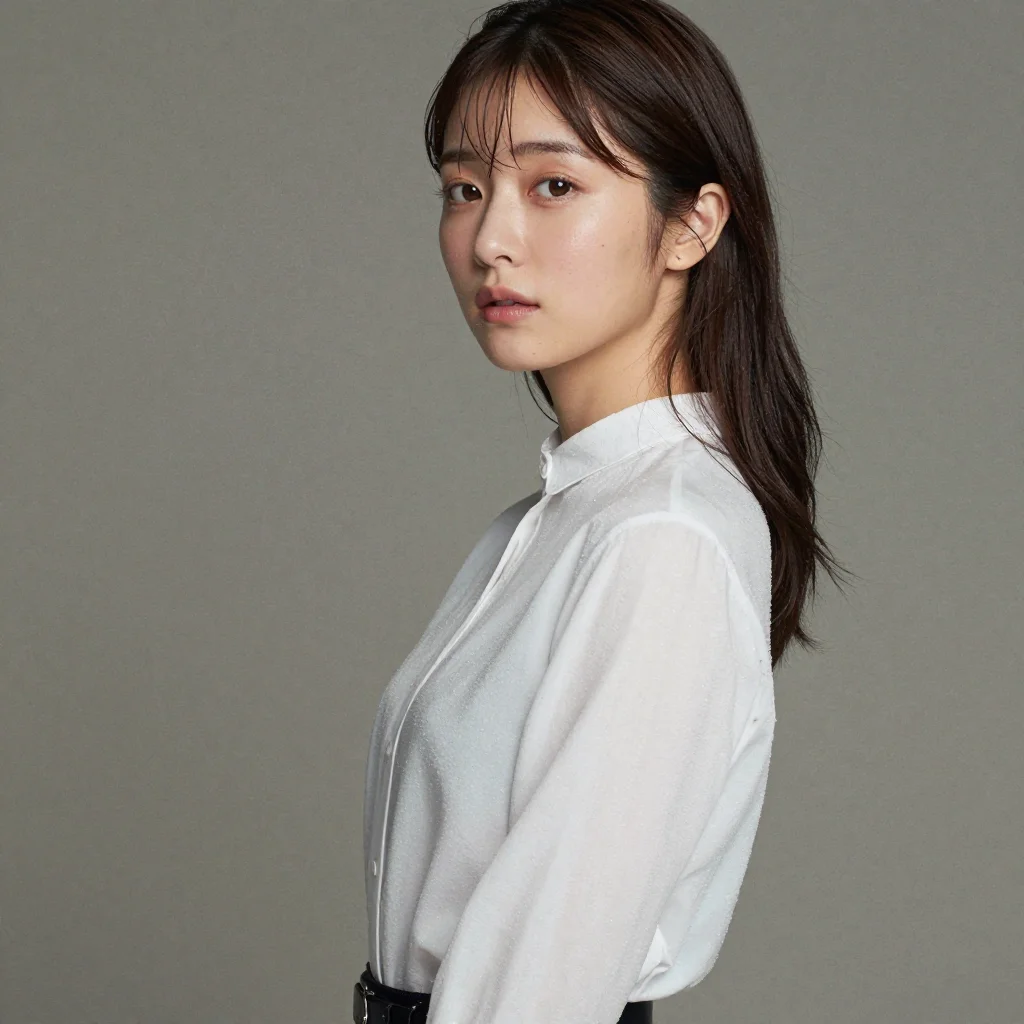 |
*seed 3 was a generation failure and is missing (evaluated with 2 images).
Observations: s1 is nearly the same composition as control s1, but eyes appear slightly larger and rounder. Slight outer corner drooping visible, but more of a “bigger eyes” direction rather than “droopy eyes.” s2 is same side-facing composition as control s2 with no significant eye shape difference. “puppy eyes” tends to make eyes appear larger and more open rather than drooping the outer corners. Low droopy eye reproduction rate.
A06: gentle gaze
| seed 1 | seed 2 | seed 3 |
|---|---|---|
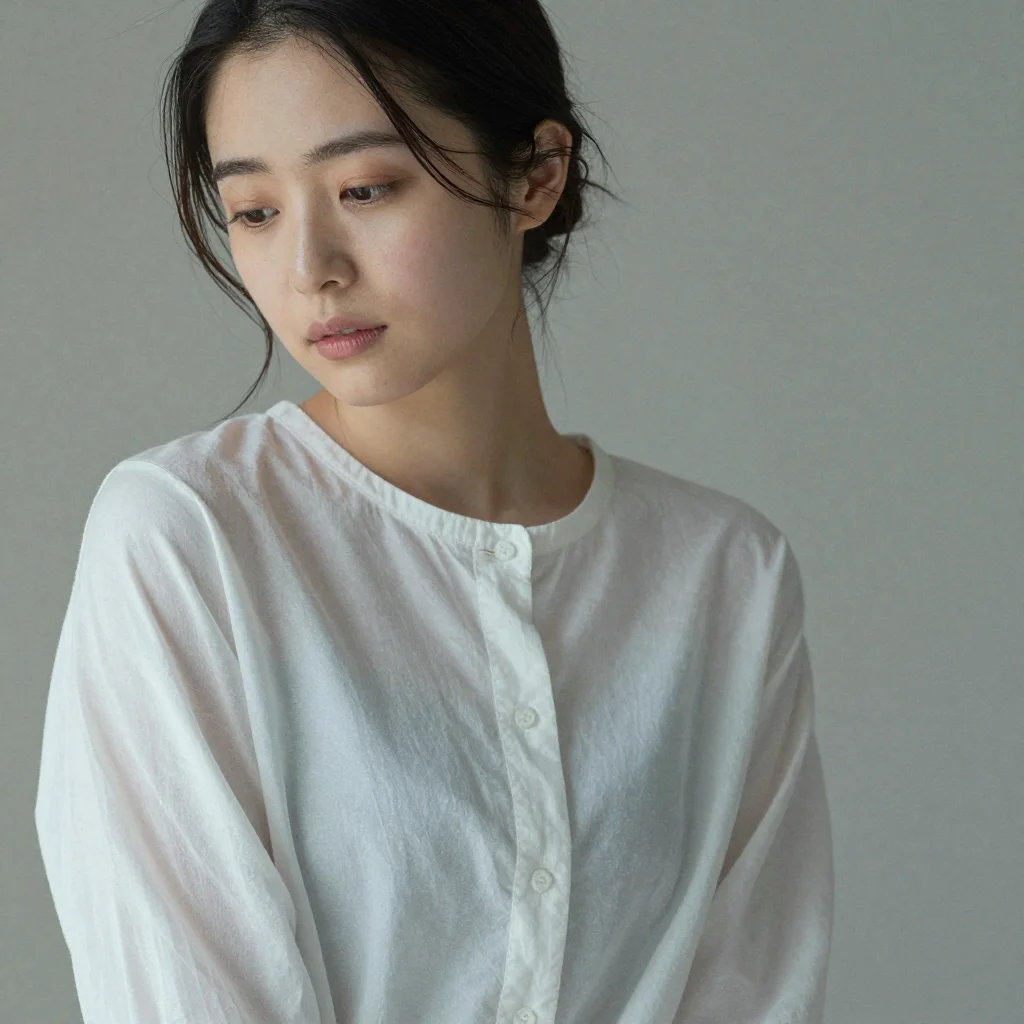 | 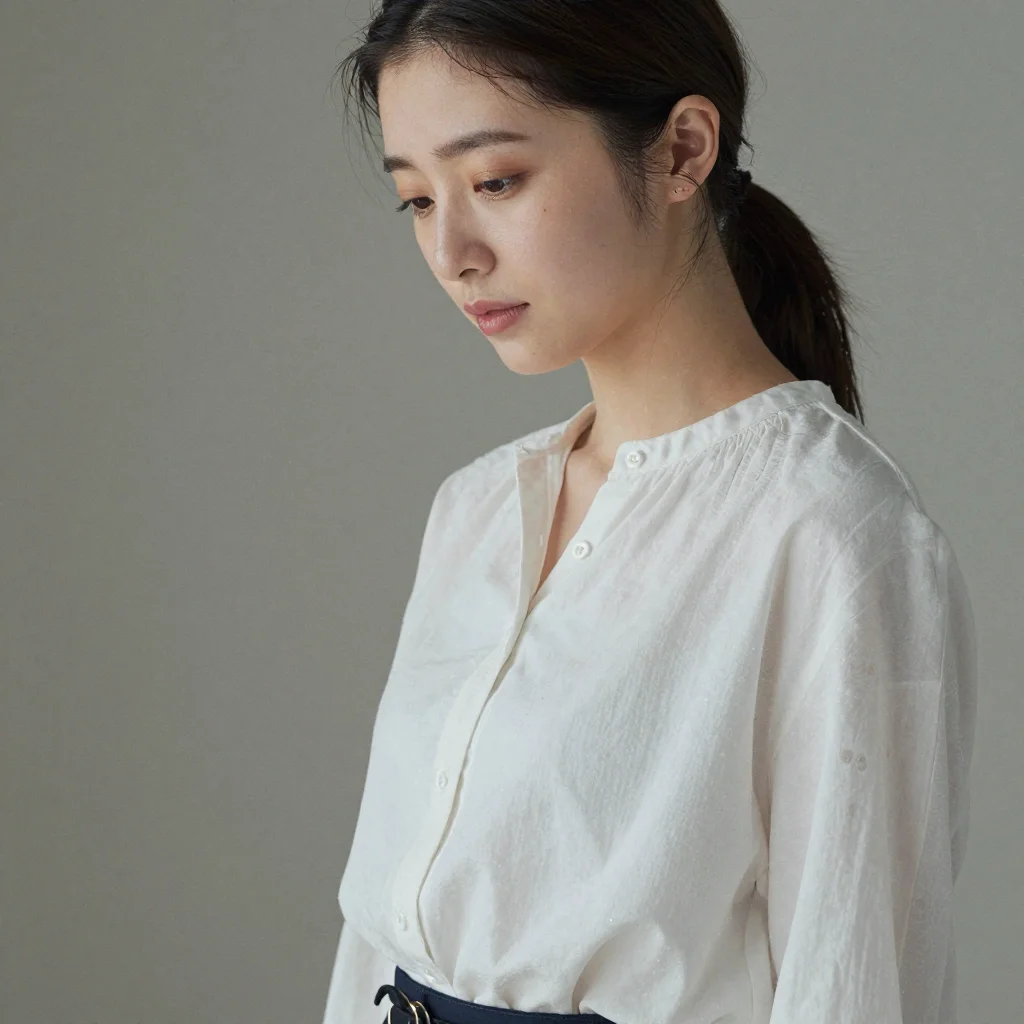 | 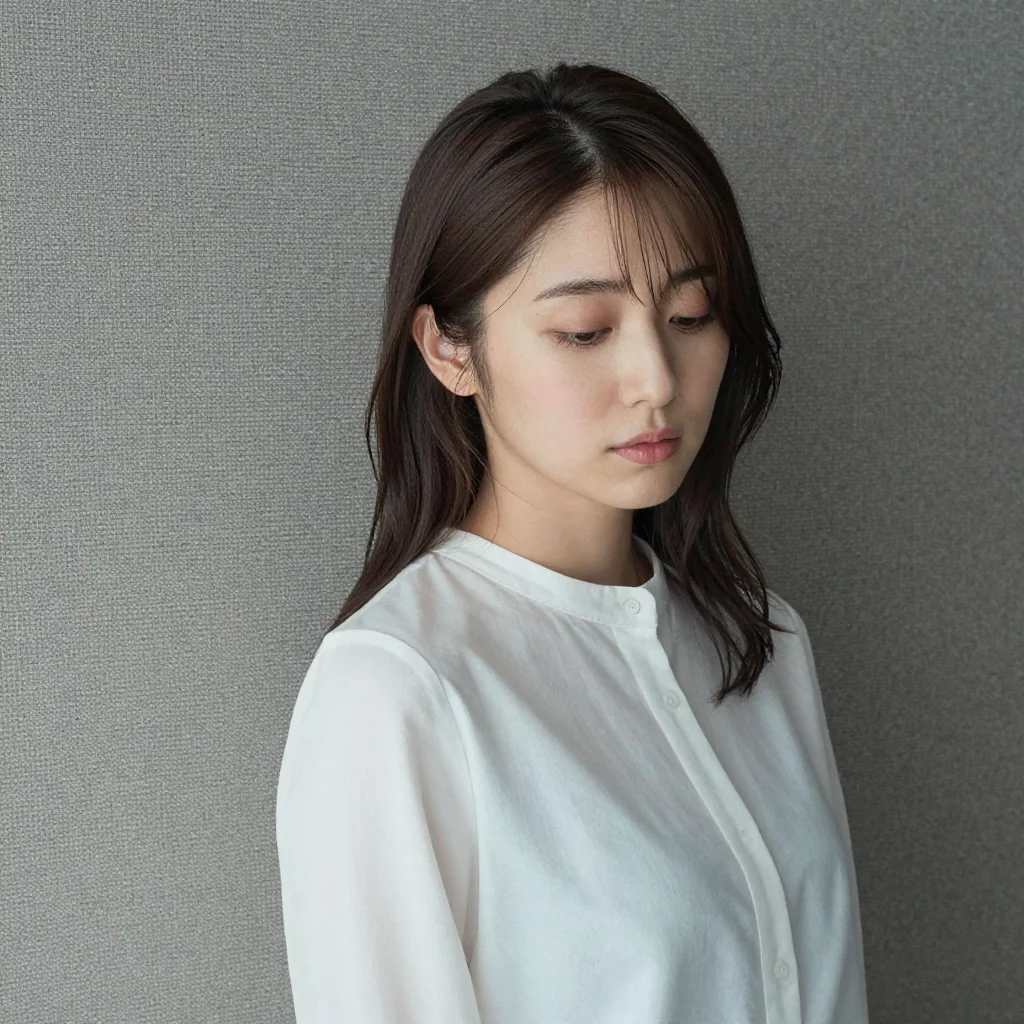 |
Observations: s1 differs in composition from control s1, slightly sideways with gaze sent to the side. No drooping outer corners confirmed. s2 is same side-facing composition as control s2 with nearly identical eye shape. Same for s3 in turning-back pose with no eye shape difference from control. “gentle gaze” affects gaze direction and expression atmosphere but doesn’t lead to outer corner shape changes. Unsuitable for droopy eye use.
A07: sleepy eyes
| seed 1 | seed 2 | seed 3 |
|---|---|---|
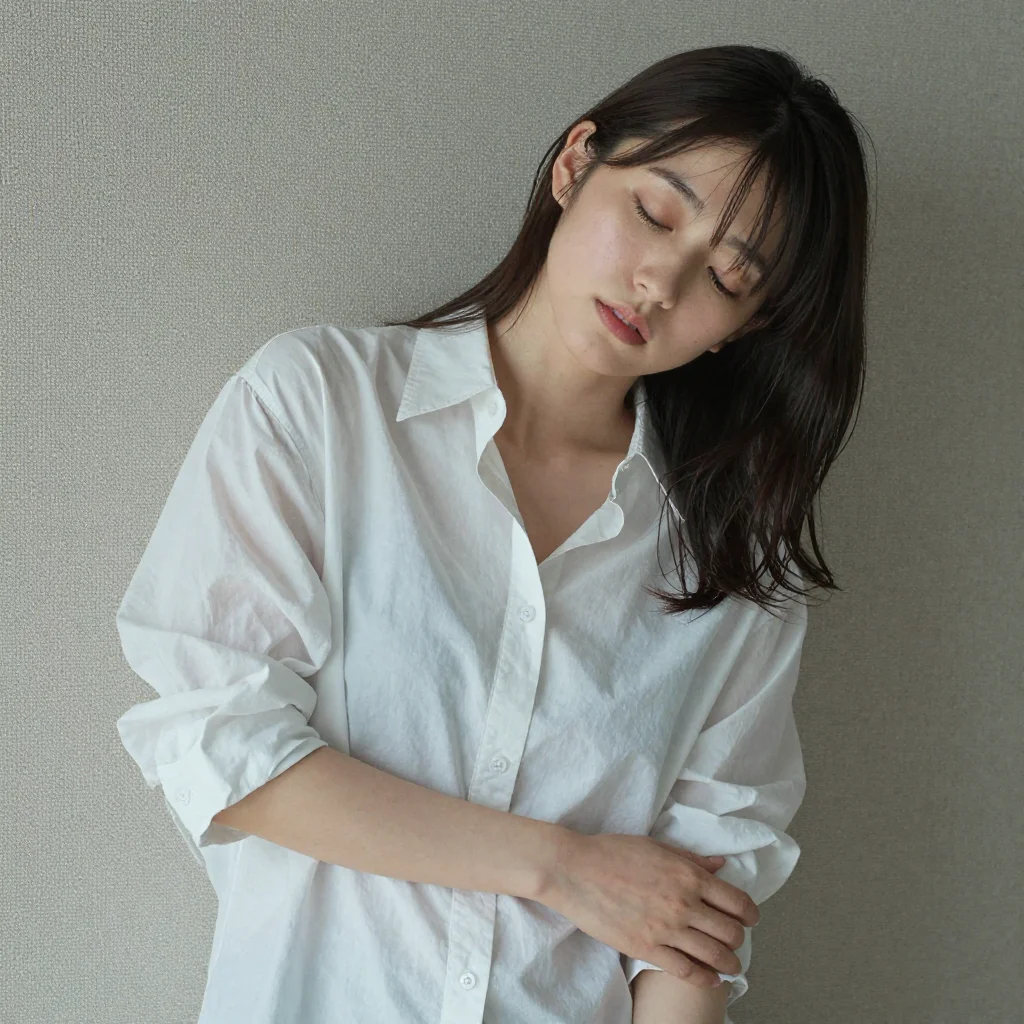 | 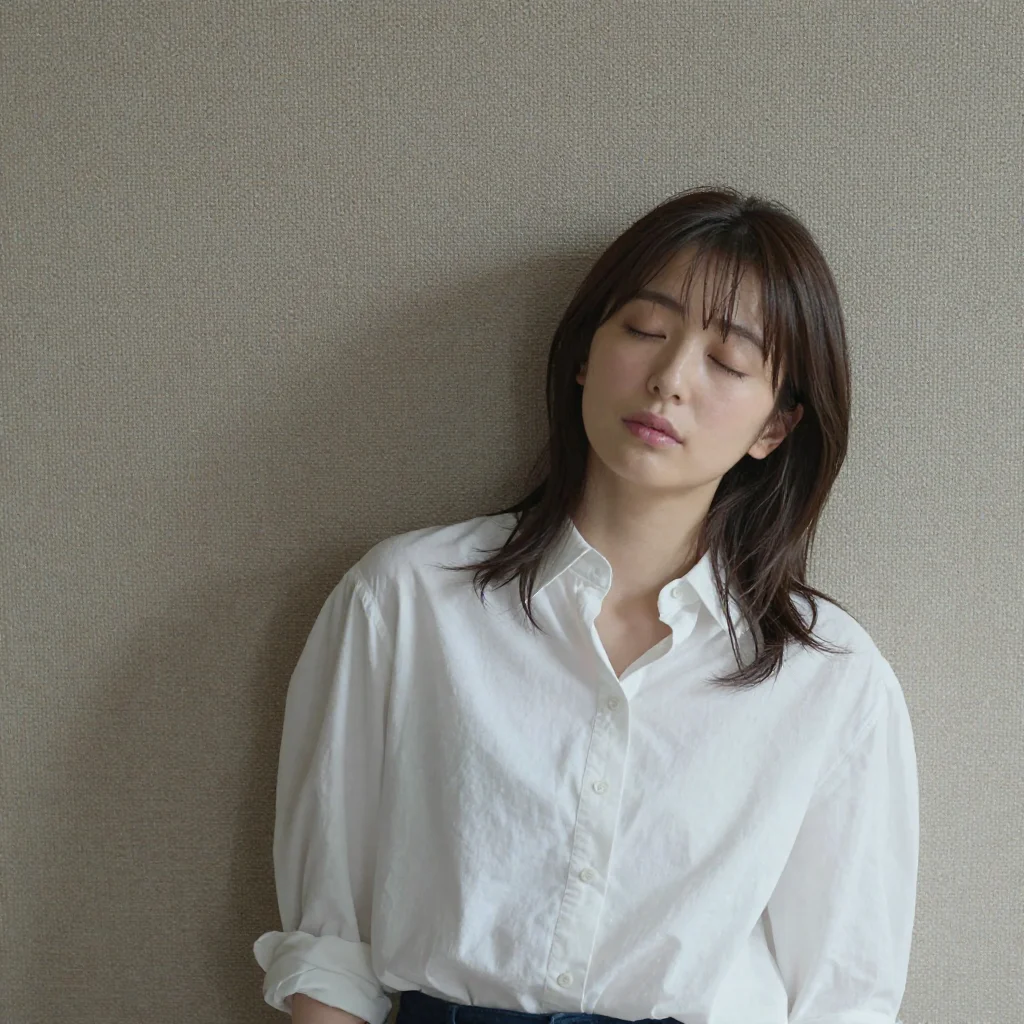 | 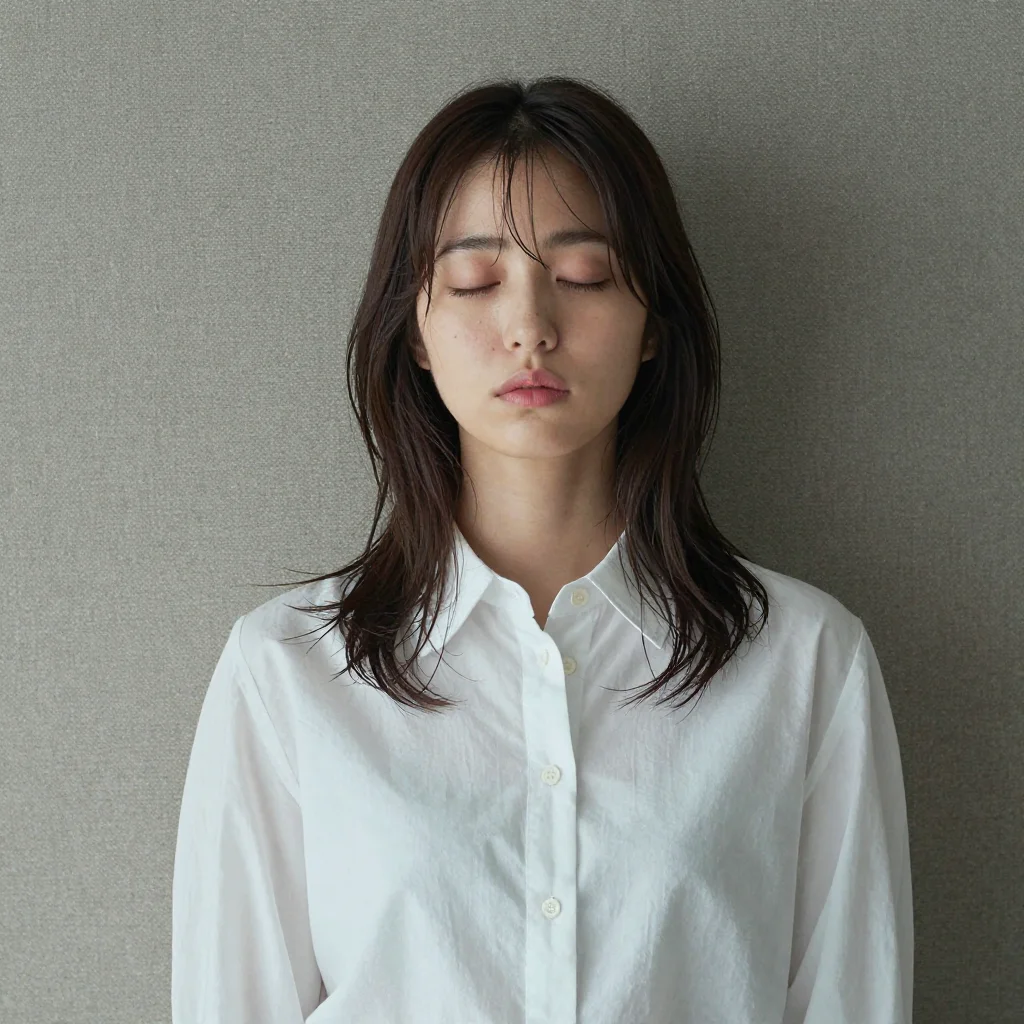 |
Observations: 2 out of 3 images (s2, s3) have fully closed eyes. s2 is leaning against a wall with eyes closed, s3 is facing front with both eyes closed. s1 has eyes half-closed in a drowsy state with head tilted. “sleepy eyes” outputs “sleepy eyes” literally = closed or half-closed eyes rather than drooping outer corners. Completely unsuitable for the intended droopy eye use. Poses are also affected, inducing lethargic poses and wall-leaning poses.
A08: drooping outer corners
| seed 1 | seed 2 | seed 3 |
|---|---|---|
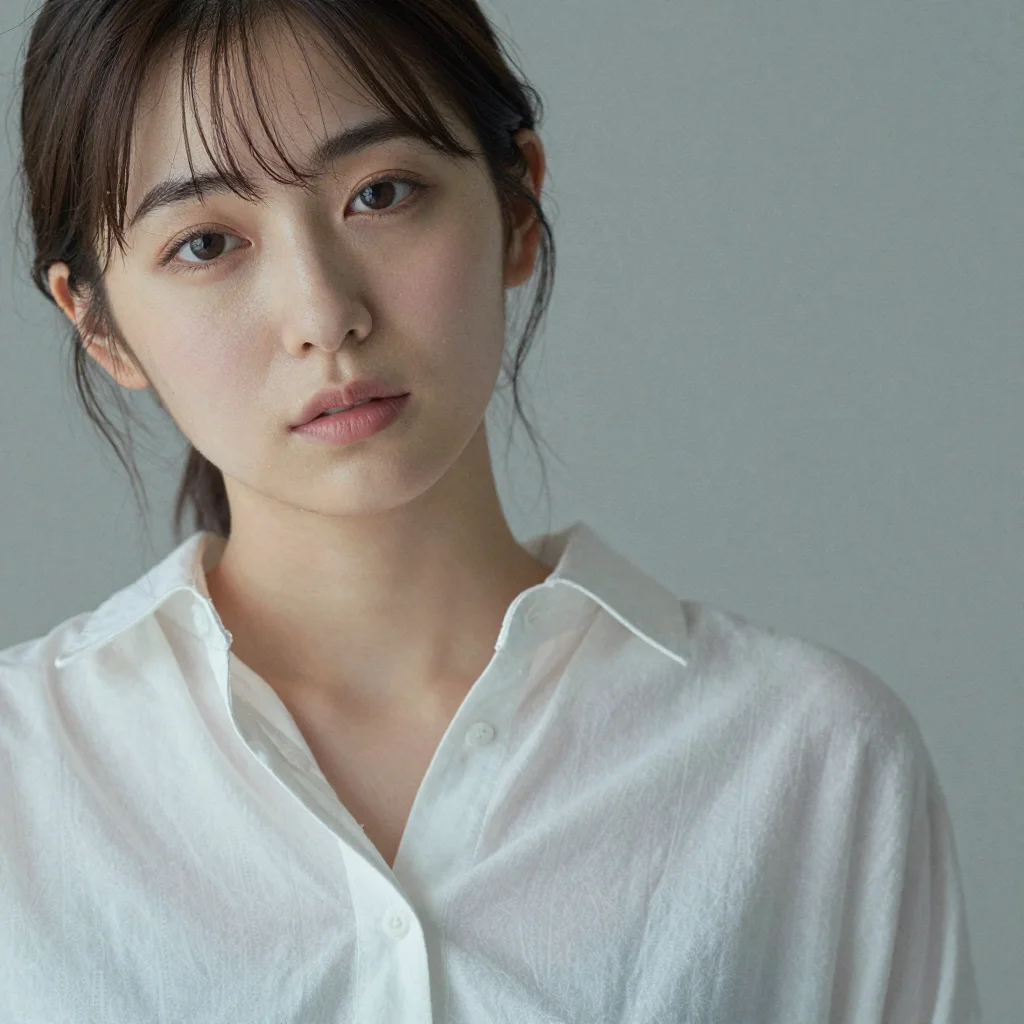 | 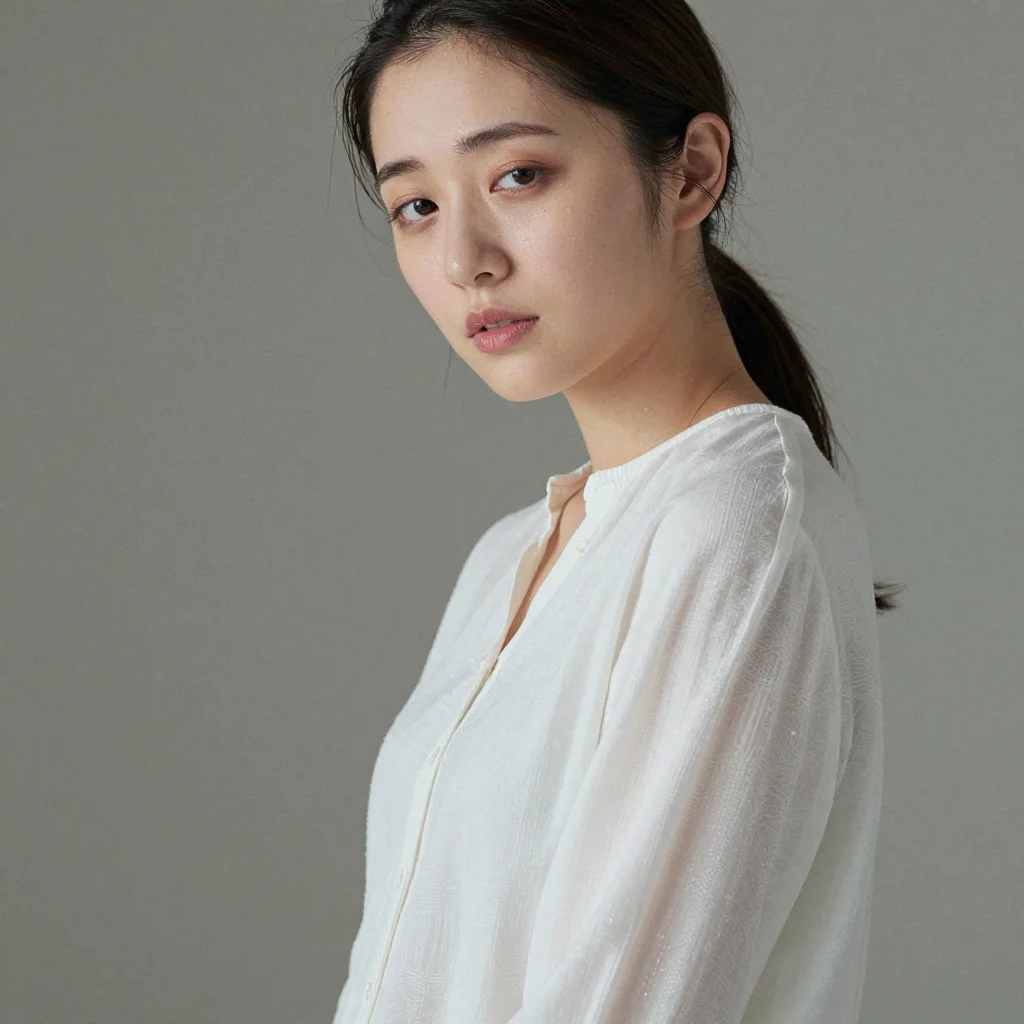 | 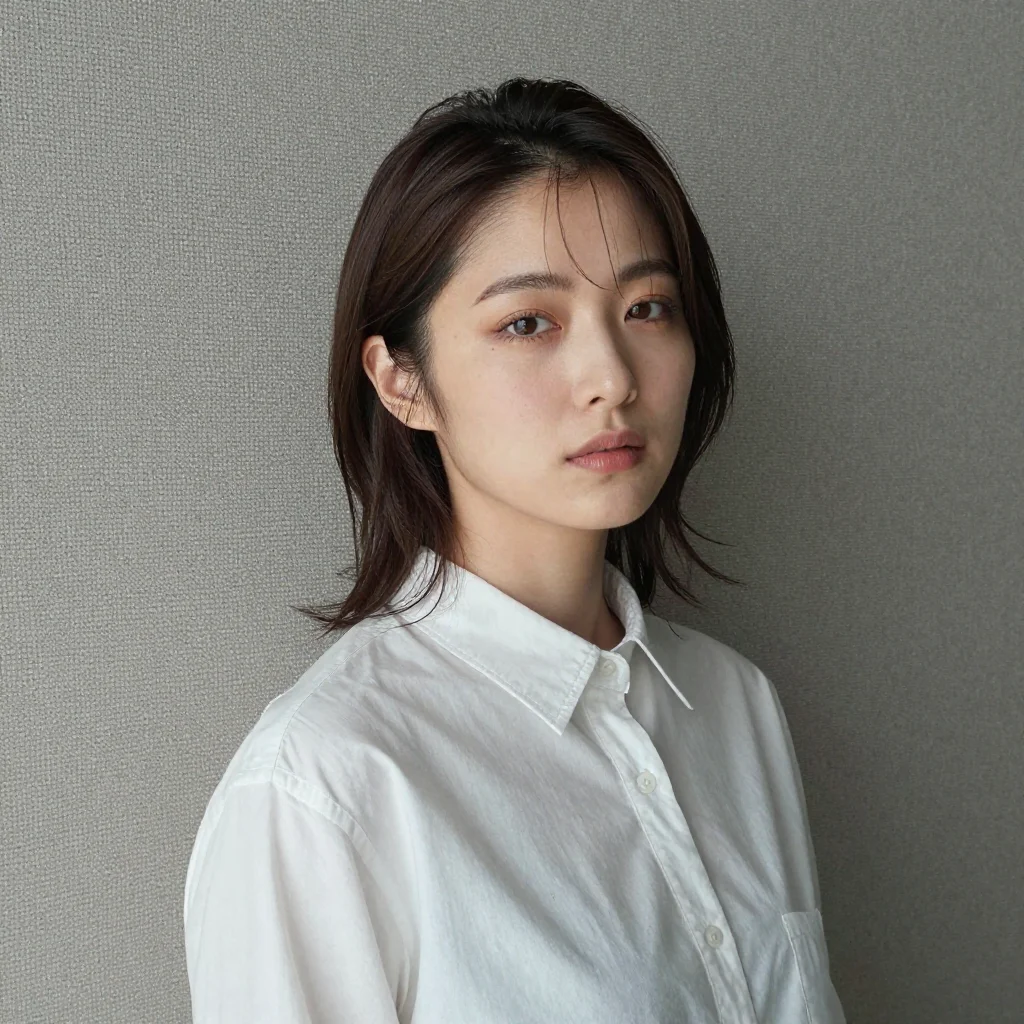 |
Observations: s1 is near-front composition with slight drooping at the outer corners, but difference from control is small. s2 is side-facing composition with slightly downcast gaze, with gaze drop more prominent than corner drooping. s3 is looking down with downcast eyes. “drooping outer corners” is 3 tokens long but has the same downcast side effect as downturned eyes. Outer corner drooping appears in s1, but stability is inferior to droopy eyes.
Summary
| Condition | Token count | Outer corner drooping | Side effects | Rating |
|---|---|---|---|---|
| droopy eyes | 2 | Confirmed in 3/3 | Small | Best |
| downturned eyes | 2 | Confirmed in 2/3 | Downcast gaze, head-bowed poses | Good |
| drooping outer corners | 3 | Confirmed in 1/3 | Downcast gaze occurs | Acceptable |
| tareme | 1 | 0/2 | None (no effect either) | No good |
| soft eyes | 2 | 0/3 | None (no effect either) | No good |
| puppy eyes | 2 | 0/2 | Eyes become larger | No good |
| gentle gaze | 2 | 0/3 | Affects gaze direction | No good |
| sleepy eyes | 2 | 0/3 | Eyes close (serious) | No good |
If you want droopy eyes, droopy eyes is most efficient. Outer corner drooping appears stably in 2 tokens, with minimal side effects like downcast gaze or pose changes.
downturned eyes is also 2 tokens and effective, but the “down” meaning is strong and tends to pull gaze and pose downward. An option when intentionally combining with downcast gaze.
sleepy eyes produces completely different results from droopy eyes — beware. Most cases close the eyes entirely, and it cannot be used for outer corner shape control.
Note: For droopy eyes,
droopy eyesis the most efficient choice — 2 tokens with minimal side effects.downturned eyesis a good option when a downcast look is also desired.
![[Tested] Can You Generate Kuchisake-onna? Mask On/Off Pairs and 3 Slit-Mouth Phrasings on the Same Seed](/tips/kuchisake-onna-mask-expression-test/c01_lacer_s1.webp)
![[Tested] How Far Can You Push the Horror? Escalating Fear with VHS Grain, a Crawling Pose, and Corpse-Pale Skin](/tips/jhorror-escalation-test/g05_maxhorror_s1.webp)