Conclusions First
Abstract adjectives are sufficient for basic colors. Concrete metaphors show their true value when targeting “color ranges that abstract adjectives can’t reach.”
From the areola color test, where chocolate areola far outperformed dark areola, we hypothesized that “concrete metaphors are always stronger than abstract adjectives.” Testing this on hair color, lips, and skin disproved this hypothesis.
| Pattern | Example | Reason |
|---|
| Works: Color ranges not in abstract adjectives | copper hair, coral lips, caramel skin | Occupies a unique position in CLIP’s vocabulary space |
| Works: Recognized as established color names | strawberry blonde, platinum hair | The compound word as a whole is one color concept |
| Equivalent: Paraphrase of basic colors | golden ≈ blonde, cherry ≈ red | Converges to the same color |
| Dangerous: Objects with clear shapes | berry lips → fruit appears | Interpreted as an object, not a color |
Experiment Design
| Item | Value |
|---|
| Model | z-image-turbo (6B, realism-focused distilled) |
| Steps | 8 |
| CFG | 1.0 |
| Size | 1024x1024 |
| Seed | 3 fixed (shared across all conditions) |
| Attributes | Hair color (13 conditions), lips (8 conditions), skin (10 conditions) |
| Total | 31 conditions × 3 seeds = 93 images |
Base Prompts
Optimized base for each attribute:
1girl, 32yo japanese actress, {VARIABLE}, portrait, upper body, simple white background, soft studio lighting
1girl, 32yo japanese actress, {VARIABLE}, portrait, face close-up, simple white background, soft studio lighting
1girl, 32yo japanese actress, {VARIABLE}, white tank top, upper body, simple white background, soft studio lighting
Control (no hair color specified)
Dark brown to black-brown hair. Default for japanese actress.
Blonde: blonde hair vs golden hair
| seed 1 | seed 2 | seed 3 |
|---|
| blonde |  |  |  |
| golden |  |  |  |
Difference is minimal. golden is slightly warmer (golden color), blonde leans toward beige. Practical difference is small.
Red: red hair vs cherry red hair
| seed 1 | seed 2 | seed 3 |
|---|
| red |  |  |  |
| cherry |  |  |  |
No difference. Both produce wine red to bordeaux. Cherry’s unique pinkish tint does not appear.
Silver: silver hair vs platinum hair
| seed 1 | seed 2 | seed 3 |
|---|
| silver |  |  |  |
| platinum |  |  |  |
Different directions. silver is gray to bluish gray, platinum is white gold to light gold. Useful differentiation depending on the goal.
Black: black hair vs raven hair
| seed 1 | seed 2 | seed 3 |
|---|
| black |  |  | 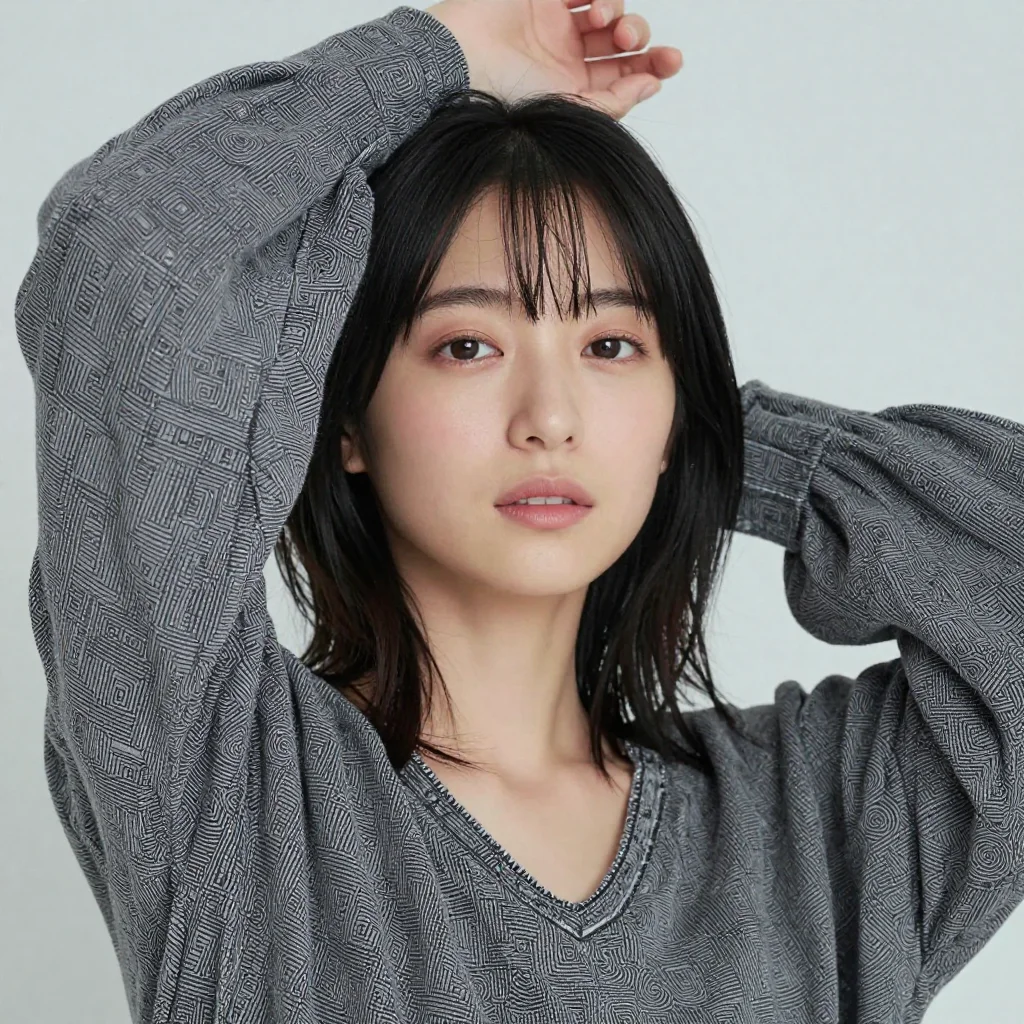 |
| raven |  | 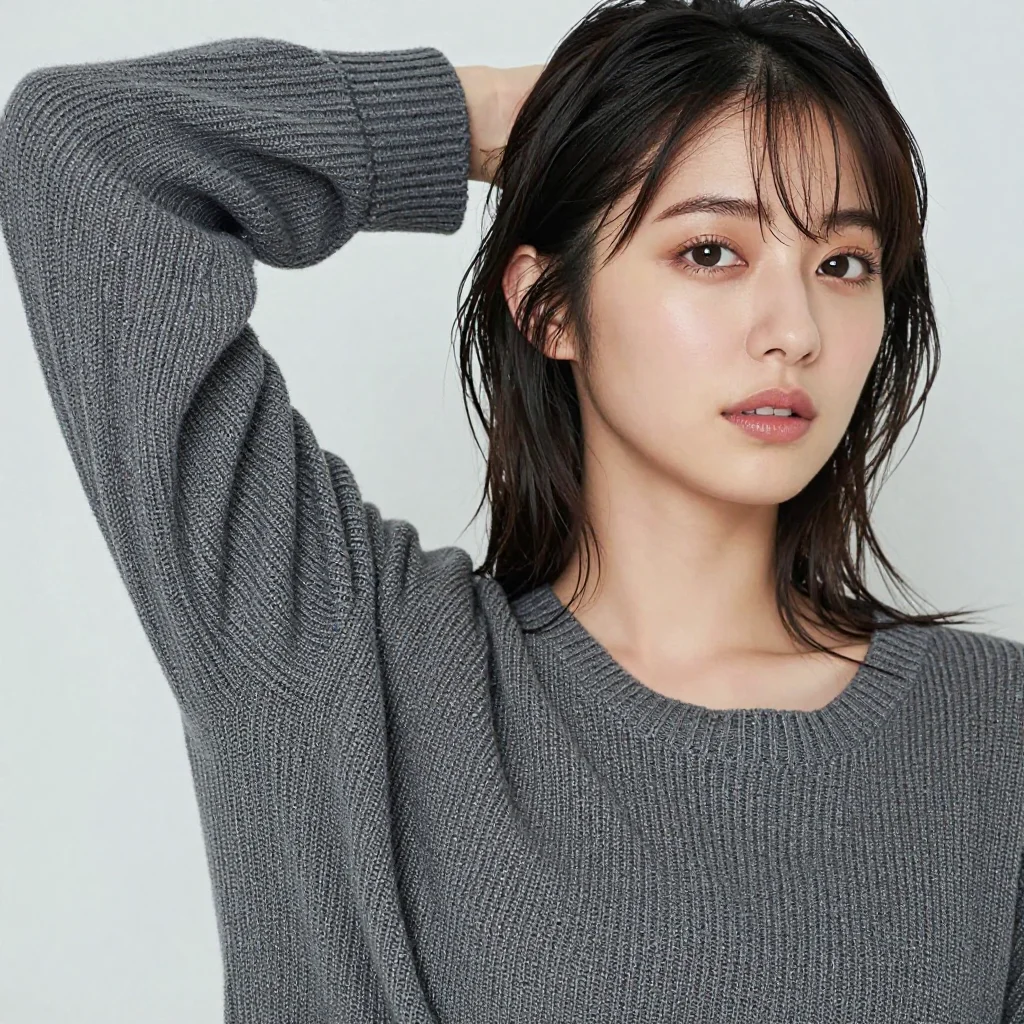 |  |
No difference. raven’s characteristic “lustrous black” or “blue tint” was not confirmed.
Brown: brown hair vs honey brown hair
| seed 1 | seed 2 | seed 3 |
|---|
| brown |  |  |  |
| honey |  |  |  |
Brown is nearly identical to control. honey is slightly warmer/more yellow, but difference is small.
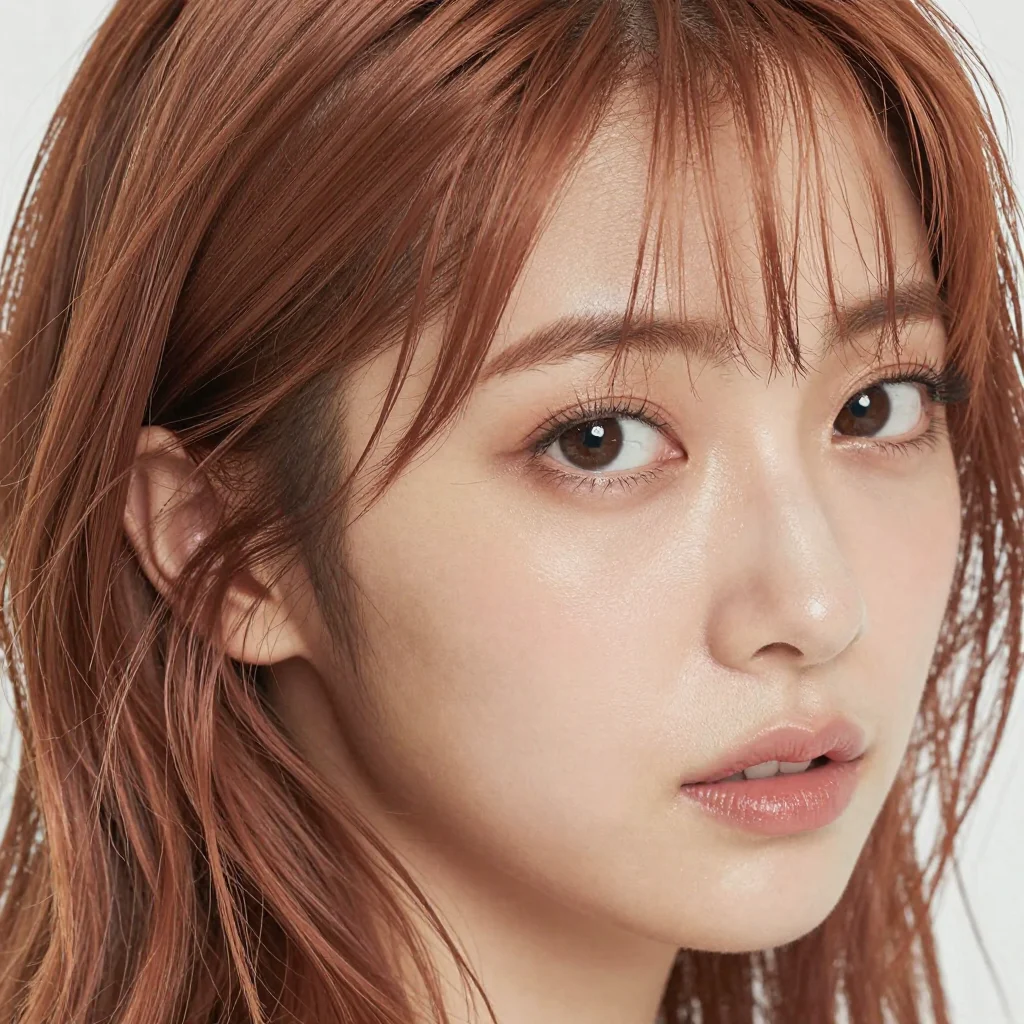
copper hair
An orange-copper color distinct from both red and blonde. The only red-family metaphor that successfully differentiated into a different color range.
Note: copper hair produces a color range that’s neither red nor blonde, and is not easily reached with abstract adjectives alone.
strawberry blonde hair
Bright gold with a pinkish tint (rosé gold). Stably generates a unique color range distinct from both blonde and red. Recognized by the model as an established compound color name.
Hair Color Summary
| Comparison pair | Difference | Verdict |
|---|
| blonde vs golden | Minor (warmth difference) | Either works |
| red vs cherry | None | red is sufficient |
| silver vs platinum | Different directions | Useful differentiation |
| black vs raven | None | black is sufficient |
| brown vs honey | Minor | brown is sufficient |
| copper (unique) | — | Effective for orange direction in red range |
| strawberry blonde (unique) | — | Effective for pinkish gold |
Control (no lip specification)
Light pink beige, low saturation. Essentially bare lips.
Abstract Adjectives
| Condition | seed 1 | seed 2 | seed 3 | Effect |
|---|
| red lips |  |  | 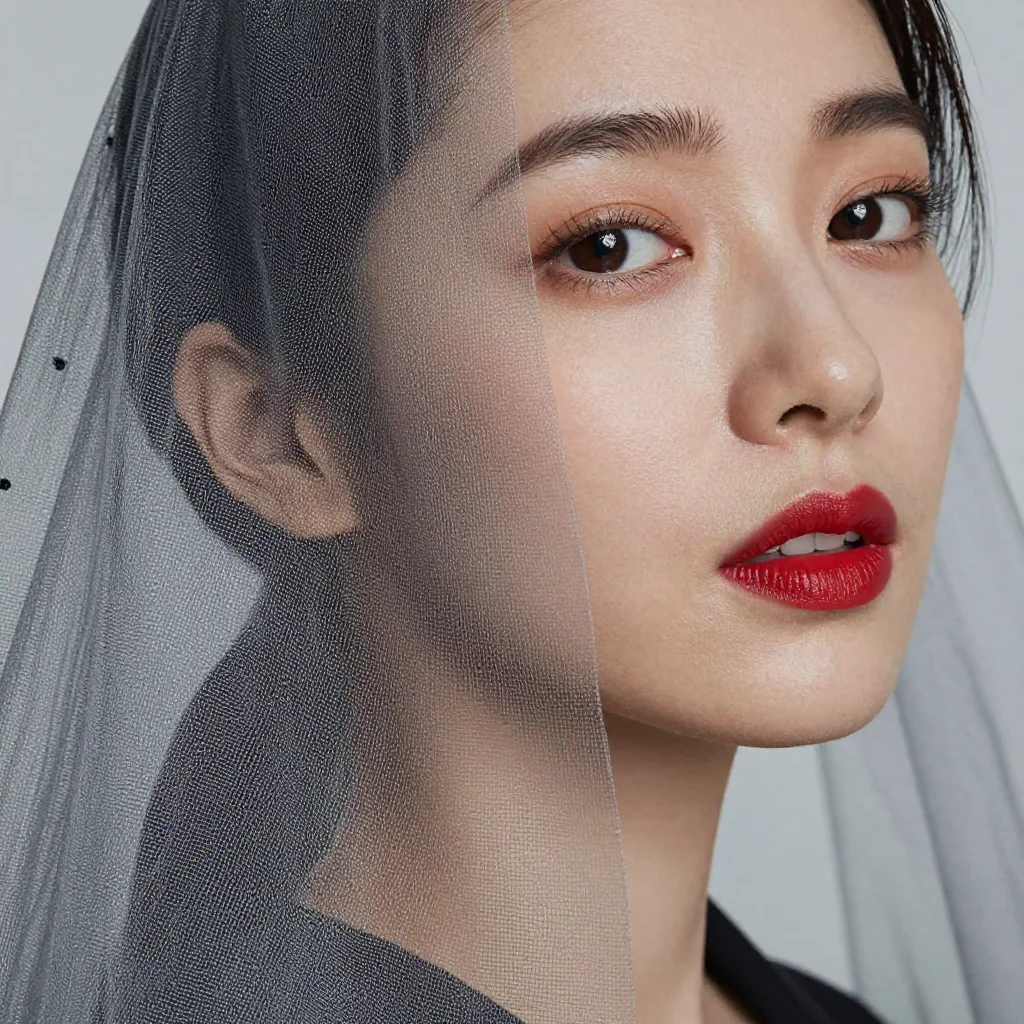 | ★★★ Vivid red. Strongest |
| pink lips |  |  |  | ★★☆ Bright pink |
| nude lips |  | 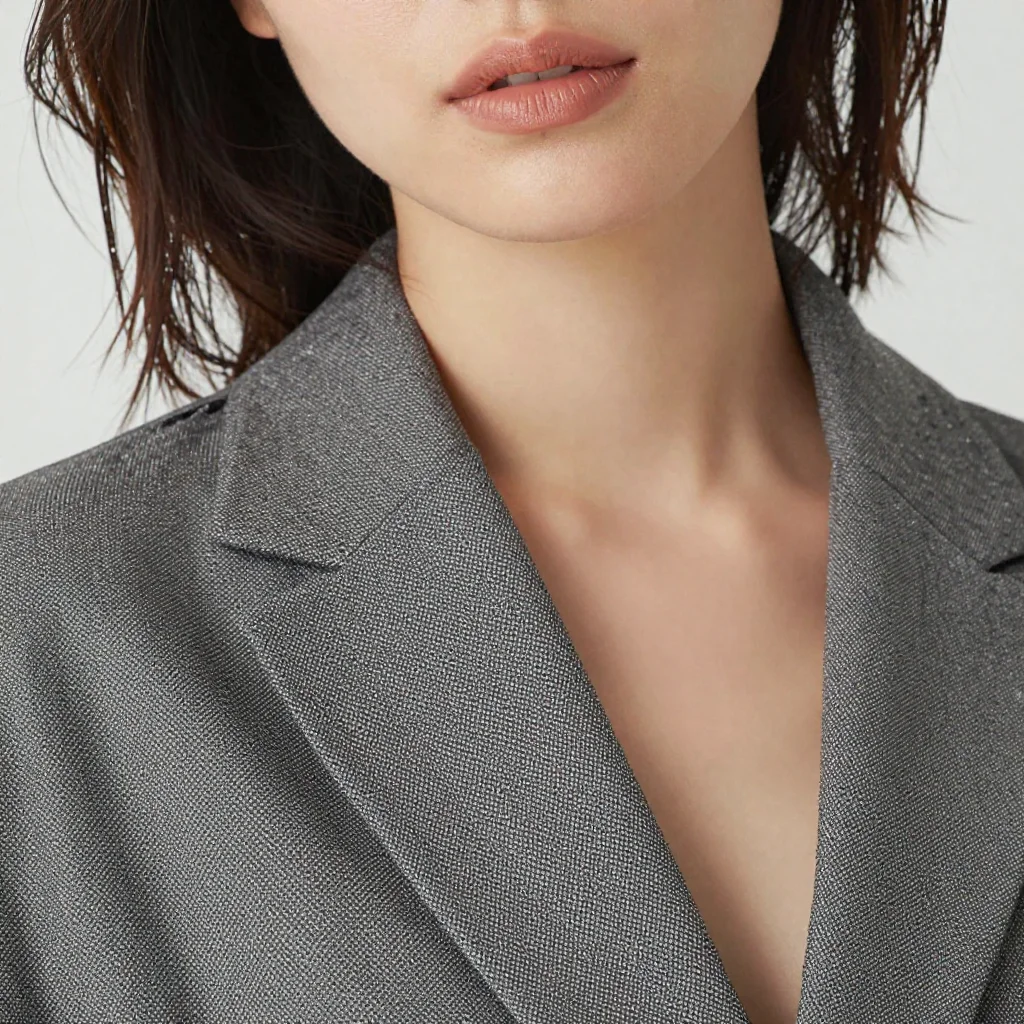 |  | ★☆☆ Suppressed toward beige |
| Condition | seed 1 | seed 2 | seed 3 | Effect |
|---|
| cherry lips |  |  |  | ★★☆ Cherry red |
| coral lips |  |  |  | ★★☆ Coral orange (unique color range) |
| berry lips | 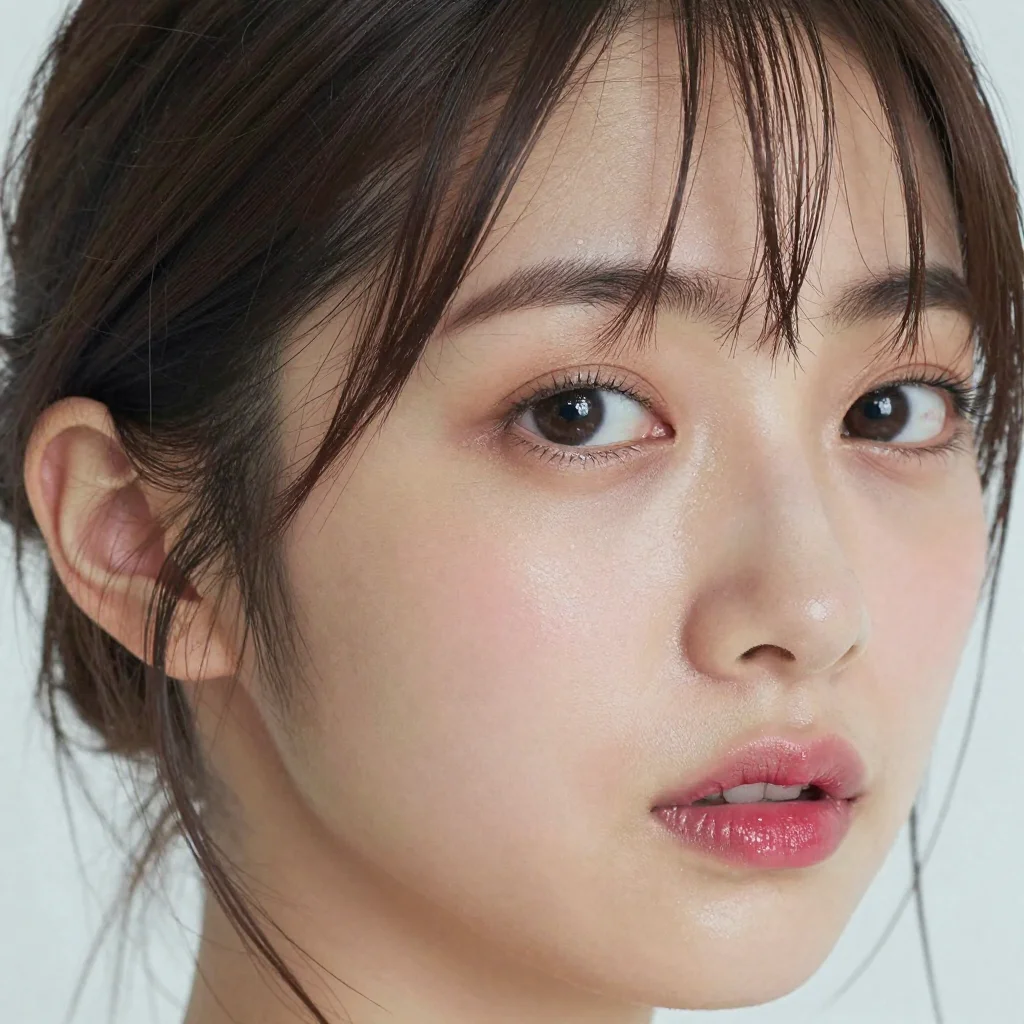 |  |  | ★★☆ Berry color but fruit appears in 1/3 |
| rose lips | 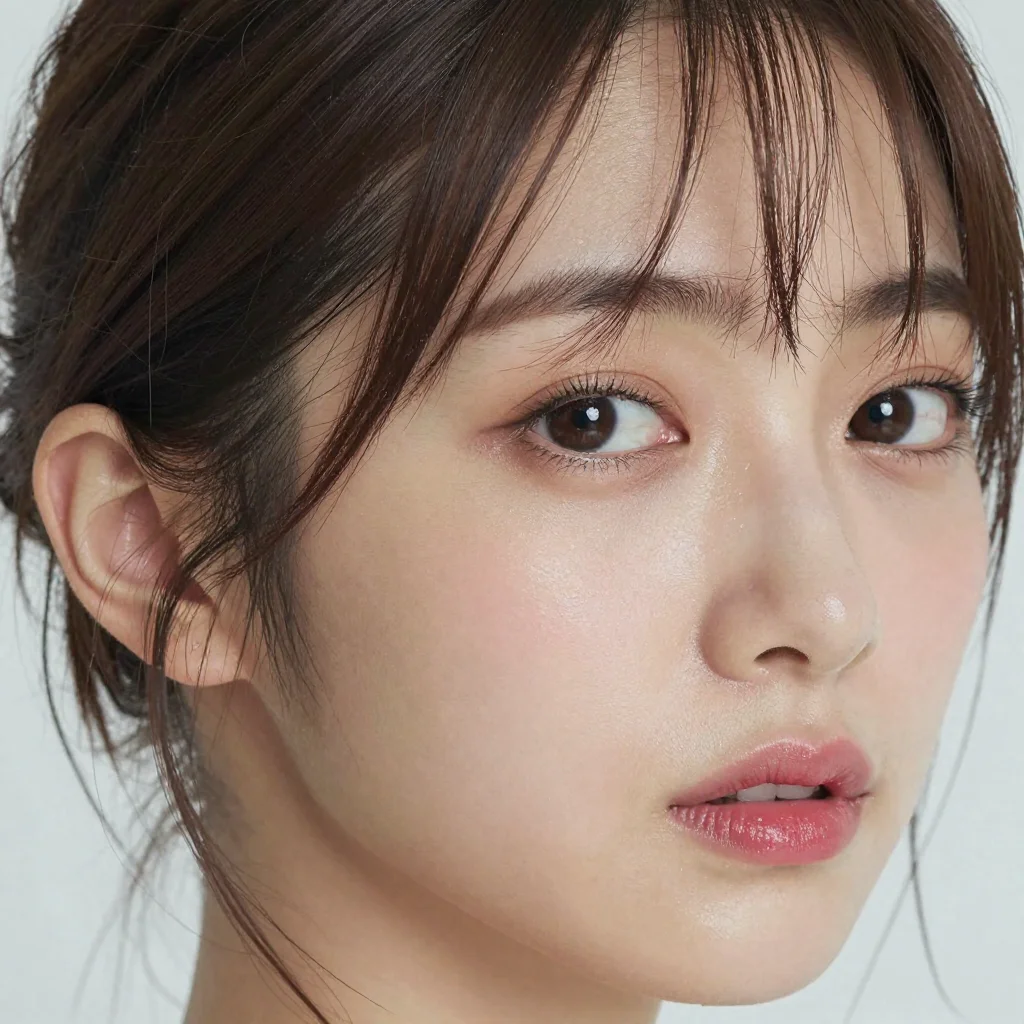 |  |  | ★★☆ Rose pink |
Lip Color Summary
red lips is strongest and safest. All 3 images show vivid red with no side effectscoral lips has a unique color range (orange direction) that is the only concrete metaphor. A color not achievable with abstract adjectivesberry lips is dangerous. A 1/3 probability of a raspberry fruit physically appearing at the mouth. Same “concrete object materialization” risk as strawberry in the areola test- cherry ≈ red, rose ≈ pink — effectively equivalent
Control (no skin specification)
Bright ivory to light beige. Standard fair skin for a Japanese woman.
Lighter Direction
| Condition | seed 1 | seed 2 | seed 3 | Effect |
|---|
| pale skin |  |  |  | ★☆☆ Slightly toward white |
| porcelain |  |  |  | ★☆☆ Same as pale |
| ivory |  |  |  | ☆☆☆ No change |
| milk white |  |  |  | ★☆☆ Minimal. Wetness added |
Since the default is already fair, options for lightening direction are nearly all ineffective.
Darker Direction
| Condition | seed 1 | seed 2 | seed 3 | Effect |
|---|
| tan skin |  |  |  | ★★★ Tanned. Stable |
| dark skin |  |  |  | ★★★ Brown. Ethnicity change risk |
| olive skin | 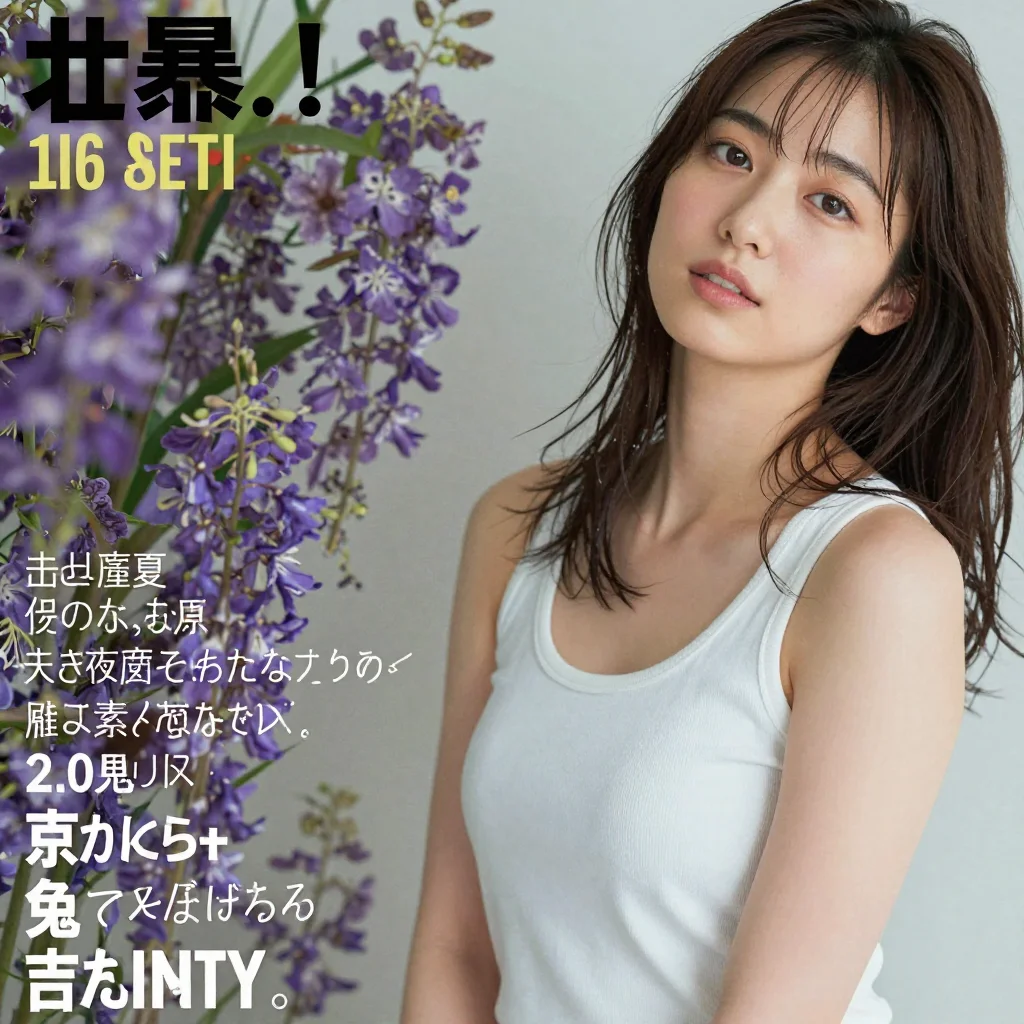 |  |  | ★★☆ Yellowish tan. Unique color range |
| caramel |  |  |  | ★★★ Warm brown. Unique color range |
| bronze |  |  |  | ★★☆ Unstable. Wetness added |
Skin Color Summary
tan skin is most stable and safe. No ethnicity change, consistent tanned color across all 3 imagescaramel skin has a unique warm brown color range. Similar darkness to dark skin but different hueolive skin has a unique yellow-green tinted color range. Mediterranean to Middle Eastern tonesdark skin has a strong effect but highest ethnicity change riskbronze skin is unstable, with a “bronze statue” metallic luster/wetness side effectmilk white skin also produces water droplet-like wetness on the skin (“liquid” literal interpretation)
Note: The hypothesis that “concrete metaphors are always stronger” was not supported. Abstract adjectives are sufficient for basic colors, and concrete metaphors are only useful when targeting a color range that abstract adjectives can’t reach, such as copper, coral, or caramel. Using a concrete metaphor like berry also carries the risk of the actual fruit appearing physically in the image.
Overall Rules
| Attribute | Abstract sufficient | Concrete metaphor effective |
|---|
| Hair color | blonde, red, silver, black | copper (copper tone), strawberry blonde (pinkish gold), platinum (white gold) |
| Lip color | red, pink, nude | coral (orange direction) |
| Skin color | tan, dark | caramel (warm brown), olive (yellowish tan) |
| Areola color | — | chocolate (dark), peach (light) |
- Shape should be ambiguous — chocolate, peach, coral, copper don’t have a fixed shape, so color information is conveyed
- Should be established as a color name — copper, olive, coral are in color dictionaries
- Avoid objects with clear shapes — strawberry, cherry blossom, berry risk materializing as the actual fruit/flower
“Add > Reduce” Asymmetry (Common Across All Attributes)
| Attribute | Adding direction | Reducing direction |
|---|
| Areola color | chocolate → ★★★ | peach → ★☆☆ |
| Areola size | extremely wide → ★★★ | tiny → ★☆☆ |
| Hair color (change amount) | blonde → complete change | black → minimal |
| Skin color | tan/dark → complete change | pale/porcelain → minimal |
The model is good at “adding” from defaults but poor at “suppressing” defaults.
Related Articles






![[Verified] Image Generation Prompt Best Practices](/tips/prompt-best-practices/cover_0_0000_4517457392071889496.webp)
![[Experiment] Prompts for 'Dark Areola on Fair Skin' | Thorough Verification with 54 Images](/tips/areola-color-control-test/d04_fair_black_s1_0_0000_2053695854357871006.webp)