Conclusions First
blushandheavy blushclearly add pink color to the cheeks. Compared to the control, redness on the cheeks increased significantly — the largest visual changecontour,highlight, andcontour highlightshow almost no difference from the control. No noticeable change in facial shadow or three-dimensionalitybronzershifts the overall skin tone slightly warmer, but the change is minimaldrapingadds pink color to the cheeks similar toblush. Makeup brushes or cloth (drape) may appear as side effectsnatural flushadds pink color to the cheeks but is somewhat more subtle thanblush
For cheek expression, blush is the simplest and most effective. Use heavy blush for stronger redness. Contouring and highlight showed no visual effect in this model.
[Experiment 2 Addendum] “Subtle blush” cannot be achieved in z-image-turbo. The weighted syntax (blush:0.4) / (blush:0.2), and adjective approaches like slight blush / faint pink cheeks / subtle rosy cheeks all produced the same strong pink as regular blush. In a CFG=1.0 environment, blush expression has only two states: on or off.
Experiment Design
| Parameter | Value |
|---|---|
| Model | z-image-turbo (6B, photorealistic distillation) |
| Steps | 8 |
| Sampler | euler |
| Scheduler | ddim_uniform |
| CFG | 1.0 |
| Size | 1024x1024 |
| Seeds | 3 fixed (shared across all conditions) |
| Per condition | 3 images (3 seeds) |
| Total | 9 conditions = 27 images |
Base Prompt
Using close-up face portrait to observe overall facial makeup changes.
A00: control
| seed 1 | seed 2 | seed 3 |
|---|---|---|
 |  |  |
Observation: All 3 are natural studio portraits. No noticeable redness on cheeks; skin tone is even. Nose highlight is only natural gloss from lighting. Cheekbone shadows are natural from lighting. Makeup is natural with no prominent blush, contouring, or highlight.
A01: blush
| seed 1 | seed 2 | seed 3 |
|---|---|---|
 |  |  |
Observation: Compared to the control, all 3 have clear pink redness added to the cheeks. s2 shows dense pink blush over a wide area of both cheeks. Slight redness also extends near the nose bridge. As a side effect, some images show a composition split (two faces stacked vertically). No significant change to facial structure or shadow beyond the blush.
A02: heavy blush
| seed 1 | seed 2 | seed 3 |
|---|---|---|
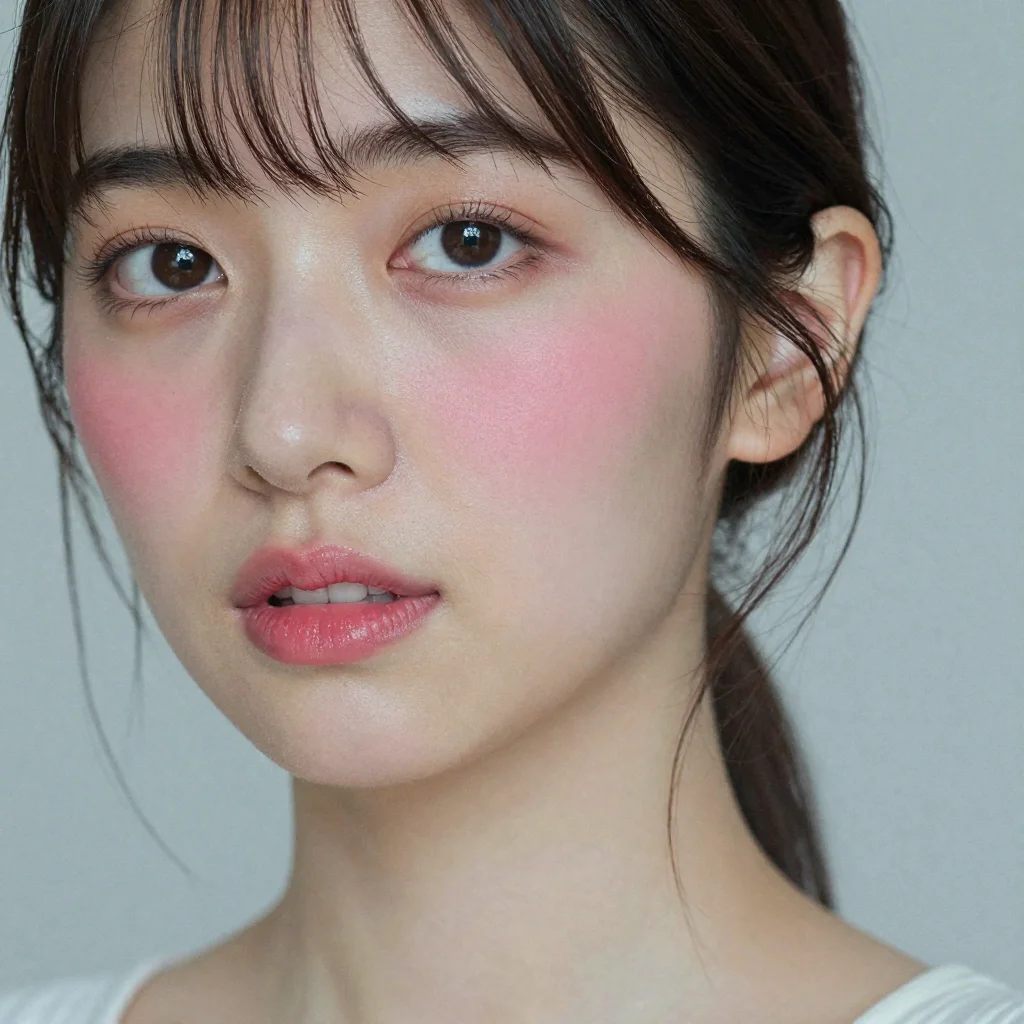 | 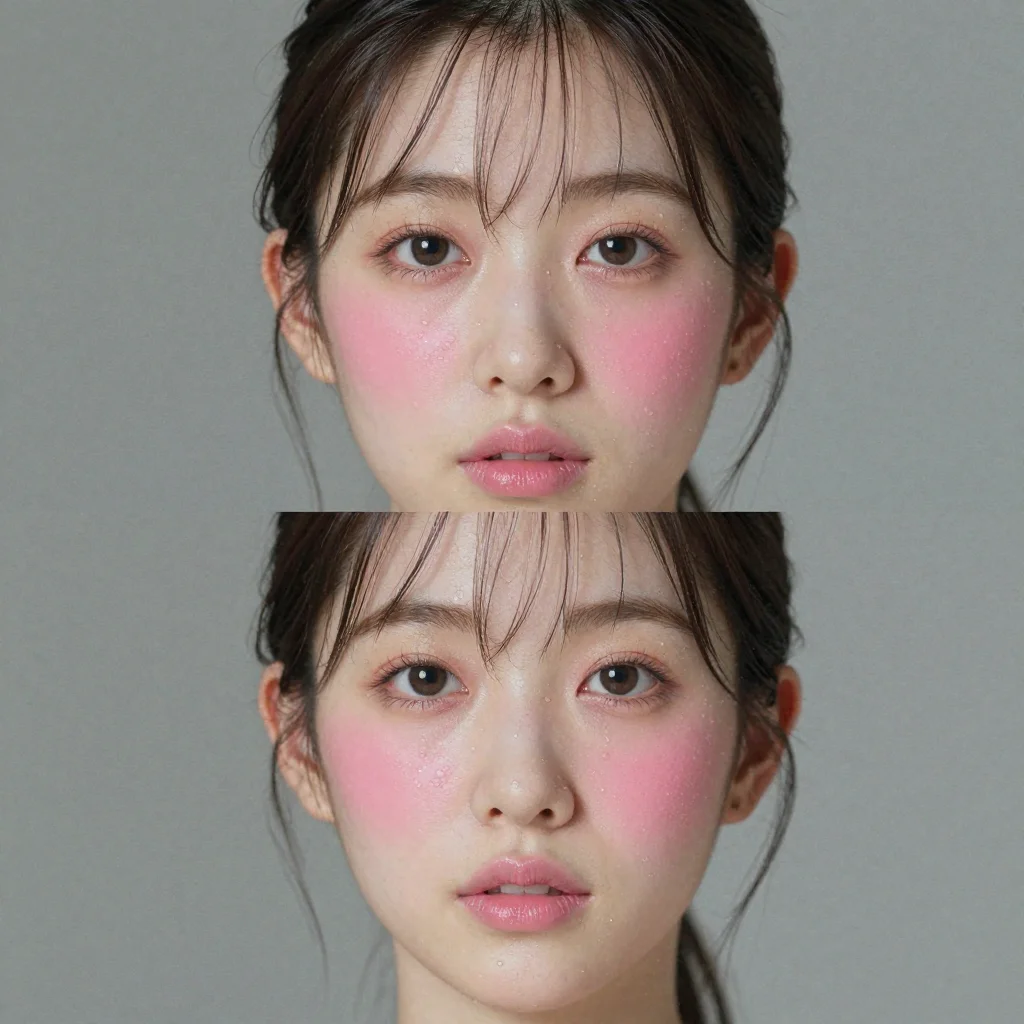 |  |
Observation: Similar to blush — clear pink added to cheeks. s2 shows pink coverage area nearly identical to blush, spreading from under the eyes to the cheekbones. The difference from blush is minimal — “heavy” shows limited intensity increase. Dual-face composition also appears here.
A03: contour
| seed 1 | seed 2 | seed 3 |
|---|---|---|
 |  |  |
Observation: No noticeable change in cheekbone shadow or facial line structure compared to control. s2 skin tone looks slightly more even, but contouring makeup’s characteristic shading (shadow under cheekbones, narrow nose shadow) is not confirmed. No blush-type redness added. Overall visual difference from control is extremely small.
A04: highlight
| seed 1 | seed 2 | seed 3 |
|---|---|---|
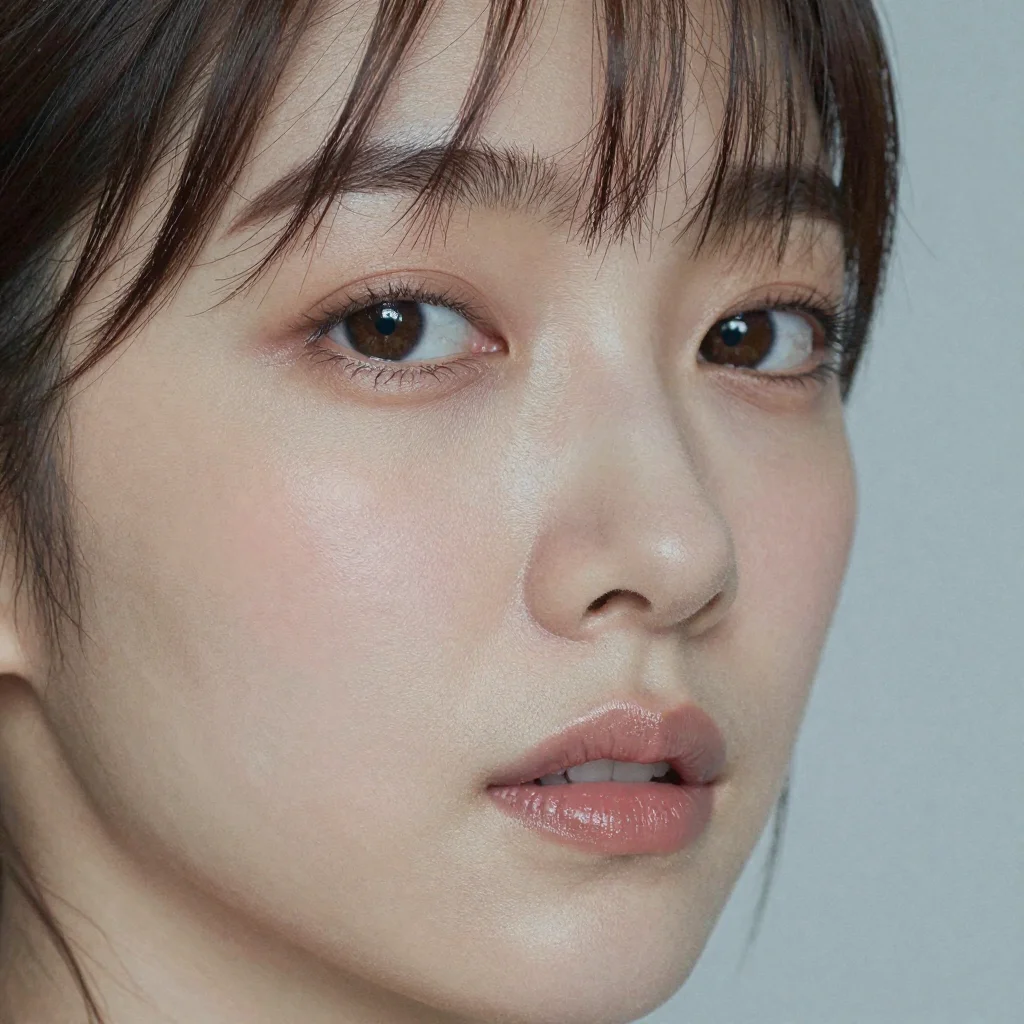 |  |  |
Observation: No clear difference in nose bridge or upper cheekbone highlight (sheen) compared to control. s2 skin sheen seems very slightly increased, but it stays within the range of lighting condition differences. No clearly added makeup highlighter-level sparkle.
A05: bronzer
| seed 1 | seed 2 | seed 3 |
|---|---|---|
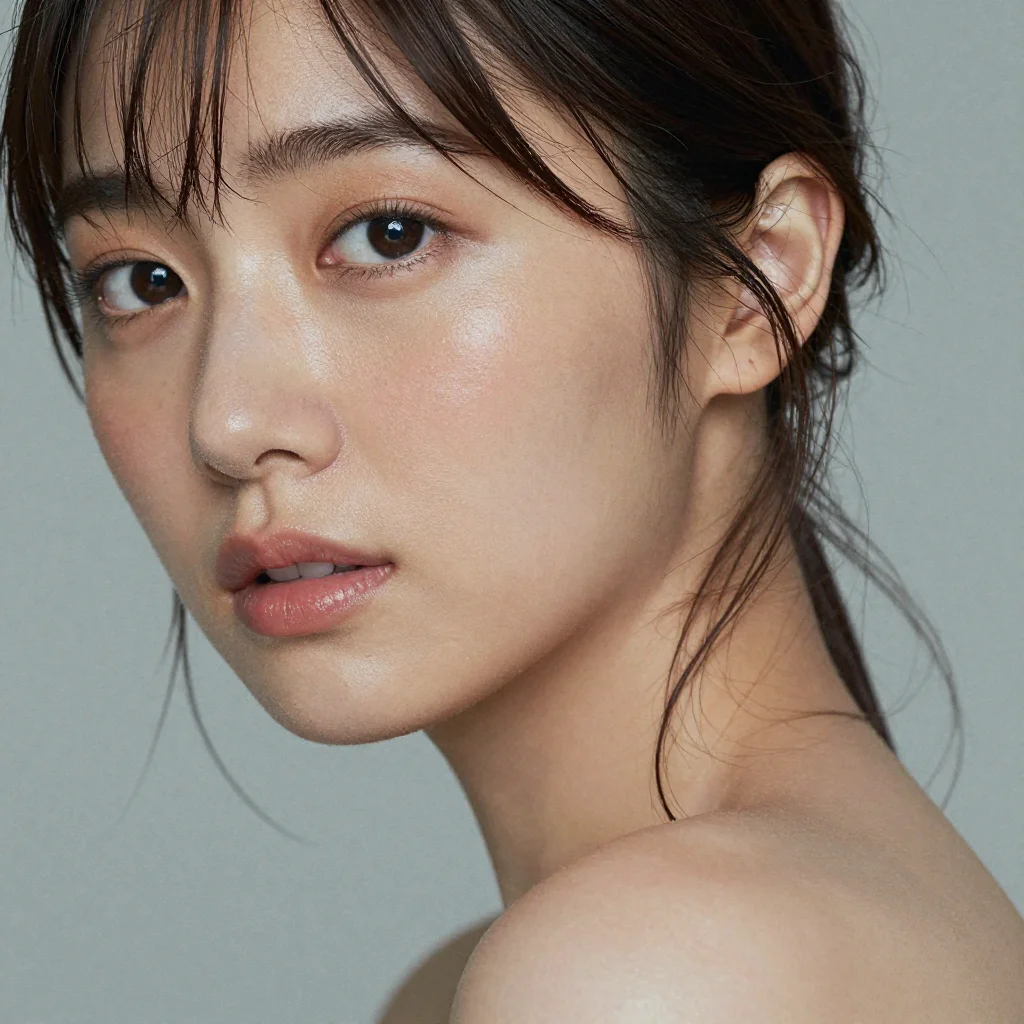 |  |  |
Observation: s1 shows overall skin tone shifted slightly warmer (gold to bronze) compared to control, with slightly more skin sheen. s2 shows slightly warmer background colors. However, bronzer makeup’s characteristic coloring on cheekbones and temples is hard to confirm — it’s closer to an overall color temperature change. s1 has a side effect where clothing disappears and shoulders are exposed.
A06: draping
| seed 1 | seed 2 | seed 3 |
|---|---|---|
 |  | 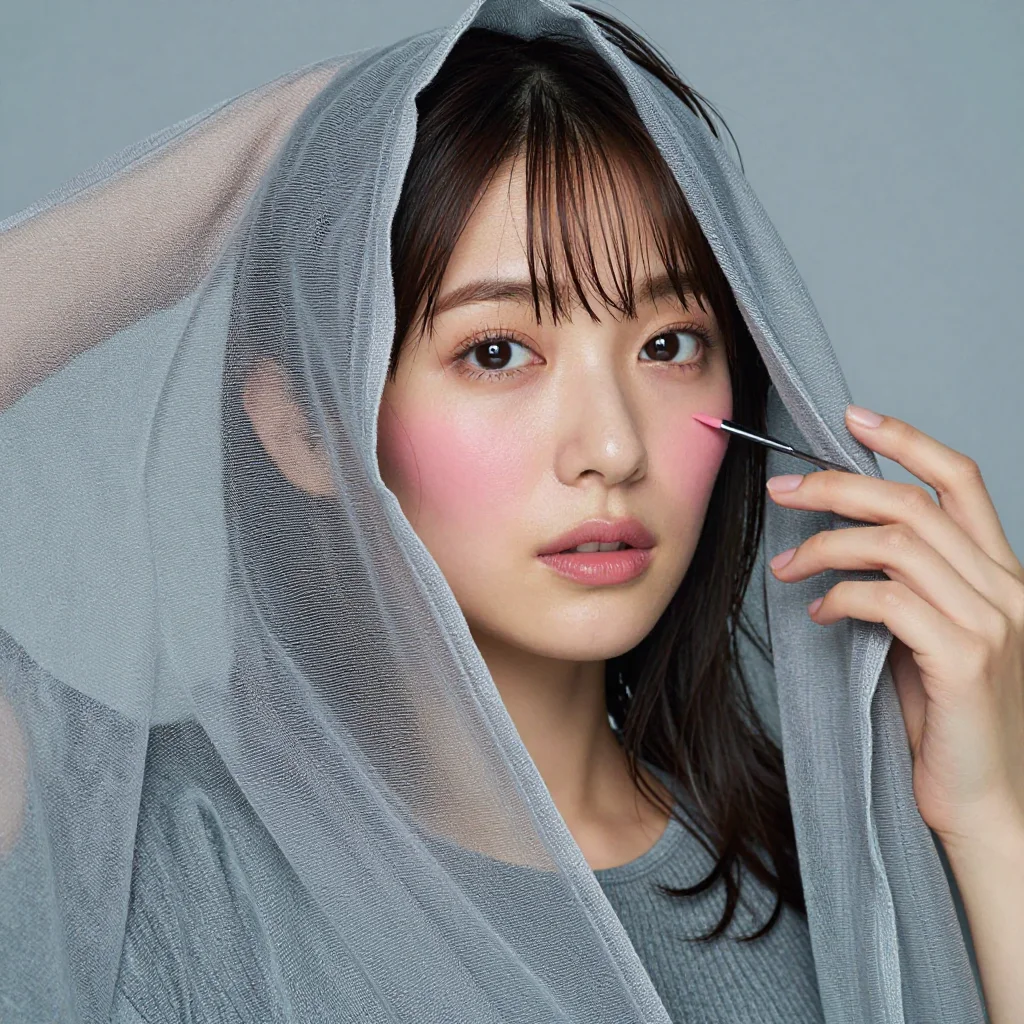 |
Observation: All 3 images show pink blush on the cheeks. s1 and s3 have vivid pink on cheeks equal to or more intense than blush. However, the literal meaning of “draping” (hanging cloth) is also reflected: s2 shows a composition of a makeup brush being applied to the cheek, and s3 shows the subject wearing a veil-like drape over the head. Both makeup draping (applying blush broadly) and cloth draping coexist.
Note:
drapingcan produce a makeup brush in the output. This may be caused by the word splitting between “hang cloth” and “apply blush broadly.”
A07: contour highlight
| seed 1 | seed 2 | seed 3 |
|---|---|---|
 |  |  |
Observation: Similar to contour alone and highlight alone — almost no visual difference from control. s2 nose bridge sheen is very slightly more prominent, but within the range of control lighting differences. No cheekbone shading or facial structure enhancement. Combining 2 words also shows limited effect.
A08: natural flush
| seed 1 | seed 2 | seed 3 |
|---|---|---|
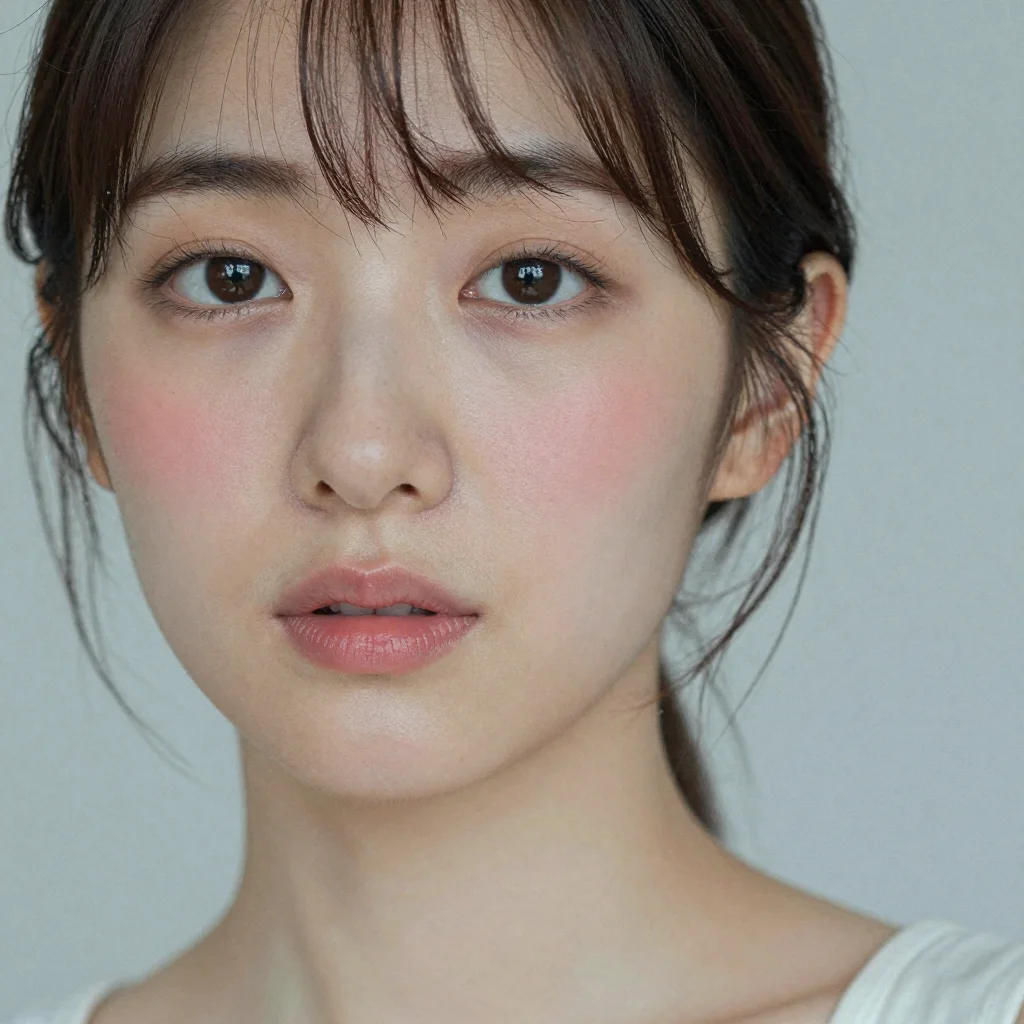 |  | 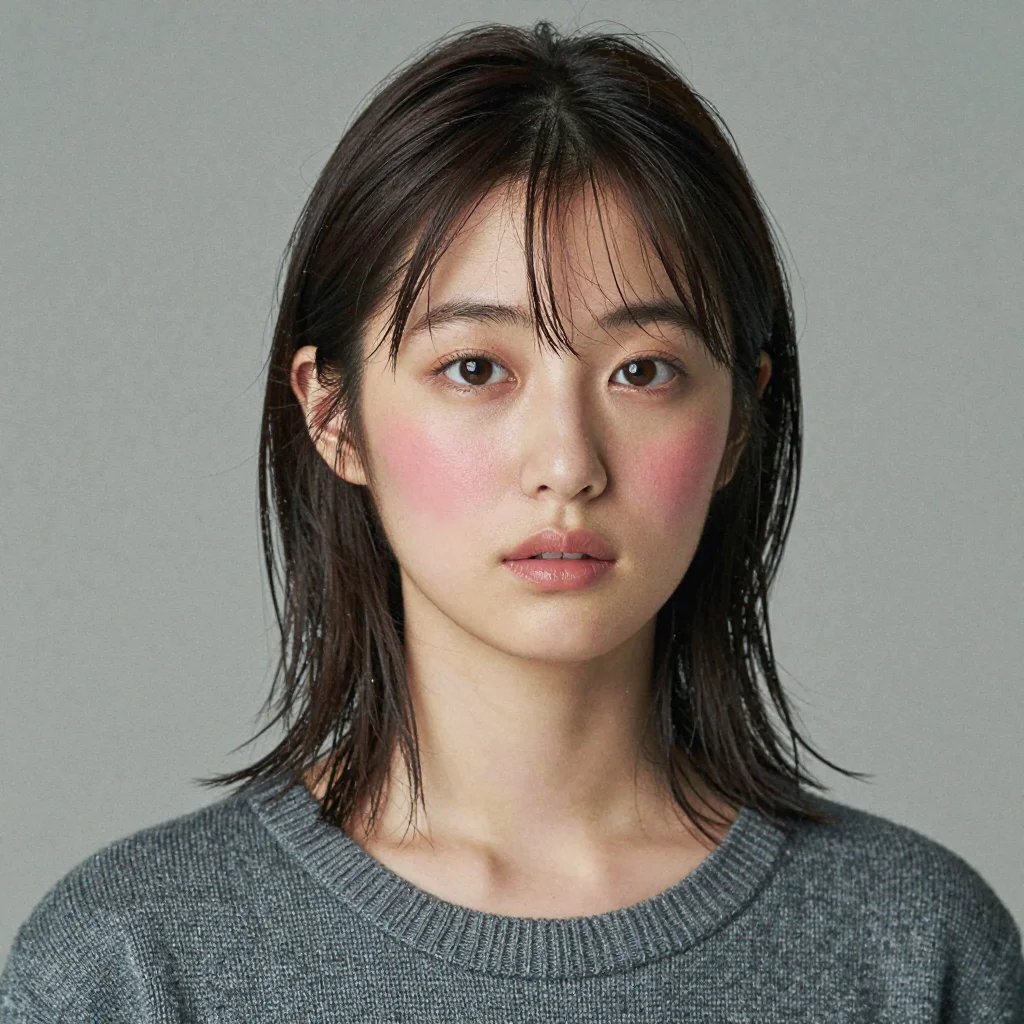 |
Observation: s2 shows pink redness on the cheeks with effect close to blush. However, compared to blush, the pink coverage area is slightly narrower and the color is slightly more subdued. s1 and s3 show more limited change, closer to control. “natural” seems to cause more variance in redness intensity.
Experiment 2: Can “Subtle Blush” Be Achieved?
In Experiment 1, all blush-type prompts produced strong redness. Exploring ways to achieve a subtle blush — just a slight pinkening. Comparing the approach of weakening with weighted syntax vs. specifying subtlety with adjectives.
A09: (blush:0.4) (Weighted, weaker)
| seed 1 | seed 2 | seed 3 |
|---|---|---|
 | 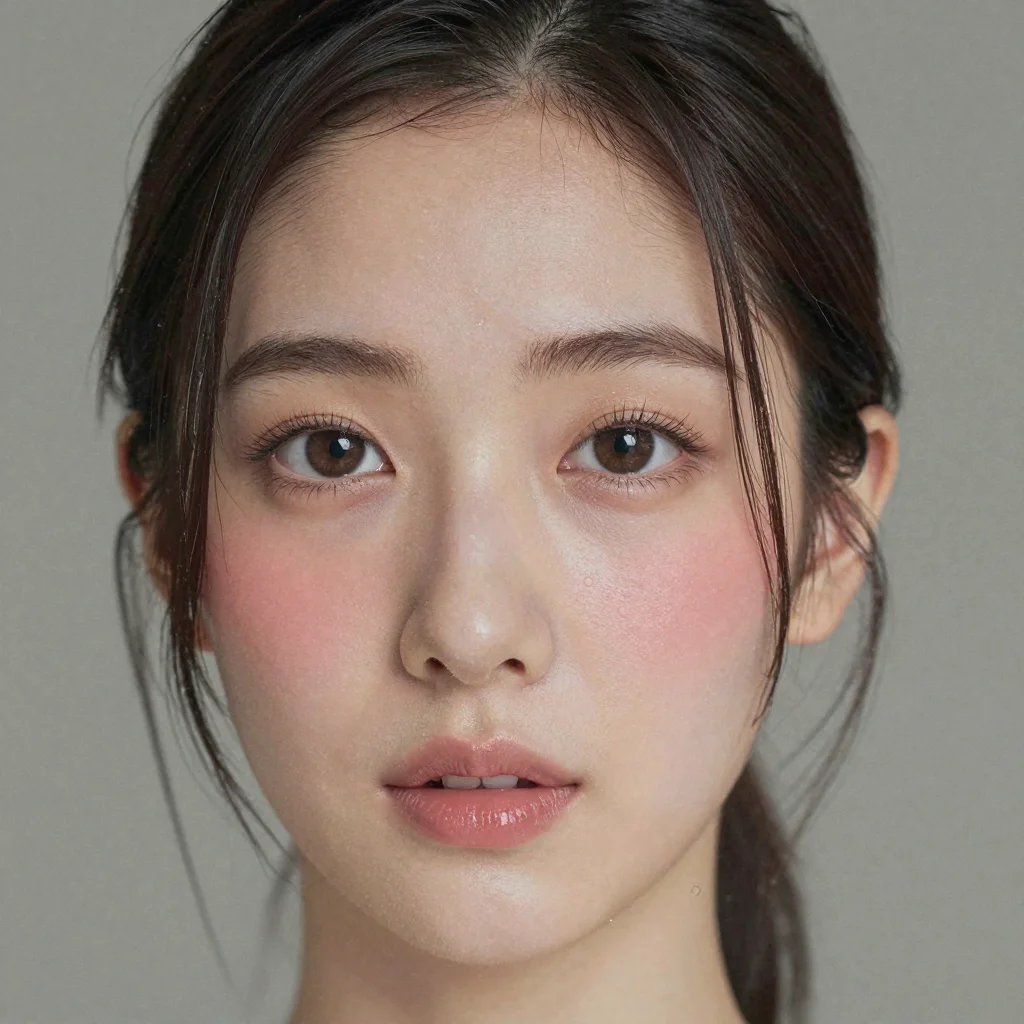 |  |
Observation: All 3 show clear pink on the cheeks. No visible difference in redness strength compared to A01 (blush). Weight 0.4 in (blush:0.4) did not weaken the blush.
A10: (blush:0.2) (Weighted, even weaker)
| seed 1 | seed 2 | seed 3 |
|---|---|---|
 |  |  |
Observation: Same as A09 — all 3 show clear pink cheeks. Even lowering the weight to 0.2 doesn’t weaken the blush. Gradient control of intensity via weighted syntax doesn’t work in a CFG=1.0 environment.
A11: slight blush (Adjective specification for subtlety)
| seed 1 | seed 2 | seed 3 |
|---|---|---|
 | 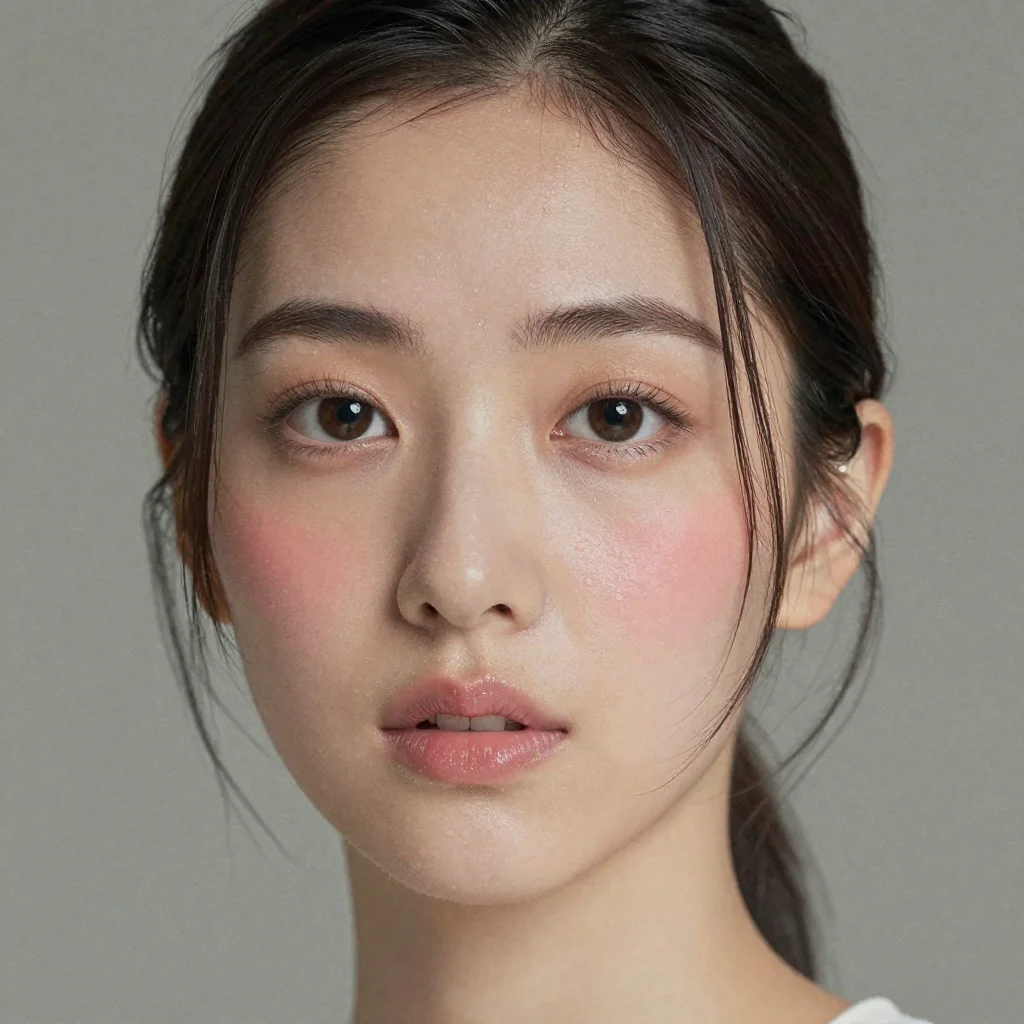 | 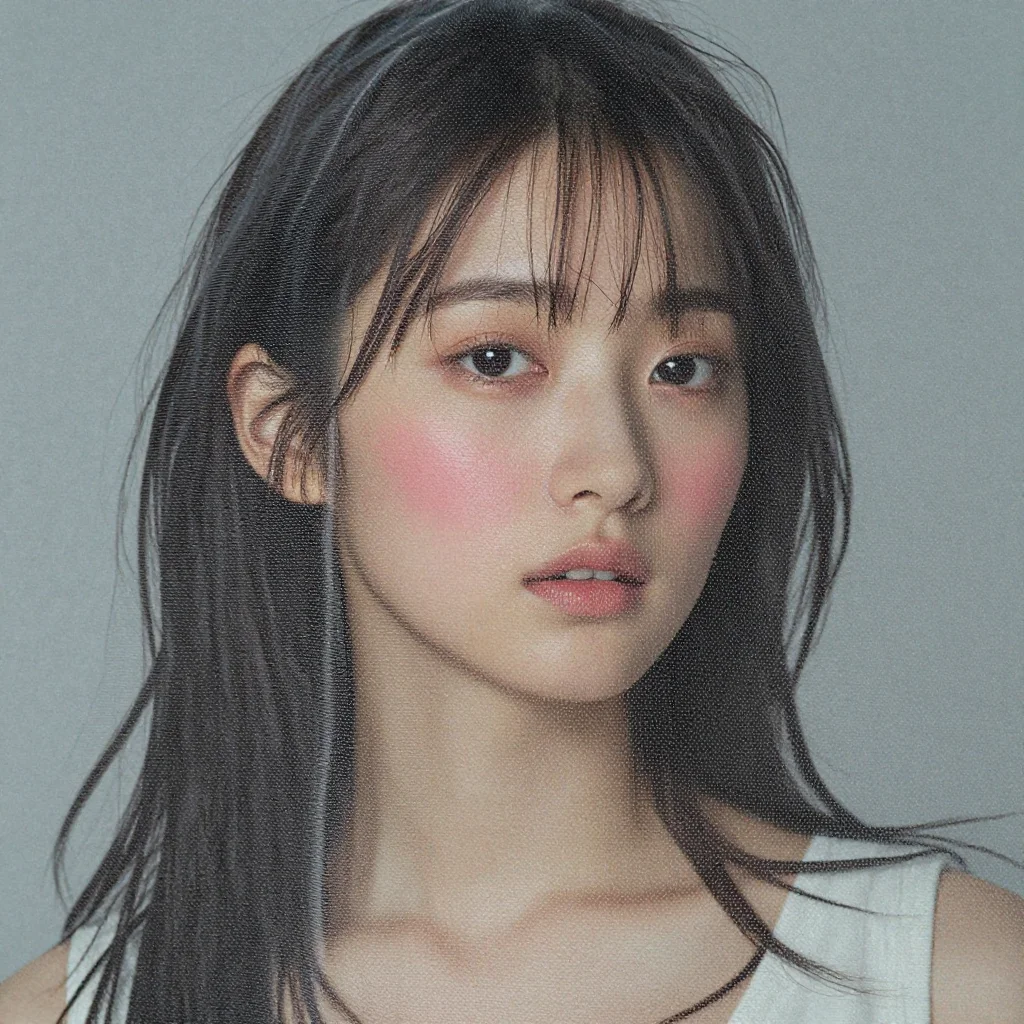 |
Observation: All 3 show pink on the cheeks. Adding slight (minimal) doesn’t weaken the blush strength compared to A01.
A12: faint pink cheeks (Color-based subtle expression)
| seed 1 | seed 2 | seed 3 |
|---|---|---|
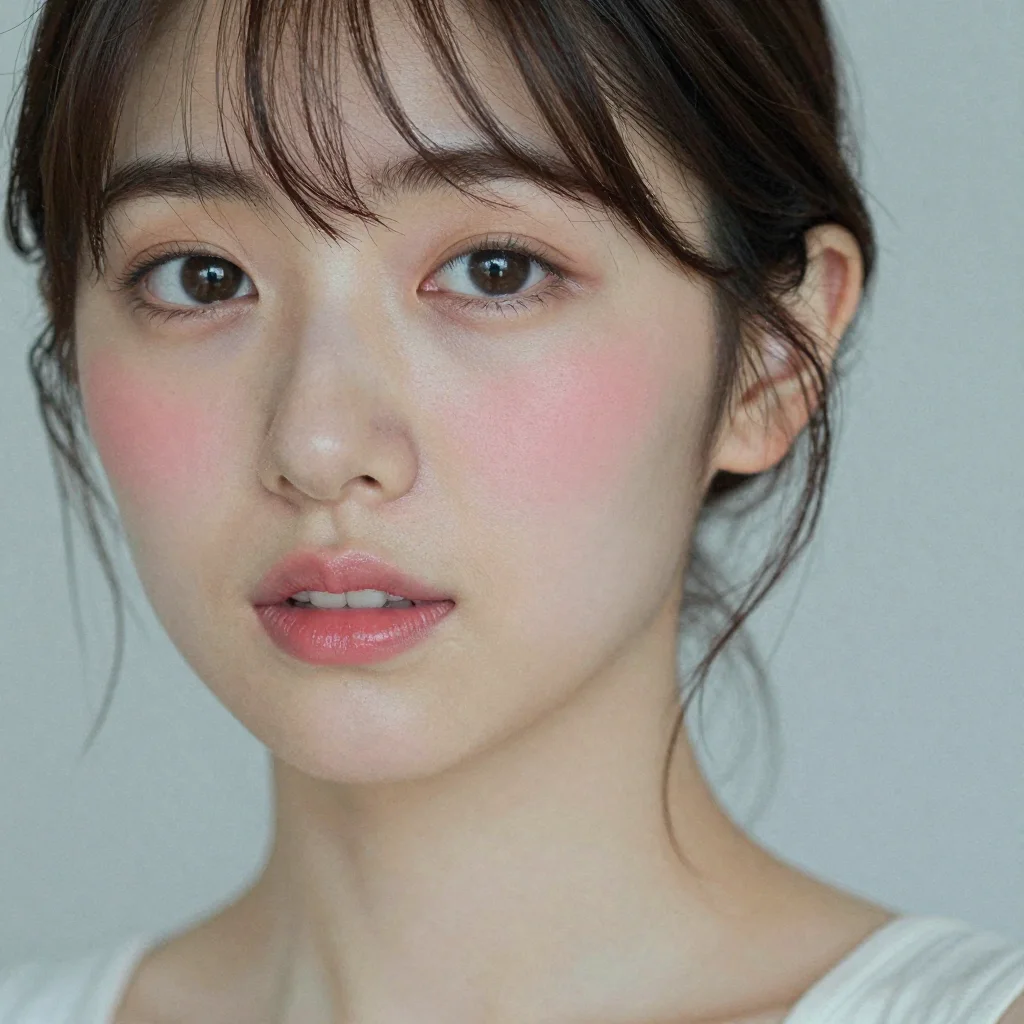 | 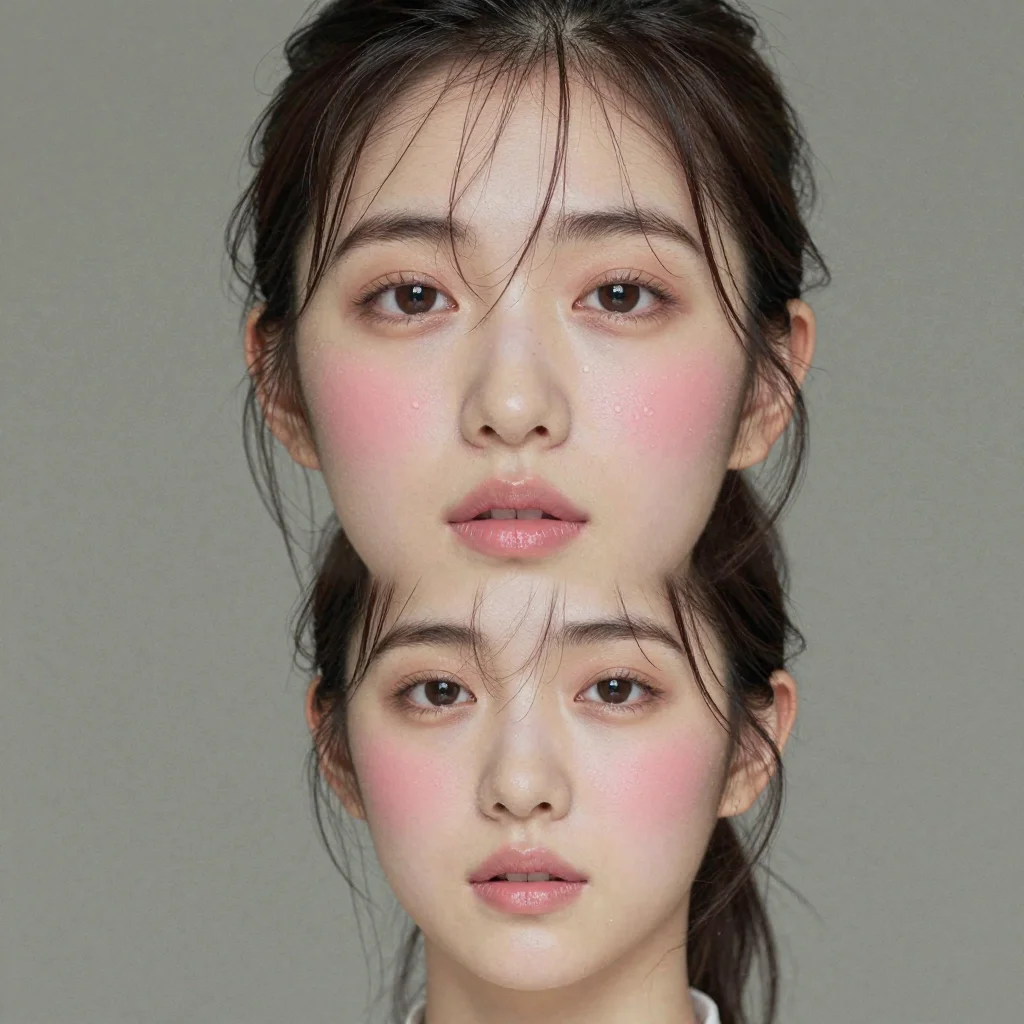 | 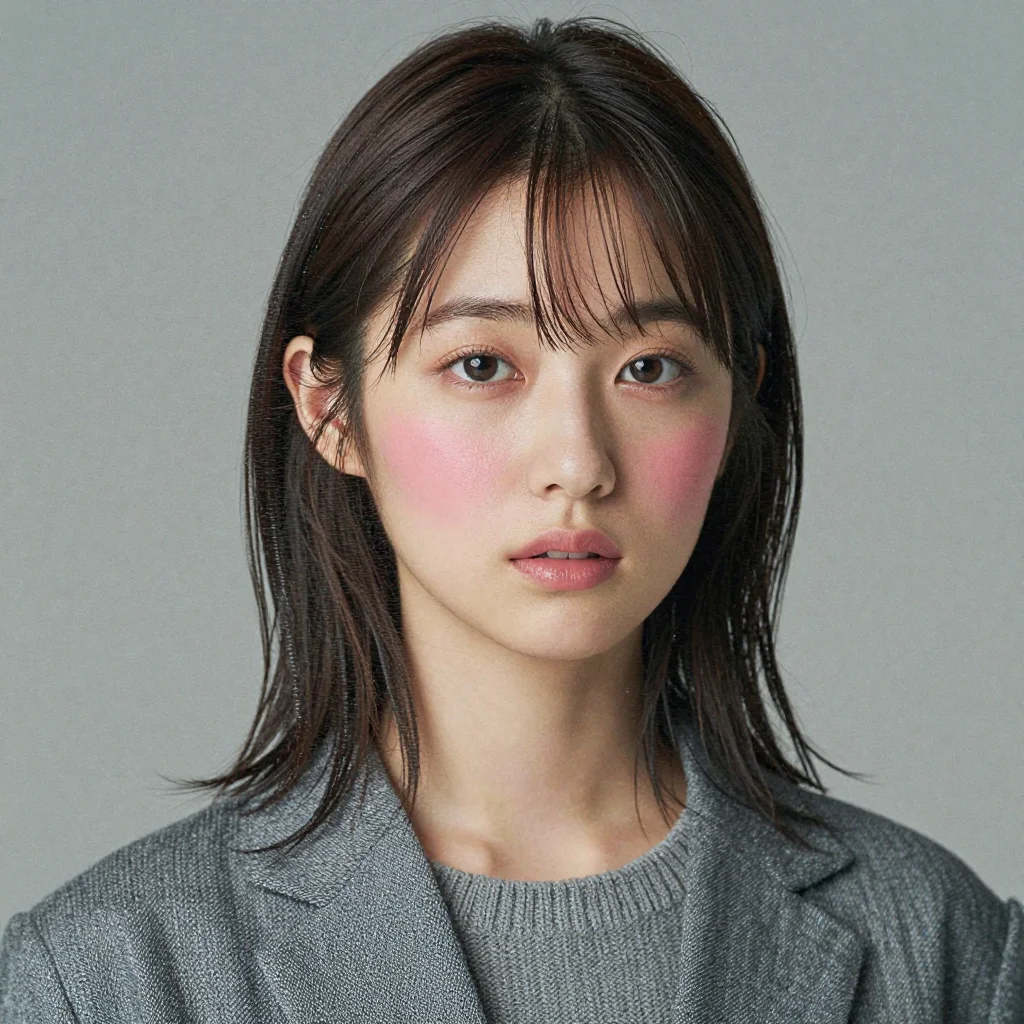 |
Observation: Blush strength is equivalent to A01. Additionally, s2 shows the dual-face composition artifact. Not only does faint (barely visible) fail to weaken, but side effect risk increases.
A13: subtle rosy cheeks (Specifying subtlety with subtle)
| seed 1 | seed 2 | seed 3 |
|---|---|---|
 | 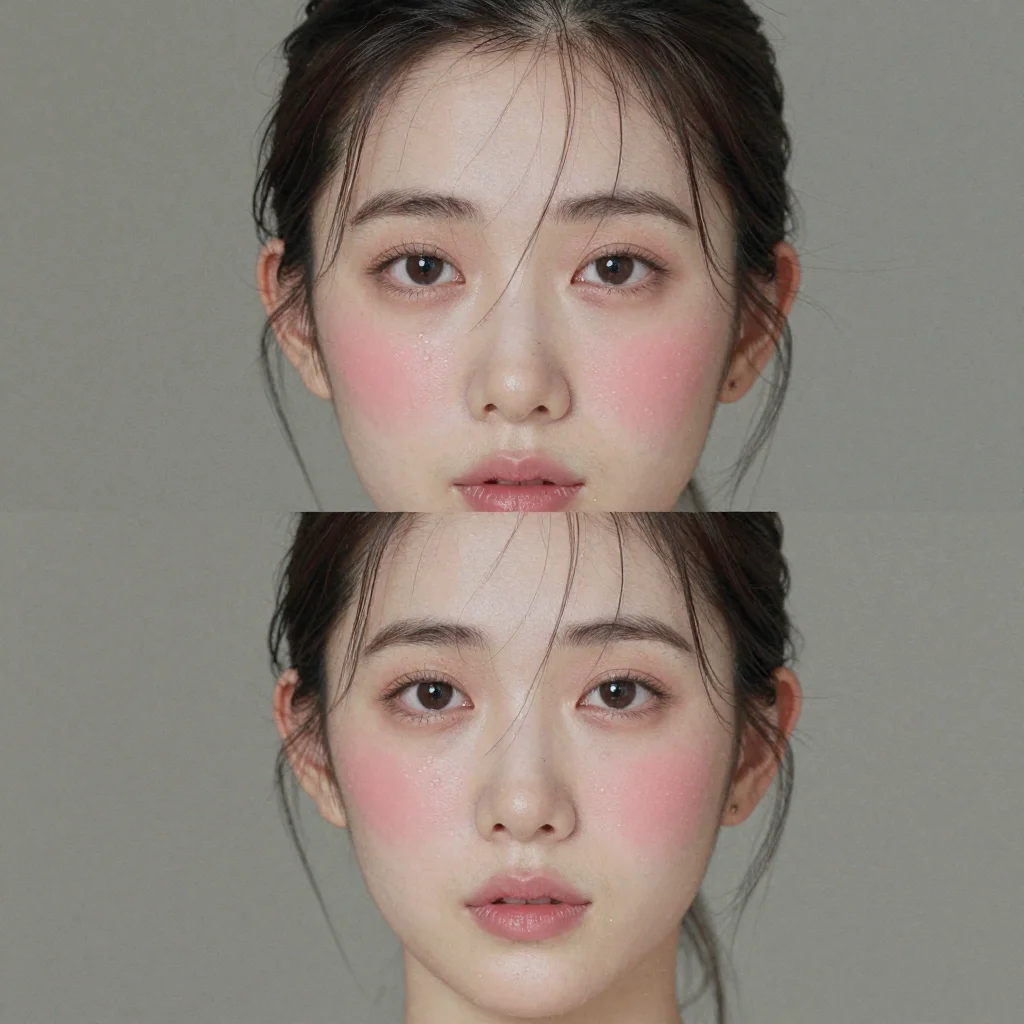 |  |
Observation: Blush strength is equivalent to A01 with s2 showing the dual-face composition artifact. subtle (delicate) also doesn’t contribute to weakening.
Cross Comparison: Subtle Blush Testing
| Seed | control (A00) | blush (A01) | (blush:0.4) (A09) | (blush:0.2) (A10) | slight (A11) |
|---|---|---|---|---|---|
| s1 | | | | | |
| s2 | | | | | |
| s3 | | | | | |
The control has no blush; all others show equally strong pink. Neither weighted syntax nor adjectives could reduce blush intensity.
Experiment 2 Conclusion
There is no way to achieve “subtle blush” in z-image-turbo. Blush expression is binary on/off, and all of the following intensity gradient control methods are ineffective:
- Weighted syntax
(blush:0.4)/(blush:0.2)→ same strength as regular blush - Adjective
slight blush→ no weakening - Color expression
faint pink cheeks→ no weakening, dual-face composition artifact subtle rosy cheeks→ no weakening, dual-face composition artifact
As a constraint of CFG=1.0 environment, blush-type prompts produce only “blush present (strong)” or “no blush” in two stages.
Summary
Experiment 1: Blush, Contouring, Highlight
| Condition | Cheek Redness | Facial Structure | Side Effects |
|---|---|---|---|
| control | None | Lighting only | None |
| blush | Strong (pink) | No change | Dual-face composition |
| heavy blush | Strong (pink) | No change | Dual-face composition |
| contour | None | No change | None |
| highlight | None | No change | None |
| bronzer | None | No change | Warmer skin tone, outfit disappearance |
| draping | Strong (pink) | No change | Cloth/makeup brush appearance |
| contour highlight | None | No change | None |
| natural flush | Medium (pink) | No change | None |
Experiment 2: Subtle Blush
| Condition | Cheek Redness | Difference from blush | Side Effects |
|---|---|---|---|
| (blush:0.4) | Strong (pink) | No difference | None |
| (blush:0.2) | Strong (pink) | No difference | None |
| slight blush | Strong (pink) | No difference | None |
| faint pink cheeks | Strong (pink) | No difference | Dual-face composition |
| subtle rosy cheeks | Strong (pink) | No difference | Dual-face composition |
Overall Findings
For adding cheek redness (blush), blush is the simplest and most effective. heavy blush shows minimal additional effect over blush for the token cost.
“Subtle blush” cannot be achieved in z-image-turbo. Whether using weighted syntax (blush:0.4), adjectives like slight, faint, or subtle — none can reduce blush strength. In a CFG=1.0 environment, blush expression is binary and intensity gradient control is impossible.
Contouring and highlight showed no effect in this model. draping produces blush effect but carries the risk of cloth and makeup tool side effects.
Note: The inability to produce “subtle blush” is a practical limitation. Neither weighted syntax nor adjectives had any effect, so in a CFG=1.0 environment blush is best treated as a binary on/off setting.



![[Tested] 15 Ghost & Zombie Styling Prompts — Which Ones Turn a Beauty Inhuman Without Breaking Her?](/tips/inhuman-styling-test/z04_cloudy_eyes_s1.webp)
![[Experiment] Lip Color & Texture (Gloss/Matte) Test | 14 Conditions, 42 Images](/tips/lip-color-texture-test/cover.webp)
![[Experiment] Eyelash and Eyeliner Prompts | 10 Conditions, 30 Images](/tips/eyelash-eyeliner-test/a04_cat_eye_liner_s2_0_0000_7295072554507705269.webp)